

As climate change intensifies, certain American cities and regions are increasingly at risk of becoming unlivable. Rising temperatures, frequent flooding, and severe droughts threaten not only the environment but also the social and economic fabric of these places. You may find yourself wondering if your beloved city could be next on the list. Here are 14 real places in America that could become unlivable in our lifetime due to climate change and its impacts.
1. Miami, Florida
You might think of Miami as a vibrant city with a lively nightlife and stunning beaches, but it faces a precarious future. With sea levels predicted to rise by up to six feet by the end of the century, Miami is in the crosshairs of climate change. The beautiful Art Deco buildings could become relics of a bygone era if the city doesn’t adapt quickly. Flooding is no longer a rare event but a regular occurrence, affecting everyday life and infrastructure.
According to the National Oceanic and Atmospheric Administration (NOAA), Miami is one of the most vulnerable cities in the world to sea-level rise. The city is investing in drainage systems and raised roads, but these are temporary solutions. Without significant intervention, the cost of living and insurance premiums are set to skyrocket. Imagine a future where Miami becomes less of a paradise and more of a cautionary tale.
2. Phoenix, Arizona
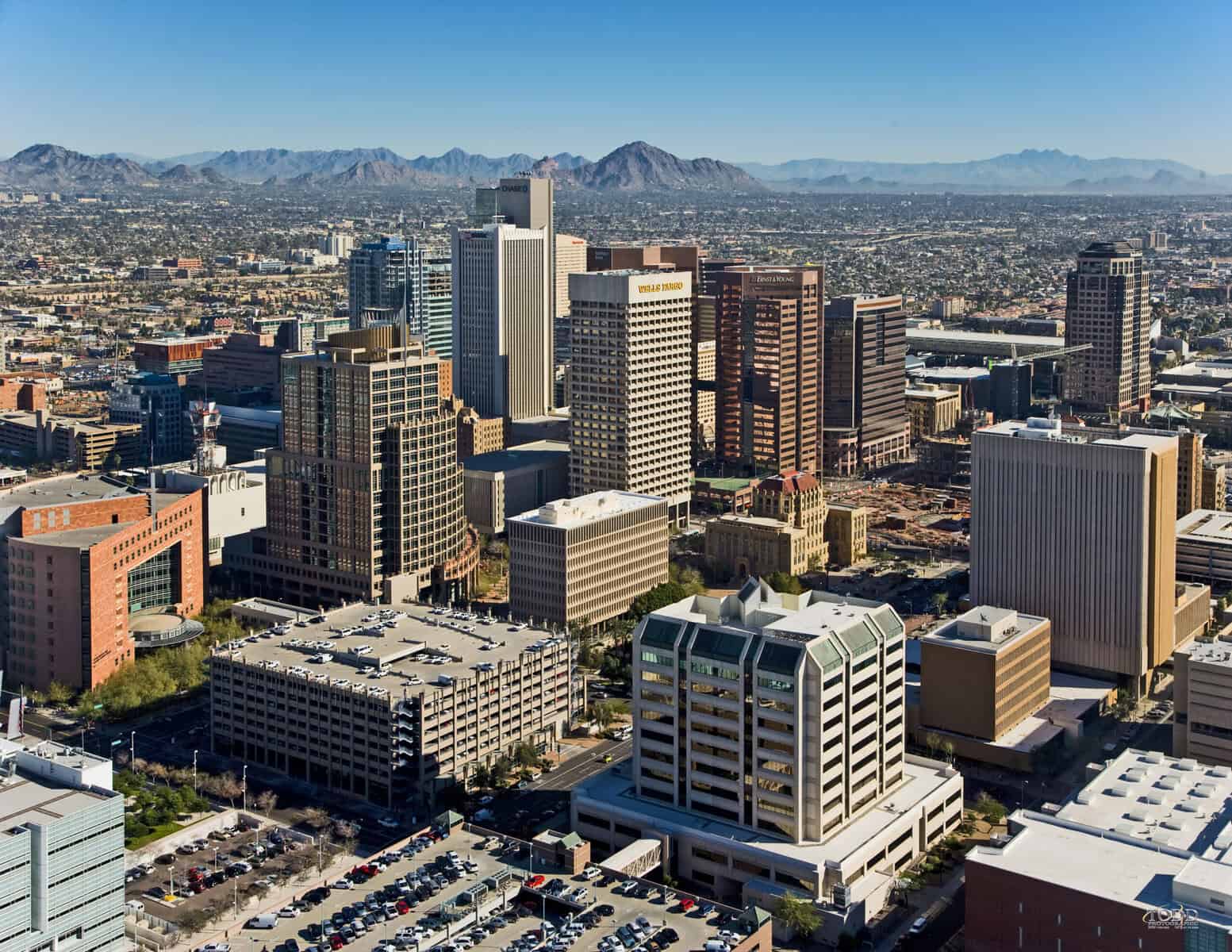
In Phoenix, the sun shines 300 days a year, but that’s not necessarily good news. The city is experiencing record-breaking heatwaves, with temperatures soaring to life-threatening levels. This extreme heat not only affects comfort but also strains the energy grid and water supply. You might think twice before venturing outdoors during the scorching summer months.
The rapid urban sprawl in Phoenix has exacerbated the urban heat island effect, making it difficult for the city to cool down at night. As temperatures rise, so do the risks of wildfires and prolonged droughts. Imagine an environment where air conditioning is not just a luxury but a necessity for survival. The city’s growing population faces an uncertain future if sustainable solutions are not implemented.
3. New Orleans, Louisiana

New Orleans, a city known for its rich culture and Mardi Gras celebrations, faces constant threats from the elements. Situated below sea level and bordered by water on three sides, the city is highly susceptible to flooding. The levee system, though strengthened post-Katrina, is not a failsafe solution against rising seas and stronger hurricanes. Here, every hurricane season brings a fresh layer of anxiety.
A study from the National Climate Assessment reveals that New Orleans could experience significant land loss due to sea-level rise and subsidence. The city is investing in marsh restoration and flood management, but these efforts may not be enough. Your favorite jazz clubs and Creole restaurants could be underwater in a matter of decades. This cultural hub may become a memory if climate change continues unchecked.
4. Las Vegas, Nevada
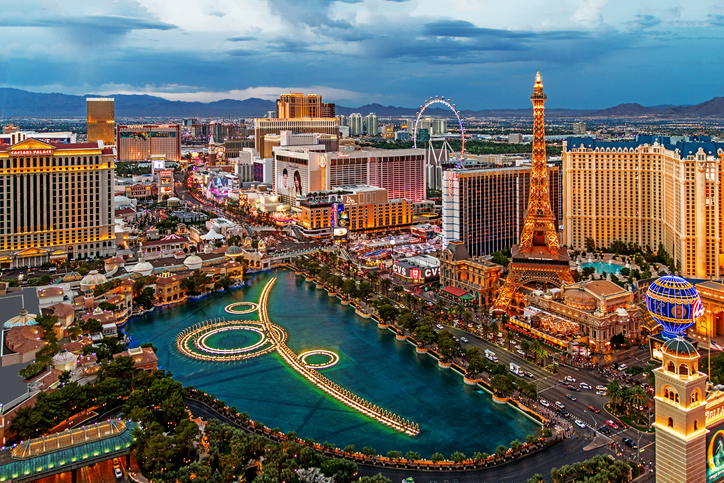
Las Vegas might be synonymous with glitz and glamour, but beneath the neon lights lies a deep reliance on a dwindling water supply. The city’s lifeline, the Colorado River, is drying up due to prolonged drought conditions. This spells trouble for over two million people who depend on this water source. You might find yourself rethinking that weekend getaway if water restrictions become more severe.
The rapid growth in Las Vegas has led to increased water consumption, a concerning trend given the ongoing drought. The city has implemented water-saving measures, but they may not be enough to ensure long-term sustainability. Imagine a Las Vegas where the iconic fountains are turned off and green lawns are a thing of the past. If water scarcity continues, the city’s future as an oasis in the desert is uncertain.
5. Charleston, South Carolina
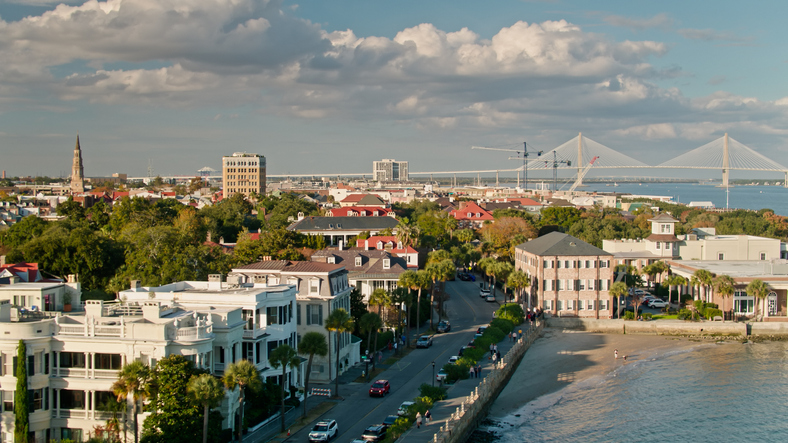
Charleston’s picturesque streets and historic charm make it a favorite destination for many. However, it’s also a city facing the harsh realities of climate change, with frequent flooding already impacting daily life. When high tide coincides with heavy rain, the city becomes a checkerboard of impassable roads. Long-term residents and newcomers alike must grapple with the inconvenience and potential damage.
A report by the South Carolina Department of Natural Resources highlights the increased frequency of tidal flooding events in Charleston. The city is working on flood mitigation projects, but they come with high costs and uncertain efficacy. Residents might soon face tough choices about whether to stay or relocate. The question is not just how to protect Charleston but whether it can be protected at all in the face of climate change.
6. Houston, Texas

Houston, a sprawling metropolis known for its space exploration and energy sector, frequently faces severe flooding. The city’s flat topography and extensive urban development make it particularly vulnerable. When heavy rains hit, the city’s bayous and drainage systems struggle to cope, leading to widespread flooding. You might find it increasingly difficult to navigate the city during stormy weather.
Hurricane Harvey was a wake-up call, highlighting Houston’s vulnerabilities to extreme weather. While efforts are underway to improve flood management, the sheer scale of the problem poses significant challenges. Imagine a future where every storm brings with it a new layer of risk and uncertainty. For a city built on resilience, adapting to these changes is crucial but far from guaranteed.
7. Los Angeles, California

Los Angeles, famous for its entertainment industry and sunny weather, faces a complex array of environmental challenges. From wildfires to droughts, the city is no stranger to the impacts of climate change. These natural disasters not only threaten homes but also the city’s air quality and overall livability. You might reconsider breathing easy in a city where smog and smoke mingle in the air.
The Center for Climate Change Communication has identified Los Angeles as a hotspot for climate-related health risks. The combination of high temperatures and poor air quality can exacerbate respiratory issues, particularly for vulnerable populations. As wildfires become more frequent, the iconic hills and canyons turn from scenic vistas to sources of danger. Los Angeles must tackle these challenges head-on to avoid becoming a city where the risks outweigh the rewards.
8. Salt Lake City, Utah

Salt Lake City may boast stunning mountain views and outdoor activities, but it also faces significant environmental pressures. The shrinking Great Salt Lake poses serious ecological and economic threats. As the lake dries up, toxic dust storms become more frequent, impacting air quality and public health. You might wonder if the breathtaking landscapes are worth the potential hazards.
With climate change intensifying drought conditions, the lake’s decline affects not only wildlife but also local industries like tourism and salt production. Efforts are underway to manage water resources more effectively, but the challenges are daunting. Imagine a Salt Lake City where clear skies are replaced with dust-laden ones, and outdoor recreation is limited. The city’s future depends on balancing growth with sustainability in the face of environmental change.
9. Key West, Florida

Key West is the epitome of a tropical paradise, but its low-lying geography makes it particularly vulnerable to rising seas. The island’s charm could be washed away as tidal flooding becomes more frequent, affecting homes and businesses. Protecting the island involves not just physical barriers but also tough economic choices. You might have to decide between enjoying the present beauty and planning for an uncertain future.
Despite being a hotspot for tourism, Key West faces existential threats from climate change. Efforts are being made to elevate buildings and improve drainage, but these come with high costs and limited effectiveness. Imagine a scenario where the vibrant streets of Key West become a maze of sandbags and flood defenses. While the island community remains resilient, its long-term habitability is increasingly questioned.
10. New York City, New York

New York City, the city that never sleeps, is waking up to the harsh realities of climate change. Rising sea levels and stronger storms threaten the city’s infrastructure and iconic skyline. Hurricane Sandy was a stark reminder that even the greatest cities are not immune to nature’s fury. You might find yourself reconsidering the stability of urban life as threats loom larger.
The city is investing billions in resilience projects, from seawalls to green infrastructure, to combat rising waters. However, the scale and complexity of New York make these efforts challenging and time-consuming. Imagine a city where coastal neighborhoods face perpetual threats and historic landmarks are at risk. New Yorkers are known for their grit, but even the toughest city needs a strategic plan to weather the climate storm.
11. Anchorage, Alaska

Anchorage, a city nestled in the stunning wilderness of Alaska, is on the frontline of climate change. Permafrost thaw, rising temperatures, and shifting ecosystems pose significant challenges to infrastructure and traditional ways of life. You might think of Alaska as a bastion of cold, but the reality is warming at an alarming rate. This rapid change affects everything from wildlife to public safety.
A warming climate threatens to destabilize roads, buildings, and pipelines as the ground beneath them becomes less stable. The changes also impact subsistence lifestyles, vital to many Indigenous communities. Imagine an Anchorage where the very ground seems uncertain, and cultural traditions are at risk of being eroded. As Alaska warms, its communities must adapt quickly to protect both their homes and heritage.
12. Norfolk, Virginia

Norfolk, a city with a rich naval history, is increasingly under threat from rising sea levels. Frequent flooding disrupts daily life, putting homes and businesses at risk. The city’s strategic location as a naval hub adds layers of complexity to its climate challenges. You might find yourself questioning the sustainability of living in a city where water seems to constantly encroach.
The Union of Concerned Scientists has identified Norfolk as one of the top cities at risk from sea-level rise. Efforts to combat flooding include raising streets and constructing floodwalls, but these are costly and complex undertakings. Imagine a Norfolk where the fight against water becomes an integral part of city planning and policy. The community’s resilience will be key to its ability to adapt and thrive despite the rising waters.
13. San Francisco, California

San Francisco, known for its iconic Golden Gate Bridge and vibrant culture, faces significant environmental challenges. Rising sea levels and seismic risks make for a precarious combination. You might find yourself weighing the perks of city life against the looming threats of natural disasters. The city’s unique geography adds both beauty and vulnerability to its landscape.
Efforts are underway to enhance San Francisco’s resilience through seawalls and sustainable urban planning. The challenge is balancing growth with preparation for potential disasters, both environmental and economic. Imagine a San Francisco where tech innovation meets climate adaptation head-on. As the city navigates these challenges, its future will depend on how effectively it can blend progress with foresight.
14. Honolulu, Hawaii

Honolulu, a paradise in the Pacific, faces existential challenges as climate change accelerates. Rising seas threaten to erode beaches and inundate coastal areas, affecting both residents and the tourism industry. You might picture Honolulu as an idyllic escape, yet it is increasingly becoming a frontline in the battle against climate change. This delicate ecosystem requires careful management to preserve its beauty and habitability.
The state of Hawaii is taking proactive measures, including coastal defense projects and sustainable tourism practices. However, the islands’ isolation complicates logistics and resource management. Imagine a Honolulu where the ocean’s encroachment becomes a daily concern rather than a distant possibility. The community’s ability to adapt and innovate will be crucial in maintaining its allure in the face of environmental change.


