

Climate change is not just a modern dilemma; it’s a force that has reshaped the trajectory of human history time and again. From lush empires to thriving cities, ancient civilizations have risen and fallen, sometimes due to shifts in climate that rendered once-rich lands inhospitable. Here are 14 civilizations that just may have faced their demise due to climate upheavals.
1. The Akkadian Empire
Imagine a world where a flourishing empire suddenly fades into dust and memory. That’s what happened to the Akkadians around 2200 BCE in ancient Mesopotamia. This once-mighty realm is believed to have crumbled due to a prolonged drought that disrupted agriculture and led to widespread famine. The resulting socio-economic turmoil made the empire vulnerable to invasions and internal strife.
Supporting this theory, a 2019 study published in Nature indicated that a severe multi-century drought, evident from sediment cores in the region, coincided with the Akkadian collapse. The study reveals a drop in river flow and agricultural productivity, forcing people to migrate. This environmental stress likely played a pivotal role in the disintegration of this early civilization. In their desperation, the Akkadians became an early cautionary tale of ecological complacency.
2. The Mayan Civilization
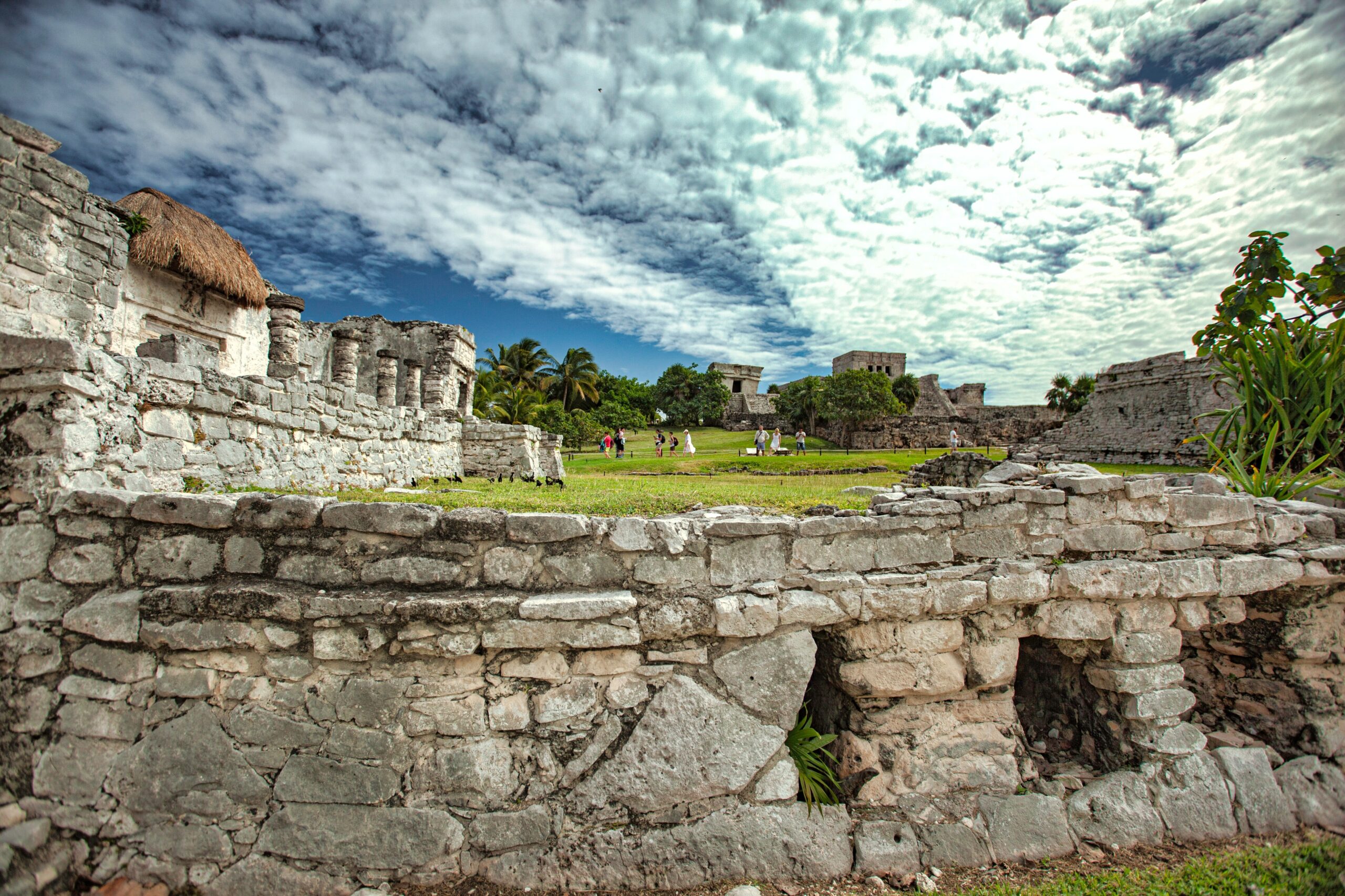
Picture the dense jungles of Central America, once echoing with the sounds of Mayan rituals and bustling cities. By the ninth century, many of these urban centers were abandoned. Scholars suggest that climate change, specifically a series of severe droughts, contributed to this societal decline. With water reservoirs drying up, agriculture suffered, leading to food shortages and social unrest.
Despite advanced agricultural techniques, the Mayans could not withstand the successive droughts. Archaeological findings show evidence of deforestation, which may have exacerbated their vulnerability to climate change. As water became scarce, conflicts over resources likely erupted, further destabilizing the region. The Mayan collapse underscores the delicate balance civilizations strike with their environment.
3. The Ancestral Puebloans

In the starkly beautiful landscapes of the American Southwest, the Ancestral Puebloans built intricate cliff dwellings and pueblos. By the late 13th century, however, these communities were largely deserted. Researchers believe a series of droughts played a key role in this exodus, pushing these people to abandon their homes in search of more hospitable lands. The drying climate strained their complex irrigation systems and agricultural practices.
A study published in the Proceedings of the National Academy of Sciences supports this, suggesting that a megadrought, along with other social factors, contributed to their departure. Tree-ring data from the period indicate significant climatic stress, which would have challenged their food supply. The Ancestral Puebloans’ migration highlights the adaptability required in the face of relentless environmental changes. Their fate is a poignant reminder of nature’s unyielding influence on human settlement.
4. The Khmer Empire

Think of the grand temples of Angkor, remnants of a once-glorious Khmer Empire in Southeast Asia. By the 15th century, this thriving civilization had mysteriously declined. Historians suggest that climate variability, including extreme monsoon events, played a crucial role. Rice paddies and water management systems, the lifelines of Angkor, were disrupted by these unpredictable weather patterns.
The empire’s reliance on an intricate network of canals and reservoirs made it particularly susceptible to climate shifts. When these systems failed, the empire faced food shortages and societal strain. This environmental pressure likely compounded other factors like political instability and invasions. The fall of the Khmer Empire serves as a testament to the vulnerabilities of highly engineered societies to climate extremes.
5. The Old Kingdom of Egypt

Envision the grandeur of ancient Egypt’s Old Kingdom, where pyramids soared above the desert sands. Yet, this era of prosperity met its decline around 2200 BCE, amidst a period known as the First Intermediate Period. Scholars surmise that a dramatic climate event reduced Nile River flooding, leading to agricultural failures. Without the Nile’s bounty, famine and political fragmentation ensued.
The impact of this climate shift is corroborated by a study in Quaternary Science Reviews, which analyzed sediment cores and ancient texts. The evidence points to a decrease in monsoon rains crucial for the Nile’s annual inundation. As the river failed to meet the needs of the population, the once-stable pharaonic rule crumbled. This chapter in Egyptian history illustrates the profound influence of natural cycles on human destiny.
6. The Harappan Civilization
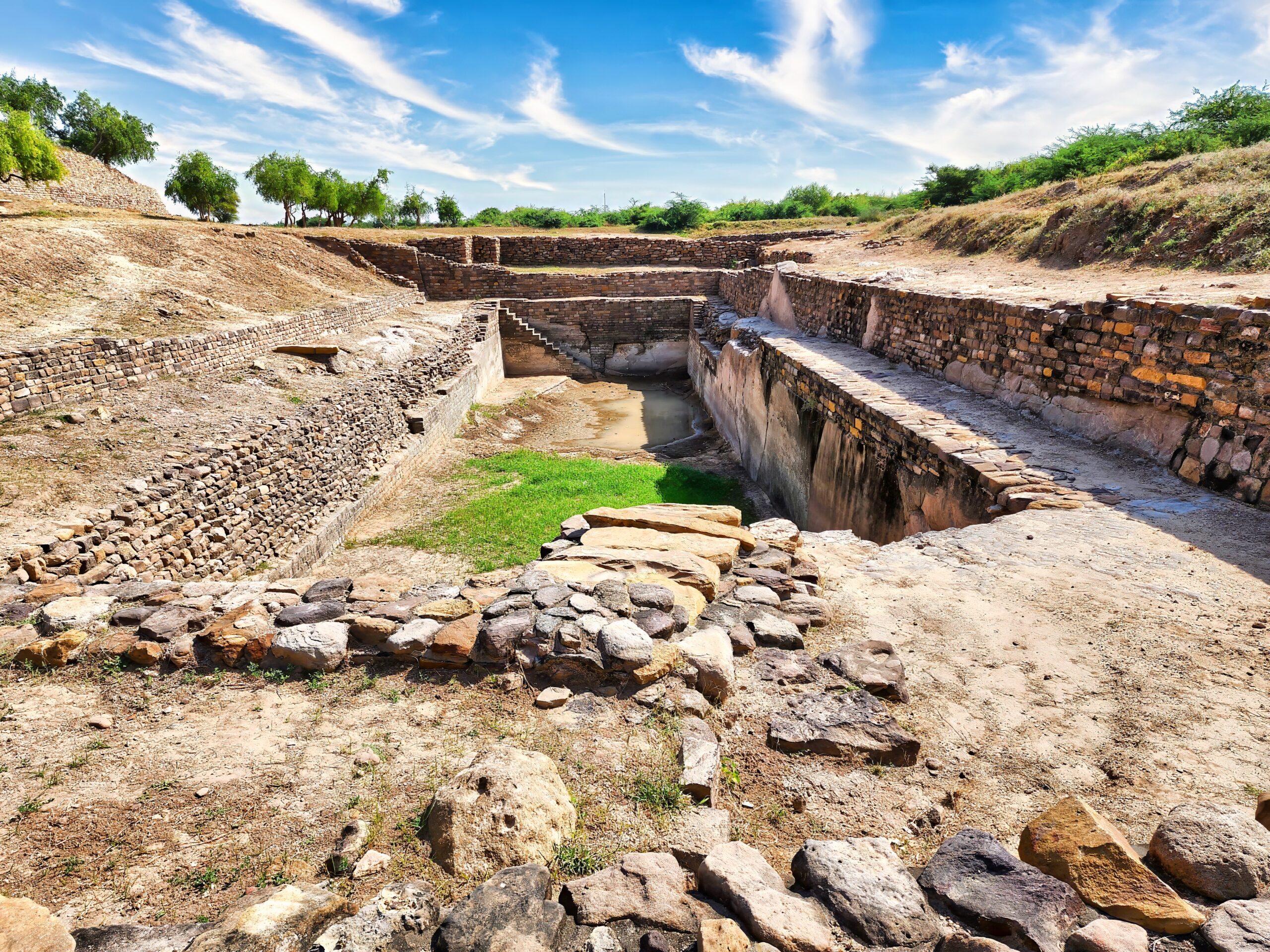
Imagine the bustling cities of the Harappan Civilization, spread across the Indus Valley, engaged in trade and vibrant urban life. By 1900 BCE, these cities were largely abandoned. Climatic changes, particularly a weakening monsoon system, are believed to have played a role in this decline. As rivers dried up, the agricultural backbone of the Harappans faltered, leading to urban decay and migration.
The Harappans’ sophisticated water management practices, seen in their urban planning, were no match for the long-term climate trends. Archaeological evidence points to a gradual shift in settlement patterns, moving towards smaller, rural communities. This decentralization reflects adaptability, yet also a loss of urban cultural identity. The Harappan decline underscores the enduring challenge of maintaining societal cohesion amid environmental stress.
7. The Minoan Civilization

Consider the vibrant frescoes and advanced architecture of the Minoans, flourishing on Crete around 1600 BCE. Suddenly, this civilization began to wane, and one factor may have been climate change. Geological evidence points to a massive volcanic eruption on Thera (modern-day Santorini) that triggered climatic disturbances. The aftermath likely included cooler temperatures and crop failures, straining Minoan society.
A 2006 study in the journal Science explored these links, analyzing ice core samples and tree rings, which showed a climatic downturn consistent with volcanic activity. This environmental stress, alongside seismic events, could have disrupted trade and agriculture. The resulting economic instability may have compounded with other pressures, leading to societal decline. The Minoans’ story is a reminder of how sudden natural events can shift the course of history.
8. The Roman Empire

Picture the Roman Empire at its zenith, a sprawling dominion of wealth and power. Yet, by the fifth century, it was a shadow of its former self. While many factors contributed to its fall, climate change played a subtle yet significant role. Shifting weather patterns led to agricultural disruptions, impacting food supplies and economic stability.
The Romans’ dependence on grain imports made them vulnerable to climate variability, particularly in North Africa. Evidence from tree rings and ice cores indicates fluctuations in temperature and precipitation during this period. These environmental changes, alongside political and military challenges, strained the empire’s resources. The Roman experience reveals the complex interplay between climate and the resilience of vast, interconnected societies.
9. The Tiwanaku Empire
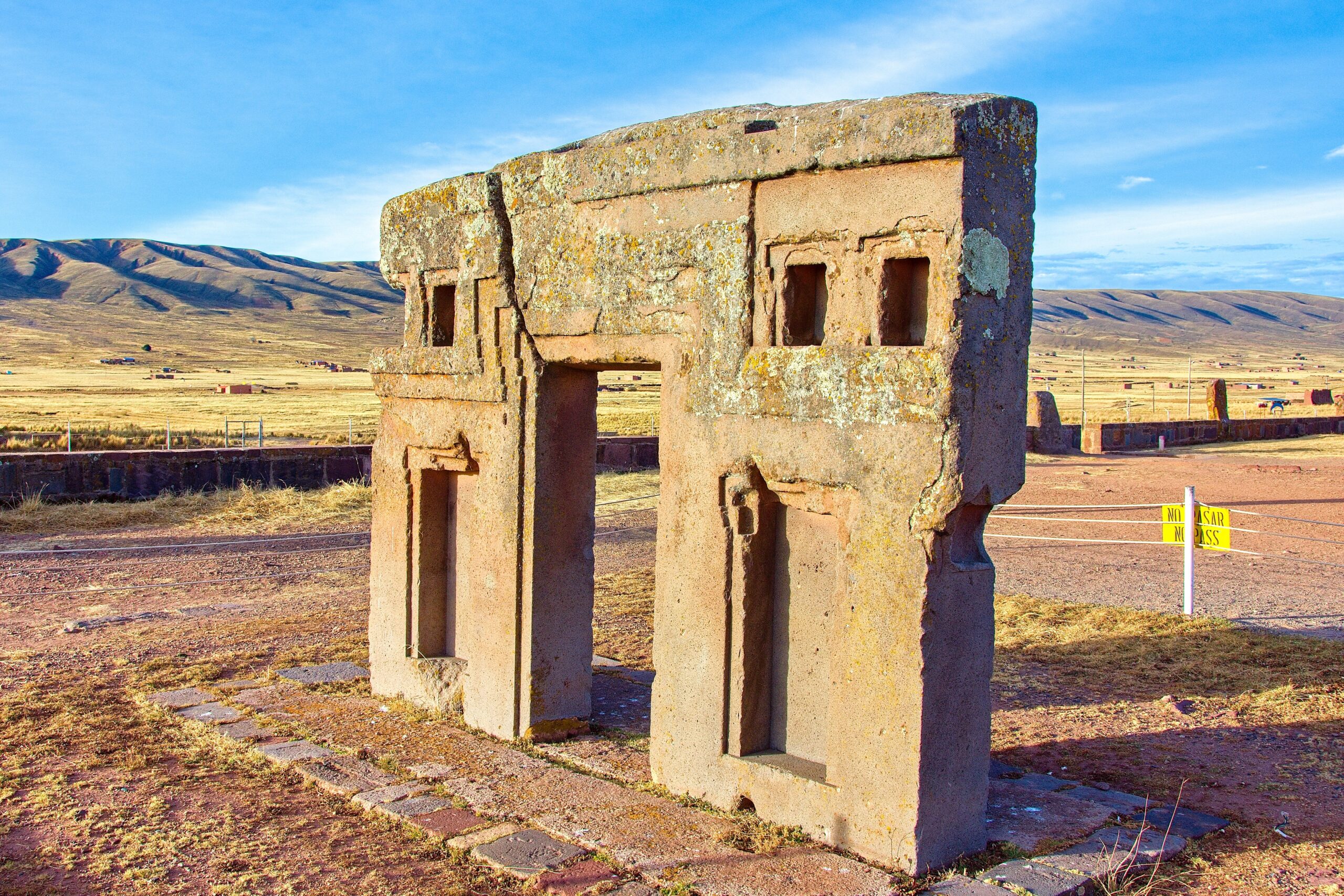
Visualize the high-altitude plains of the Andes, home to the Tiwanaku Empire from 300 to 1000 CE. Despite their sophisticated agricultural methods, the Tiwanaku eventually faced environmental challenges that contributed to their decline. A prolonged drought likely stressed the empire’s intensive farming systems, which relied on raised fields and irrigation. As water sources dwindled, food production could not sustain the population.
Archaeological and climatological studies support this theory, pointing to significant climatic fluctuations during the empire’s final centuries. The Tiwanaku people attempted to adapt by modifying their water management practices, but the scale of environmental change was too great. As agricultural output fell, so did the cohesion of their society. The Tiwanaku collapse showcases both the limits of human ingenuity and the unpredictable power of nature.
10. The Greenland Norse

Imagine the Norse settlers carving out a life on Greenland’s icy shores around the 10th century. For over 400 years, they thrived until climate change ushered in the Little Ice Age. As temperatures dropped, farming and livestock became untenable, leading to starvation and abandonment. The Norse settlers’ reliance on a fragile ecosystem left them vulnerable to these shifts.
Research published by the Journal of the North Atlantic indicates that declining temperatures and changing sea ice patterns severely impacted their way of life. They faced resource scarcity and isolation, compounded by a lack of trade with Europe. This environmental and economic pressure likely led to the eventual disappearance of Norse settlements. Their story underscores the peril of underestimating the climate’s long-term shifts.
11. The Cahokia Mounds

Envision the thriving city-site of Cahokia near the Mississippi River, a center of Mississippian culture around 1050 to 1350 CE. Mysteriously, this once-vibrant settlement was abandoned. Climate change, characterized by flooding and droughts, likely challenged their agriculture-based society. These environmental stresses could have led to food shortages and increased social tension.
Archaeological evidence points to shifts in climate that would have affected crop yields and water supply. As the environment became increasingly unpredictable, Cahokians would have struggled to sustain their large population. This period of climatic instability, coupled with other societal factors, led to Cahokia’s decline. The site stands as a reminder of how climate can influence urban sustainability.
12. The Hittite Empire

Picture the Hittite Empire’s vast territories in Anatolia, flourishing in the 14th century BCE. Yet, by 1200 BCE, the empire faced decline, with climate change as a possible contributor. A series of droughts likely weakened their agricultural systems, a crucial support for their economy. This environmental strain could have compounded military and political challenges.
Textual evidence from the period, alongside climatological studies, suggests a correlation between drought periods and societal stress. As crop failures became more frequent, internal strife and external threats intensified. The decline of the Hittites exemplifies how climate can intersect with human factors to reshape historical trajectories. Their legacy offers insights into the resilience and fragility of empires.
13. The Zapotec Civilization

In the fertile valleys of Oaxaca, the Zapotec civilization flourished, known for its monumental architecture and cultural innovations. But by 900 CE, many Zapotec centers were abandoned. Climate change, involving prolonged droughts, is believed to have played a significant role in this decline. As water sources diminished, agriculture suffered, leading to food shortages and social upheaval.
Archaeological findings highlight changes in settlement patterns, reflecting attempts to adapt to environmental stress. Despite their advanced agricultural techniques, the extended period of drought overpowered their resilience. The decline of the Zapotecs underscores the enduring struggle between human societies and climate variability. Their story is a testament to the importance of sustainable practices in the face of environmental change.
14. The Inca Empire

Visualize the Inca Empire’s sprawling network of roads and terraces, a testament to human ingenuity. Yet, by the 16th century, this formidable empire faced collapse, partly due to climate shifts. The onset of the Little Ice Age brought colder temperatures and altered rain patterns, affecting agriculture and food security. These environmental changes likely exacerbated internal conflicts and colonial pressures.
Historical records and climatological data show a correlation between these shifts and the empire’s struggles. The Inca, despite their adaptability, found their systems strained by these climatic challenges. The decline of their empire illustrates the broader theme of how nature’s unpredictability can influence the fate of civilizations. Their legacy serves as a powerful reminder of the need for resilience in an ever-changing world.


