

Whether it’s for preserving the world’s precious seeds or safeguarding ancient manuscripts, doomsday vaults are fascinating places tucked away around the globe. Imagine having a secret vault filled with treasures or essentials that could save humanity one day. It sounds like something out of a movie, but these vaults are very real. So, let’s dive into the world of real doomsday vaults and discover what’s locked inside their high-security doors. You might be surprised by what people choose to preserve for the future.
1. Svalbard Global Seed Vault, Norway
The Svalbard Global Seed Vault is like a backup hard drive for Earth’s plants. Nestled deep within a mountain on the Norwegian island of Spitsbergen, it holds over a million seed samples from around the world. It’s designed to withstand natural and man-made disasters, ensuring that humanity can reboot crop production if things go south. According to Cary Fowler, a key architect of the vault, its location was chosen because it’s cold enough to keep the seeds preserved even without power. This makes it the ultimate insurance policy for global food security.
Even though access is limited, the vault plays an essential role in agricultural research. Scientists from various countries can store seed duplicates here as a safety net against regional catastrophes. The vault’s creators picked an area where tectonic activity is minimal, and its permafrost adds an extra layer of natural refrigeration. You won’t find flashy signs or tourist attractions nearby, just a simple entrance leading into the mountain. The seeds inside are not just critical for food; they represent a vital genetic library for future generations.
2. The Vatican Secret Archives, Vatican City

Despite its name, the Vatican Secret Archives isn’t a place filled with conspiracies or hidden treasures. It’s essentially a gigantic library of the Catholic Church’s significant historical documents. Stretching over 50 miles of shelving, it holds priceless texts, including letters from Michelangelo and documents about the trial of Galileo. Access is strictly regulated, but scholars can access parts of the archives by applying through a meticulous process. This isn’t your typical library visit; you’ll need a scholarly purpose to gain entry.
The archives serve as a treasure trove for historians seeking to understand religious and world history. Their contents are invaluable, offering insight into centuries-old events and decisions that shaped nations. You won’t find any display cases or flashy exhibits here. Instead, the archives are a functional space focused on preserving and maintaining their collection. For the Catholic Church, it’s a way to keep its rich history intact and available for future generations to study.
3. Iron Mountain, United States

Iron Mountain is less about seeds or ancient texts and more about modern data. Located in a former limestone mine in Pennsylvania, it serves as a highly secure storage facility for sensitive information and critical records. The vault is used by businesses, government agencies, and individuals who need to protect their data from disaster. According to a report by the Data Center Journal, Iron Mountain offers climate-controlled environments and state-of-the-art security measures. This ensures that all stored information remains safe from prying eyes and potential catastrophes.
Aside from digital data, the facility is known to house original copies of historical documents and even film reels. Its covert location and robust security make it a top choice for anyone needing to secure their most valuable materials. The facility doesn’t just focus on storage; it also offers a variety of services, like data recovery and document preservation. The aim is to provide a comprehensive solution for protecting important assets. Whether it’s ancient manuscripts or modern digital files, Iron Mountain has got it covered.
4. Cheyenne Mountain Complex, United States

If you’ve ever watched a movie about secret military bases, you might know a bit about Cheyenne Mountain Complex. Carved into a granite mountain in Colorado, this facility was initially built as a command center during the Cold War. It’s designed to withstand nuclear blasts and is still operational today as part of the United States military defense system. The complex houses operations like NORAD, responsible for aerospace defense over North America. It’s not exactly a tourist destination, but it’s a crucial part of national security.
The complex is an engineering marvel with blast doors weighing over 25 tons and springs that absorb shockwaves from potential attacks. Beyond its military functions, it serves as a reminder of past global tensions and the lengths countries will go to protect themselves. Although many operations have moved to nearby facilities, Cheyenne Mountain remains on standby for emergencies. It’s a place where extreme measures meet high-tech solutions, all hidden away inside a mountain. Its presence highlights the ongoing need for secure and resilient infrastructure.
5. Granite Mountain Records Vault, United States

Hidden beneath the Utah mountains, the Granite Mountain Records Vault is a repository for genealogical records. Operated by The Church of Jesus Christ of Latter-day Saints, the vault holds microfilm, microfiche, and digital data about family history. The facility is climate-controlled to preserve these records for generations to come. According to genealogist Thomas Jay Kemp, the vault is a vital resource for anyone interested in tracing their lineage. It’s not open to the public, but the records are accessible online through the church’s FamilySearch service.
The vault provides a fascinating glimpse into the lives of people from various cultures and times. This makes it an invaluable tool for historians and amateur genealogists alike. The focus is on preserving the past, ensuring that stories and connections aren’t lost over time. With an increasing interest in ancestry, the vault plays a pivotal role in linking present-day individuals with their historical roots. It’s a modern-day time capsule that continues to grow as more records are added.
6. Arctic World Archive, Norway
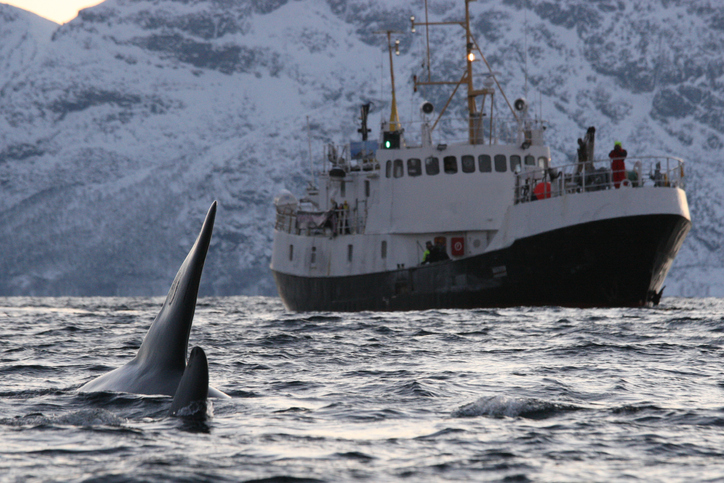
The Arctic World Archive is another Norwegian vault, but this one preserves data rather than seeds. Located on the same island as the Svalbard Global Seed Vault, it stores digital data from governments and private companies. The vault is designed to withstand natural disasters, serving as a secure backup for critical information. What makes it unique is the technology it uses to store data—it’s encoded on film reels designed to last 500 years. This long-term commitment ensures that essential data remains accessible even in a digital age.
Countries like Brazil and Mexico have already deposited significant cultural data here. The idea is to create a global library of digital knowledge, maintained in a secure and remote location. Access is limited to ensure the security and integrity of the data stored within. While it doesn’t have the dramatic flair of a secret military base, its importance is no less critical. The Arctic World Archive is a testament to the idea that information, just like seeds, needs a safe haven for the future.
7. Global Music Vault, Norway

/Shutterstock
Music is a universal language, and the Global Music Vault aims to preserve it for eternity. Situated in the Arctic World Archive, this vault is a new initiative designed to safeguard the world’s most treasured music pieces. According to composer and consultant Alexander Stender, preserving music is crucial for cultural continuity and inspiration. This vault uses advanced technology to ensure that music files remain intact for hundreds of years. It’s not just about protecting music from physical damage, but also from the risk of digital obsolescence.
The vault aims to include music from all cultures, creating a comprehensive auditory archive that future generations can explore. It’s a project that involves collaboration with artists, record labels, and cultural organizations worldwide. While the vault itself is not accessible to the public, its contents will be shared through various platforms over time. It seeks to be a cultural repository that transcends borders and generations. For music lovers and historians alike, this vault represents a monumental effort to keep the world’s sounds alive.
8. Fort Knox, United States

Fort Knox is one of the most famous vaults in the world, often synonymous with impenetrable security. Located in Kentucky, it houses a significant portion of the United States’ gold reserves. The facility is heavily guarded, surrounded by fences, alarms, and armed military personnel. It’s not just about gold, though; the vault has also been used to store important national documents and artifacts in times of crisis. Its reputation as a fortress makes it an enduring symbol of American financial security.
The vault’s security measures are second to none, with no successful breach ever reported. This level of protection has made it the subject of numerous conspiracy theories and pop culture references. Despite its fame, very few people have ever been inside, and even fewer know the full extent of what’s stored there. It’s a place that combines financial and historical significance in a way few other locations can. For many, Fort Knox remains an iconic example of how seriously nations take their most valuable possessions.
9. London Silver Vaults, United Kingdom

The London Silver Vaults is a unique vault that combines shopping with high security. Located underground in central London, it offers a secure shopping experience for those interested in silver antiques. The vault initially opened in 1876 and has since become a haven for collectors and dealers. Each vault is rented out by a dealer, creating a labyrinth of rooms filled with silver treasures. This makes it a fascinating place for anyone interested in history or precious metals.
Security is paramount here, with vault doors and alarms protecting the valuable items inside. The atmosphere is both historic and modern, as you wander through corridors filled with sparkling silverware. It’s a place where history meets commerce, offering a glimpse into the world of high-value trade. While it may not serve the same doomsday purpose as other vaults, its function as a secure storage facility is undeniable. Whether you’re a buyer or just browsing, the London Silver Vaults offer a unique and secure shopping experience.
10. Pionen Data Center, Sweden

Housed in a former Cold War bunker, the Pionen Data Center in Stockholm offers more than just digital storage. It’s a high-security facility that provides internet services and data protection for various clients. Located 100 feet underground, it’s designed to withstand nuclear blasts and other disasters. The center also features a futuristic design, complete with waterfalls and greenhouses, making it an interesting blend of form and function. This combination of aesthetics and security makes it one of the most unique data centers in the world.
The facility is operated by Bahnof, a Swedish internet service provider known for its emphasis on privacy. The data center’s robust security measures include multiple layers of physical and digital protection. This makes it an ideal location for businesses seeking to secure their data against both natural and man-made threats. While the interiors might feel like a set from a sci-fi movie, the services it offers are very real. The Pionen Data Center is a reminder that data, much like physical treasures, requires top-notch security.
11. Moscow’s Metro-2, Russia

Moscow’s Metro-2 is one of the city’s most intriguing urban legends, a secret metro system believed to run parallel to the public metro. Allegedly built during Stalin’s era, it’s said to connect key government buildings and bunkers. While its existence is yet to be officially confirmed, numerous reports and testimonies suggest it could be real. This underground network would have been a strategic asset during the Cold War, providing secure transportation for officials. The idea of such a secretive infrastructure adds an air of mystery to Moscow’s already complex metro system.
Speculation about Metro-2 continues to capture the public’s imagination, with stories of hidden entrances and unmarked tunnels. If it exists, it could serve as a crucial part of Russia’s emergency preparedness plans. The allure of Metro-2 lies in its combination of secrecy, history, and potential purpose. Whether it’s just a myth or a reality, it serves as a reminder of the lengths to which governments will go to protect their interests. This legend of an underground world adds another layer to Moscow’s rich tapestry of history.
12. Hillsborough Vault, United States

The Hillsborough Vault in Florida is a lesser-known but essential facility designed for the secure storage of valuables. Unlike the larger, more famous vaults, it caters mainly to individuals and small businesses. It offers climate-controlled environments and top-notch security to ensure the safety of its contents. Whether it’s precious metals, important documents, or family heirlooms, the vault provides a reliable storage solution. This makes it a go-to option for anyone in need of secure and convenient storage.
The facility operates with a focus on customer privacy, ensuring that all transactions and deposits are handled discreetly. Its flexibility and range of services make it an attractive choice for a wide variety of clients. Despite its smaller size, the Hillsborough Vault maintains rigorous security measures to protect its contents. It’s a place where personal and business needs converge, offering tailored solutions for each client. This vault exemplifies the idea that security doesn’t always have to be on a grand scale to be effective.
13. Finnish Defense Forces Bunker, Finland

Finland’s Defense Forces utilize a network of bunkers throughout the country for strategic and defensive purposes. These bunkers are designed to withstand a variety of threats, from military attacks to natural disasters. While the exact locations and contents are classified, these facilities play a crucial role in national security. They are part of Finland’s broader strategy to ensure readiness and resilience in the face of potential threats. The emphasis is on practicality, ensuring that essential operations can continue even under challenging circumstances.
The bunkers serve multiple functions, from command centers to storage facilities for essential supplies. Their existence is a testament to Finland’s commitment to maintaining a robust defensive posture. While you won’t find public tours or detailed descriptions, these bunkers are an integral part of the nation’s infrastructure. They highlight the importance of preparedness and adaptability in an unpredictable world. Even in the absence of detailed information, their strategic value is unquestionable.


