

Climate change is no longer just a topic of scientific debate; it’s a tangible reality unfolding around us. As our planet continues to warm, scientists have come up with some unsettling predictions that could reshape the world as we know it. From rising sea levels to unpredictable weather patterns, these forecasts illustrate a future that demands our immediate attention and action.
1. Sea Levels Rising Faster Than Expected
One of the most immediate concerns is the acceleration of sea level rise. Historically, sea levels have risen at a relatively steady pace, but recent studies indicate a sharp increase that could submerge low-lying areas sooner than anticipated. According to the Intergovernmental Panel on Climate Change (IPCC), sea levels could rise by as much as 1 meter by 2100 if current emission trends continue. This could displace millions of people living in coastal regions, creating climate refugees on an unprecedented scale.
For those living inland, it might feel like someone else’s problem, but the economic ripple effects would be extensive. Think about the massive cost of relocating entire communities, the loss of property value, and the strain on infrastructure. All these factors contribute to a cascading effect on global economies, affecting everything from real estate markets to stock prices. The challenge is monumental, yet it’s a solvable problem if immediate action is taken.
2. More Intense and Frequent Heatwaves

Heatwaves are becoming more intense and frequent, affecting everything from energy usage to public health. These extreme temperatures can lead to a spike in heat-related illnesses and even fatalities, especially in vulnerable populations like the elderly and young children. Additionally, the increased use of air conditioning during these times strains electrical grids, leading to power outages. If you’ve ever been caught in a heatwave without power, you know how unbearable and dangerous it can become.
The societal impacts of frequent heatwaves extend beyond just discomfort. They amplify existing inequalities, as those who can’t afford air conditioning suffer more. This results in an increased burden on healthcare systems and emergency services. Long-term exposure to extreme heat can also affect agricultural yields, disrupting food supply chains and leading to economic instability.
3. Wildly Unpredictable Weather Patterns

Gone are the days of predictable seasonal cycles. Weather patterns are becoming erratic, making it difficult for farmers to plan their planting and harvesting seasons. This unpredictability can devastate agriculture, leading to crop failures and food shortages. A study published in Nature Climate Change highlights how these shifting patterns are altering ecosystems and affecting biodiversity.
In your day-to-day life, this might mean more than just an inconvenient rainy day ruining your picnic. Unpredictable weather can disrupt transportation systems, lead to flight cancellations, and even increase insurance premiums as companies adjust to the heightened risk. Adapting to these changes requires a shift in how we design our cities and organize our societies. It’s a global puzzle needing local solutions, demanding innovation and collaboration across sectors.
4. Shrinking Polar Ice Caps

The polar ice caps are melting at alarming rates, contributing to rising sea levels and altering oceanic currents. This loss of ice not only affects polar bears and other wildlife but also has far-reaching consequences for global weather patterns. The increased freshwater from melting ice disrupts the salinity levels in oceans, impacting marine life and fishing industries. For you, this might mean fewer fish on your plate and higher prices at the seafood counter.
Additionally, the melting ice caps serve as a stark reminder of how interconnected our world truly is. The changes happening thousands of miles away in the Arctic are affecting weather patterns and sea levels across the globe. The loss of ice also reduces the earth’s albedo effect, which is the ability to reflect sunlight, further accelerating global warming. Addressing these changes requires international cooperation and immediate action to reduce greenhouse gas emissions.
5. Fear Of Ocean Acidification
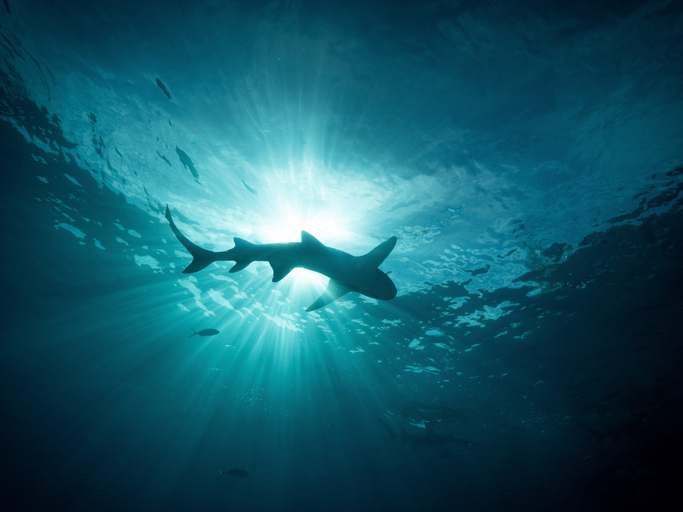
As the oceans absorb more carbon dioxide from the atmosphere, they become more acidic, which harms marine life. Coral reefs, known as the rainforests of the sea, are particularly vulnerable, facing bleaching events that can destroy entire ecosystems. A study by the National Oceanic and Atmospheric Administration (NOAA) warns that ocean acidification could lead to the collapse of fisheries and marine biodiversity. This is a direct threat to the millions of people who rely on the ocean for food and livelihood.
If seafood is a staple in your diet, this issue hits closer to home than you might think. The acidification affects shellfish, reducing their ability to form shells, which can lead to lower yields and higher prices. It’s not just about food; the oceans play a crucial role in regulating the earth’s climate. A disruption in marine ecosystems can have cascading effects on the planet’s health, making it crucial to address carbon emissions urgently.
6. Rise and Intensity of Droughts

Droughts are becoming more frequent and severe, impacting water supply and agriculture worldwide. When water is scarce, farmers struggle to irrigate their crops, leading to lower yields and increased food prices. This scarcity also affects hydroelectric power generation, which many regions rely on for renewable energy. If you’ve ever had to ration water during a drought, you know how challenging it can be to adapt.
The impact of droughts is not just economic; it’s deeply personal and affects everyday life. Restrictions on water use can lead to brown lawns, shorter showers, and higher water bills. The stress of living with less water can strain communities and lead to conflicts over resources. Addressing the root causes of climate change is essential to mitigate these impacts and ensure a sustainable water supply for future generations.
7. Expansion of Disease Carriers

As temperatures rise, disease-carrying insects like mosquitoes and ticks are expanding their range, leading to the spread of illnesses like malaria and Lyme disease. A report from the World Health Organization (WHO) indicates that climate change is a significant factor in the increasing incidence of vector-borne diseases. This means that diseases previously confined to tropical regions are appearing in more temperate climates. For you, this could mean more than just a bug bite.
In regions not accustomed to these diseases, healthcare systems may be unprepared to handle outbreaks, leading to higher infection rates and fatalities. This can also result in increased healthcare costs and a greater focus on preventive measures like vaccinations and mosquito control. It’s a reminder that climate change is not just an environmental issue but a public health crisis. Addressing climate change can help reduce the spread of these diseases and protect global health.
8. Devastating Loss of Biodiversity

Biodiversity is declining as habitat loss and changing climates force species to adapt, migrate, or face extinction. This loss disrupts ecosystems and reduces the earth’s resilience to environmental changes. For example, the decline in bee populations affects pollination, essential for fruit and vegetable production. Imagine a world where your favorite fruits and vegetables are no longer available or affordable.
The loss of biodiversity also affects cultural and recreational activities, as nature enthusiasts find fewer species to observe. It impacts industries like tourism, which rely on the beauty and diversity of ecosystems to attract visitors. Protecting biodiversity is not just about saving animals; it’s about preserving the intricate web of life that supports human existence. By protecting natural habitats and reducing emissions, we can help safeguard the planet’s biodiversity for future generations.
9. Increased Frequency of Wildfires

Wildfires are becoming more common and intense due to higher temperatures and prolonged droughts. These fires destroy homes, displace communities, and release massive amounts of carbon dioxide into the atmosphere. If you live near a forested area, you might have experienced the smoky air and constant threat of evacuation. The emotional and financial toll on communities affected by wildfires is devastating.
Beyond the immediate destruction, wildfires have long-term environmental impacts. They strip the land of vegetation, leading to soil erosion and reduced water quality. The loss of forests also means the loss of valuable carbon sinks that help mitigate climate change. Addressing the underlying causes of wildfires, such as land management practices and climate change, is essential to reduce their frequency and impact.
10. Freshwater Sources Under Threat

Climate change poses a significant threat to freshwater sources, which are crucial for drinking water, agriculture, and industry. Melting glaciers and altered precipitation patterns can lead to water shortages and conflicts over resources. If you’ve ever experienced water restrictions, you know how vital access to clean water is. It’s a resource we often take for granted, yet it’s becoming increasingly scarce.
The impact of dwindling freshwater sources extends beyond just personal use. It affects agriculture, leading to reduced crop yields and higher food prices. Industries that rely on water for production may face increased costs and disruptions. Addressing climate change is essential to protect these vital resources and ensure access to clean water for future generations.
11. Food Security Becoming Reality

Climate change directly threatens food security by affecting agricultural productivity and food distribution systems. Extreme weather events, such as floods and droughts, can destroy crops and disrupt supply chains. For people living in food-insecure areas, this can lead to hunger and malnutrition. Even in more developed regions, it can result in higher food prices and reduced availability of certain products.
The impact on food security is not just about access to food; it’s about nutrition and health. A lack of diverse food options can lead to deficiencies and diet-related diseases. It also affects economies, as agriculture is a significant source of employment and income in many regions. By addressing climate change and promoting sustainable agricultural practices, we can help ensure food security for all.
12. Disruption of Ocean Currents

Ocean currents, like the Gulf Stream, play a crucial role in regulating the earth’s climate. Climate change is disrupting these currents, leading to unpredictable weather patterns and affecting marine ecosystems. If you’ve ever lived near the coast, you know how important these currents are for regulating temperature and weather. The disruption of ocean currents can lead to more extreme weather events and changes in marine biodiversity.
The impact of disrupted ocean currents extends beyond just coastal regions. It can affect global weather patterns, leading to more frequent and intense storms, droughts, and heatwaves. It also affects marine life, as species that rely on specific water temperatures and conditions may struggle to survive. Addressing climate change is essential to protect these vital ocean systems and maintain the earth’s climate balance.
13. Fall of Global Economies

Climate change is not just an environmental issue; it’s an economic one. The impacts of climate change, such as extreme weather events and resource scarcity, can lead to economic instability and increased costs. Industries that rely on natural resources, such as agriculture and fisheries, are particularly vulnerable. For you, this might mean higher prices for goods and services and increased insurance premiums.
The economic impact of climate change is not just about costs; it’s about opportunities. The transition to a low-carbon economy presents opportunities for innovation and investment in renewable energy and sustainable practices. By taking action to mitigate climate change, we can protect global economies and create a more sustainable future. It’s a challenge that requires collaboration and commitment from businesses, governments, and individuals alike.
14. Exacerbated Global Inequality

Climate change exacerbates global inequality, as vulnerable communities bear the brunt of its impacts. These communities often have fewer resources to adapt and recover from climate-related events, leading to increased poverty and displacement. If you live in a more developed region, it might feel like a distant issue, but global inequality affects everyone. It can lead to increased migration, political instability, and conflict over resources.
Addressing global inequality requires a holistic approach that considers social, economic, and environmental factors. It’s about ensuring all people have access to the resources and opportunities they need to adapt to a changing climate. By promoting climate justice and supporting vulnerable communities, we can create a more equitable and sustainable world. It’s a challenge that requires global cooperation and a commitment to leaving no one behind.


