

Flight attendants are the unsung heroes of the skies. These chic professionals spend their days ensuring you have a safe and comfortable journey, and a little courtesy goes a long way. While it might be tempting to vent your frustrations or ask a million questions, some comments are better left unsaid. Here are 13 sentences you should never say to a flight attendant is you want to master air travel etiquette.
1. “Can You Help Me Stow My Bag?”
Asking a flight attendant to help stow your bag might seem like a small request, but it can be more complex than you think. Remember, they’re there to ensure passenger safety, not act as personal baggage handlers. Airlines have clear policies about carry-on luggage, and it’s your responsibility to lift and store your items correctly. This request can potentially distract them from ensuring a smooth boarding process for everyone.
According to a study by the Association of Flight Attendants-CWA, flight attendants are trained to prioritize safety tasks over customer service when necessary. This includes monitoring the cabin for security threats, managing emergencies, and maintaining order. By respecting their primary focus on safety, you’re contributing to a more efficient and secure travel environment. Keep your requests reasonable and respectful, and they’ll be more available when help is genuinely needed.
2. “Do You Have Any Free Upgrades?”

Requesting a free upgrade from a flight attendant is akin to asking a waiter for a free steak dinner — it’s not within their control. Airlines have strict guidelines on seating upgrades, often based on loyalty programs or fare class. Putting a flight attendant on the spot can be awkward and puts them in a position where they have to say no. Instead of asking for something free, focus on how you can make the most of your current seating situation.
Flight attendants appreciate passengers who understand their limitations and respect the boundaries of their roles. They’re more likely to offer small comforts within their power when passengers are appreciative and understanding. If you’re looking for ways to improve your travel experience, consider enrolling in frequent flyer programs or checking for upgrades through official channels before your flight. This way, you’re not only respecting the attendants but also setting realistic expectations for your journey.
3. “Why Is This Flight So Delayed?”

Demanding an explanation for flight delays from a flight attendant is unlikely to yield satisfying answers. The reasons behind delays are often complex and involve multiple departments beyond the attendants’ control. Weather conditions, air traffic, and technical issues all play a part, and flight attendants usually receive the same updates as passengers. Instead of directing your frustration at them, consider the broader picture and the safety measures these delays ensure.
As Sarah Nelson, international president of the Association of Flight Attendants, notes, delays are frustrating for everyone involved, including the crew. Their main goal is to see you arrive safely, even if it means waiting longer than planned. By maintaining a patient and understanding demeanor, you’re helping them focus on delivering a safe and pleasant flight. Patience and kindness can turn a potentially tense situation into a more manageable one for all parties.
4. “Can You Watch My Kids While I Use the Bathroom?”
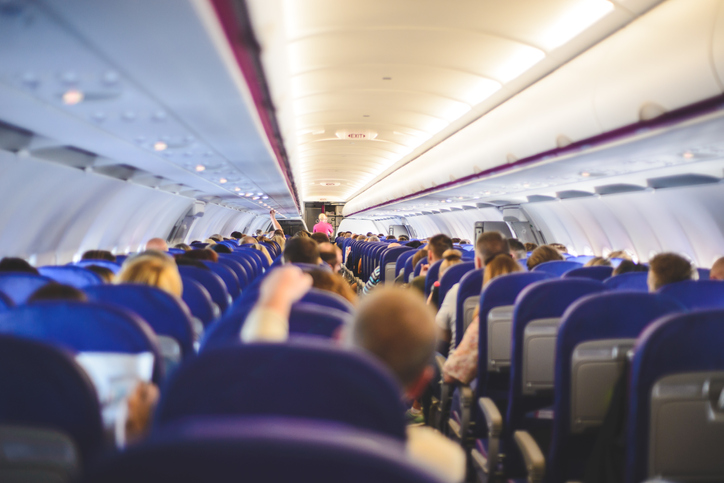
Requesting a flight attendant to babysit while you step away is crossing a boundary they simply cannot accommodate. Their attention is required across the entire cabin, looking out for safety and service issues, not focusing on individual childcare needs. Placing them in such a position can distract from their primary responsibilities. It’s important to plan ahead and, if necessary, seek assistance from another passenger you trust.
Flight attendants are trained in first aid and emergency procedures, but not in childcare. Their role is to ensure everyone’s safety and comfort, which involves keeping a watchful eye on the entire cabin. By respecting their responsibilities, you’re ensuring a safe and efficient experience for everyone on board. If you’re traveling with young children, consider strategies like bringing entertainment or enlisting the help of a fellow traveler when needed.
5. “Can You Make the Plane Warmer/Colder?”

The cabin temperature is a frequent source of contention among passengers, but flight attendants don’t have direct control over this setting. Temperature adjustments are typically managed by the cockpit or pre-set for optimal aircraft performance. Instead of demanding a change, consider dressing in layers to better regulate your personal comfort. This proactive approach minimizes discomfort without burdening the crew with an unfeasible request.
A report from the International Air Transport Association (IATA) highlights that temperature regulation in flight is complex and a compromise between safety, efficiency, and comfort. Aircraft systems are designed to operate within specific parameters, and even slight adjustments can impact the overall environment. By dressing appropriately and using personal temperature management strategies, you’re ensuring a more pleasant flight experience without unnecessary frustration. Flight attendants typically appreciate passengers who take initiative in ensuring their own comfort.
6. “Can You Ask That Passenger to Switch Seats with Me?”

Requesting a seat change via a flight attendant can cause unnecessary tension between passengers. If you’re hoping to switch seats, it’s generally best to approach the other passenger directly and politely. Flight attendants are there to ensure a smooth journey for everyone, not to mediate personal seating preferences. Taking the initiative yourself can lead to a more amicable and speedy solution.
Flight attendants are often occupied with safety checks and service duties, making them less available to handle personal seating arrangements. By addressing seating requests directly with fellow passengers, you’re respecting the crew’s time and focus. Many passengers are open to swapping if approached kindly and reasonably. Solving seating preferences independently fosters a cooperative atmosphere and demonstrates respect for both the crew and fellow travelers.
7. “Why Is the Wi-Fi So Slow?”

In-flight Wi-Fi remains a marvel of modern technology, but it’s not without limitations. Asking flight attendants to troubleshoot slow internet connections won’t yield results, as they have no control over bandwidth or connectivity issues. Satellite connections are complex, subject to numerous variables, and are managed by third-party providers. Instead of voicing frustrations, consider using the time to disconnect and enjoy a rare digital detox.
According to a report by the Airline Passenger Experience Association, in-flight Wi-Fi is often limited by available bandwidth shared among all passengers. This shared connection means speeds can vary significantly based on usage. Flight attendants have no influence over these factors, so directing complaints at them is misplaced. Accepting these limits and managing expectations can enhance your travel experience without causing unnecessary stress for yourself or the crew.
8. “Are We Going to Crash?”

Joking or inquiring about potential crashes can create unnecessary panic and stress for both passengers and crew. Flight attendants are trained to maintain a calm and orderly environment, and such comments can disrupt their efforts. Air travel is statistically one of the safest modes of transportation, and crew members are highly trained to handle emergencies. Focus on trusting their expertise and maintaining a positive atmosphere.
Comments about crashing can alarm nearby passengers and potentially escalate a situation that requires careful management. Instead of making such remarks, consider expressing any fears or anxieties to the crew in a calm and private manner. They can often provide reassurance and information to ease your concerns. By fostering a calm environment, you’re contributing to everyone’s comfort and safety, including your own.
9. “Can You Get This Flight to Depart Sooner?”

Requesting an earlier departure time is not within the purview of flight attendants. Departure times are dictated by a complex network of schedules, air traffic control, and operational logistics. Asking a flight attendant to expedite this process adds unnecessary stress to their duties. Instead, trust that the crew is committed to departing as soon as safely possible.
Flight schedules involve coordination among many parties, including pilots, ground crew, and air traffic controllers. Flight attendants have no control over these logistics, and pressing them on the issue won’t change the circumstances. By exercising patience and understanding the intricacies of air travel, you’re respecting the crew’s efforts and helping to maintain an efficient and safe operation. A little patience goes a long way in making your journey more pleasant.
10. “Why Can’t I Use My Phone During Takeoff?”
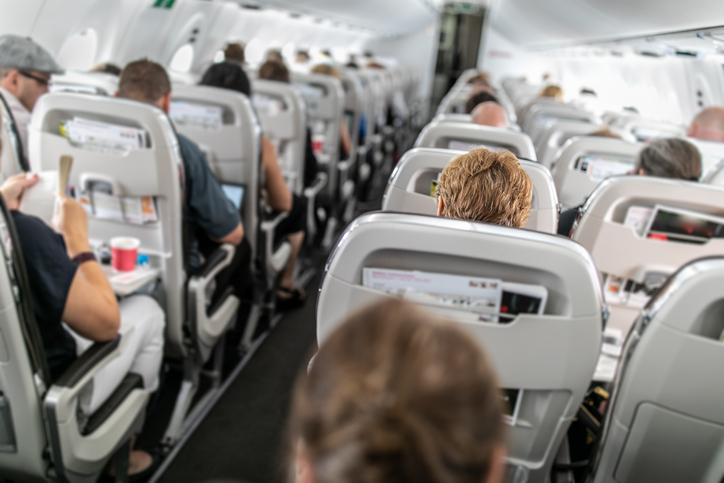
Complaining about electronic device restrictions during takeoff and landing disregards important safety protocols. These rules are in place to ensure passenger safety, as electronic interference could potentially impact aircraft systems. Flight attendants enforce these regulations for everyone’s protection, and questioning them puts unnecessary pressure on the crew. Instead, appreciate the opportunity to unplug for a few moments and focus on the journey ahead.
The Federal Aviation Administration (FAA) mandates these restrictions, and flight attendants are simply enforcing crucial safety measures. By complying with these regulations, you’re contributing to a safer environment for both passengers and crew. Understanding the rationale behind this rule helps you appreciate the importance of following it. A respectful approach to safety protocols demonstrates consideration for all passengers on board.
11. “Can You Hold the Plane for My Friend?”

Asking a flight attendant to delay departure for someone running late is a request they can’t accommodate. Flight schedules are tightly coordinated with numerous factors, including gate availability and air traffic control. Interfering with these schedules can cause significant disruptions and impact more than just your flight. It’s crucial to understand the broader implications and respect the established timeline.
Delays often have a cascading effect on both passengers and airline operations. A flight attendant’s primary responsibility is ensuring an on-time and safe departure, and they lack the authority to alter the schedule. Instead of requesting personal favors, plan ahead to ensure you and your companions arrive promptly. By respecting the crew’s focus, you’re contributing to a smoother travel experience for everyone.
12. “Can You Give Me a Massage?”

Requests for personal services like massages are inappropriate and can make flight attendants uncomfortable. Their role is to ensure safety and provide standard customer service, not personal pampering. Such requests divert attention from their primary responsibilities and create an awkward situation. Instead, consider self-care strategies that don’t involve the crew.
Airlines provide amenities designed to enhance passenger comfort, but personal boundaries must always be respected. Flight attendants are professionals, and treating them as such is essential to maintaining a respectful atmosphere on board. Bringing your own travel pillow or neck massager can help you manage comfort independently. By fostering an environment of mutual respect, you’re contributing to a more pleasant journey for everyone.
13. “Can You Turn This Plane Around?”
Demanding a course change or turnaround is not a feasible request for flight attendants. Aircraft routes are pre-determined by air traffic control and are not subject to in-flight alterations based on passenger whims. Such a request creates unnecessary tension and misunderstands the complexities of flight operations. Instead, focus on arriving at your destination safely and appreciating the journey.
Flight paths are carefully planned to ensure efficiency and safety, involving coordination among multiple agencies. Flight attendants have no role in altering these routes and addressing such demands disrupts their ability to focus on their duties. By respecting the established course, you’re allowing the crew to concentrate on providing a safe and enjoyable flight. Embracing the adventure of travel means understanding and appreciating the efforts that go into making it possible.


