

Cutting your power bill in half might sound like a lofty goal, but with the right strategies, it’s entirely achievable. Energy efficiency isn’t just for the eco-conscious—it’s a smart financial move that benefits everyone. Whether you’re a homeowner or renting an apartment, these practical tips will help you save money while being kinder to the planet.
1. Switch to LED Lighting
Switching to LED lighting is one of the simplest upgrades you can make. LEDs use approximately 75% less energy than incandescent bulbs and last 25 times longer, according to the U.S. Department of Energy. This means you’ll not only save on your power bill but also on replacement costs. Plus, they come in a variety of colors and styles, so you won’t have to compromise on aesthetics.
When you replace traditional bulbs with LEDs, you’re investing in long-term savings. It might seem like a small change, but it adds up significantly over time. Imagine cutting your lighting costs dramatically without even noticing a difference in brightness. That’s what LEDs offer—a win-win for both your wallet and the environment.
2. Optimize Your Thermostat

Your thermostat can be your best friend or your biggest enemy when it comes to energy savings. Investing in a programmable or smart thermostat can help you save as much as 10% a year on heating and cooling, according to Energy.gov. By setting it to automatically adjust the temperature when you’re asleep or away, you avoid unnecessary energy use. It’s like having a personal assistant who adjusts your home’s climate to perfection without you lifting a finger.
Getting into the habit of using your thermostat wisely is crucial. Even setting your thermostat a few degrees lower in the winter and higher in the summer can make a significant difference. Layer up with cozy sweaters or use fans strategically to stay comfortable. This simple habit lets you take control of your energy use without sacrificing comfort.
3. Unplug Idle Electronics

Did you know that household electronics continue to draw power even when they’re turned off? This phenomenon, often referred to as “phantom load” or “vampire power,” can account for up to 10% of your home’s energy use, according to the Lawrence Berkeley National Laboratory. By unplugging devices when they’re not in use or using power strips to easily switch them off, you can reduce this waste significantly. It’s a small habit that leads to noticeable savings over time.
Consider this: every gadget you leave plugged in is like a tiny drip of water from a leaky faucet—small, but it adds up. Make it a routine to unplug chargers, TVs, or gaming consoles when you’re done. If that sounds like too much hassle, smart power strips can do the job for you automatically. This simple step is an easy win in the fight against high energy bills.
4. Seal Windows and Doors

Drafty windows and doors are notorious energy thieves. They let warm air escape in winter and cool air vanish in summer, forcing your HVAC system to work overtime. By sealing gaps with weatherstripping or caulk, you can improve your home’s insulation. It’s a straightforward, cost-effective project that pays off in lower energy bills and increased comfort.
You might not realize how much energy is slipping through those tiny cracks. Conduct a draft test by holding a lit incense stick near edges on a windy day and watch for smoke movement. If it flickers, you’ve found a leak. Addressing these small issues can lead to big savings and a more pleasant living environment.
5. Upgrade to Energy-Efficient Appliances

One of the most impactful changes you can make is upgrading to energy-efficient appliances. Look for the ENERGY STAR label, which ensures the product meets energy-saving guidelines set by the U.S. Environmental Protection Agency. According to the EPA, ENERGY STAR-certified appliances can reduce your energy bills by up to 30%. This investment will pay for itself over time through lower utility costs and increased home resale value.
Old appliances are often energy hogs, costing you more than you realize. When it’s time to replace, opt for models that use less energy without compromising on performance. From refrigerators to washing machines, there’s a wide range of efficient options available. You’ll enjoy the dual benefits of reduced bills and a smaller carbon footprint.
6. Use Ceiling Fans Strategically

Ceiling fans can be a great supplement to your heating and cooling systems. In the summer, set them to spin counterclockwise to push cool air down and create a breeze. In winter, reverse the direction to clockwise at a low speed to circulate warm air that rises to the ceiling. This simple adjustment can make your home more comfortable and allow you to adjust your thermostat accordingly.
Fans don’t actually cool or heat rooms, so remember to turn them off when the room is empty. They’re all about personal comfort. Their ability to circulate air can let you set your thermostat higher in summer and lower in winter, reducing your reliance on more energy-intensive systems. It’s an effortless way to enhance your home’s efficiency.
7. Conduct a Home Energy Audit

A professional home energy audit can identify key areas where your home is losing energy. According to Energy.gov, an audit can help you save 5% to 30% on your energy bill by implementing suggested improvements. Auditors use tools like blower doors, infrared cameras, and surface thermometers to pinpoint inefficiencies. This expert insight allows you to make targeted changes for maximum impact.
While you can do a basic self-assessment with online guides, hiring a professional provides a comprehensive picture. They’ll detail which areas need attention, whether it’s poor insulation or inefficient appliances. Equipped with this knowledge, you can prioritize upgrades that will yield the best return on investment. It’s an upfront cost with long-lasting benefits to your energy savings.
8. Maximize Your Natural Light

Natural lighting is a free resource that can dramatically cut your lighting costs. By opening blinds and curtains during the day, you reduce the need for artificial lighting, thus saving energy. Moreover, exposure to natural light has been linked to improved mood and productivity. It’s a win-win situation that brightens your home and lightens your power bill.
To maximize this benefit, arrange your workspace or living areas to make the most of available sunlight. Consider using mirrors strategically to reflect light into darker corners. Not only does this reduce your energy consumption, but it also creates a warm, inviting atmosphere. Embracing the sun’s rays is one of the easiest and most pleasant ways to lower your energy usage.
9. Insulate Your Water Heater

If your water heater feels warm to the touch, it’s losing heat and wasting energy. Installing an insulating jacket can reduce heat loss by 25% to 45%, according to the U.S. Department of Energy, and can save you 7% to 16% on your water heating costs. This is especially important if your heater is in a cold area like a basement or garage. It’s a low-cost improvement that delivers substantial savings over time.
In addition to insulation, consider lowering your water heater’s temperature to 120°F. This temperature is typically hot enough for household needs and can prevent scalding. Combining these changes leads to a more energy-efficient system, cutting down on wasted energy and saving you money. It’s a simple project that yields significant returns on your investment.
10. Use Cold Water for Laundry

Washing clothes in cold water can significantly reduce your energy consumption. Heating water accounts for a significant portion of the energy used in a wash cycle. Modern detergents are designed to work efficiently in cold water, ensuring your clothes come out clean and fresh. Plus, cold water is gentler on fabrics, helping your clothing last longer.
Switching to cold water is an easy habit to adopt. It’s as simple as adjusting your washing machine settings, and the energy savings can be substantial. You’ll also be doing your wardrobe a favor by preserving fabrics and colors. This eco-friendly practice is a no-brainer for both your home and the planet.
11. Maintain Your HVAC System
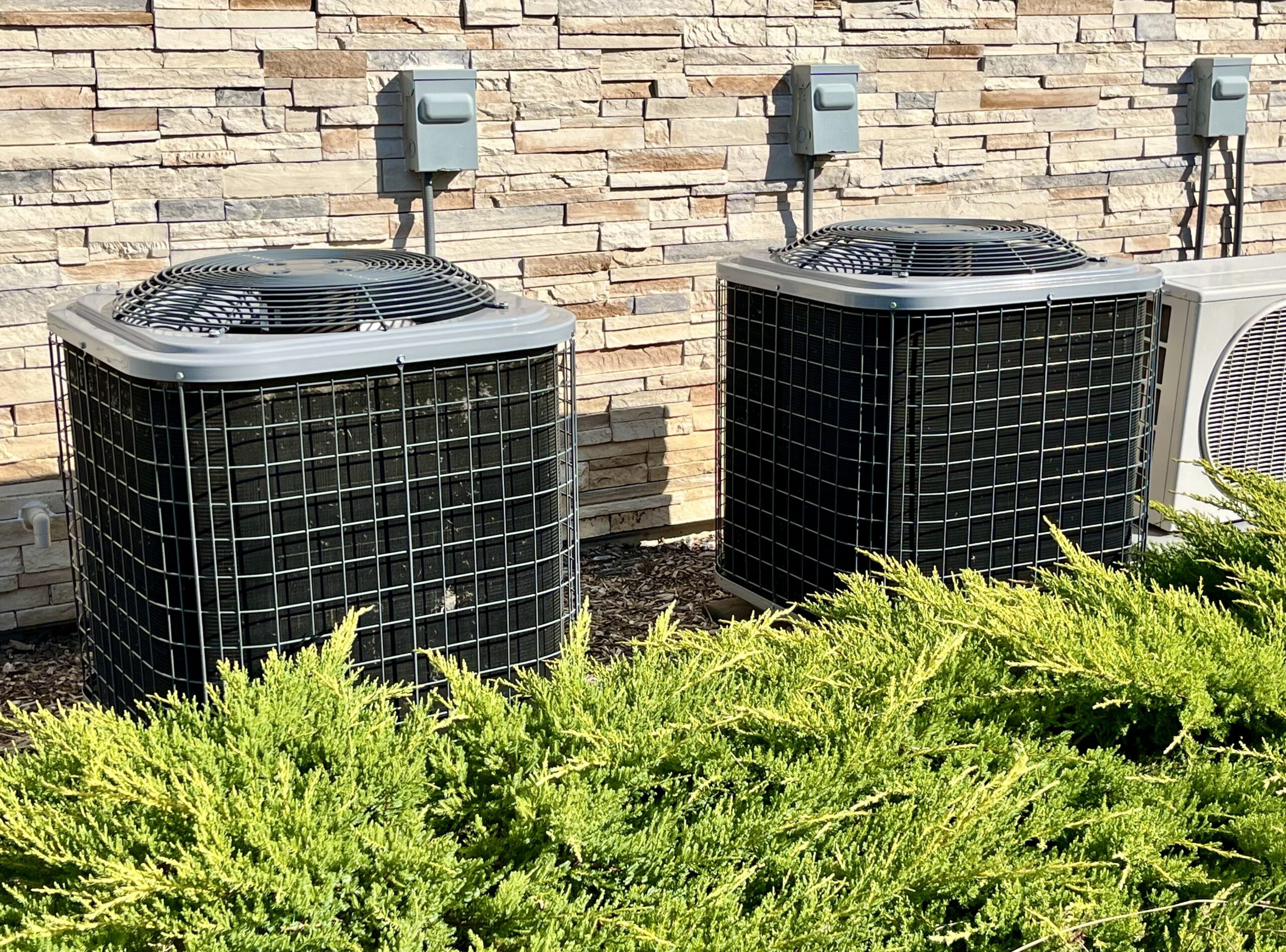
Regular maintenance of your heating, ventilation, and air conditioning (HVAC) system ensures it runs efficiently. Changing air filters every few months and scheduling annual professional check-ups can prevent costly malfunctions. A well-maintained system doesn’t have to work as hard, using less energy and prolonging its lifespan. It’s a proactive approach that keeps your home comfortable and your energy bills manageable.
Ignoring routine HVAC care can lead to inefficiencies and higher costs. Dirty filters and faulty parts force your system to use more energy, raising your utility bills. Routine maintenance might seem like an added expense, but it’s an investment that pays off by avoiding larger repair costs down the line. It’s about ensuring peak performance and maximum savings.
12. Make Smart Cooking Adjustments

Your kitchen is a prime spot for energy savings. Use lids on pots to speed up cooking, and match pot sizes to burners to avoid wasted heat. When possible, opt for microwaves or toaster ovens over traditional ovens, as they use significantly less energy. Additionally, consider batch cooking to make the most of your oven’s energy output.
Cooking smart is about making the most of the energy you use. By making small adjustments, you can reduce your kitchen’s energy consumption without compromising your culinary creations. Besides energy savings, these habits often lead to quicker meal prep and less hassle. It’s about thinking efficiently and making your kitchen work for you.
13. Give Your Refrigerator and Freezer Attention
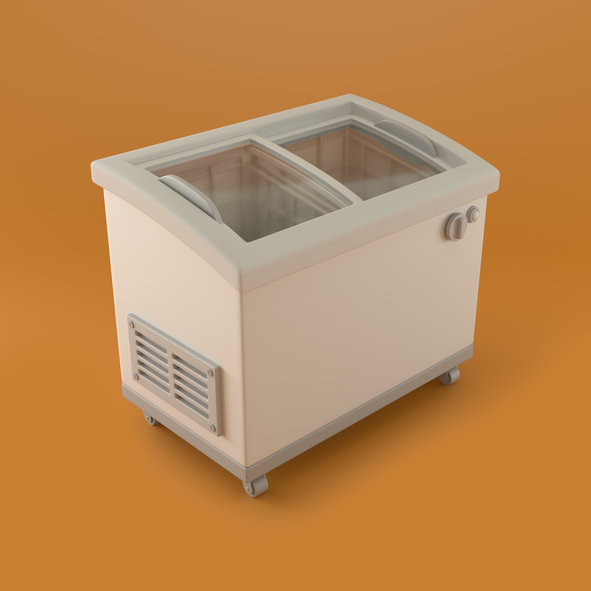
Your refrigerator and freezer are among the biggest energy consumers in your home. To maximize their efficiency, keep them full but not overcrowded, as proper air circulation is key. Clean the coils regularly to help the unit run smoothly and set the temperature to the recommended settings (around 37°F for the fridge and 0°F for the freezer). These tweaks ensure your appliances don’t work harder than necessary.
Keeping an eye on your fridge’s energy use can result in noticeable savings. Simple actions like closing the door quickly and organizing food for easy access can prevent unnecessary energy use. Paying attention to maintenance and usage habits helps your fridge perform optimally, saving energy and extending its lifespan. It’s a practical strategy for cutting down on one of your home’s biggest energy drains.


