

Long before Twitter threads, Reddit exposés, and viral TikToks, history was already full of scandals so explosive they would’ve crashed the internet if it had existed. Affairs, betrayals, political cover-ups, and royal meltdowns—these stories had all the drama of today’s headlines, just without the hashtags.
From secret love affairs that nearly toppled empires to shocking crimes that rewrote public trust, these moments remind us that humanity has always loved a good scandal. Here are 13 historical controversies so wild, messy, and captivating, they would’ve dominated every timeline if they happened today.
1. The Diamond Necklace Drama
In the late 18th century, a scandal erupted in France involving Queen Marie Antoinette, a luxurious diamond necklace, and a cunning con artist named Jeanne de La Motte. Jeanne orchestrated a scheme to acquire the necklace by impersonating the queen, tarnishing Marie Antoinette’s already fragile reputation. The public, already discontent with the monarchy, seized on this scandal as proof of royal decadence and mistrust. If this had happened today, you can bet social media would have been flooded with hashtags like #NecklaceGate and endless memes of Marie Antoinette and diamonds.
Historian Simon Schama, in his book “Citizens: A Chronicle of the French Revolution,” argues that this scandal was a catalyst for the growing unrest that eventually led to the French Revolution. The affair highlighted the disconnect between the monarchy and the people, fueling the already simmering revolutionary sentiments. With today’s media landscape, the scandal would have not only tarnished personal reputations but potentially sped up the revolutionary timeline. The internet would have had a field day dissecting every twist and turn of the plot, and the memes alone might have made Marie Antoinette the least envied queen in history.
2. The Sex Scandal of Lord Byron

Byron was the original rockstar poet of the 19th century, known as much for his flamboyant lifestyle and scandalous love affairs as for his literary genius. When rumors of his relationships — including an alleged incestuous affair with his half-sister — surfaced, it was nothing short of a societal earthquake. His passionate, yet turbulent love life was the stuff of gossip columns, and his eventual exile from Britain was akin to a celebrity fall from grace. In today’s world, Byron’s affairs would dominate tabloid headlines and Twitter threads, with #ByronDrama trending worldwide.
Byron’s notoriety wasn’t just confined to gossip; it influenced his work and the Romantic Movement at large. Despite the scandal, he continued to be celebrated for his poetic contributions, a testament to the complex nature of celebrity and art. Literary critics have long debated the interplay of Byron’s personal life with his creative output, suggesting that his tumultuous relationships enriched his poetry. The digital age would have amplified both the adoration of his fans and the scorn of his critics, creating a social media storm of conflicting opinions and analyses.
3. The Dreyfus Political Scandal

The late 19th-century Dreyfus Affair was a political scandal that divided France and exposed deep-seated anti-Semitism within the military and society. Captain Alfred Dreyfus, a Jewish officer, was wrongfully convicted of treason, stirring widespread debate about justice and discrimination. The scandal played out over years, with the media heavily influencing public opinion. Today, the internet would likely explode with debates on social justice, military corruption, and systemic prejudice, echoing the polarized opinions of the time.
The affair became a pivotal moment in French history, with Émile Zola’s famous open letter “J’accuse!” playing a crucial role in swaying public opinion and eventually leading to Dreyfus’s exoneration. Experts like historian Ruth Harris have noted how the Dreyfus Affair laid bare the fault lines in French society, influencing political and social reforms. In a digital era, Zola’s letter could become a viral post, inciting widespread online activism and perhaps speeding up the resolution. The case would be endlessly dissected in podcasts and YouTube analyses, bringing historical and modern perspectives to the forefront.
4. The Scandalous Life of Catherine the Great

Catherine the Great, the empress who modernized Russia in the 18th century, was no stranger to scandalous rumors. Her ascension to the throne was marked by the mysterious death of her husband, Peter III, fueling gossip about her involvement. Additionally, her numerous love affairs were fodder for courtly whispers and European tabloids. Imagine the frenzy if Twitter had existed, with conspiracy theories and #CatherineScandal trending as people speculated on her political and personal machinations.
Despite the rumors, Catherine’s reign was characterized by significant cultural and political advancements, transforming Russia into a major European power. Her story exemplifies the complex narrative of powerful women in history, often subjected to scrutiny over their personal lives rather than their achievements. Catherine’s intelligence and political acumen would likely be celebrated on platforms like LinkedIn, while her personal life would be meme material on Instagram. The dichotomy of her public and private persona would spark endless online debates about gender, power, and leadership.
5. The Teapot Dome Corruption

In the early 1920s, the Teapot Dome Scandal rocked America, revealing corruption at the highest levels of government. Secretary of the Interior Albert Fall secretly leased federal oil reserves to private companies in exchange for bribes, leading to a public outcry and Fall’s eventual conviction. The scandal was a major test for the Harding administration and for public trust in government. In today’s media landscape, this would have been a political firestorm, with investigative journalists and citizen sleuths sharing findings in real time.
The Teapot Dome Scandal has been frequently referenced as a benchmark for political corruption in the U.S., with its legacy enduring in political discourse. According to historian Robert W. Cherny, the affair highlighted the need for transparency and reform in government dealings. Social media platforms would have been abuzz with calls for accountability, while forums and comment sections would host heated debates over political ethics. The scandal would dominate news cycles, with every development dissected by pundits and public alike, making it a defining online phenomenon.
6. The Death of Amy Robsart

The mysterious death of Amy Robsart in 1560 became one of Tudor England’s most talked-about scandals. Amy, the wife of Robert Dudley, was found dead at the bottom of a staircase, leading to suspicions of foul play, particularly because of Dudley’s closeness with Queen Elizabeth I. The event cast a shadow over Elizabeth and Dudley’s relationship, with whispers of murder and ambition circulating among the public. In today’s terms, this would have dominated Reddit threads and conspiracy podcasts, with countless theories floating in the digital ether.
Despite various investigations, Amy’s death remains shrouded in mystery, with no concrete evidence to support any single theory. Historians have debated the possible motives and culprits, with some suggesting an accidental fall and others pointing to more sinister forces. The social media landscape would have been a hotbed for amateur detectives and history buffs alike, each presenting their own interpretations of the historical evidence. The combination of royal intrigue and an unsolved mystery would make for a viral sensation, captivating audiences worldwide.
7. The Profumo Affair

The Profumo Affair of the 1960s was a sensational British political scandal involving a cabinet minister, his young lover, and Cold War spies. John Profumo, the Secretary of State for War, had an affair with Christine Keeler, whose connections with a Soviet naval attaché raised concerns about national security. When the affair was exposed, it caused a media frenzy and led to Profumo’s resignation, shaking the government to its core. In the age of the internet, the scandal would have broken the web with a mix of political intrigue and celebrity drama.
The Profumo Affair had lasting implications for British politics, leading to increased scrutiny of public figures and contributing to the downfall of the Conservative government. According to journalist and author Richard Davenport-Hines, the scandal underscored the intersection of private indiscretions and public responsibilities. Online, every detail of the affair would be dissected, with debates about political accountability and personal privacy gaining traction. The story would dominate news sites and social media, with every revelation adding fuel to the digital firestorm.
8. The Divorce of Henry VIII
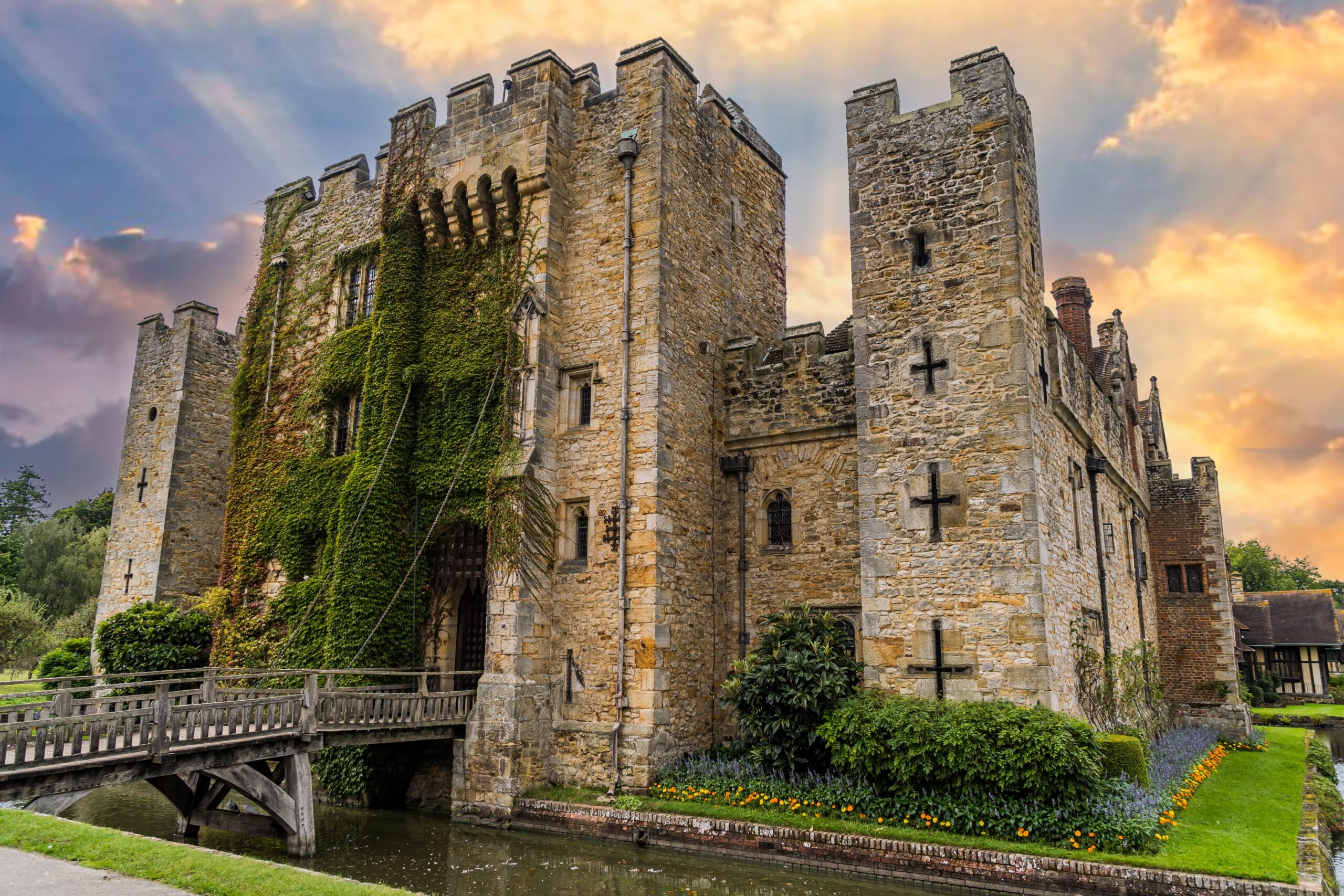
When Henry VIII sought to annul his marriage to Catherine of Aragon, it set off a series of events that changed the course of English history. The pope’s refusal to grant the annulment led Henry to break from the Catholic Church, establishing the Church of England in the process. This radical move was as much about personal desire as it was about political control, causing a ripple effect throughout Europe. Imagine the online debates and religious discussions that would ensue if this upheaval occurred today.
The divorce and subsequent marriage to Anne Boleyn were both scandalous and politically strategic, highlighting the complex interplay of love, power, and faith. Historians have long examined Henry’s motivations, often pointing to his obsession with producing a male heir. In a social media context, hashtags like #MonarchDrama and #TudorTensions would trend, with people weighing in on every aspect of the royal love triangle. The transformation of religious and political landscapes would spark discussions on the power dynamics of both the past and present.
9. The Murder of Thomas Becket

The murder of Archbishop Thomas Becket in 1170 sent shockwaves through medieval England and the entire Christian world. His assassination at Canterbury Cathedral, allegedly ordered by King Henry II, was a brutal reminder of the tensions between church and state. The event quickly turned Becket into a martyr, with pilgrims flocking to his shrine and his legacy enduring for centuries. In today’s digital age, the murder would become a global talking point, with debates about religious authority and political power lighting up the internet.
The conflict between Becket and Henry II was emblematic of larger struggles between clerical independence and royal authority. Scholars have explored the broader implications of Becket’s murder, noting its influence on church-state relations in England. Online, the event would inspire think pieces and historical analyses, with modern parallels being drawn by commentators and historians alike. The murder’s dramatic elements and its impact on history would make it a viral story, captivating audiences with its blend of intrigue and tragedy.
10. The Rise and Fall of Lucrezia Borgia

Lucrezia Borgia, the daughter of Pope Alexander VI, lived a life shrouded in scandal and mystery in Renaissance Italy. Her family was notorious for its ruthless ambition and political machinations, with Lucrezia often painted as a femme fatale involved in plots of murder and intrigue. While historians have debated the accuracy of these claims, the Borgia name remains synonymous with power and corruption. In today’s world, Lucrezia would be an internet sensation, her every move scrutinized and debated by online audiences.
Despite the rumors, Lucrezia was also a patron of the arts and played a significant role in the cultural developments of her time. Her legacy is a complex tapestry of truth and fiction, reflecting the intricate dynamics of the Borgia family’s influence. The internet would likely amplify both the myth and reality of her life, with fans and critics alike weighing in on her story. Lucrezia’s blend of scandal and sophistication would make her a multifaceted online figure, captivating the digital world with her enigmatic legacy.
11. The Mary Stuart Conspiracy

The life of Mary, Queen of Scots, was fraught with drama, including a plot to overthrow Queen Elizabeth I of England. Imprisoned for years, Mary became the focal point of Catholic conspiracies to replace the Protestant Elizabeth. The Babington Plot ultimately led to Mary’s execution, a decision that was as controversial as it was politically expedient. In a contemporary setting, the conspiracy would ignite social media, with debates over royal legitimacy and religious conflict taking center stage.
Mary’s execution marked a turning point in English history, solidifying Elizabeth’s reign but also casting a long shadow over her legacy. The intrigue surrounding Mary has inspired countless interpretations in literature and film, each exploring themes of power, loyalty, and betrayal. Online, forums and comment sections would buzz with theories and historical parallels, engaging users in lively discussions about the past and its ongoing impact. The story of Mary Stuart would resonate across digital platforms, capturing the imagination of history enthusiasts and casual observers alike.
12. The Sale of Indulgences

The Catholic Church’s sale of indulgences in the early 16th century became a major point of contention, sparking the Protestant Reformation. Martin Luther’s 95 Theses, which criticized the practice, quickly spread across Europe, challenging the authority of the Church. This religious upheaval had profound implications, reshaping the religious and political landscape of Europe for centuries. In the digital age, Luther’s theses would go viral, inspiring hashtags like #ReformationReform and igniting discussions on faith and reform.
The sale of indulgences highlighted broader issues of corruption and the Church’s role in society, prompting widespread calls for change. Historians have long examined the Reformation’s impact, noting its role in shaping modern religious and cultural identities. Online, Luther’s protest would spark debates on the nature of religious authority and the need for institutional accountability. The digital echo chamber would amplify both support and criticism, making the Reformation a trending topic across platforms.
13. The Trial of Oscar Wilde

Oscar Wilde’s trial in 1895 was a landmark moment in the history of LGBTQ+ rights, as the celebrated playwright faced charges of “gross indecency” due to his relationships with men. The trial exposed the harsh realities of Victorian society, where sexuality was repressed and conformity was demanded. Wilde’s conviction and subsequent imprisonment were sensationalized by the media, affecting his personal life and career. In today’s context, the trial would spark massive online debates about sexuality, freedom of expression, and societal norms.
Wilde’s story is a poignant reminder of the consequences faced by those who defy social conventions, and his legacy continues to influence discussions on identity and rights. Scholars and activists alike have recognized Wilde as a pivotal figure in the fight for LGBTQ+ acceptance and equality. On social media, his trial would be a catalyst for discourse, with advocates rallying for justice and equality, while critics engage in heated discussions. Wilde’s wit and eloquence would make him a beloved figure online, inspiring quotes and memes that celebrate his enduring influence.


