

America’s air traffic control system is one of the most complex on the planet—responsible for guiding nearly 45,000 flights and 2.9 million passengers every single day. But behind the calm voices in the control towers, the system is straining under the weight of aging technology, chronic understaffing, and decades of political neglect. What was once considered a gold standard of aviation safety is now showing cracks that could have serious consequences for travelers.
From outdated radar systems to burnout among controllers and near-miss incidents rising at an alarming rate, the problems go far beyond flight delays and cancellations. They point to a system stretched to its limits—and a looming crisis in America’s skies. Here are 13 major issues currently plaguing U.S. air traffic control, and why the stakes have never been higher.
1. Critical Staffing Shortages
You may have noticed longer wait times at airports, and it’s not just because of the crowds. There’s a significant shortage of air traffic controllers, which has led to delays and increased workload on the existing staff. In fact, the Federal Aviation Administration (FAA) reported that the U.S. has only about 80% of the controllers it needs. This gap strains the system and makes your already hectic travel experience even more unpredictable.
The shortage stems from a combination of an aging workforce and a complex certification process that takes years. According to a report from the Government Accountability Office, training a new air traffic controller can take up to three years. Until the FAA can streamline this process or attract more candidates, you’re likely to see continued delays. It’s a situation where patience becomes your most valuable travel companion.
2. Outdated Ineffective Technology

It’s baffling to think that in an age of smartphones and AI, air traffic control systems are still using technology from the 1970s. This outdated tech can’t handle the current volume of flights, leading to inefficiencies and safety concerns. Imagine trying to run a modern app on a decade-old computer — that’s essentially what controllers are facing. It’s a major headache for everyone involved, including you, the traveler, who just wants to get from point A to point B smoothly.
These aging systems are not just a technical issue; they’re a financial burden too. The cost of upgrading the entire network is enormous, and budget constraints have stalled progress. The FAA is gradually implementing NextGen technology to modernize the system, but the rollout is slow. Until then, you might find yourself stuck in a holding pattern, both literally and figuratively.
3. Unexpected Weather-Related Disruptions

Weather is one of those unavoidable factors that can throw a wrench into any travel plan. Unlike other issues, it’s not something you can fix — you can only adapt. Extreme weather events seem more frequent, causing more flight cancellations and delays. According to the National Oceanic and Atmospheric Administration, 2022 was a year of record-breaking climate phenomena, and this trend doesn’t appear to be changing.
Airports and airlines are investing in better forecasting tools to mitigate these impacts. Some have implemented AI systems to predict weather-related disruptions and reroute flights before chaos ensues. These technological advancements are promising, but they’re not foolproof. So, next time you’re grounded due to a storm, remember: it’s not personal; it’s meteorological.
4. Rising Fuel Costs

The price of jet fuel is skyrocketing, and it’s another factor squeezing the industry. This increase trickles down to you in the form of higher ticket prices and fuel surcharges. Airlines are grappling with how to balance these costs while still offering competitive fares. As a result, your wallet might feel lighter after booking a flight.
Fluctuating oil prices are a significant contributor to this issue. Airlines try to hedge against these increases by buying fuel in advance, but it’s a gamble with no guarantees. While some carriers are investing in more fuel-efficient aircraft, these upgrades take time and money. In the meantime, you might find yourself paying more for less luxury in the air.
5. Serious Security Concerns

If you’ve ever felt a pang of anxiety at the airport security line, you’re not alone. Heightened security measures are a constant reminder of the potential threats associated with air travel. According to a report by the Transportation Security Administration (TSA), the number of firearms detected at checkpoints reached a record high in recent years. It’s a sobering statistic that underscores the importance of security protocols, but also contributes to longer wait times and stress.
The TSA is continually updating its procedures to adapt to new threats while trying not to inconvenience you more than necessary. They’re incorporating advanced scanning technologies and biometric systems to streamline the process. Still, security is a delicate balance of thoroughness and efficiency. So, until these systems are perfected, prepare for lines and keep those boarding passes handy.
6. Increasing Passenger Volume
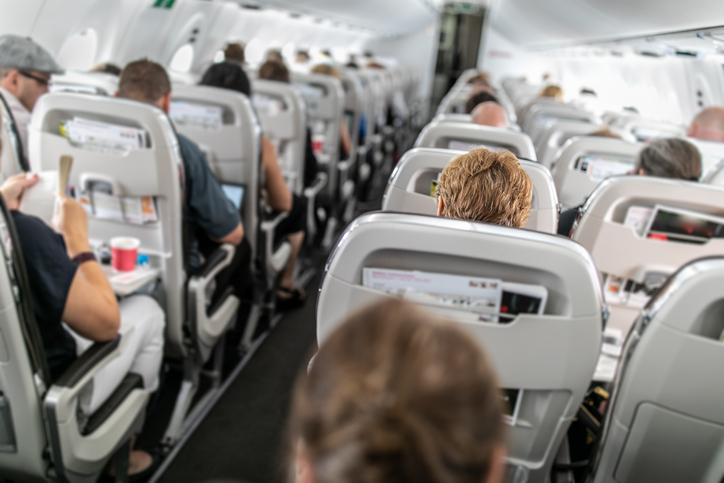
Air travel is more popular than ever, with passenger numbers reaching pre-pandemic levels and beyond. This surge is both a blessing and a curse for the aviation industry. While airlines enjoy increased revenue, the influx of travelers can lead to overcrowded airports, longer lines, and a more stressful experience for you. Airports are scrambling to expand and improve facilities to accommodate the influx.
Managing this growth requires substantial investment in infrastructure and staffing. Some airports are already implementing digital solutions like automated check-in kiosks and mobile boarding passes to ease congestion. However, these measures can only do so much when physical space is limited. Until expansion catches up with demand, you might need to pack an extra dose of patience along with your travel essentials.
7. Carbon Emission Concerns

Flying might offer a sense of freedom, but it comes with a hefty environmental cost. Aviation is a major contributor to greenhouse gas emissions, and as more people fly, the impact grows. A study from the International Council on Clean Transportation found that the aviation industry is responsible for about 2.5% of global CO2 emissions. This statistic is pushing airlines toward more sustainable practices.
Airlines are investing in alternative fuels and carbon offset programs to mitigate their environmental footprint. Some are exploring electric or hybrid aircraft, although these technologies are still in their infancy. As a traveler, you can support these efforts by choosing airlines with strong sustainability commitments. Remember, every little bit helps when it comes to preserving the only planet we’ve got.
8. Worrying Pilot Shortages

Finding enough qualified pilots is another hurdle for the aviation industry. The demand for flights has rebounded faster than the supply of trained pilots, creating a bottleneck. This shortage is partly due to mandatory retirement ages and insufficient training programs to replace the outgoing workforce. As a result, airlines are forced to cancel flights or reduce routes, affecting your travel options.
To combat this, some airlines are offering incentives and scholarships to attract new pilots. They’re also trying to streamline training processes without compromising safety standards. Despite these efforts, it takes time to train a pilot, and the problem won’t be solved overnight. Until then, flexibility might be your best friend when booking flights.
9. Disruptive Airline Mergers
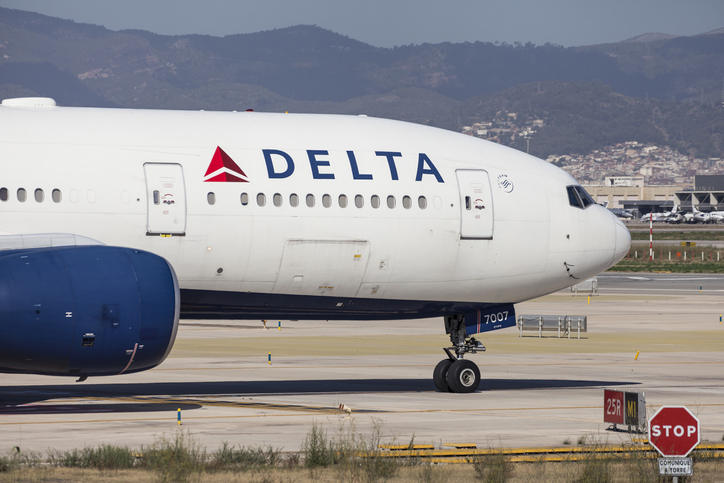
The wave of airline mergers might seem like a good idea on paper — more resources, streamlined operations. However, these amalgamations often lead to reduced competition, resulting in higher ticket prices for you. Fewer airlines mean fewer options, and that can limit your flexibility when planning trips. Plus, consolidating operations can lead to hiccups that affect customer service, making your journey less pleasant.
These mergers are driven by financial motives as airlines seek to cut costs and increase market share. While they promise improved efficiency and service, the reality is more complex. The transition period often involves logistical challenges and service disruptions. So, as airlines merge, keep an eye on developing benefits and drawbacks that might impact your travel experience.
10. Long Tarmac Delays

Few things test your patience like sitting on the tarmac with no idea when you’ll take off. Tarmac delays can result from a variety of factors, including staffing shortages, weather, and air traffic congestion. Though regulations require airlines to provide updates, that doesn’t make the waiting any easier. It’s frustrating when you’re eager to reach your destination, and you might feel trapped in a metal tube.
Airlines are working to minimize these delays by improving coordination with air traffic control and ramp operations. Some carriers are even using real-time data analytics to anticipate and address bottlenecks before they occur. While these advancements offer hope, tarmac delays remain a stubborn challenge. Next time you find yourself stuck, consider it an opportunity to catch up on that book you’ve been meaning to read.
11. In-Flight Connectivity Issues

Streaming your favorite show at 35,000 feet sounds like the dream, but in-flight Wi-Fi often falls short. Connectivity issues can leave you frustrated when you’re trying to work or pass the time on a long-haul flight. Some airlines are investing in satellite-based systems to improve coverage and speed. Still, the technology is expensive, and not all carriers can justify the cost.
You may notice that the quality of in-flight Wi-Fi varies widely between airlines and even aircraft types. While some flights offer seamless streaming, others struggle with basic browsing. Upgrading these systems is a slow process, and until then, you might need to rely on downloaded content. It’s a reminder that sometimes, even the skies have their digital dead zones.
12. Aircraft Maintenance Issues
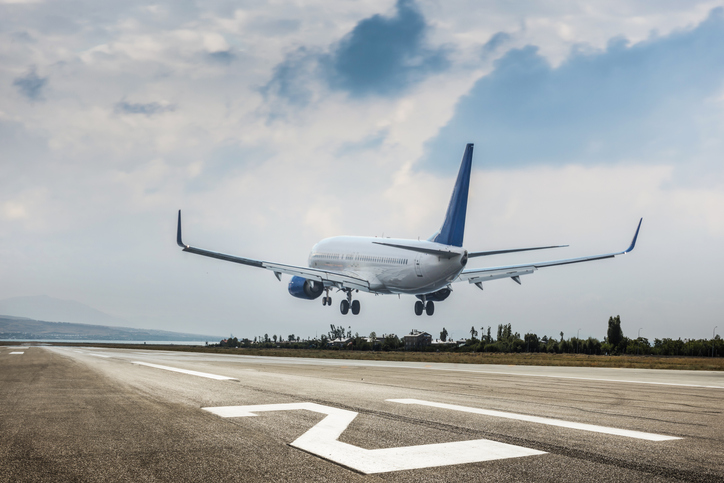
Every time you board an aircraft, you trust it’s been rigorously maintained for safety. But maintenance delays are becoming more common, leading to unexpected flight disruptions. With a backlog of repairs and inspections, airlines face the tough choice between grounding planes or risking passenger dissatisfaction. It’s a situation that leaves you stranded at the gate, wondering when you’ll finally get airborne.
The issue is partly due to supply chain disruptions making it difficult to source parts. Additionally, skilled maintenance personnel are in high demand, and staffing shortages exacerbate the problem. Airlines are investing in predictive maintenance technologies to identify potential issues before they become major repairs. While promising, these solutions take time to implement widely, so pack that extra snack just in case.
13. Bad Passenger Behavior

It seems like every week there’s a new viral video of unruly passenger behavior in the skies. From refusing to wear masks to altercations with flight staff, these incidents are more than just internet fodder — they’re safety hazards. The FAA reports a troubling rise in such cases, contributing to flight delays and diversions. As a fellow passenger, this behavior can make your flight uncomfortable, if not downright nerve-wracking.
Airlines are stepping up their policies to deal with disruptive passengers, including fines and potential bans. Cabin crews are trained to de-escalate situations, but there’s only so much they can do. As a traveler, staying calm and respectful goes a long way toward ensuring a pleasant journey for everyone. Remember, kindness is free and might even earn you a complimentary snack.


