

America loves to think of itself as a nation of innovation, speed, and shiny modern systems — but anyone who’s waited for a chronically late bus or driven through a city full of tire-eating potholes knows that’s only half true. Some U.S. cities are operating on infrastructure so outdated, overwhelmed, or neglected that it feels like living inside a real-time case study for “How Systems Collapse.” These cities aren’t just dealing with aging roads; they’re juggling crumbling bridges, failing public transit, unstable water systems, and energy grids that panic at the first sign of weather. Infrastructure isn’t glamorous, but it touches everything: safety, mobility, and whether a city can thrive or barely get by.
Here are the 13 cities struggling the hardest — and why residents are right to be frustrated.
1. Jackson, Mississippi
Jackson’s infrastructure issues have become infamous, especially after its repeated water system failures. A 2022 Government Accountability Office report found that the city’s water infrastructure is among the most vulnerable in the nation, with decades of underinvestment making it nearly impossible to stabilize. Residents deal with boil-water notices so often that it might as well be part of the city’s official motto. And the emotional toll of never knowing whether your tap water is safe is exhausting. This isn’t a crisis that came out of nowhere — it’s the result of years of neglect colliding with climate stress.
Beyond water, the city struggles with potholes the size of craters and aging drainage systems that buckle under heavy rain. The problems compound, creating a domino effect across public services. Even when temporary fixes happen, they rarely last long enough to feel meaningful. Jackson’s residents aren’t asking for luxury — they’re asking for basic reliability, and the system still can’t deliver.
2. New Orleans, Louisiana

New Orleans has always lived at the mercy of geography, but its infrastructure problems go far beyond natural vulnerability. The drainage pumps are aging, the roads crack and sink annually, and the energy grid struggles during even mild storms. The city’s infrastructure feels like a patchwork of repairs layered over old problems rather than long-term solutions. And the constant threat of flooding turns every major rainstorm into an anxiety event.
Transit and public services suffer too, slowed by funding issues and old equipment. Locals have adapted the way only New Orleans can — with humor and resilience — but it shouldn’t require personality to survive a city’s shortcomings. Even long-term residents admit the system feels stretched to the limit. And without major reinvestment, recovery won’t keep pace with decline.
3. Detroit, Michigan
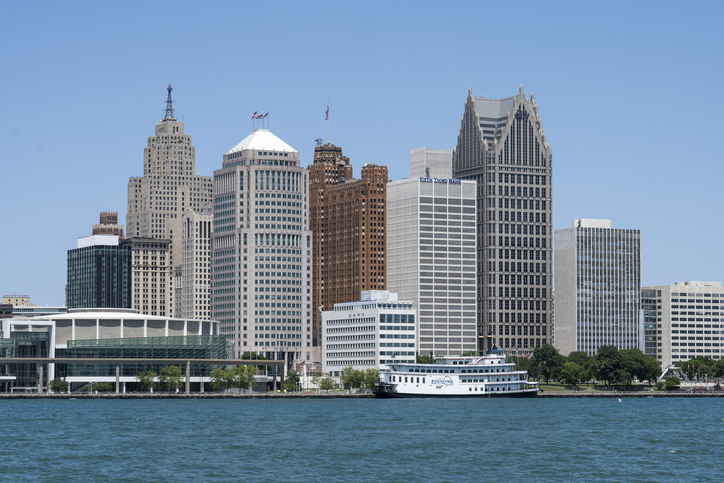
Detroit’s infrastructure was built for nearly double its current population, and researchers at the University of Michigan have found that oversized, aging systems create unique stress when a city shrinks. Water mains burst frequently, road quality swings from “irritating” to “hazardous,” and public transit coverage is among the lowest of major U.S. cities. The system simply wasn’t designed for its current reality. And the mismatch shows in daily life.
Power outages are common, especially during storms, creating constant uncertainty for residents. Maintenance is expensive and slow because of the city’s sprawl. And even with modern revitalization downtown, many neighborhoods still face decades-old infrastructure with no clear plan for modernization. Detroit’s resilience is iconic — but even resilience cracks when the system underneath it is this old.
4. Philadelphia, Pennsylvania

Philadelphia’s infrastructure feels like history blended with overwhelm. The roads are notoriously rough, the transit system is aging, and the water pipes date back to eras when horses outnumbered cars. Maintenance happens, but often too slowly to keep up with emerging problems. And residents feel the weight of a city operating on systems built for a different century.
Flooding has become a bigger issue, too, thanks to climate change and limited drainage capacity. SEPTA struggles with delays that feel baked into the schedule at this point. And many neighborhoods deal with water main breaks so frequently that they barely make the news anymore. Philly’s charm is undeniable — but nobody calls the infrastructure charming.
5. Honolulu, Hawaii

Honolulu might look like paradise, but experts at the American Society of Civil Engineers warn that its infrastructure is among the most stressed in the country due to isolation, the cost of materials, and exposure to the climate. The roads crumble faster from salt air, water systems require constant repairs, and the island’s geography complicates everything from waste management to storm preparation. Even small failures can snowball quickly because replacement parts and labor are expensive and slow to secure. And the entire grid feels like it’s one intense storm away from trouble.
Public transit also grapples with limited coverage, long delays, and rising maintenance costs. Locals often rely heavily on cars, worsening traffic congestion that infrastructure can’t handle. And while tourism dollars help the economy, they also push infrastructure to its limits. Honolulu is stunning — but its systems are stretched thin.
6. Boston, Massachusetts
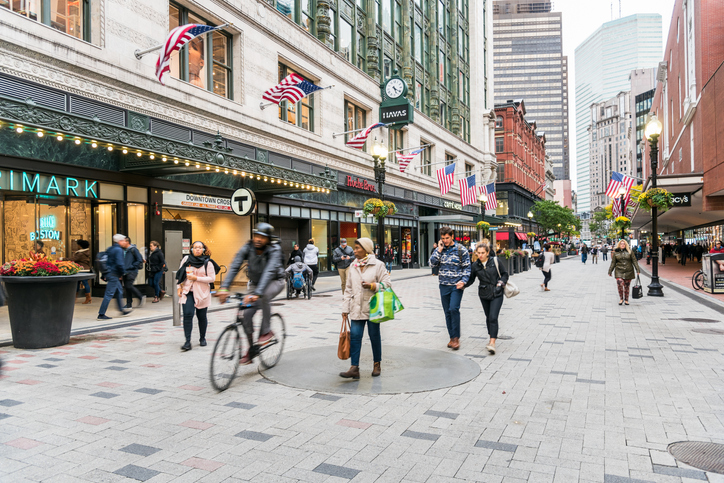
Boston’s biggest problem is that much of its infrastructure was built before electricity, let alone modern traffic. Narrow streets, aging tunnels, and old bridges create daily bottlenecks that frustrate even the most patient residents. The MBTA’s recurring shutdowns and derailments have practically become a New England tradition, though not the charming kind. And maintenance often feels reactive instead of visionary.
Climate change has intensified flooding in coastal neighborhoods, stressing drainage systems that were never designed for extreme weather. Water pipes burst regularly in winter, and road repairs seem to go on forever. Boston is a world-class city — but its infrastructure screams “19th century with 21st-century traffic.”
7. Cleveland, Ohio

Cleveland’s infrastructure problems run deep, with a combination of old water systems, industrial-era pipes, and aging transit routes creating constant strain. A study from the Brookings Institution found that cities with heavy industrial histories often face long-term infrastructure degradation that’s expensive to reverse, and Cleveland is a prime example. Sewer overflows are common, roads break down quickly, and the energy grid struggles during temperature extremes. Residents have long adapted to these issues, but frustration grows each year. The system feels tired.
Transit coverage is limited, making many neighborhoods difficult to access without a car. Flooding from Lake Erie winds pushes stormwater into overwhelmed drainage systems. And solutions move slowly because the problems are expensive and interconnected. Cleveland deserves modernization — but the pace hasn’t caught up to the need.
8. Pittsburgh, Pennsylvania
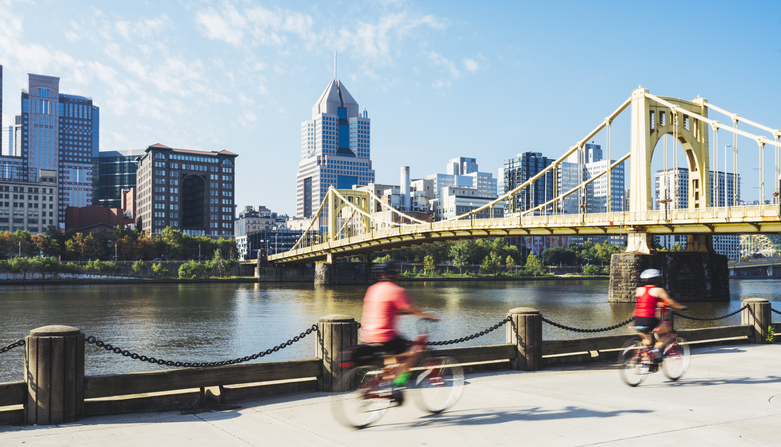
Pittsburgh’s roads and bridges are notoriously fragile, largely because of its hilly geography and river-filled layout. Sinkholes have swallowed buses, bridges have collapsed, and public transit sits on infrastructure that needs urgent attention. Maintenance is constant but never comprehensive enough. And residents navigate multiple detours on any given day.
The city’s water system also needs major upgrades, as old lead pipes are still in use. Weather fluctuations make everything worse, cracking roads and stressing the grid. And while Pittsburgh has reinvented itself culturally and economically, its infrastructure feels like it is leftover from an earlier era. The gap between progress and pavement is wide.
9. Baltimore, Maryland
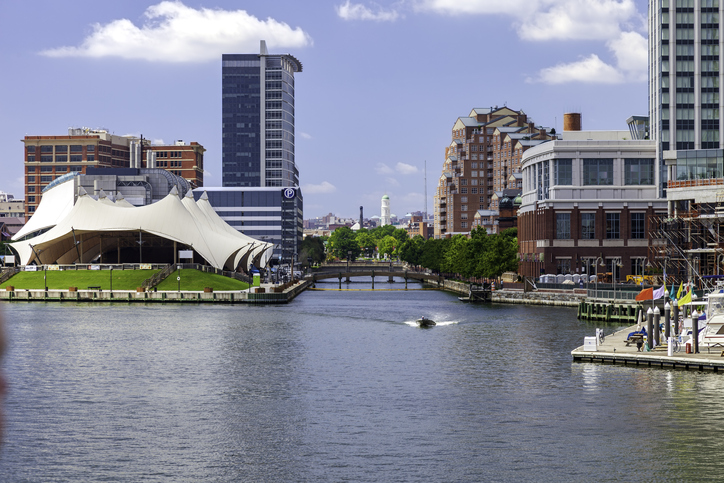
Baltimore deals with chronic water main breaks, aging sewer systems, and roads that feel like obstacle courses. Heavy rain triggers massive sewage overflows, and the repairs often take months instead of weeks. Public frustration is palpable, especially in neighborhoods that experience repeated disruptions. And the patchwork fixes rarely hold long enough.
Transit struggles with inconsistent coverage and delays, amplifying mobility challenges across the city. Meanwhile, the port infrastructure is under increasing stress from modern shipping demands. It’s a city full of cultural strength — but structurally, it creaks.
10. San Francisco, California

San Francisco’s infrastructure problems are a messy blend of aging systems, rising population pressure, and seismic vulnerability. Roads crack constantly, water pipes burst, and the transit network feels unreliable. The city’s hills complicate repairs, and earthquakes loom as an ever-present threat to stability. It’s a high-stress environment for a system already pushed to its limits.
Service disruptions feel constant — whether it’s BART delays, power outages, or blocked streets. And the cost of living makes residents even less patient with these problems. For a city known for innovation, the infrastructure feels surprisingly outdated. The contrast is impossible to ignore.
11. Memphis, Tennessee

Memphis struggles with road conditions, stormwater drainage, and the fragility of its water system. Every major rain event exposes the cracks in the city’s aging infrastructure. Potholes are so common that they’ve become part of the city’s identity. And maintenance budgets rarely match the scope of the problem.
Winter storms hit especially hard, overwhelming energy and water systems that aren’t built for extreme cold. Neighborhoods experience outages that last far too long. And residents are tired of living with unpredictability. Memphis needs investment — not temporary fixes.
12. Anchorage, Alaska

Anchorage faces challenges unique to its climate, geography, and isolation. Roads crack from freeze–thaw cycles, water pipes shift with ground movement, and shipments of repair materials take weeks to arrive. Extreme cold stresses every system simultaneously. And storms frequently cause outages that take longer than average to resolve.
Snow removal also strains city budgets and crews, slowing response times. Public transit is limited and difficult to maintain in rough winters. And climate change is warming the region, further stressing infrastructure. Anchorage’s problems are a constant tug-of-war with the environment.
13. St. Louis, Missouri

St. Louis struggles with sewer overflows, aging water pipes, and roads that need constant repair. Heavy rainfall can overwhelm drainage systems in an instant. And residents regularly deal with boil advisories and water pressure issues. It’s a cycle that feels never-ending.
Transit systems face delays and outdated equipment, and city budgets are stretched thin. The infrastructure lag weighs on residents’ daily lives, from commutes to utilities. St. Louis has heart — but its infrastructure needs help.


