

Freezing food can feel like magic; it preserves the life of your groceries and promises convenience for future meals. But before you start sticking everything in your freezer, remember that not all foods react kindly to subzero temperatures. Some items lose their texture, flavor, or freshness when frozen, making the eventual thaw a disappointing experience. Here are 13 things you should resist putting in your freezer, even when your instincts tell you otherwise.
1. Fresh Salad Greens
Freezing might seem like the perfect solution to wilting salad greens, but it’s not. The high water content in greens like lettuce, spinach, and arugula turns to ice, destroying their cell structure. The result is a mushy, unappealing texture once thawed, far from the fresh crunch you crave. This can render them useless for their primary purpose: salads.
Instead, consider using them in cooked dishes like soups or stews before they go bad. Cooking preserves their nutritional value while avoiding the problematic texture changes freezing causes. If you must save them for later, you can blend them into a smoothie. It’s about making the most of what you have without compromising quality.
2. Eggs in Their Shells

It might seem practical to freeze eggs before they spoil, but freezing them as-is is a no-go. The liquid inside the eggs expands as it freezes, which can cause the shells to crack. This not only creates a mess but also exposes the eggs to freezer burn and bacteria. When thawed, their texture and consistency can become off-puttingly rubbery.
If you do need to freeze eggs, crack them into a bowl and beat until well combined, then transfer them to a freezer-safe container. This preserves their functionality for future baking or cooking. Just remember that once frozen, eggs are best used in dishes where texture is less noticeable. It’s a simple switch that can save you from a kitchen nightmare later on.
3. Potatoes

Freezing raw potatoes might seem like an efficient way to prevent wastage, but it’s rarely a good idea. The high water content in potatoes forms ice crystals, disrupting their cellular structure. Thawed potatoes often become grainy or mushy, losing the texture that makes them so appealing. Additionally, they can take on a grayish hue, further diminishing their visual appeal.
According to the Idaho Potato Commission, cooked potatoes—such as mashed or twice-baked—freeze better than raw ones. They recommend adding a dash of cream or butter before freezing to maintain a smoother consistency. However, for the crispiest, most flavorful spuds, sticking to fresh is always the better choice. After all, no one wants a disappointing batch of French fries.
4. Soft Cheeses
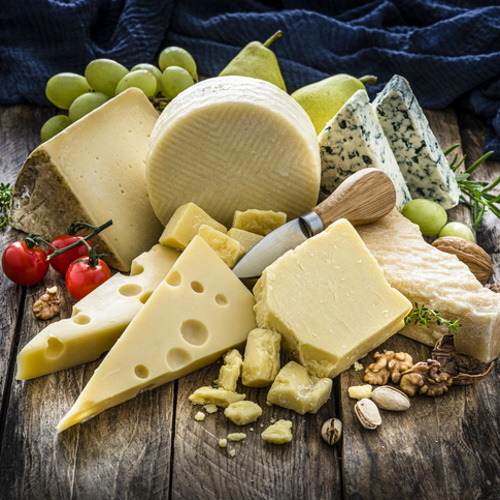
Freezing changes the texture of soft cheeses, and rarely for the better. Varieties such as Brie, Camembert, and cream cheese can become crumbly and lose their creamy texture when thawed. The flavor might remain intact, but the mouthfeel won’t. These cheeses are best enjoyed fresh, where their textures can be appreciated in all their gooey glory.
A better idea is to try incorporating these cheeses into cooked dishes before freezing. Melting it into a sauce or baking it into a savory dish can preserve its taste. You might lose a little bit of the original texture, but you’ll gain versatility in your meal planning. It’s a small sacrifice for maintaining cheese’s delicious potential.
5. Yogurt

Yogurt’s creamy texture takes a hit when you toss it in the freezer. It tends to separate, leaving you with a watery top layer and a chunky bottom layer once thawed. This change in consistency makes it less appealing as a standalone snack or breakfast component. While it may still be edible, it won’t be the same smooth delight.
A study by the Journal of Dairy Science suggests that freezing can alter the probiotic activity in yogurt, diminishing its health benefits. To keep both texture and nutrition intact, it’s better to consume yogurt fresh or use it in smoothies where texture changes are less noticeable. If freezing is unavoidable, consider using it in cooking, where texture isn’t as crucial. It’s a compromise, but one that saves you from an unpleasant breakfast surprise.
6. Fried Foods

Fried foods fresh from the fryer are irresistible, but their appeal doesn’t last in the freezer. The crispy coating that makes them so delicious turns soggy after freezing and thawing. The ice crystals that form during freezing seep into the coating, making it impossible to regain its original crunch. This can turn even the most perfectly fried chicken into a soggy disappointment.
If you must freeze fried foods, consider reheating them in an oven or air fryer to restore some of their crispness. However, they’ll never fully return to their original fried glory. Fresh is always best when it comes to enjoying the full sensory experience of fried meals. After all, you fry for a reason—why sacrifice that perfect crunch?
7. Coffee

Freezing coffee beans or ground coffee might seem like a smart way to preserve freshness, but it’s a misconception. The extreme cold can draw out moisture, leading to condensation when you thaw it, which can spoil the flavor. Coffee absorbs odors easily, so unless your freezer is impeccably neutral, your morning brew might end up tasting like last night’s leftovers. Moreover, fluctuating temperatures can cause coffee to lose its aromatic oils.
According to the National Coffee Association, it’s best to store coffee in a cool, dark place, in an airtight container. This helps maintain its flavor profile without risking the icy downsides of freezer storage. It might mean buying in smaller quantities, but the payoff is a consistently fresh cup. Trust us, your morning ritual deserves it.
8. Fresh Herbs

Throwing fresh herbs into the freezer seems like a clever way to extend their lifespan. However, when they thaw, you often end up with a mushy mess instead of the bright, delicate leaves you stored initially. Freezing causes the water content in herbs to expand, rupturing cell walls and resulting in a significant loss of texture. You can still use them in cooked dishes, but they’ll never regain their fresh, aromatic punch.
Experts at Fine Cooking emphasize that if you must freeze herbs, it’s best to chop them first and freeze in oil or butter inside an ice cube tray. This method locks in flavor while making it easy to add herbs to sautéed dishes. It’s a strategic compromise that saves some of the herbs’ essence, even if you lose a bit of versatility. Ultimately, fresh is always best when garnishing your meals.
9. Pasta

You might think freezing pasta is an excellent way to streamline meal prep, but it often leads to disappointment. Freezing and thawing can cause pasta to lose its al dente texture and become mushy. This is particularly true for softer pasta shapes, such as spaghetti or linguine. When you’re looking forward to a comforting bowl of pasta, a soggy mess can be quite the letdown.
The best approach is to freeze pasta separately from its sauce. This way, you can undercook it slightly before freezing so it doesn’t overcook when reheated. Sauces, especially those with a tomato or cream base, tend to freeze well and can bring life back to the pasta when combined. It’s an extra step, but one that ensures your dinner is as satisfying as you envisioned.
10. Raw Onions

The pungency of raw onions might seem like it could withstand the freezer’s chill, but the reality is different. Freezing alters their texture, making them soft and mushy when thawed, which is far from ideal for most culinary uses. The change in texture can also bring out a more bitter taste, which isn’t what you want in your dishes. They’re best enjoyed fresh, where their crisp texture and sharp flavor can shine.
If you do need to store onions long-term, consider caramelizing them first. Cooked onions freeze well and can be a delicious addition to many dishes. This way, you bypass the texture issues and avoid unpleasant flavors. It’s a flavorful twist that keeps your onions useful and your meals tasty.
11. Cucumbers

You might think cucumbers would be fine in the freezer, given their high water content, but it’s exactly this that works against them. Freezing causes the water inside cucumbers to expand, rupturing cell walls and leaving a soggy mess upon thawing. They lose their refreshing crunch, one of their primary appeals, making them unsuitable for salads or sandwiches. It’s a texture disaster that’s hard to salvage.
However, if you’re planning to use cucumbers in a blended form, such as in smoothies or cold soups, freezing can work. Cut them into chunks, spread them out on a tray, and freeze them before storing them in a bag. This method prevents them from clumping and lets you use only what you need without defrosting the entire batch. It’s a small adaptation, but one that can save your taste buds from disappointment.
12. Avocados

It might be tempting to freeze avocados to prevent them from turning brown, but the outcome is rarely satisfying. The creamy texture you love in fresh avocados becomes mushy and unappealing after freezing and thawing. The flavor can also become muted, making it hard to enjoy as a topping or in salads. It’s an unfortunate transformation for such a versatile fruit.
If you need to extend your avocados’ shelf life, consider mashing them with a bit of lemon juice before freezing. This can be a practical solution for future guacamole or spreads. While the texture won’t be identical to fresh, it remains usable. It’s a compromise that ensures you still get the essence of avocado without the freezer fail.
13. Shellfish

Freezing shellfish like shrimp, clams, or mussels can lead to disappointing results. The delicate, sweet flavor and texture you expect from fresh shellfish are compromised during freezing. Ice crystals can form within the flesh, making it rubbery or chewy when cooked. It’s a culinary letdown that can ruin an otherwise delicious dish.
According to seafood experts, if you must freeze shellfish, do so at the peak of freshness and consume them as soon as possible after thawing. Quick-freezing methods, such as flash freezing, can help retain some texture and flavor. However, your best bet for enjoying shellfish is fresh, where their full potential can be realized. Sometimes, the ocean’s bounty is best savored without the freezer’s intervention.


