
U.S. presidents may seem larger than life, but behind the speeches, history books, and polished images are real people with surprising habits, unexpected quirks, and stories that never make it into school lessons. Some were secretly hilarious, some were deeply eccentric, and others made choices that shaped the country in ways most of us never realized.
1. George Washington’s Gigantic Distillery
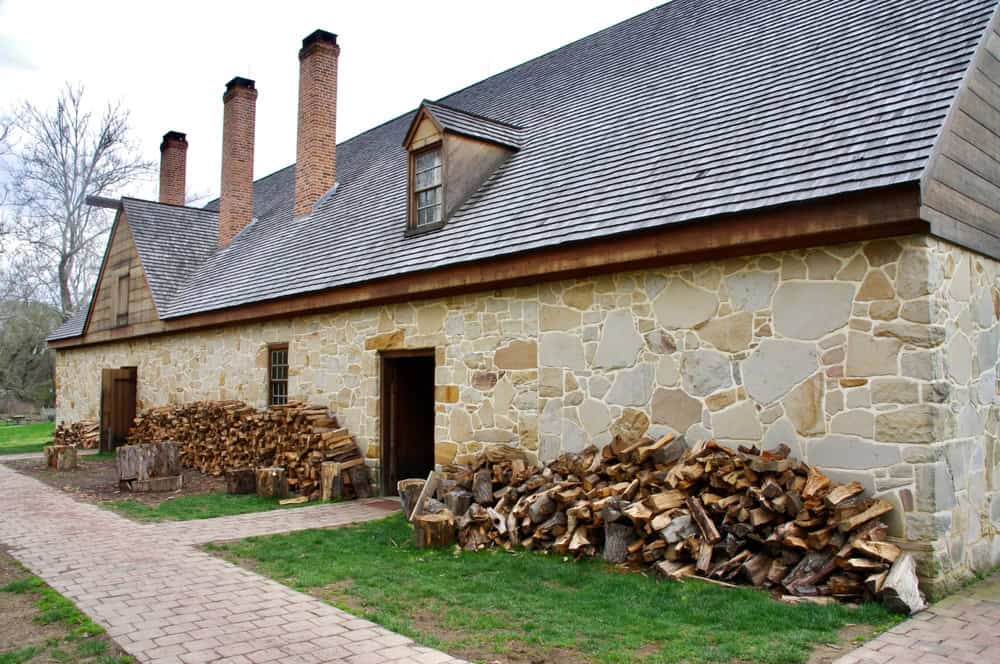
You might know George Washington as the father of the country, but did you know he was also a whiskey mogul? In 1797, Washington opened a distillery at Mount Vernon, which rapidly became one of the largest whiskey producers in America. By 1799, the distillery churned out almost 11,000 gallons of whiskey, showcasing Washington’s entrepreneurial spirit. His investment paid off as it became one of his most profitable ventures.
According to the Distilled Spirits Council of the United States, Washington’s distillery was way ahead of its time. Today, the site of his distillery has been reconstructed and operates as a historical site that offers visitors a taste of history. This side business of Washington underscores his ability to innovate and adapt, which were also key traits in his leadership. It’s a reminder that even presidents are not immune to the lure of business opportunities outside their primary roles.
2. John Adams and Thomas Jefferson’s Uncanny Coincidence

Few friendships in American history were as storied and complex as that between John Adams and Thomas Jefferson. These founding fathers were close friends, then fierce political rivals, and finally reconciled correspondents. In a twist of fate, both passed away on July 4, 1826, exactly fifty years after the signing of the Declaration of Independence. This coincidental timing adds a poignant layer to their intertwined legacies.
Their deaths on such a significant date have fueled numerous discussions and written works. Some speculate it was a cosmic sign, while others see it as a symbolic end to an era. Regardless, the coincidence serves as a testament to their enduring impact on the nation. They may have had their differences, but in the end, their destinies were remarkably aligned.
3. James Madison’s Love for Ice Cream

James Madison might be known as the “Father of the Constitution,” but he also had a sweet side — quite literally. Madison reportedly had a fondness for ice cream, a then-novel treat in America. His wife, Dolley Madison, popularized the dessert by serving it at White House events, where it quickly became a favorite among guests. This indulgence speaks to the lighter side of life in the 18th-century executive mansion.
According to the book “The Presidents’ Cookbook: Practical Recipes from George Washington to the Present,” ice cream at the time was a luxury, requiring labor-intensive processes to make. Madison’s penchant for the dessert illustrates not only personal taste but also the changing tides of American culinary history. The Madisons’ adoption of ice cream symbolizes the merging of European traditions with American innovation, a fitting metaphor for the young nation.
4. Abraham Lincoln’s Wrestling Skills

Before Abraham Lincoln became a towering figure in American history, he was known for his physical prowess in the wrestling ring. Standing at 6’4”, Lincoln’s long limbs and strength made him a formidable opponent, winning nearly 300 matches with only one recorded loss. His wrestling skills earned him a spot in the National Wrestling Hall of Fame, a testament to his competitive spirit. This lesser-known aspect of Lincoln adds a layer of physical vibrancy to his otherwise cerebral legacy.
Lincoln’s wrestling days were more than just a hobby; they were a reflection of his rugged frontier upbringing. His success in the sport taught him important lessons about resilience and strategy, skills he would later apply to his political career. The image of Lincoln as a wrestler challenges the traditional view of him solely as a stoic statesman. It offers a glimpse into the multifaceted nature of his character, one that combined brawn with brains.
5. Theodore Roosevelt, the Blind Boxer

Theodore Roosevelt was not one to shy away from physical challenges, including boxing, which he continued even while in the White House. During one such match, a blow to his face caused a retinal detachment, leaving him blind in one eye. Despite this setback, Roosevelt didn’t abandon his athletic pursuits, pivoting his interest to jiu-jitsu and tennis. His dedication to physical fitness was emblematic of his robust approach to life and leadership.
As noted by the Theodore Roosevelt Center, Roosevelt’s boxing injury is a testament to his unyielding determination. His willingness to engage in such risky endeavors while serving as president reflects his belief in the importance of a vigorous lifestyle. Roosevelt’s athleticism was not merely a personal preference but also part of his progressive vision for America. It symbolized the spirit of vitality and resilience that he sought to inspire in both domestic and foreign policy.
6. Calvin Coolidge’s Animal Menagerie

Calvin Coolidge, the 30th president, had a surprising penchant for pets, including some rather unconventional ones. His White House was home to a variety of animals, from cats and dogs to a raccoon named Rebecca. Rebecca was originally intended for Thanksgiving dinner, but she charmed the Coolidges into keeping her as a pet instead. Coolidge’s menagerie didn’t end there; he also kept a wallaby, a pygmy hippo, and a bobcat, to name just a few.
This eclectic collection of animals paints a picture of a quieter side of Coolidge, often remembered for his reserved demeanor and economic conservatism. His love for animals added warmth to his presidency and provided a unique aspect of life in the White House. These pets symbolized a connection to nature and a personal escape from the pressures of leadership. They remind us that even presidents seek comfort and companionship, sometimes in the most unexpected forms.
7. Franklin D. Roosevelt’s Secret Love of Stamp Collecting

Franklin D. Roosevelt found solace in an unexpected hobby: stamp collecting. Riddled with the pressures of leading a nation through the Great Depression and World War II, FDR turned to stamp collecting as a therapeutic escape. His collection was expansive, featuring rare stamps from around the world, and he even designed a few commemorative issues himself. This pastime allowed him to momentarily escape the intense demands of his presidency.
According to the Smithsonian National Postal Museum, Roosevelt’s passion for philately was not just a hobby—it was a way to connect with global cultures and histories. His love for stamps reflected his broader worldview and appreciation for international relations. Even in the face of immense challenges, Roosevelt found a simple pleasure that provided a sense of peace and continuity. His collection is a reminder that regardless of the pressures of leadership, finding a personal haven is invaluable.
8. Harry Truman’s Middle Name Enigma

Harry S. Truman, the 33rd president, often puzzled people with his middle initial, “S,” which stands for… absolutely nothing. Both of his grandfathers had names starting with “S,” but the initial itself doesn’t represent a specific name. This oddity has been a point of curiosity for historians and trivia enthusiasts alike. It’s a small quirk, yet it offers insight into Truman’s straightforward and unpretentious nature.
Truman’s middle initial is a reflection of a simpler time when formalities and family legacies mattered more than rigid naming conventions. This peculiarity adds a humanizing detail to a man known for making some of the toughest decisions in U.S. history. It serves as a reminder that even those who seem larger-than-life often come with their own distinctive quirks. This tiny detail punctuates Truman’s legacy with a touch of whimsy amid his serious statecraft.
9. John F. Kennedy’s Speed Reading Skills

John F. Kennedy was not only a charismatic leader but also a speed-reading enthusiast. It is reported that JFK could read at a pace of 1,200 words per minute, which is significantly faster than the average 200 to 300 words per minute. His ability to process information rapidly was a crucial asset in both his political career and personal life. This skill allowed him to stay well-informed on a wide array of topics, from global politics to cultural trends.
Kennedy’s speed-reading prowess is a testament to his commitment to knowledge and efficiency. It reflects his modern approach to leadership, where being well-versed and adaptable was as important as being charismatic. This ability enabled him to maintain a broad perspective on the fast-paced changes of the 1960s. It’s a reminder that sometimes, the smallest skills can be pivotal in navigating complex challenges.
10. Gerald Ford’s Modeling Days

Before Gerald Ford became the 38th president, he enjoyed a brief stint as a male model. In the 1940s, Ford appeared on the cover of Look magazine, showcasing his all-American good looks. This foray into modeling was short-lived, as Ford’s ambitions leaned more towards politics than the runway. Nevertheless, the experience added an unexpected chapter to his diverse life story.
Ford’s modeling days add a touch of glamour to a man often remembered for his down-to-earth demeanor and steady leadership. It highlights a different side of a president who prioritized integrity and honesty in public service. The contrast between his modeling past and political career underscores the multifaceted nature of the people who lead the nation. This piece of trivia serves as a reminder that every career path has its share of surprises and detours.
11. Ronald Reagan’s Lifeguard Heroics

Ronald Reagan, known as the “Great Communicator,” was also a hero of the swimming pool. During his teenage years, Reagan worked as a lifeguard at Lowell Park in Illinois, where he saved 77 people from drowning over seven summers. This early job showcased his sense of responsibility and leadership long before his political career began. Reagan’s lifeguard days reflect a commitment to public service that would later define his presidency.
His time as a lifeguard provided him with valuable life lessons, including the importance of vigilance and quick decision-making. These skills undoubtedly contributed to his poised demeanor and crisis management as president. Reagan’s lifeguard heroics offer a glimpse into the formative experiences that shaped his character. It’s a reminder that sometimes, the qualities that make a great leader can be traced back to humble beginnings.
12. Bill Clinton’s Saxophone Skills

Bill Clinton, the 42nd president, was known for his charisma and communication skills, but he also brought a musical talent to the White House. Clinton played the saxophone passionately, even appearing on the Arsenio Hall Show to perform “Heartbreak Hotel” during his 1992 campaign. This performance showcased his ability to connect with a younger audience and added a modern twist to his political image. His saxophone skills became symbolic of a new era in American politics.
According to Time magazine, Clinton’s musical talents were more than just a hobby; they were a strategic tool in his political arsenal. His saxophone performance highlighted his relatability and willingness to embrace popular culture. This unconventional approach helped him stand out in a crowded field of political candidates. Clinton’s saxophone is a testament to the power of blending personal passions with professional aspirations.
13. Barack Obama’s Comic Book Collecting

Barack Obama, before his presidency, had a hobby that might surprise you — collecting comic books. As a teen, Obama was an avid reader of comics like Spider-Man and Conan the Barbarian. These stories of heroes and complex characters fueled his imagination and offered a form of escapism. This love for comics underscores the relatable and human side of a man tasked with leading a nation through challenging times.
Obama’s appreciation for comic books is more than just a childhood interest; it reflects his understanding of storytelling’s power to inspire and educate. The narratives found in comics often contain moral lessons and reflections on society that resonate with readers of all ages. For Obama, these stories were a reminder of the enduring fight for justice and equality. His appreciation for this art form offers insight into the diverse influences that shape a leader’s worldview.


