

There’s something endlessly fascinating about the White House. Beyond its political significance, it’s a building steeped in history, mystery, and a touch of intrigue. You might think you know it well from countless news clips and historical documentaries, but there are layers to this iconic residence that even many Americans are unaware of. Here are 13 things that might surprise you about the White House, including what lies beneath its storied floors.
1. The Secret Underground Bunker
Beneath the White House lies a secretive bunker designed to protect the President in times of crisis. Known as the Presidential Emergency Operations Center (PEOC), this facility is equipped to withstand nuclear attacks. It provides a secure location for the President to continue communication with the military and government. While many people became aware of this bunker after the events of 9/11, its existence dates back to World War II as a precaution against air raids. The space is not just functional; it is designed to house key personnel for extended periods, if necessary, comfortably.
A 2017 report by The Washington Post revealed insights into the PEOC’s operations and its evolution over the years. Despite being a critical component of national security, the specifics of what lies within its walls remain classified. This air of mystery only adds to the allure of the White House’s underground secrets. In a world where information is often readily available, some aspects of this historic building still manage to keep us guessing.
2. The Ghostly Residents

The White House is not just home to the living but, according to lore, also the spirits of past presidents. The most famous ghostly resident is Abraham Lincoln, whose spirit reportedly frequents the Lincoln Bedroom. Numerous Presidents, First Ladies, and staff members have claimed to have encountered Lincoln’s apparition or felt his presence. Imagine wandering the corridors of power and feeling an otherworldly tap on your shoulder.
In addition to Lincoln, the ghosts of presidents like Andrew Jackson and Thomas Jefferson are said to linger in their former homes. These spectral stories have been shared and retold, adding a layer of mystery to official events. Whether you’re a skeptic or a believer, it’s hard to deny the spine-tingling allure of a presidential ghost story. For some, these tales are a testament to the historical weight and emotional resonance of the White House.
3. The Historic Rose Garden (RIP)

The White House Rose Garden has long been more than landscaping — it’s a living monument woven into America’s political and cultural history. First designed in 1913 by Ellen Wilson, wife of President Woodrow Wilson, the garden evolved into the iconic setting for state dinners, press briefings, diplomatic announcements, and treaty signings. For more than a century, it symbolized a delicate balance between power and beauty, offering a serene counterpoint to the intensity happening inside the West Wing. Its lawn, trees, and blooms became part of the national memory.
But that historic image shifted dramatically when Donald Trump oversaw a controversial redesign that removed much of the original greenery — and eventually paved over the famous lawn entirely. Critics argued the hardscaping stripped the garden of its character, turning a lush, symbolic space into something closer to an event patio. Supporters framed it as a practical modernization, but the transformation undeniably broke from the garden’s legacy of softness, growth, and organic beauty. A place once defined by roses and renewal is now defined by stone and space — a stark visual metaphor for how much has changed.
4. The White House Tunnel System
While most people are aware of the various rooms and offices above ground, fewer know about the intricate tunnel system below. These tunnels connect the White House to various nearby buildings, such as the Treasury and Blair House. They serve a practical purpose, allowing for secure and discreet travel for the President and staff. Imagine a labyrinth beneath the public face of power, hidden from view and steeped in secrecy.
Rumors have long circulated about the extent and purpose of these tunnels, sparking the imagination of conspiracy theorists and historians alike. Some speculate about secret exits or undisclosed facilities accessed through these subterranean passages. Whether or not these claims hold any truth, the tunnels’ existence adds another layer of intrigue to an already captivating building. They represent how much of the White House’s operations occur out of public view, shrouded in mystery.
5. The In-House Movie Theatre

The White House boasts its own movie theatre, allowing the first family to enjoy films in the comfort of their home. This cinema was originally a cloakroom before President Franklin Roosevelt converted it into a theatre. Over the decades, it has been used for both entertainment and screening important footage related to national affairs. Imagine having the ability to preview the latest blockbuster or critical news footage from the same plush seat.
A 2020 piece in Architectural Digest detailed the theatre’s history and evolution, including several renovations to keep it state-of-the-art. Presidents from Kennedy to Obama have spent time here, watching everything from classic films to contemporary hits. The theatre highlights the need for a personal touch in a space that’s often all about business. It’s a reminder that even leaders need to escape into a good story now and then.
6. The Thriving Kitchen Garden
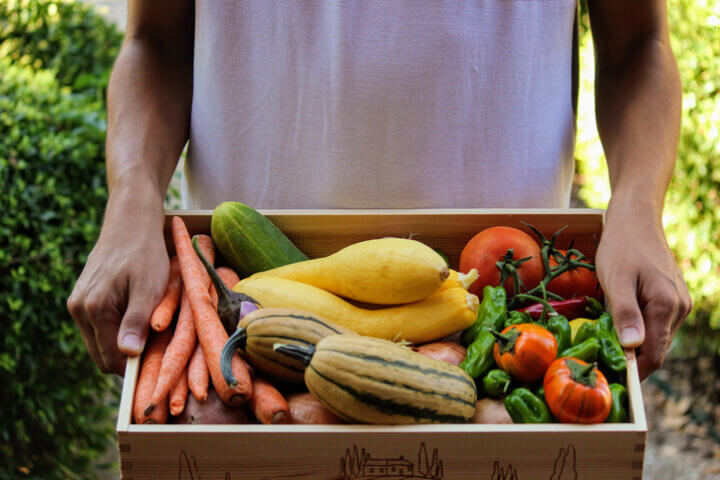
First Ladies have often left their mark on the White House, and Michelle Obama’s kitchen garden is a prime example. Established in 2009, this garden on the South Lawn became a symbol of the “Let’s Move!” initiative, which promotes healthy eating and combats childhood obesity. It features a variety of fruits, vegetables, and herbs that supply the White House kitchen with fresh produce. You can almost picture the First Lady planting the seeds of change with every crop.
The garden is not just a source of food but also an educational tool, showing visitors and schoolchildren the benefits of growing their own produce. It serves as a lasting legacy of the Obama administration’s commitment to health and wellness. This green space proves that even in the center of political power, there’s room for nature and simplicity. It’s a reminder that impactful change often starts with just a small patch of earth.
7. The White House Library

The White House Library is a treasure trove of knowledge, home to a collection of over 2,700 books. Located on the Ground Floor, this library serves as a quiet retreat for thought and reflection. It was established by Abigail Fillmore, the wife of President Millard Fillmore, in the early 1850s. Imagine the quiet rustle of pages and the potential for intellectual growth within these storied walls.
According to a historical account published by the White House Historical Association, the library hosts a diverse selection of books, from fiction to history. It even includes volumes on American culture and science. The collection is curated to reflect the wide interests of its various occupants, offering them a sanctuary away from the demands of leadership. It’s a space that underscores the value of knowledge and the importance of lifelong learning. Here, amidst the chaos of politics, lies a refuge for the curious mind.
8. The Bowling Alley in the Basement

You might not expect to find a bowling alley within the White House, but it’s there, tucked away in the basement. Initially built in 1947 by President Harry Truman, the alley was meant to provide a unique form of recreation for the First Family. However, it was relocated to the Eisenhower Executive Office Building in 1955, only to be reinstated later at President Richard Nixon’s request due to popular demand. This quirky feature underscores the importance of relaxation even in the heart of political power.
According to a 2016 article in Smithsonian Magazine, the bowling alley has hosted many presidents and their guests, providing a unique behind-the-scenes glimpse into life at the White House. While it may not be the first thing you associate with presidential duties, the lanes have seen everything from casual games to historical negotiations. It’s a reminder that even those at the helm of the nation need a break and a chance to unwind. Next time you picture the White House, think of the sound of pins crashing amidst policy discussions.
9. The White House China Room

The China Room of the White House is more than just a room filled with fine porcelain; it’s a curated history of presidential hospitality. Established in 1917 by First Lady Edith Wilson, the room displays pieces from every presidential administration. Each set of china tells a story about the era it represents, offering a unique glimpse into the evolving tastes and traditions of the White House. Imagine the stories these plates could tell if only they could speak.
The collection includes everything from elegant place settings to ornate tea services, each carefully selected to represent the style of its time. The China Room serves as a tangible connection to the past, linking each president’s tenure through the art of dining. It’s a space where history and hospitality converge, showing how ceremonial traditions have evolved over the years. In this room, you get a sense of continuity, a reminder that while presidents may come and go, White House customs carry on.
10. The White House Honeybees

Few people know that the White House is home to a thriving colony of honeybees. Established in 2009 during the Obama administration, the beehive is located on the South Lawn near the First Lady’s garden. The bees produce honey used in meals and official dinners, adding a sweet touch to White House cuisine. Imagine the gentle buzz of bees, a symbol of environmental consciousness in a place of political power.
The beehive helps promote awareness of the importance of pollinators and sustainable agriculture. It’s a living testament to the commitment to ecological responsibility, demonstrating that even in an urban setting, nature can be nurtured. This initiative highlights the intersection of politics and environmental stewardship, showing how small actions can lead to broader awareness. In the heart of policy-making, the bees serve as a reminder of the delicate balance between humanity and nature.
11. The White House Historical Association’s Influence

The White House Historical Association plays a pivotal role in preserving and sharing the history of the White House. Founded in 1961 by First Lady Jacqueline Kennedy, the association funds conservation and educational programs. This private, non-profit organization ensures that the public can access the rich history of America’s most famous residence. Imagine the dedication required to maintain the integrity and legacy of such an iconic symbol.
Through the association’s efforts, visitors can enjoy annual Christmas ornaments, educational materials, and even virtual tours. They have worked to conserve countless artifacts, ensuring that future generations can appreciate the White House’s historical significance. The association serves as a bridge between the past and present, enriching our understanding of American heritage. It’s a testament to the power of stewardship and the importance of preserving history for all.
12. The Teddy Roosevelt Renovations

When you think of the White House, renovations might not be the first thing that comes to mind, yet Teddy Roosevelt made significant changes during his presidency. In 1902, he oversaw a major renovation that included the addition of the West Wing, fundamentally altering the layout of the White House. This expansion was necessary to accommodate a growing staff and the increasing demands of the presidency. Picture the hustle and bustle of construction, as the foundation of modern presidential operations was laid.
Roosevelt’s renovations also included upgrades to the heating, lighting, and plumbing systems, bringing the White House into the 20th century. These changes reflected a shift towards a more modern and functional executive residence. The renovations exemplified Roosevelt’s vision for a dynamic and efficient government headquarters. It’s a reminder that even the most historic buildings must evolve to meet the needs of their time.
13. The White House Easter Egg Roll Tradition

The White House Easter Egg Roll is one of the oldest and most cherished traditions, delighting children and families each year. This event began in 1878 under President Rutherford B. Hayes and has continued to be a symbol of springtime celebration. Held on the South Lawn, it features activities, entertainment, and, of course, the famous egg roll race. Picture the laughter and joy of children, a moment of innocence and play in a place often marked by serious affairs.
Throughout the years, the Easter Egg Roll has evolved, incorporating new games, celebrity guests, and even educational themes. It’s an event that showcases the White House’s commitment to community and family values. The tradition stands as a reminder of the importance of celebrating togetherness and creating joyful memories. In the heart of political discourse, the Easter Egg Roll offers a breath of fresh air and a splash of color.


