

In a paradigm-shifting breakthrough, a team of researchers at the Korea Advanced Institute of Science and Technology (KAIST) has developed a method that doesn’t just attack cancer cells — it reprograms them to behave like healthy cells again. Instead of treating cancer as an enemy to be annihilated, this cutting-edge science treats it as a condition that can be undone. The implications are enormous, touching everything from survival rates to side effects, resistance, and the future of oncology.
This isn’t science fiction. It’s grounded in advanced computational biology, gene-network modeling, and meticulous molecular research. By identifying the precise moment when a cell transitions from normal to cancerous, scientists have found ways to reverse that process — potentially transforming cancer treatment from aggressive elimination to restorative therapy. What does that mean for patients, doctors, and the future of medicine? Here are the essential things you need to know about this discovery, cancer cell biology, and how this breakthrough could reshape our approach to one of humanity’s greatest medical challenges.
1. Cancer Cells Can Potentially Be Converted Back Into Normal Cells
In a groundbreaking discovery, researchers at KAIST identified a key molecular switch that can steer cancer cells back to a state resembling normal, healthy cells — rather than destroying them outright. Traditional cancer treatments focus on killing malignant cells, which often leads to collateral damage to healthy tissue and debilitating side effects. The KAIST team’s approach challenges this model by aiming to “restore cancer cells to their original identity”, potentially minimizing harm and recurrence. This remarkable strategy represents a fundamental shift in oncology.
According to research published in Advanced Science, the team led by Professor Kwang-Hyun Cho used advanced genetic network modeling to elucidate the transition from normal to cancerous states at the molecular level. By creating a digital “map” of this process, they pinpointed molecular “switches” that can flip the script—leading cancer cells back along the path to normalcy rather than uncontrolled growth. In laboratory and animal studies, applying these switches caused cancer cells to adopt normal cellular behavior, opening the door to an entirely new class of cancer therapies.
2. This Approach Focuses on Differentiation, Not Destruction

Cancer cells arise when normal cells lose their ability to differentiate — that is, they stop maturing into specialized, well-behaved cells and instead proliferate without control. Traditional treatments aim to eliminate these rogue cells, but they often damage healthy tissues and cause severe side effects. By contrast, the Korean breakthrough focuses on “cell differentiation pathways”, guiding cancer cells back toward a mature and regulated state.
This philosophical shift reframes cancer from an invader to be destroyed into a malfunctioning part of the body that can be corrected. It suggests that cancer may be more reversible than previously thought—not merely treatable, but “restorable”. If successful in humans, this strategy could reduce the physical toll of treatment and improve the quality of life for millions.
3. It Relies on Digital Twin Technology to Map Gene Networks
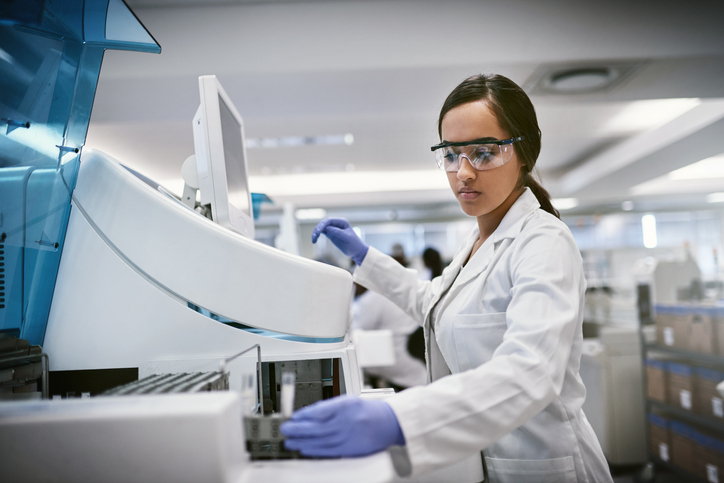
One of the innovations behind this discovery is the use of “digital twin technology” — a computational model that mirrors the complex gene networks involved in cell behavior. Instead of guessing which genes control cancer progression, scientists can simulate and analyze entire regulatory systems. This allows them to identify the specific molecular mechanisms that determine whether a cell remains healthy or becomes cancerous.
By creating digital simulations of cancer cell gene networks, researchers can predict how cells will respond to specific interventions before ever testing in the lab. This drastically accelerates discovery and provides a level of precision that traditional trial-and-error approaches lack. The digital twin becomes a powerful tool for predicting outcomes and refining potential therapies well before clinical application.
4. This Method Avoids Many Side Effects of Traditional Treatment

Current therapies like chemotherapy and radiation are effective at killing cancer cells but hit healthy cells too, causing nausea, hair loss, immune suppression, and more. A therapy that reassigns cancer cells to behave normally could significantly reduce these collateral effects. Without the need for mass cell destruction, patients might retain better overall health during treatment.
By focusing on restoration rather than eradication, this approach could shorten recovery times and enable patients to maintain stronger immune function. The emotional and physical benefits of gentler therapy — compared with the punishing cycles of traditional cancer care — would be profound.
5. It Challenges the Old Dogma of Cancer as Irreversible

For years, cancer has been viewed as a one-way journey: healthy cell → cancer cell → death or remission. This discovery disrupts that narrative by showing that cancer might not be a permanent, irreversible state. Instead, it may be possible to lead cells “back” from malignancy to normalcy using targeted molecular switches.
This implies a deeper understanding of cancer biology: the distinction between healthy and cancerous cells is not absolute but part of a dynamic system that can be shifted. If this finding holds in broader human trials, it could redefine cancer as a reversible condition rather than a battle to be won through destruction.
6. It Could Reduce Recurrence and Resistance

One of the biggest challenges with existing cancer therapies is that some cancer cells survive treatment and evolve, becoming resistant to future interventions. This is especially true with aggressive cancers that mutate rapidly. By reverting cancer cells to a normal-like state, this method may reduce or eliminate the population of residual malignant cells that drive recurrence.
This strategy attacks the “cause” of cancer cell behavior rather than just the symptoms of uncontrolled growth. If successful, it could shorten relapse cycles and create more durable, long-term remission.
7. It Starts With Colon Cancer, But Could Expand to Others

Most of the initial research has focused on “colon cancer cells”, where the molecular switch and reversion technology were first tested. But the conceptual framework — using gene network modeling to find reversion triggers — may apply to other cancers as well, according to researchers. The KAIST team believes that with further study, the approach could be adapted for different tumor types, offering a new strategy for a range of malignancies.
This could be particularly valuable for cancers with poor survival rates under existing therapies. If the principles hold beyond colon cancer, the impact could be sweeping.
8. Normal Cells Have Defined Differentiation Pathways That Cancer Cells Lose

In healthy tissue, cells go through a tightly regulated “differentiation trajectory” — a process of specialization and maturation that ensures they serve specific functions. Cancer cells deviate from this pathway, abandoning specialization in favor of unrestrained growth. Understanding this deviation has long been a challenge for researchers.
The Korean breakthrough sheds light on the molecular mechanisms of this regression, showing that cancer cells can be nudged back onto the normal differentiation path. This emphasizes that cancer is not merely cell proliferation—it’s a corruption of cellular identity.
9. Healthy Cells Regulate Growth and Function — Cancer Cells Don’t

A defining feature of normal cells is their ability to regulate growth and function in response to environmental and internal cues. They stop dividing once they’re not needed and contribute to the maintenance of tissue structure. Cancer cells, by contrast, ignore these signals, growing uncontrollably and often invading nearby tissues.
This loss of regulation is what makes cancer both deadly and difficult to treat. A therapy that restores regulatory behavior could radically alter the course of how cancer is managed, not just treated.
10. Current Therapies Often Damage Good Cells Too

Chemotherapy and radiation target rapidly dividing cells, but they cannot distinguish between cancerous and some healthy cells, like those in the digestive tract or hair follicles. This is why traditional treatments have such harsh side effects. A reversal-based therapy could spare healthy cells entirely.
If cancer cells behave normally again, they might be managed as other chronic conditions rather than treated as infections. This would represent a shift from a war metaphor to a restoration model.
11. Animal Studies Already Show Promise
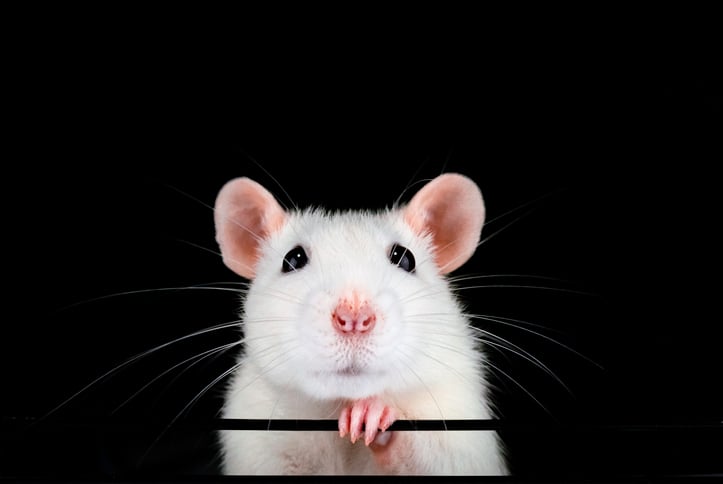
Early work from the KAIST team has demonstrated cancer cell reversion in cell culture and animal studies, providing researchers with initial confidence in the concept. These models showed that the molecular switches not only change cell behavior but also suppress proliferation.
While animal results don’t guarantee human success, they are critical early indicators. The research community is closely monitoring these preclinical results because they validate the fundamental biology underlying the approach.
12. This Could Usher in a New Era of Cancer Treatment

If reversible therapy — turning cancer cells into normal ones — proves safe and effective in humans, it could dramatically reshape the future of oncology. Treatment regimens might focus on restoring cellular health rather than eliminating malignancy, thereby reducing suffering and improving survival outcomes.
This discovery signals a philosophical shift as much as a medical one: moving away from a destructive mindset toward one of restoration and balance. The era of cancer therapy may be entering a new chapter.


