

In one of the strangest wellness trends to explode across TikTok, Instagram, and biohacking forums, people are now obsessing over worm cleanses—protocols designed to “flush parasites” from the body using herbs, supplements, restrictive diets, or detox regimens. Videos showing people convinced they’ve expelled parasites are going viral, fueling a collective fear that we’re all secretly infested with worms we never knew we had. But with experts firing back, and influencers making increasingly dramatic claims, the question becomes: is this trend rooted in science, or just another wellness panic dressed up as self-care? The answer, as always, lands somewhere in the messy space between fear, misinformation, and genuine curiosity about our bodies.
The trend taps into deeper anxieties—about the food system, gut health, chronic illness, and the invisible forces we fear are undermining our well-being. At the same time, real scientific research into the microbiome, helminth therapy, and parasitic diseases is evolving fast, creating a confusing overlap of myth and medicine. Here are 12 things you need to know about worm cleanses—and what this trending detox ritual really says about us right now.
1. The Worm Cleanse Craze Started With Real Parasitic Concerns
The renewed interest in worm cleanses didn’t come out of nowhere—parasites are a global health concern, especially in regions with poor sanitation or contaminated food systems. The World Health Organization estimates that more than 1 billion people worldwide are affected by parasitic worms, which has fueled legitimate medical research into prevention and treatment. But in Western countries, where parasitic infections are far less common, social media has amplified isolated anecdotes into widespread fear. Wellness influencers now frame parasites as an unseen epidemic, even though actual data doesn’t support that level of alarm.
According to research published in Clinical Infectious Diseases, parasitic worm infections in high-income nations remain “relatively rare,” and most cases occur in travelers or people with specific exposure risks. This creates a disconnect: science says the risk is low, but social media suggests the opposite. As a result, many people now assume normal digestive issues or anxiety symptoms are evidence of parasites—fueling the demand for cleanses that may not be medically necessary.
2. Social Media Has Turned Parasite Fear Into a Visual Obsession

Short-form videos showing “worms leaving the body” have become a major driver of the trend—even though experts say many of these so-called parasites are actually mucus strands, undigested fibers, or the cleanse ingredients themselves. But the visual symbolism is powerful: seeing something expelled makes people feel like the cleanse is working. This taps into a deeply emotional response, where disgust and relief collide in a way that feels strangely addictive. Influencers capitalize on this by posting dramatic before-and-after clips that go viral instantly.
The more people see others undergoing a cleanse and “finding worms,” the more they begin to mistrust their own health baseline. Suddenly, bloating, fatigue, or brain fog feels like evidence of something sinister rather than normal human fluctuation. Social media doesn’t just spread information—it spreads sensation, and parasite fear is the perfect sensory trigger.
3. Gut Health Research Has Made People More Paranoid
As microbiome science has become mainstream, people have become increasingly aware that their gut contains billions of organisms that affect everything from mood to immunity. This awareness has morphed into hypervigilance, making individuals more likely to interpret symptoms through a microbial lens. Some wellness communities now argue that parasites are the hidden cause of nearly all chronic conditions, even though this claim lacks scientific support. But the cultural momentum behind gut health makes these narratives feel believable.
A study in Nature Reviews Gastroenterology & Hepatology found that rising interest in the microbiome has led to a surge in consumer curiosity about “hidden pathogens” and alternative gut treatments. While the research calls the phenomenon “scientifically fascinating,” it also warns that misinformation spreads faster than validated findings. This creates a perfect storm: people now know enough science to fear parasites but not enough to distinguish legitimate risks from sensationalized claims.
4. “Parasite Die-Off” Symptoms Are Side Effects
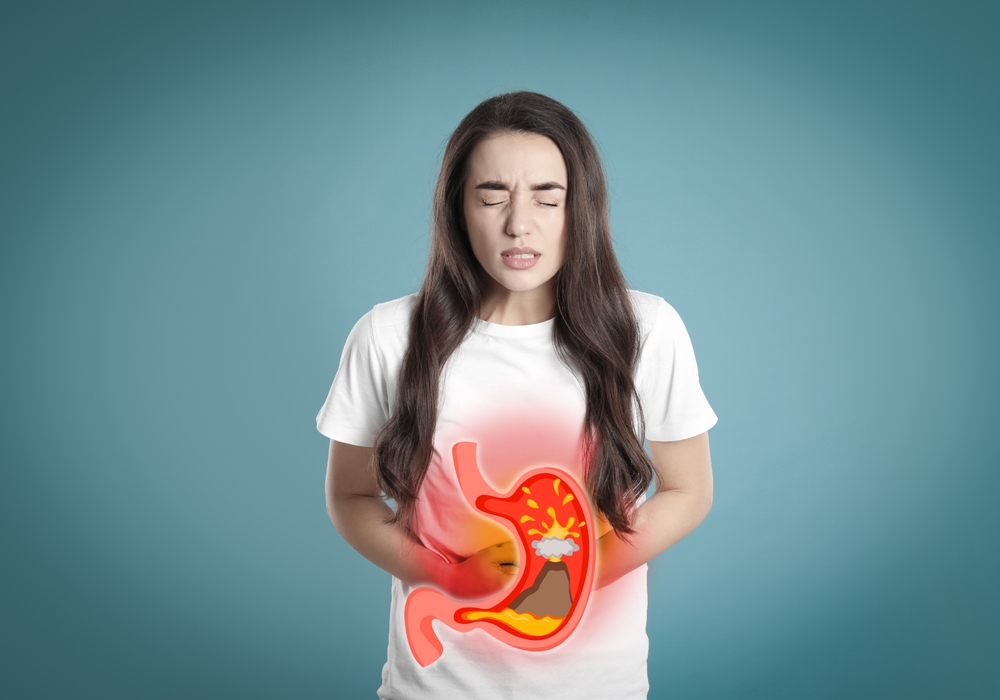
Many cleanse protocols warn users to expect intense “die-off” symptoms—fatigue, nausea, dizziness, headaches, or even flu-like sensations. But doctors say these effects rarely indicate dying parasites and often stem from dehydration, electrolyte imbalance, restrictive dieting, or the harsh herbal compounds used in cleanses. These ingredients can irritate the gut lining, alter digestion, or stress the liver, leading people to feel like something significant is happening even when no parasites are present.
Still, the discomfort itself becomes proof for many participants, reinforcing the belief that their bodies are “purging.” This psychological loop—where hardship equals healing—is a familiar pattern in wellness culture, where suffering is often mistaken for progress. The issue isn’t whether die-off is real; it’s whether people understand what’s actually happening in their bodies.
5. There Are Medically Valid Treatments for Parasites

While influencers promote wormwood, black walnut, oregano oil, and complex herbal mixes, doctors rely on targeted antiparasitic medications that are tailored to specific infections. These drugs are highly effective, safe when appropriately used, and backed by decades of clinical research. They don’t rely on detoxes or restrictive diets; they eliminate the parasite at the cellular level.
Research published in the American Journal of Tropical Medicine and Hygiene confirms that medications such as albendazole and ivermectin remain the gold standard for treating parasitic worms, with efficacy rates far higher than herbal cleanses. That doesn’t mean herbs have no value—but it does mean they are not replacements for clinical treatments. Most people doing worm cleanses aren’t actually treating parasites—they’re participating in a cultural wellness ritual.
6. The “Worm” Trend Reflects a Bigger Cultural Fear

Part of the appeal of worm cleanses is psychological. They give people a sense of agency over intangible worries—mysterious symptoms, chronic fatigue, unexplained illnesses, or the feeling that the healthcare system isn’t listening. Doing a cleanse becomes a symbolic act: a way to regain control of an overwhelming world. Parasites become the metaphor for everything we can’t see, but fear is harming us.
In a moment defined by mistrust in institutions, rising health anxiety, and the collapse of public confidence in medical systems, worm cleanses feel like DIY empowerment. Even if the science is shaky, the emotional logic is strong: people want to feel clean, clear, and in charge of their own bodies.
7. Some Scientists Are Exploring Using Worms to Heal
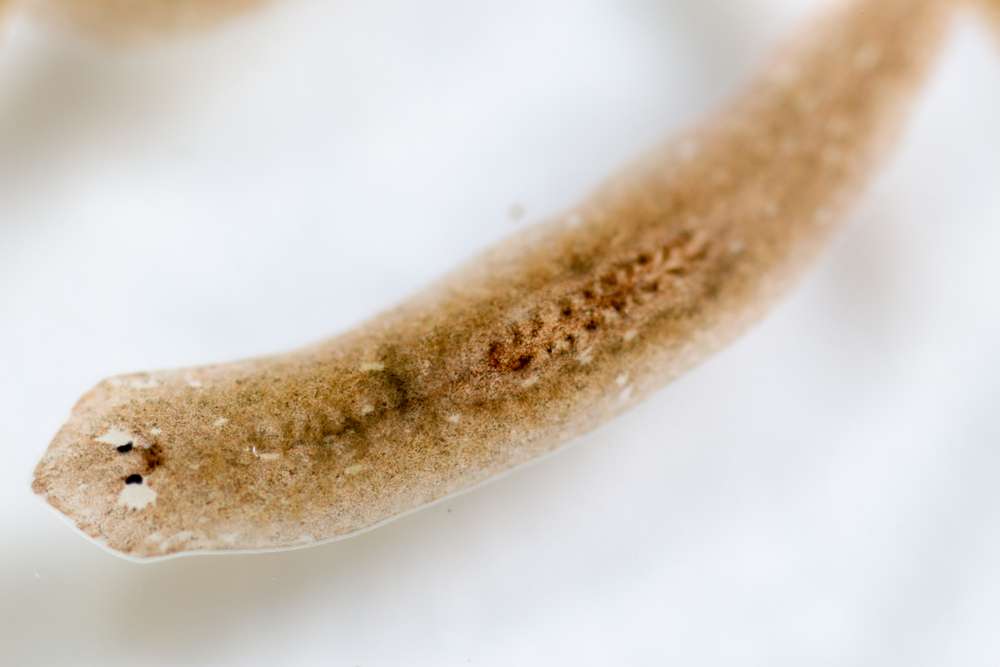
In a surprising twist, some researchers are studying whether controlled exposure to certain benign worms (helminths) can actually improve autoimmune conditions. The theory suggests that modern sanitation has removed beneficial organisms that once trained our immune systems to function properly. Clinical trials are exploring whether introducing carefully monitored worms can reduce inflammation in diseases like Crohn’s and ulcerative colitis.
A review in The Lancet highlights early evidence that helminth therapy may modulate immune responses, though it stresses that research is still preliminary. This means the wellness trend and the scientific frontier are strangely inverted: while social media promotes killing parasites, some researchers are investigating whether adding the right ones might help. The truth is far more complex than internet cleanses suggest.
8. Most “Parasites” Aren’t Parasites at All

Experts say the long, stringy substances people display online are usually intestinal mucus, rope-like biofilm, or coagulated herbal material. These substances can look dramatic, but they don’t indicate a real worm infection. Cleanse ingredients like psyllium husk or bentonite clay often bind together into worm-like shapes, giving people the illusion that something living has been expelled. This visual misunderstanding is one of the main reasons the trend exploded. It’s easier to believe your cleanse “worked” when you can hold the evidence. Unfortunately, the evidence often comes from the cleanse itself, not from parasites.
9. Worm Cleanses Can Disrupt Gut Health If Overused

Many herbal compounds used in parasite cleanses have antimicrobial effects that don’t distinguish between harmful pathogens and healthy bacteria. Overuse can damage the gut microbiome, leading to new digestive problems, weakened immunity, or long-term dysbiosis.
The gut is an ecosystem—and overly aggressive cleanses can destabilize it. This can create a feedback loop where the cleanse causes symptoms, and those symptoms convince people they still have parasites. The cycle continues indefinitely, with each cleanse further disrupting the microbiome.
10. The Trend Has Become a Status Symbol in Wellness Culture

In a digital landscape obsessed with detoxing, resetting, and purifying, worm cleanses have become the newest badge of “hardcore wellness.” People share their protocols, their die-off symptoms, their “expelled worms,” and their dramatic transformations as proof of dedication to self-improvement.
Parasite cleansing is no longer just a treatment—it’s an identity. Like all wellness status symbols, the appeal comes from the performance of discipline, commitment, and biohacking prowess. The cleanse becomes a ritual of superiority: “I know something you don’t about my body”.
11. Doctors Fear Worm Cleanses Can Delay Real Diagnosis

A significant risk of self-diagnosing parasites is missing other underlying medical issues — thyroid imbalance, IBS, anemia, autoimmune conditions, or food intolerances. People often attribute symptoms to parasites because the narrative is so compelling, but this can lead to months or years of self-treatment without addressing the real cause.
Doctors report seeing patients who dismissed serious symptoms for too long, believing parasite cleanses would fix everything. The danger isn’t the cleanse itself—it’s the misdirection of attention.
12. Worm Cleansing Says More About “Culture” Than Parasites

Ultimately, the worm cleanse trend reveals a cultural moment defined by fear of contamination, distrust of institutions, and a desire to control the unseen forces shaping our health. It’s a response to a world that feels toxic, unpredictable, and overwhelming. Parasite cleanses offer a narrative of purification and renewal that resonates deeply in a time when people feel energetically overloaded.
Whether scientifically grounded or not, the trend taps into the universal desire to feel clean, safe, and in command of one’s own body. In many ways, worm cleanses are less about parasites—and more about wanting clarity in a chaotic world.
13. The Worm Cleanse Trend Reflects a Generational Shift

One of the most fascinating aspects of the worm cleanse craze is how strongly it resonates with Millennials and Gen Z, both of whom grew up in a world shaped by food insecurity, fears of chemical exposure, rising rates of chronic illness, and digital self-surveillance. These generations tend to approach health with a combination of skepticism toward institutions and a fierce desire for personal autonomy. Worm cleanses fit neatly into this mindset: they’re DIY, dramatic, and framed as a way to take control of one’s own biology in a world that feels increasingly contaminated.
This generational shift toward hyper-awareness—sometimes called “body vigilance”—has been documented in recent sociological studies that show younger adults are more likely than older generations to experiment with alternative health practices, even when the science is inconclusive. The worm cleanse trend thrives in this cultural environment because it offers a clear villain (parasites), a clear solution (the cleanse), and a powerful emotional payoff (purification). It satisfies the craving for control at a time when control feels scarce, especially in an era defined by environmental toxins, microplastic panic, and chronic stress.


