
Winter in the United States has always been unpredictable, but in recent years, shifting climate patterns have made seasonal forecasts a perennial topic of national interest — especially as extreme weather events become more common and severe. Snowstorms that once seemed rare now dominate headlines, Arctic blasts dip farther south than expected, and atmospheric rivers along the West Coast threaten flooding even before temperatures drop. This makes understanding your region’s winter outlook more than just “seasonal chatter” — it’s about safety, travel planning, and, increasingly, community preparedness.
Meteorologists blend long-range models, historical climate data, and emerging atmospheric patterns — including signals from ENSO cycles and polar jet stream shifts — to provide winter forecasts with varying degrees of confidence. But while no forecast is perfect, examining trends across the country gives a clear picture of what the 2025–26 winter might have in store. From bitter cold to unusual rain events and record snowfall in unexpected areas, here are the 13 regional winter outlooks you need to know — and what they actually mean for you, your family, and your plans this season.
1. Northeast
The Northeast is poised for a classic winter battle between arctic air masses and coastal moisture systems this season. Recent forecasts signal that cold waves — driven by polar vortex shifts — could push sub-freezing air deep into the region, driving temperatures well below seasonal norms at times and setting up the potential for significant storm systems that produce heavy snow. This doesn’t guarantee daily blizzards, but it does increase the odds of impactful winter storms — especially if low-pressure systems track up the Atlantic coast.
For residents from New England to the Mid-Atlantic, this means preparing for bitter cold, icy conditions, and snow that can disrupt travel and infrastructure. Coastal cities like Boston, New York, and Philadelphia should monitor forecasts closely for nor’easters, which can dump heavy snow when cold air and coastal moisture align. The winter outlook suggests more volatility than a mild, predictable pattern — a reason to stay stockpiled with essentials and build travel plans around potential storm windows.
2. Southeast
The Southeast typically experiences milder winters, but recent weather trends show that Arctic blasts can plunge temperatures unexpectedly — even in states like Georgia and the Carolinas. Historical cold spells, like the deep freeze events of early 2025, demonstrate that below-average temperatures and occasional snow or sleet are possible, especially in inland areas. This region’s winter remains one in which warm days can abruptly give way to icy nights without much warning.
What this means for you: don’t assume “no winter weather” just because snow is rare. Sub-freezing conditions impact pipes, transportation, and vulnerable populations, and even light ice can make roads treacherous. People in the Southeast should keep a basic winter kit in cars and homes — hats, gloves, blankets, and an emergency plan — even if heavy snow stays elusive.
3. Midwest

The Midwest is frequently the bullseye for major winter weather, and this season looks no different. Arctic plunges from Canada are expected to push deep cooling across states like Minnesota, Wisconsin, Illinois, and Michigan, bringing frigid temperatures and persistent snow bands across large swaths of the region. These conditions get reinforced by storm systems that can produce lake-effect snow, especially near the Great Lakes, turning modest flurries into multi-inch accumulations in localized pockets.
Travelers should anticipate slippery highways, winter advisories, and the kind of bitter cold that makes extended outdoor exposure dangerous without proper gear. Cities like Chicago and Detroit are poised to experience temperatures well below freezing, with periodic heavy snowfall. The combination of cold air and moisture will make winter not just a season — but a prolonged test of infrastructure and preparedness.
4. South Central Plains

Winter in the South Central Plains — including parts of Oklahoma, Arkansas, and northern Texas — often trends milder than northern regions, and for much of the season, it may stay that way. Yet occasional Arctic air intrusions can still push temperatures toward freezing, and 2025–26 may bring a few of those chilly snapshots that surprise long-time residents. Because moisture is often present in this region, the risk isn’t just cold — it is wintry precipitation like sleet or light snow during brief cold snaps.
The key takeaway: most of the time you’ll see cool, not bitter, winter temperatures — but when those cold surges hit, even a few hours near or below freezing can disrupt travel and agriculture. Drivers should keep winter tires or chains handy, and farmers or outdoor workers should watch forecasts for sudden swings. Unlike truly frigid climates, the Plains’ winter is about adaptability to rapid temperature changes.
5. Texas & Southern Plains

The Old Farmer’s Almanac and seasonal outlooks both indicate that most of Texas and the Southern Plains can expect a warmer, drier winter than average, especially through the core months. Snowfall is considered unlikely across most of the region, including Central and East Texas. However, the Panhandle and northern parts of the state have a greater chance of light snow or flurries around Christmas and mid-winter.
What this means is simple: true winter weather — snow, ice, sustained sub-freezing temperatures — is rare for Dallas, Houston, and Austin, but mild cold waves can still make headlines. Residents should prepare for temperature swings, not deep snow, and monitor forecasts in January if an Arctic front shifts unusually far south. Overall, don’t expect major winter disruptions, but stay alert to brief cold breaks.
6. Rocky Mountains & High Plains
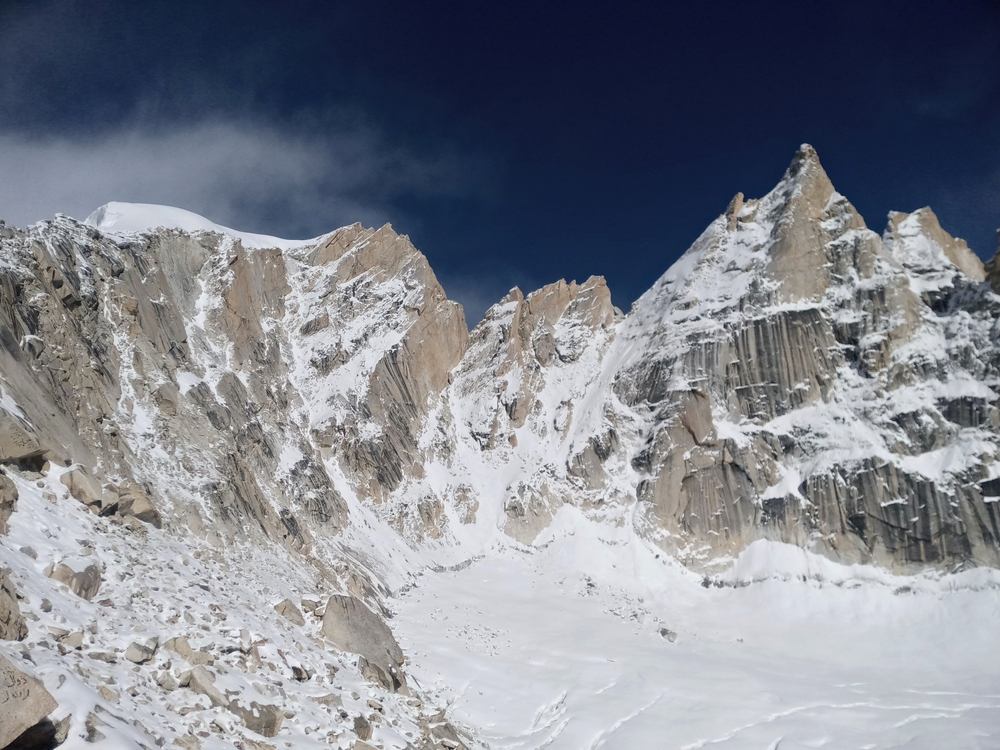
This region is often winter’s showcase, and 2025–26 looks to deliver both heavy mountain snow and dynamic plains weather. Higher elevations — from Colorado’s Rockies to Wyoming’s Tetons — will almost certainly see robust snowfall that boosts early ski seasons and raises avalanche warnings at times. The lower plains and foothills can still experience significant snow and icy conditions when storms track through, although amounts vary widely depending on the exact storm paths.
For anyone living near or traveling through ski areas or mountain passes, this means layers of snow and potentially dangerous travel conditions. Plains residents should expect snow showers with gusty winds that can quickly reduce visibility. Whether you’re dreaming of powder or dreading road closures, this part of the country exemplifies classic winter extremes.
7. Pacific Northwest
The Pacific Northwest is already entering winter, shaped by extraordinary weather patterns, including a massive atmospheric river event that brought heavy rain and flood risk to Washington and Oregon. This kind of moisture pattern can delay significant snowfall in lower elevations, while flooding and landslide threats dominate coastal and valley forecasts.
As temperatures cool further into mid-winter, mountain ranges like the Cascades and Olympics should see deep snowpack buildup. Lowland cities like Seattle and Portland may still trend wetter than snowy early in the season. Residents should focus first on flood preparedness and later on winter travel conditions as the season evolves — making this one of the most dual-natured winter outlooks anywhere in the U.S.
8. Southwest

In the desert and semi-arid landscapes of Arizona, New Mexico, and parts of Nevada, winters are usually mild. Snow in Phoenix or Tucson is almost unheard of, though the higher elevations — like Flagstaff or Santa Fe — do regularly see snowfall and chilly night temperatures. Because large winter storms can dip unusually far south some years, this region can occasionally experience snow that surprises travelers and locals alike.
For much of the Southwest, winter means cool days, crisp nights, and the possibility of rare snow off the mountains. Travelers heading into higher terrain should be ready for icy roads and winter gear, even if the valleys stay comfortable. It’s a reminder that elevation matters much more here than latitude.
9. Upper Midwest
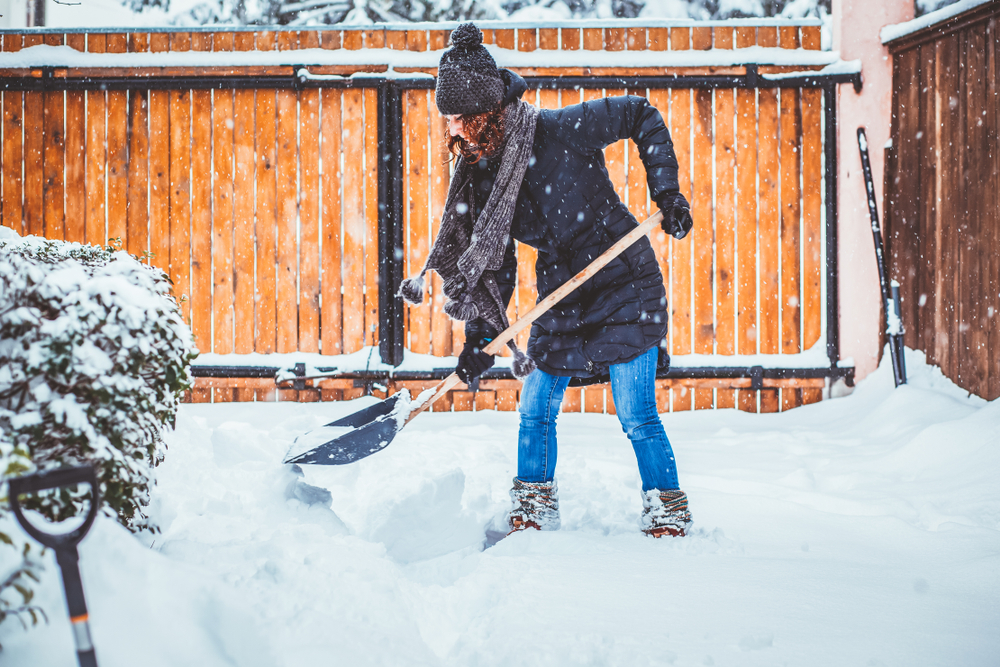
States like North Dakota, South Dakota, Minnesota, and parts of Wisconsin are winter’s snow central — and this winter is shaping up to deliver its typical snowy dominance. Persistent cold and repeated snow events driven by arctic air masses create deep snowpack and extended winter travel challenges.
This is the region where winter is winter—sustained cold, snow accumulation, and wind chill that redefine the meaning of cold. Residents should plan for long stretches of freezing temperatures and prepare their property, HVAC systems, and vehicles accordingly. Snow lovers will rejoice, but snow removal and safety preparedness remain top priorities.
10. Lower Lakes & Great Lakes Shores
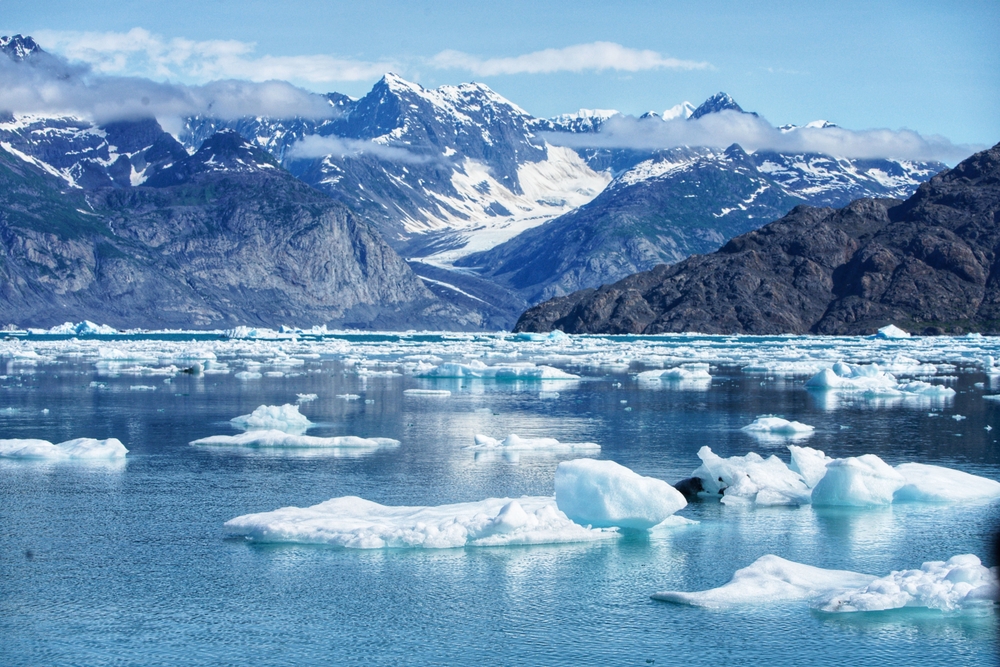
The Lower Lakes region — including much of Michigan’s shores and neighboring states — still tops the charts for intense lake-effect snow, especially once early winter cold settles in. Snow bands lacing along the Great Lakes can drop feet of snow on relatively short notice, creating travel chaos and rapid snow increases in localized areas.
This zone may also see early heavy snow that lingers near the lakes before spreading out. Residents around Lake Erie and Lake Superior should monitor forecasts: snow showers can pile up fast and make winter feel particularly immersive and relentless. For many, this region defines what a classic American winter feels like.
11. Midwest Plains (Southern)

South of the Upper Midwest, states like Nebraska, Kansas, and Missouri fall into a transitional band where winter swings can be dramatic but snow totals moderate. This region often gets pushed into active winter weather when cold air connects with moisture from the Gulf or Pacific — creating snowfall and brittle conditions.
Expect more frequent winter alerts, periods of subzero wind chills, and intermittent snow systems that can disrupt travel corridors across the Midwest. The winter here is less a deep freeze than a daily pattern of ups and downs — cold spells followed by brief warmth. Planning with winter tires, seasonal clothing, and flexible travel is key to navigating this inconsistent but impactful regional winter.
12. Alaska
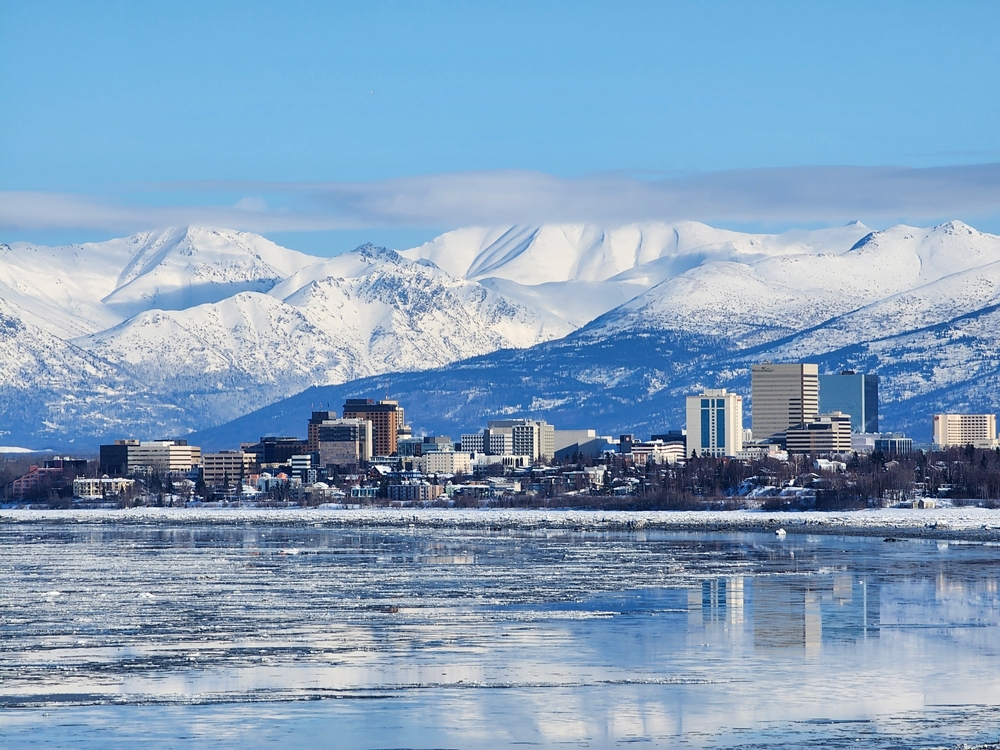
Alaska’s winter is already well underway and shows no signs of letting up, with long nights, persistent cold, and heavy inland snowpack dominating the forecast. While coastal areas may experience milder ocean-influenced temperatures, the interior and northern regions are true arctic terrain for months.
Residents and visitors alike should be prepared for extended periods of extreme cold, deep snow, and challenging travel conditions that demand winter forage, winter vehicle gear, and heightened awareness of frostbite risk. This is Alaska’s classic winter identity — long, snowy, and unforgiving — and 2025–26 promises more of the same.
13. Hawaii & U.S. Territories

While most of the U.S. battles snow and cold, tropical regions like Hawaii and other U.S. territories experience their mild, wet season rather than a traditional winter. Temperatures remain warm and pleasant year-round, though winter can bring increased rainfall, wind, and storm impacts associated with subtropical weather systems.
Travelers should trade snow gear for rain jackets and sunscreen, adjusting expectations for a winter that feels more like an extended rainy season. For those escaping cold on the mainland, this region offers a beachside alternative to polar vortexes and nor’easters. Tropical winter is its own climate — warm, occasionally stormy, and decidedly not icy — and that variety is part of the broader U.S. winter experience.


