

The Y2K panic was one of the strangest global freak-outs in modern history — a moment when the entire world braced for a technological apocalypse that never came. As the clock ticked toward midnight on December 31, 1999, governments, banks, hospitals, airports, and everyday people genuinely believed computers would malfunction, sending society spiraling into chaos. The fear spread so fast that families stockpiled canned food, world leaders issued emergency statements, and doomsday predictions dominated media like a countdown to fate.
And then… nothing happened. But the terror that built up beforehand changed how we think about technology, risk, and the fragility of modern systems. These are the most terrifying facts from the Y2K crisis — the predictions that shook people to their core, even though the catastrophe never arrived.
1. Experts Warned Planes Might Fall Out of the Sky
One of the most chilling predictions was that aircraft could literally drop from the sky because onboard computers might malfunction at midnight. Airlines fielded thousands of panicked calls, and some passengers outright canceled flights scheduled near New Year’s Eve. The fear grew so intense that several governments pre-emptively grounded nonessential flights as a precaution. It was the perfect storm of sensational headlines, technological misunderstanding, and public hysteria.
People imagined midair explosions, empty airports, and a year 2000 marked by aviation disaster. The anxiety revealed just how dependent we had already become on invisible software systems we didn’t understand. Even after nothing happened, the collective adrenaline never fully faded. It remains one of the clearest examples of how fear spreads faster than facts.
2. Predictions Claimed Nuclear Reactors Could Meltdown
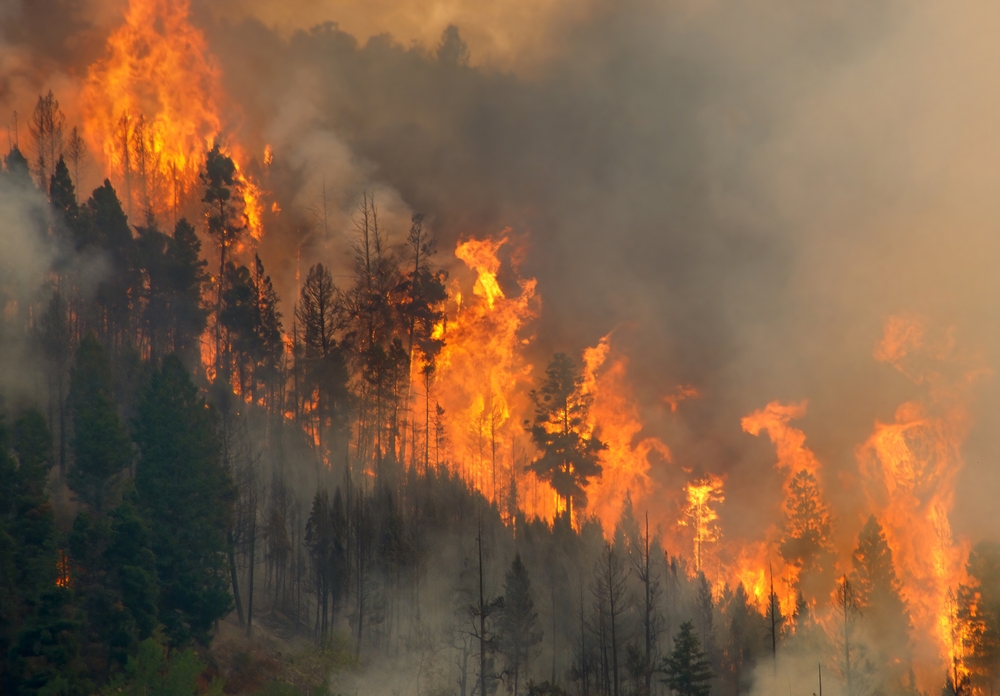
Some analysts warned that nuclear facilities might malfunction if computers misread the date reset as an error signal. The fear wasn’t just hypothetical — countries conducted emergency drills, revised safety protocols, and prepped backup teams for rapid deployment. Images of potential meltdowns and mass evacuations circulated widely, escalating public panic. For many, it felt like the Cold War and the Digital Age were colliding in real time.
Although engineers were confident they had addressed the vulnerabilities, the public remained unconvinced. Rumors of catastrophic chain reactions spread faster than reassurances from officials. Even people far from nuclear facilities felt gripped by the psychological spillover. The absence of disaster didn’t erase how real the fear once felt.
3. Banks Prepared for a Global Financial Collapse
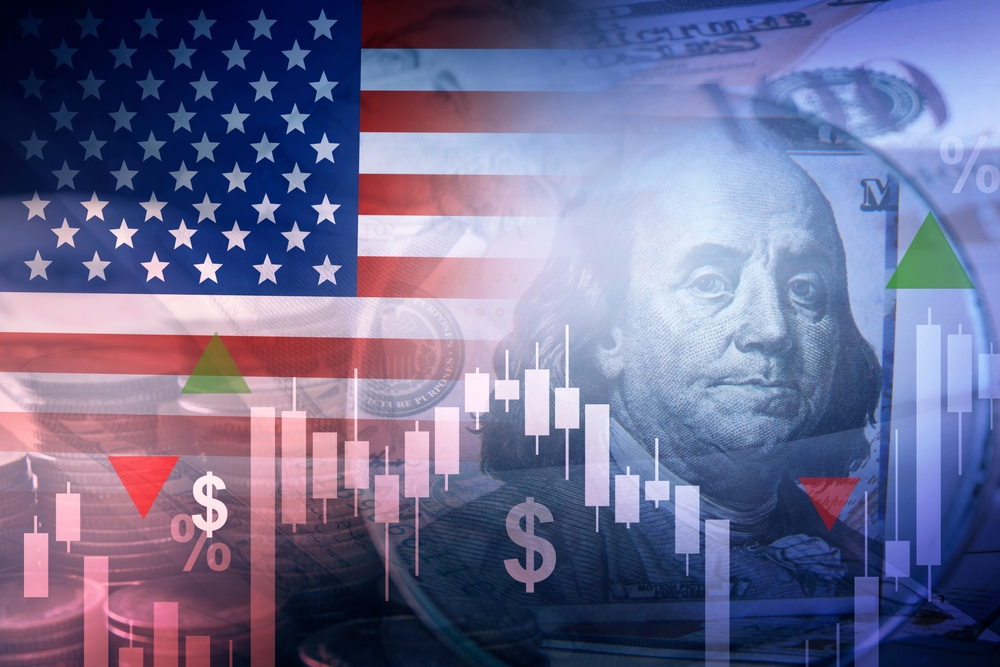
Financial institutions were concerned that their systems might reset to 1900, corrupting balances and erasing account histories. For weeks, headlines speculated about ATMs seizing up, stock markets crashing, and a full-scale economic breakdown. Some Americans withdrew large amounts of cash, convinced digital banking would cease to function. Banks quietly reinforced vaults, stocked extra currency, and instructed employees on emergency protocols.
The panic illuminated how fragile people believed the financial system really was. Even individuals who trusted technology found themselves nervously checking balances on December 30th and 31st. The idea that a single data glitch could destroy global wealth struck at a primal fear of security. While nothing happened, the anxiety forever changed how societies view digital finance.
4. Hospitals Braced for Life-Support Machines to Fail

Medical facilities worldwide scrambled to test and retest life-support equipment that relied on date-sensitive software. There were genuine concerns that ventilators, monitors, and infusion pumps could malfunction or shut down. Hospitals scheduled extra staff, rechecked power backups, and prepared manual workarounds for critical care. Families of vulnerable patients spent New Year’s Eve terrified of what midnight might bring.
Although engineers assured everyone that essential medical systems had been updated, the public remained deeply uneasy. The thought of hospitals going dark in an instant heightened the sense of impending doom. Many healthcare workers later described the night as one of the most stressful of their careers. In hindsight, it became a lesson in how uncertainty magnifies fear far beyond probability.
5. Some Predicted Civilization Would Collapse — Literally Overnight

As Y2K panic reached its peak, doomsday theorists warned of total societal breakdown: power grids failing, satellites crashing, water systems malfunctioning, and mass chaos unfolding within minutes of midnight. The imagery was so alarming that survivalist groups gained traction, selling bunkers, generators, and “Y2K-proof” supplies. Talk shows broadcast apocalyptic roundtables as if society were preparing for its final chapter. Supermarkets saw waves of panic buying that resembled early-pandemic behavior.
These end-of-world predictions created a psychological contagion that spread faster than any technical threat. People genuinely believed civilization was balanced on a digital knife-edge. The emotional buildup produced a collective dread that lingered long after the world continued to spin peacefully. In the end, Y2K didn’t break computers — it broke our illusions about technological stability.
6. World Governments Secretly Activated Emergency Bunkers

Behind the scenes, several governments activated Cold War–era emergency bunkers in case Y2K triggered widespread infrastructure failure. Officials claimed it was “just a precaution,” but leaked memos later revealed that some leaders genuinely feared losing command-and-control capabilities. These preparations sparked rumors that governments knew more than they publicly admitted. Citizens wondered whether leaders were quietly preparing for the worst while telling others to “stay calm.”
The bunker activations fueled conspiracy theories that spiraled out of control. People speculated about hidden protocols, deep underground networks, and global elites preparing to ride out the apocalypse in comfort. Even after the clock struck midnight peacefully, the revelation that countries had prepared escape hatches rattled public trust. It showed how fear at the top trickled down into society in ways few fully understood.
7. Tech Companies Ran Out of Programmers to Fix the Problem
As panic escalated, demand for programmers who understood legacy systems surged so dramatically that companies began poaching specialists at double or triple their salaries. Some workers reported being flown across the world to repair 30-year-old code buried in forgotten infrastructure. Others found themselves reverse-engineering systems so archaic they hadn’t been touched since the 1970s. It was a global competition for digital firefighters.
This shortage added to the sense of impending doom, as people feared that too few experts were available to patch the world’s critical software. The entire crisis exposed how dependent society had become on a tiny pool of people who understood the digital skeleton holding civilization together. Even after Y2K fizzled, programmers remained folk heroes of the apocalypse-that-never-was. The world realized how fragile its digital competence really was.
8. Some Predicted Prison Doors Would Randomly Unlock
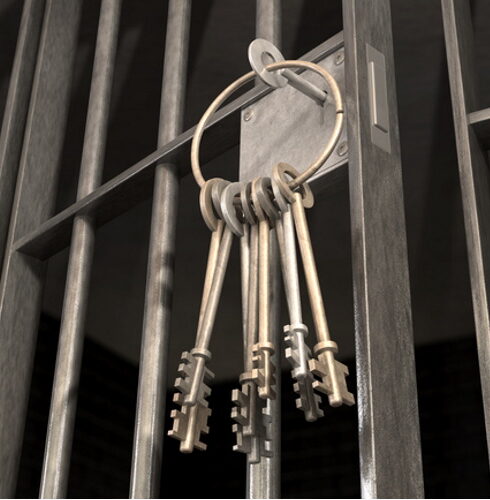
A widely circulated fear claimed that outdated prison-security systems might malfunction, automatically releasing inmates when the date resets. Sensational news programs and tabloids amplified the idea, producing dramatic reenactments that terrified viewers. People imagined mass prison breaks, fugitives roaming neighborhoods, and law enforcement scrambling in chaos. It was a plotline straight out of a dystopian thriller.
Prison officials tried to reassure the public, but their technical jargon did little to calm fears. Communities near correctional facilities reported heightened anxiety as the countdown approached midnight. Some families even left town for New Year’s Eve “just in case.” Though nothing happened, the panic alone left a deep psychological bruise on the national mood.
9. The World Feared Satellites Would Fall Out of Orbit
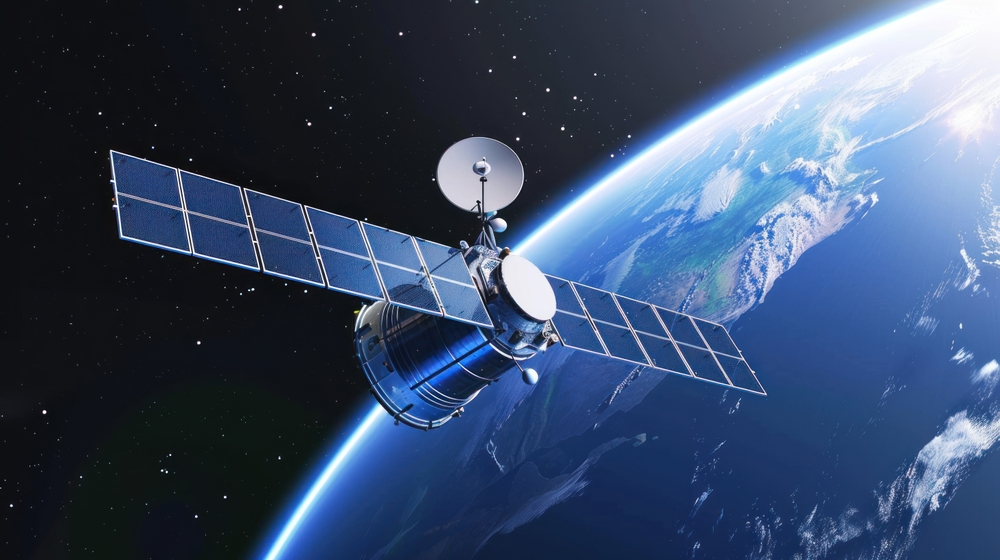
Another dire prediction suggested satellites could malfunction and lose orbit stability as the clock rolled over to the year 2000. This scenario would have meant everything from disrupted GPS systems to catastrophic debris showers raining from space. Media coverage amplified the possibility, often accompanied by ominous satellite graphics spiraling toward Earth. Viewers were glued to the news, imagining cosmic disaster.
Scientists attempted to clarify the risk, but their cautious explanations only fueled confusion. Many people began monitoring the sky, convinced they would witness falling debris at any moment. Amateur astronomers reported a spike in telescope purchases during the final months of 1999. Even after the uneventful rollover, lingering fear kept many scanning the skies.
10. Water and Power Utilities Expected Widespread Failures
Utility companies warned that water treatment plants, electrical grids, and gas systems might malfunction if their embedded date software glitched. These warnings led families to stockpile bottled water, batteries, candles, and generators with pandemic-level intensity. Some neighborhoods organized emergency response plans as though preparing for a natural disaster. Fear seeped into every aspect of daily life.
Officials reassured the public that extensive testing had resolved most vulnerabilities, but skepticism remained high. The sheer complexity of utility networks left people wondering whether a single overlooked system could cascade into regional blackouts. As New Year’s Eve approached, anxiety about losing basic resources overshadowed holiday celebrations. When utilities continued functioning as usual, relief washed over communities like a second sunrise.
11. The U.S. Military Quietly Went on High Alert

The Pentagon increased preparedness levels in anticipation of potential communication or weapons-system malfunctions tied to Y2K. Though officials didn’t publicly detail their contingency plans, insiders later confirmed that the military treated the rollover as a legitimate national-security threat. The idea that technological glitches could compromise defense systems terrified the public. Whispers of accidental missile launches kept anxiety high.
While leadership insisted that safeguards were in place, citizens remained uneasy about any scenario involving automated weaponry and unpredictable software. Some experts publicly expressed concern about nuclear misreads or radar failures, which sent panic through news cycles. The military’s visible tension amplified the sense that something massive could go wrong. Even in the absence of an incident, the heightened readiness underscored how fragile global peace felt.
12. Apocalypse Preppers Hit Peak Popularity

Y2K launched a prepper movement so intense that survival books, freeze-dried food, and bunkers sold out months before the new year. People who had never considered doomsday prepping before found themselves ordering generators and ration kits with impulsive abandon. Entire communities formed around the idea of riding out a technological collapse. It was the birth of survivalism as a mainstream identity.
After the rollover passed without incident, many preppers were left with garages full of emergency supplies and an uncomfortable sense of anticlimax. The movement didn’t die, though — it evolved, gaining momentum in later years with every new disaster or political scare. Y2K wasn’t just a false alarm; it was a cultural turning point. It fueled a preparedness culture still thriving today.
13. Religious Groups Interpreted Y2K as a Prophetic Event

Some religious leaders framed Y2K as a biblical sign, predicting the apocalypse, the rapture, or divine judgment unfolding at midnight. Entire congregations spent weeks emotionally preparing for the end of days. Sermons warned followers to repent, reconcile, or brace themselves spiritually. In many communities, fear took on a distinctly theological tone.
This religious amplification layered moral panic on top of technological panic. People felt torn between trusting engineers and trusting prophecy, creating a deeply emotional conflict. The anxiety pushed families to reevaluate beliefs, relationships, and even their own mortality. When nothing happened, many experienced a mix of relief, confusion, and spiritual disorientation.
14. The Media Treated Y2K Like a Global Thriller

Television networks produced hour-by-hour countdown specials featuring dramatic theme music, ominous computer graphics, and interviews with grim-faced experts. News anchors delivered updates with the emotional cadence of a disaster movie narrator. Every minor technical glitch in the final weeks was magnified into a potential catastrophe. The spectacle became almost addictive.
This media frenzy shaped public perception far more than technical data ever could. People formed emotional responses based on tone, visuals, and repetition rather than probability. Sensationalism amplified fears until they felt tangible. Even after Y2K passed quietly, the media’s performance remained etched in collective memory.
15. Midnight Watch Parties Turned into Anxiety Support Circles

Instead of joyful millennium celebrations, many New Year’s Eve gatherings morphed into tense monitoring sessions. Families huddled around televisions and computers, waiting to see if the moment would bring collapse or anticlimax. People exchanged nervous jokes and held their breath as the final seconds ticked away. Some even recorded the moment in case history needed evidence.
When nothing happened, parties erupted in relief rather than celebration. People laughed hysterically, hugged strangers, and toasted to having survived a catastrophe that never occurred. The emotional release felt almost euphoric after months of dread. In hindsight, surviving collective fear became its own strange bonding moment.


