

In the age of unexpected travel disruptions—from sudden flight cancellations and extreme weather events to geopolitical flare-ups—the concept of an “emergency travel bag” (ETB) has moved from niche paranoia to essential, proactive preparedness. Most people remember a first-aid kit and a phone charger. Still, they overlook the small, crucial items that provide comfort, communication, and self-sufficiency when infrastructure collapses, or you’re stuck somewhere unexpected for 48 hours.
An ETB isn’t a bug-out bag; it’s a sleek, practical contingency plan for the modern, complicated world of travel. Here are 15 small, highly functional items that seasoned travelers swear by and that everyone else routinely forgets.
1. A High-Quality Rechargeable Headlamp
Everyone remembers a flashlight, but a hands-free headlamp is infinitely more useful when navigating a power outage, repairing luggage, or setting up a tent. Look for one that is water-resistant and, crucially, rechargeable via USB-C, ensuring it can be powered up from any modern source. This is far superior to juggling a phone or a clumsy traditional flashlight.
A headlamp frees both hands for essential tasks, such as carrying other bags or handling emergency repairs. The fact that it doesn’t take up precious hand space makes it a superior and often forgotten piece of gear for any sudden, low-light situation.
2. Duct Tape Wrapped Around a Card

You don’t need to pack an entire, bulky roll of duct tape. Instead, take a few feet of high-quality tape and wrap it tightly around an old credit card, a plastic hotel key, or a small piece of cardboard. Duct tape is the universal fix-all for ripped luggage, broken zippers, unexpected holes, and temporary repairs. This simple hack saves space and provides an indispensable tool.
This miniature, travel-sized supply is easily tucked into a wallet or a small pocket and provides enough material for dozens of emergency fixes. It’s the ultimate low-cost, high-utility item for any repair.
3. A Laminated List of Key Phone Numbers

In a true emergency, cell networks can fail, or your phone battery might die, leaving you unable to access contacts stored digitally. A small, laminated card listing essential numbers—family members, bank, travel insurance, and local embassy—is a crucial analog backup. This ensures critical contact is possible even without a working smartphone.
This simple piece of paper is immune to power outages, hacking, and water damage. It’s a throwback item that provides a necessary bridge to the outside world when your digital life is temporarily cut off.
4. Backup Eyewear (Contacts or Cheap Glasses)

If you rely on corrective lenses, losing or breaking your primary glasses or running out of contact lenses is an emergency that renders you functionally disabled. A cheap pair of backup glasses or a few days’ worth of spare contacts is a non-negotiable insurance policy. This allows you to function, read, and navigate in a crisis.
This is particularly important in foreign countries where replacing specialized lenses can be time-consuming or impossible. It’s an easy, low-cost investment in your most important tool: your sight.
5. A Multi-Currency Cash Stash

Most people carry only local currency or rely entirely on credit cards. An ETB should include a small stash of a universally accepted foreign currency, such as $50 to $100 in U.S. dollars or Euros, along with a few twenties in the local currency. This provides immediate liquidity if ATMs are down or banks are closed.
This cash can be used for emergency bribes, immediate transportation, or essential small purchases when digital payments are impossible. It’s the ultimate, old-school backup payment system.
6. Small Pack of Zip Ties

Zip ties, or cable ties, are one of the most versatile and underappreciated items for travelers. They can be used to secure a broken suitcase temporarily, lock two bags together for safety, quickly bundle loose items, or secure a door or window latch. They offer a simple, powerful, and reusable form of secure binding.
They are lightweight, take up minimal space, and can be easily removed when their use is finished. These simple plastic loops are far more helpful than carrying bulky rope or specialized locks.
7. A High-Calorie Energy Bar with a Long Shelf Life

A concentrated, high-calorie food source, such as a specialized survival bar or a simple Clif Bar, should be packed and left untouched until necessary. This provides essential fuel if you are stranded, delayed without food options, or unable to access clean cooking facilities. This is your most immediate source of survival energy.
Look for bars with a long shelf life (at least one year) and resistance to heat and cold. This small, sealed meal is a crucial defense against hunger-induced panic or fatigue.
8. Water Purification Tablets
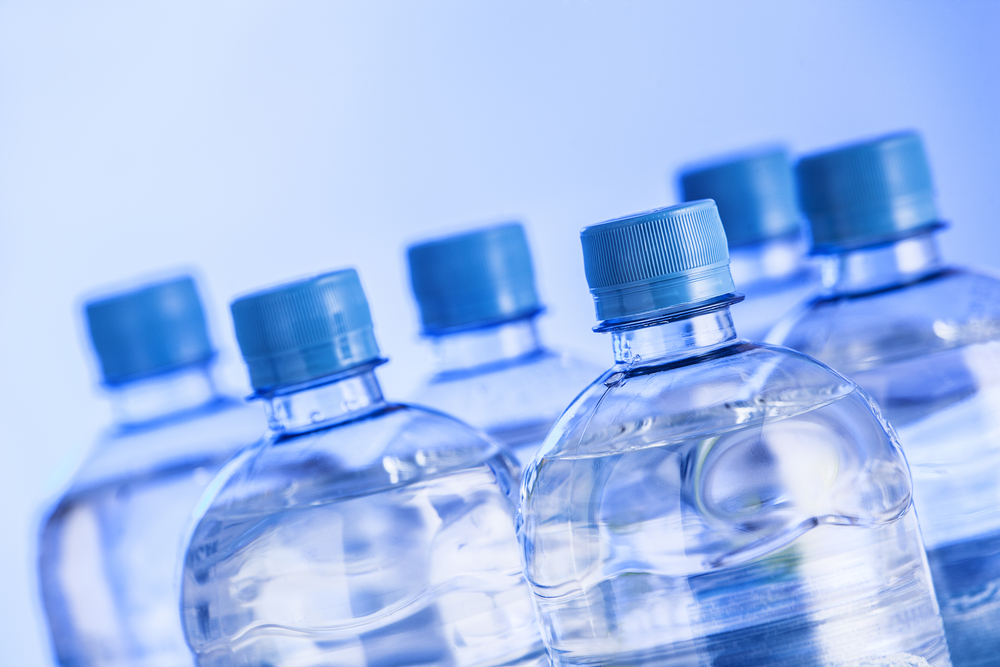
A life straw is effective, but purification tablets are lighter, cheaper, and require less effort. They are small foil packets that, when dropped into a contaminated water source, render it safe to drink. This is critical if you are stuck without access to bottled water. This ensures you can access clean drinking water from almost any source.
These tablets are a cheap, high-yield insurance policy against dehydration and waterborne illnesses. They are essential for any trip that takes you off the beaten path or into unstable regions.
9. A Digital Copy of Your Passport and Visas

While a physical copy is good, a password-protected digital scan of your passport, visas, driver’s license, and health records, saved to an encrypted cloud service or a USB drive, is better. If all your physical documents are lost, having these files can significantly expedite replacement at an embassy. This digital backup is often forgotten until it’s too late.
In a crisis, the ability to quickly produce proof of identity and citizenship is paramount. Keep the file separated from your phone to ensure redundancy.
10. A Roll of Quarters and Dimes

While cash is important, a small roll of quarters and dimes (or local equivalent small coins) is essential for accessing vending machines, coin-operated laundry, pay phones (if available), and, most importantly, emergency transportation like buses or subways that do not accept digital payments. This provides access to vital, low-cost services.
This small stash of change is necessary at airports and train stations, where small fees for carts or facilities often require physical coins. It’s a low-tech key to high-tech infrastructure.
11. A Universal Sink Stopper
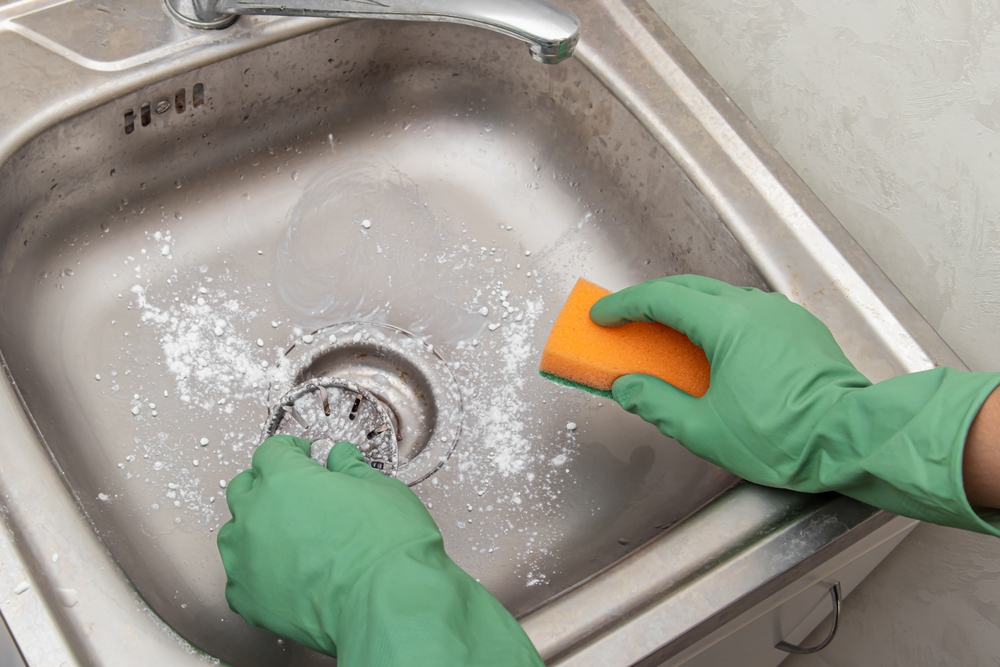
Hotel sinks rarely have functional stoppers, so you often need to wash small items of clothing, such as socks or underwear, in your room. A universal rubber sink stopper lets you turn any sink into a functional washbasin. This allows you to quickly clean essential items without relying on expensive laundry services.
This tiny, lightweight rubber disc vastly improves your self-sufficiency for light laundry. It’s a simple convenience that becomes an essential piece of hygiene equipment during long delays.
12. A High-Powered Whistle

A basic, high-decibel safety whistle is a loud, nonverbal signaling device that requires minimal energy to operate. It can be used to alert rescuers to your location, scare off potential threats, or signal a crisis to a large crowd. Its piercing sound carries much farther than a human voice.
Attach it to your bag or zipper for immediate access. It’s a small, basic device that is invaluable for attracting attention in an emergency or signaling to separated travel companions.
13. A Small Notebook and Tactical Pen

In a power outage or a moment of crisis, you need a way to take notes, record important details, or leave a message. A small, rugged notebook and a durable pen (preferably a tactical pen that works in all weather) are essential for recording times, phone numbers, and emergency instructions. This is a critical analog recording tool.
The pen should be a reliable model that won’t leak or fail under pressure. This combination is crucial for recording accurate, vital information when digital devices are unavailable or compromised.
14. An Empty, Collapsible Water Bottle

A lightweight, collapsible water bottle, ideally one that can roll up when empty, is critical. It allows you to refill from any available water source (once purified) without carrying a full bottle. This is essential for maintaining hydration without adding bulk to your bag.
The ability to easily carry a liter of water is a baseline survival need. Look for one made of durable, food-grade silicone or flexible plastic that can withstand a lot of wear and tear.
15. A Chemical Hand Warmer

Small, single-use chemical hand warmers, the kind used by skiers, can provide up to 10 hours of heat when activated. If you are stranded in an unheated airport, train station, or car in cold conditions, these measures can help prevent hypothermia. They provide concentrated, life-saving warmth.
These packets are a tiny, cheap insurance policy against an unexpected cold. They are lightweight and require no batteries, making them a superb emergency heat source.


