
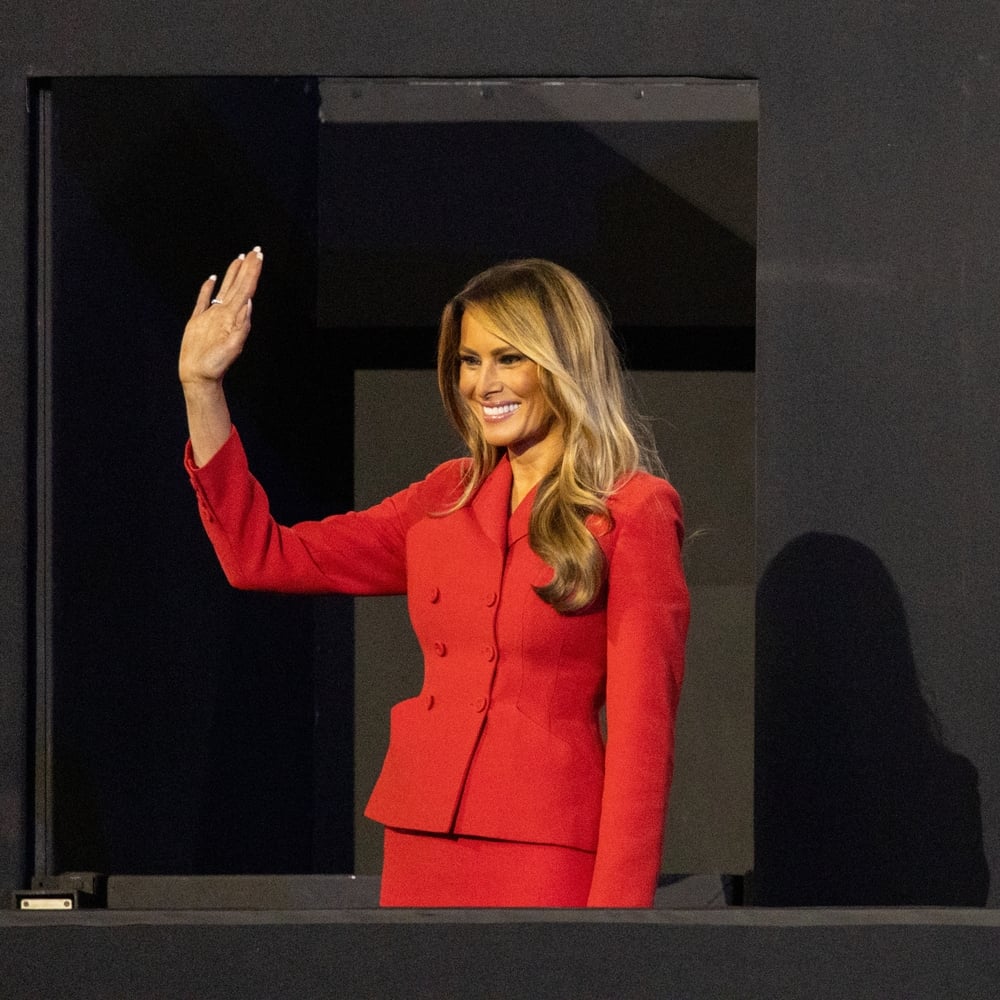
Melania Trump has been in the public eye for decades, yet most coverage flattens her into a handful of familiar tropes. The result is that many basic, verifiable details about her life get lost beneath speculation, symbolism, or overinterpretation. When you strip away the projections and focus on concrete facts, a more specific—and less mythologized—picture emerges. These are factual details about Melania Trump that most people don’t know, not because they’re hidden, but because they’re rarely foregrounded.
1. She Was Born and Raised in What Was Then Yugoslavia
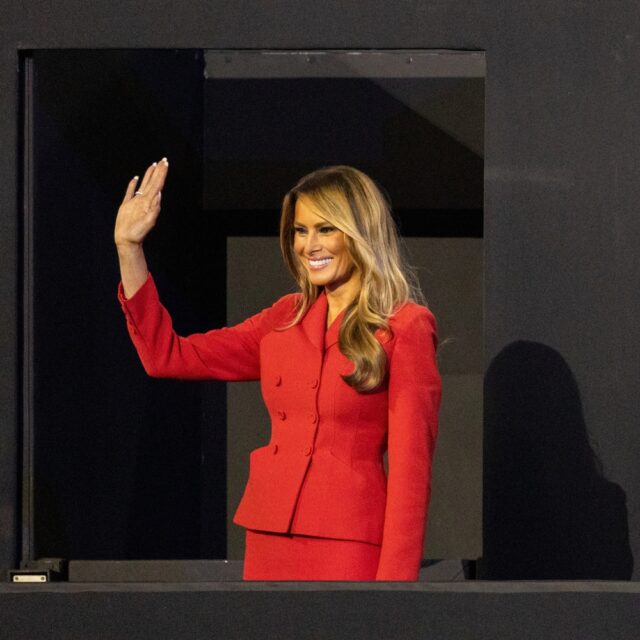
Melania Trump was born in Novo Mesto and raised in Sevnica, in what was then Yugoslavia. This was a socialist state with strict economic and cultural structures, very different from both the U.S. and Western Europe. Her childhood unfolded under a political system that shaped daily life, access to goods, and social expectations. That environment predates Slovenia’s independence by years.
Historians of the region note that Yugoslav socialism combined state control with limited openness to Western culture. Research on post-Yugoslav societies shows strong norms around privacy, discipline, and emotional restraint. Growing up in that context shaped how people navigated public and private life. That background is often reduced to “European,” but it was far more specific.
2. She Attended a Different High School Than Her Sister

Melania attended a specialized secondary school for design and photography, rather than a general academic high school. Her sister followed a different educational path. This choice placed Melania in a technically oriented, creative environment at a young age. It wasn’t a default or family-wide decision.
Specialized secondary education in Yugoslavia was competitive and skill-focused. Students were trained with practical application in mind, not just theory. This background explains her early comfort with visual presentation and structure. It also marked an early divergence in her personal trajectory.
3. She Started Modeling as a Teenager

Melania began modeling work in her mid-teens after being discovered by a fashion photographer. This meant entering professional adult environments while still very young. She worked with agencies and photographers well before leaving Europe. Modeling was not a late or casual career pivot.
Industry research on modeling consistently shows that early entry requires discipline, adaptability, and self-regulation. Teen models are expected to navigate adult expectations without much institutional protection. That experience often shapes long-term behavioral patterns. It also contradicts narratives that frame her as passive or accidental in her career.
4. She Lived in Multiple European Cities Before the U.S.

Before moving to the United States, Melania lived and worked in cities including Milan and Paris. These were not brief visits, but professional relocations tied to modeling contracts. Her early adulthood was marked by mobility rather than permanence. Constant movement was part of the job.
Living across countries requires language switching, cultural adjustment, and logistical independence. This kind of transnational lifestyle often produces self-containment and adaptability. Those traits are sometimes misread later as emotional distance. In reality, they’re learned survival skills.
5. She Met Donald Trump After Already Establishing a Career
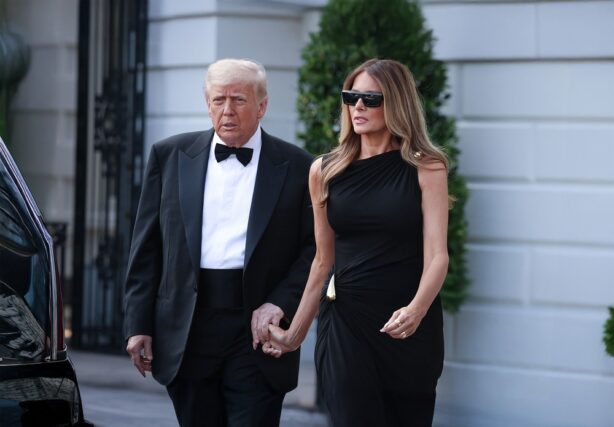
Melania met Donald Trump in her late twenties, after years of professional modeling work. She was not at the beginning of her adult life or career. By that point, she had lived independently and worked internationally. This context is often omitted.
Age and experience affect power dynamics in high-profile relationships. Entering a relationship with financial and professional history changes leverage and boundaries. This fact complicates portrayals of her as inexperienced or unprepared. She was not new to adult autonomy.
6. She Continued Earning an Independent Income After Marriage
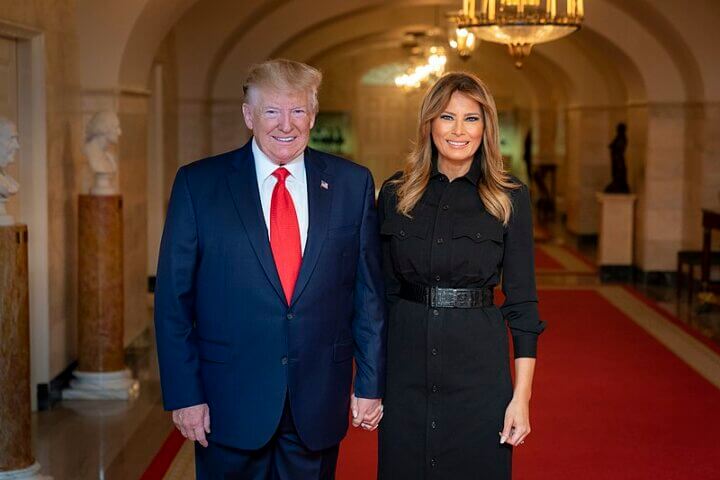
After marrying Donald Trump, Melania continued modeling and pursued independent business ventures. She did not immediately withdraw from paid work. Financial independence remained part of her life early in the marriage. That separation mattered.
Sociological research on marriage consistently shows that independent income affects autonomy and decision-making. Economic agency reduces reliance, even in wealthy partnerships. This dynamic is often overlooked in public narratives about her role. It shaped her early positioning within the marriage.
7. She Delayed Moving Into the White House Longer Than Any Modern First Lady
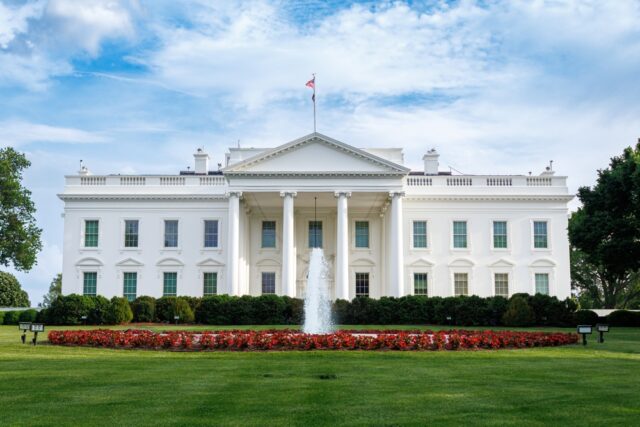
Melania stayed in New York for several months after the inauguration instead of moving directly into the White House. This was unprecedented in modern presidential history. The delay was publicly attributed to family logistics, but the length was notable. It broke established precedent.
The decision signaled a clear boundary between role and residence. Regardless of motive, the action itself was factual and historically distinct. It set expectations for a less immersive First Lady role. Timing, not rhetoric, defined the message.
8. She Made Fewer Public Appearances Than Any Recent First Lady
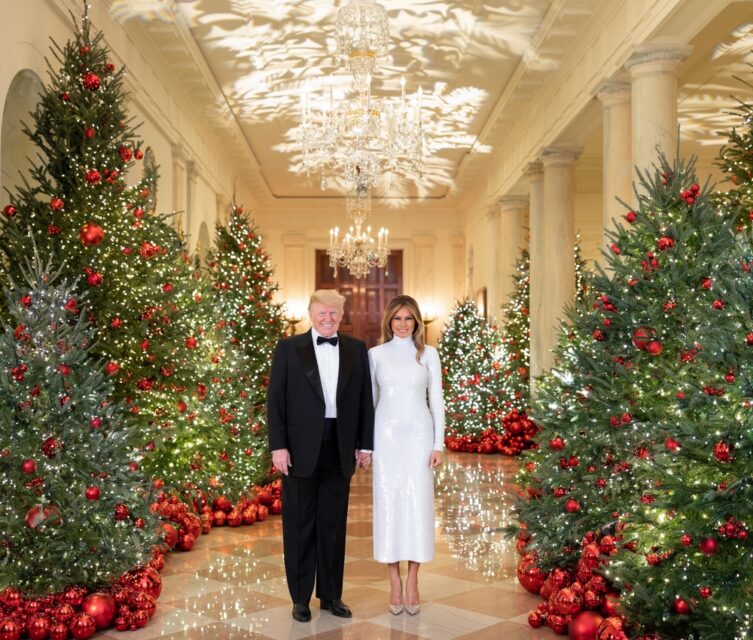
During her tenure, Melania appeared publicly far less often than her immediate predecessors. This was consistent over time, not limited to specific periods. Her schedule was intentionally narrow. Visibility was controlled.
Public role scholars note that absence itself communicates boundaries. Choosing when not to appear shapes perception just as much as presence. Her limited schedule wasn’t reactive—it was patterned. That pattern is measurable, not interpretive.
9. She Focused on a Single, Narrow Initiative as First Lady

Unlike First Ladies who adopted multiple policy areas, Melania focused on one loosely defined initiative. She did not expand into education, healthcare, or large-scale advocacy. The scope was intentionally constrained. This choice stood out.
Historians of the First Lady role emphasize that it is informal and self-directed. Some expand it aggressively; others limit it deliberately. Melania’s approach reflected contraction rather than ambition. That restraint was consistent with her broader public behavior.
10. She Rarely Gives Long-Form Interviews

Throughout her public life, Melania avoided extended interviews that invited personal disclosure. Most of her media appearances were brief and tightly controlled. She did not engage in confessional storytelling. This was a consistent pattern.
Long-form interviews create narrative access and emotional framing. Declining them limits interpretive material. This choice frustrated media outlets but reduced exposure. It preserved distance at the cost of clarity.
11. She Changed Her Name Professionally Before Entering U.S. Public Life

Before becoming widely known in the United States, Melania adjusted how her name appeared professionally, simplifying it for modeling work. This kind of name modification was common among Eastern European models working in Western markets. The change was pragmatic rather than symbolic. It made it easier for her to book and market internationally.
In the fashion industry practice, name adaptation often reflects career strategy rather than identity shift. Agencies regularly encouraged changes to reduce pronunciation friction or cultural bias. Melania’s choice aligned with standard modeling norms of the time. It also predated any political association.
12. She Was Not a Regular Presence at Trump Organization Events Early On
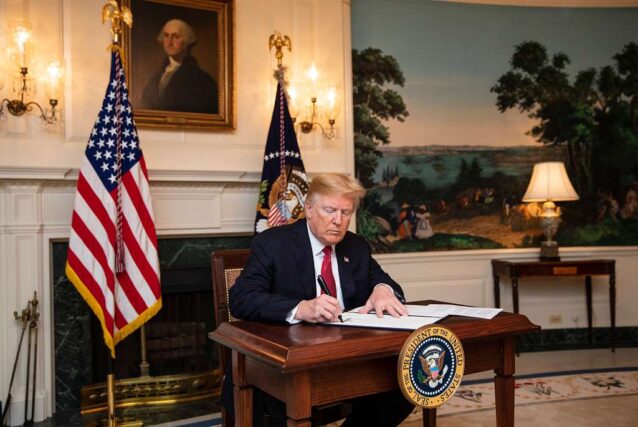
During the early years of her relationship with Donald Trump, Melania did not consistently attend Trump Organization functions or public-facing business events. Her appearances were selective rather than routine. She was not positioned as a visible business partner. That absence was noticeable even before politics.
This distinction matters because many high-profile spouses are integrated into branding early. Melania maintained separation from corporate visibility. Her limited presence reflected a clear boundary between personal relationships and public enterprise. That pattern continued later.


