

The British royal family posts polished smiles, ribbon cuttings, and carefully framed moments of service — but what they don’t post is often more revealing than what they do. In an era where politicians overshare and celebrities livestream their breakdowns, the monarchy’s restraint feels almost defiant. That silence isn’t accidental; it’s strategic, cultural, and deeply protective of power. These are the topics the royals consistently avoid online — and why those omissions matter more than ever.
1. Anything Not on Brand—Silence Is the Strategy
Ultimately, what the royal family doesn’t post is the point. Social media silence protects tradition, authority, and narrative control. Oversharing would democratize the monarchy in ways it can’t afford. Distance sustains reverence.
In the age of constant disclosure, restraint becomes a form of power. The feed is not incomplete — it’s curated. And that curation is the institution speaking loudest of all.
2. Internal Family Conflicts

Public unity is the monarchy’s most valuable asset. Disputes, estrangements, and power struggles undermine that image instantly. As a result, family tension is addressed through silence or proxy statements, rather than posts. Instagram is not where dynastic conflict lives.
The absence itself becomes the message. When no one acknowledges visible fractures, the institution maintains control over the timing of the narrative. Silence delays accountability. It also fuels speculation.
3. Mental Health Struggles

While individual members have spoken publicly about mental health in interviews or documentaries, royal social media accounts avoid the topic almost entirely. Posts favor resilience and duty over vulnerability. Struggle disrupts the image of emotional steadiness. That omission reinforces unrealistic expectations.
Research published in The Lancet Psychiatry highlights how institutional cultures often discourage mental health disclosure to preserve authority. The monarchy exemplifies this dynamic. Their feeds reflect strength rather than strain. That choice protects the institution, not necessarily the people inside it.
4. Colonial History and Ongoing Global Tensions

Royal accounts celebrate Commonwealth visits without addressing colonial legacy. There’s no discussion of reparations, historical harm, or contested symbolism. The visuals focus on unity rather than reckoning. Context is quietly stripped away.
This silence isn’t ignorance; it’s strategy. Acknowledging colonial history publicly would invite debate that the monarchy can’t control. Social media rewards clarity, not complexity. The institution opts out.
5. Royal Security and Surveillance

Security is omnipresent in royal life, but nearly invisible online. You won’t see posts about threat assessments, intelligence coordination, or daily restrictions. The illusion of accessibility is carefully maintained. Behind the scenes, life is tightly controlled.
Experts in security studies, including analyses cited by the Royal United Services Institute, note that modern monarchies rely on extensive surveillance infrastructure. Social media obscures that reality. Visibility would humanize vulnerability. The brand requires invincibility.
6. Power Dynamics Between Senior and Junior Royals

Hierarchy governs everything, yet society presents everyone as equally valued. Promotions, demotions, and internal status shifts are never explained. Smiles flatten the structure. Reality is far more rigid.
Those dynamics affect autonomy, funding, and visibility. Silence preserves order. Transparency would raise uncomfortable questions. The algorithm prefers harmony.
7. Anything That Isn’t Carefully Staged

Royal content looks spontaneous, but rarely is. Walks, waves, and interactions are choreographed. The performance is subtle enough to feel authentic. That illusion is intentional.
Media scholars cited in the Journal of Visual Culture explain how institutions use “managed authenticity” to maintain trust. Royal social media is a masterclass in this technique. The staging is invisible by design. Acknowledging it would break the spell.
8. Political Nuances
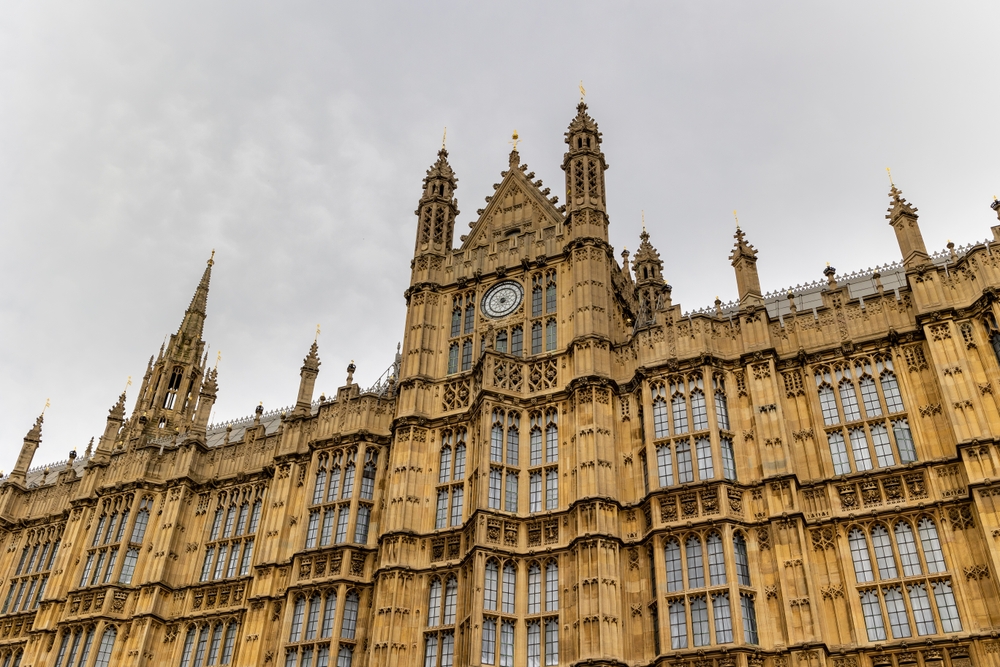
The monarchy claims political neutrality, yet symbolism often speaks louder than statements. Outfit choices, attendance, and silence during crises can all be read as political signals. Social media avoids explaining those nuances. Ambiguity protects flexibility.
Explaining intent would limit maneuverability. Silence keeps options open. The feed remains safely vague.
9. Emotional Labor Required of Royal Women

Royal women are praised for composure, grace, and warmth, but the toll of constant scrutiny is never acknowledged online. Emotional labor is expected rather than discussed. Smiling becomes part of the job description. Exhaustion stays off-camera.
This silence reinforces gendered expectations. Vulnerability risks criticism. Perfection is safer.
10. Succession Anxiety and Long-Term Uncertainty

Succession planning is central to a monarchy’s survival, yet it is never addressed socially. Health concerns, transitions, and internal preparation remain private. The public sees continuity, not contingency. Anxiety is hidden.
That silence stabilizes markets and morale. Acknowledging uncertainty would disrupt confidence. The future stays implied.
11. Media Manipulation and Favoritism

Relationships with the press shape coverage dramatically. Friendly outlets receive access; critical ones are sidelined. Social media never acknowledges this ecosystem. The feed suggests neutrality that doesn’t exist.
Control of narrative depends on selective amplification. Silence maintains plausible deniability. The strategy works precisely because it’s unseen.
12. The Psychological Impact of Being Royal

Being watched at all times alters behavior and identity. Royals live under permanent observation, yet their feeds never reflect that reality. The strain is invisible. Normalcy is curated.
Acknowledging surveillance would invite empathy. It might also invite critique. Silence keeps the mystique intact.
13. Financial Independence Myths

Royal narratives emphasize service over wealth. Posts rarely mention personal assets, trusts, or inheritances. The image is duty-first, not privilege-first. That framing matters.
Clarifying finances would challenge public assumptions. Silence preserves moral authority. Transparency risks resentment.
14. Internal Rules That Govern Every Aspect of Life

Dress codes, speech protocols, and behavioral restrictions shape daily life. These rules are never outlined online. Freedom is implied where it doesn’t exist. Constraint stays invisible.
Rules maintain order. Explaining them would humanize the institution too much. Mystery reinforces power.
15. The Real Cost of Maintaining the Monarchy

Royal social media accounts celebrate charitable work and national pride, but never itemize the institution’s true financial cost. Taxpayer funding, security expenses, and estate maintenance are quietly excluded from the Instagram narrative. The aesthetic suggests tradition without consequence. That gap shapes public perception.
According to reports by the UK National Audit Office and analysis cited by The Guardian, the Sovereign Grant has increased significantly over the past decade, driven by palace renovations and security needs. Social media never contextualizes those numbers. Silence helps preserve goodwill. Transparency would complicate the fairy tale.


