

Influencer culture runs on trust long before it runs on algorithms. Audiences are asked to believe that proximity equals credibility, that personal testimony substitutes for evidence, and that relatability can stand in for regulation. When that trust collapses, it rarely happens quietly. These influencers weren’t cancelled for being annoying or controversial, but for selling products or ideas that promised transformation without proof—and, in many cases, caused real harm. Their downfalls reveal where influence ends and accountability begins.
1. Belle Gibson and the Fake Cancer Cure Empire
Belle Gibson built a massive wellness following by claiming she had cured terminal brain cancer through diet, supplements, and alternative therapies. Her story drove book sales, app downloads, and brand deals, all centered on the idea that conventional medicine was unnecessary if you followed her method. None of it was true. She never had cancer.
Investigations by journalists and health authorities confirmed the deception, and medical institutions emphasized the danger of promoting unproven cancer treatments. Public health experts warned that Gibson’s claims could discourage people from seeking life-saving medical care. Her cancellation wasn’t about dishonesty alone, but about the real-world risk of presenting personal anecdotes as medical guidance.
2. Jay Mazini and the Cash Giveaway Grift
Jay Mazini rose to prominence by filming viral videos of himself giving cash to strangers and promoting crypto investments as a way to “build generational wealth.” His brand rested on generosity and financial empowerment. Behind the scenes, investors accused him of running a Ponzi-style scheme. The giveaways were marketing, not altruism.
When fraud charges surfaced, the narrative collapsed quickly. Followers realized that the wealth he showcased depended on misleading others. His cancellation exposed how philanthropy aesthetics can be used to legitimize financial scams. Generosity became camouflage.
3. Brittany Dawn and the Fitness Program That Wasn’t

Brittany Dawn sold personalized fitness and nutrition plans to thousands of followers, promising tailored guidance and transformation. Customers later revealed that many received identical plans or no support at all. Complaints mounted as people reported being ignored after payment. The brand’s credibility disintegrated.
Consumer protection authorities eventually stepped in, citing deceptive business practices. Regulatory bodies emphasized that selling health-related programs carries legal responsibility, even online. Her cancellation highlighted how influencer businesses are still businesses, regardless of how personal the branding feels.
4. James Arthur Ray and the “Spiritual Warrior” Tragedy

Motivational speaker James Arthur Ray marketed high-cost retreats promising spiritual breakthroughs and personal rebirth. One event, framed as a purification ritual, resulted in multiple deaths. Participants were pushed beyond safe physical limits in the name of transformation. The aftermath was catastrophic.
Ray’s influence had blurred the line between inspiration and authority. His cancellation followed criminal charges and public reckoning. The case revealed how spiritual language can override skepticism when paired with charismatic leadership. Belief became dangerous.
5. Teal Swan and the Mental Health Misinformation Machine

Teal Swan gained a large following by offering emotional healing advice that blended spirituality with psychological language. Critics and mental health professionals raised concerns that her teachings discouraged professional care and promoted harmful coping strategies. Former followers described emotional manipulation and dependency.
Mental health organizations warned against unlicensed individuals presenting themselves as therapeutic authorities. Research on suicide prevention stressed the risks of framing trauma as something to be solved through self-guided spiritual methods alone. Swan’s controversy underscored how mental health language can be weaponized without credentials.
6. Rachel Hollis and the Relatability Collapse

Rachel Hollis built an empire around self-help messaging aimed at women, positioning herself as honest, hardworking, and just like her audience. That image cracked when her advice increasingly contradicted her behavior and background. Comments dismissing her audience’s struggles accelerated the backlash.
The cancellation wasn’t about a single product, but about selling an identity that no longer aligned with reality. Her brand promised empowerment while drifting into condescension. The trust rupture showed how fragile parasocial credibility can be when relatability is exposed as performance.
7. Goop and the Wellness Products That Outran Evidence

Goop popularized wellness products and practices that claimed to detox, balance hormones, or heal conditions without scientific backing. Vaginal steaming and detox kits drew particular criticism from medical professionals. The brand framed skepticism as closed-mindedness rather than caution.
Medical associations and regulatory bodies repeatedly challenged Goop’s claims, emphasizing the lack of evidence and potential harm. Studies in consumer health highlighted how wellness branding can obscure risk behind luxury aesthetics. Goop’s controversies revealed how snake oil doesn’t always look cheap—it often looks aspirational.
8. Alex Jones and the Supplement Fear Economy

Alex Jones promoted supplements as protection against exaggerated or fabricated threats, using fear to drive sales. His influence depended on convincing audiences that mainstream institutions were lying while he alone offered truth and solutions. The products were framed as survival tools.
Legal consequences eventually followed, but the cancellation stemmed from the realization that fear was the business model. Selling panic alongside pills exposed how misinformation monetizes anxiety. The supplements were secondary to the narrative.
9. The Liver King and the Steroid “Ancestral” Lie

The Liver King built a following by promoting an “ancestral lifestyle” centered on raw organ meats and extreme discipline. He claimed his physique came solely from natural practices. Later revelations confirmed long-term steroid use. The authenticity myth collapsed.
His cancellation showed how purity narratives sell better than honesty. Audiences weren’t upset about supplementation; they were upset about being misled. The snake oil wasn’t the lifestyle—it was the denial of enhancement.
10. Caroline Calloway and the Creative Workshop Scam

Caroline Calloway sold expensive writing workshops promising inspiration, mentorship, and transformation. Attendees arrived to find disorganization and little substance. The events failed to deliver what was advertised. Refunds and apologies followed, but the damage was done.
Her cancellation illustrated how charisma can substitute for preparation until it can’t. Selling access without structure exposed the limits of personal branding. Creativity wasn’t the issue—accountability was.
11. Grant Cardone and the Hustle Investment Pitch

Grant Cardone promoted real estate investment opportunities framed as accessible paths to wealth. Critics argued that risks were downplayed and benefits overstated. His messaging leaned heavily on urgency and exclusivity. Followers were encouraged to act fast.
The backlash revealed how hustle culture blurs into financial coercion. Selling confidence without context leaves little room for informed consent. The cancellation wasn’t total, but the trust erosion was clear.
12. Detox Tea Influencers and the Body Control Economy

Multiple influencers promoted detox teas as weight-loss solutions despite known laxative effects and health risks. The products were framed as wellness tools rather than appetite suppressants. Young audiences were especially targeted. The messaging normalized disordered eating.
Public backlash grew as health advocates highlighted the dangers. Influencers were forced to reckon with the impact of their endorsements. The cancellation revealed how normalized harm can become when it’s branded as self-care.
13. NFT Influencers Who Pumped and Disappeared
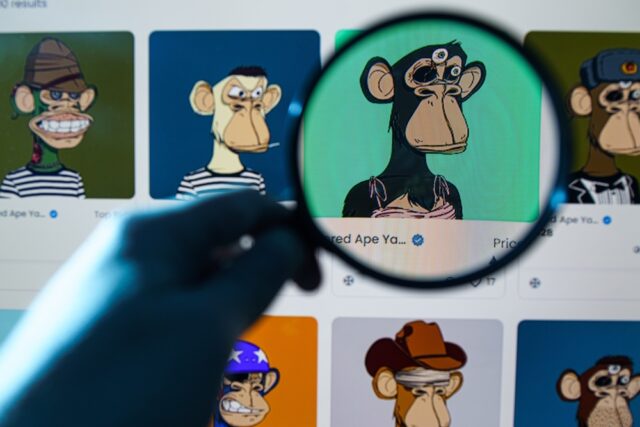
During the NFT boom, influencers promoted digital assets with promises of community and long-term value. Many projects collapsed after initial hype, leaving followers with worthless tokens. Influencers often exited quietly while audiences absorbed the losses.
The cancellations exposed how financial literacy gaps are exploited through hype language. Selling optimism without transparency became a recognizable pattern. Trust eroded as people realized influence doesn’t equal accountability.


