

Most valuable objects don’t look valuable at all. They sit in drawers, closets, basements, and attics because they were once ordinary, functional, or sentimental. What turns some of them into million-dollar artifacts isn’t luxury, but accident—timing, scarcity, provenance, or survival. These are objects millions of people have owned without realizing that the right version, from the right moment, could quietly change a life.
1. Old Family Photographs With Unremarkable Faces
Most people think of family photos as sentimental clutter, not assets. They’re often stored loosely, unlabeled, or partially damaged, especially if they date back to the 19th or early 20th century. At a glance, they look interchangeable with thousands of others. That assumption is what makes some of them extraordinary.
Photographs become valuable when they accidentally document historical moments, locations, or social conditions before they were widely recorded. Images capturing early urban life, undocumented architecture, or marginalized communities are especially rare. If the photographer was later recognized or the scene became historically significant, value can skyrocket. The difference between priceless and worthless is often context, not aesthetics.
2. Children’s Toys That Were Actually Played With
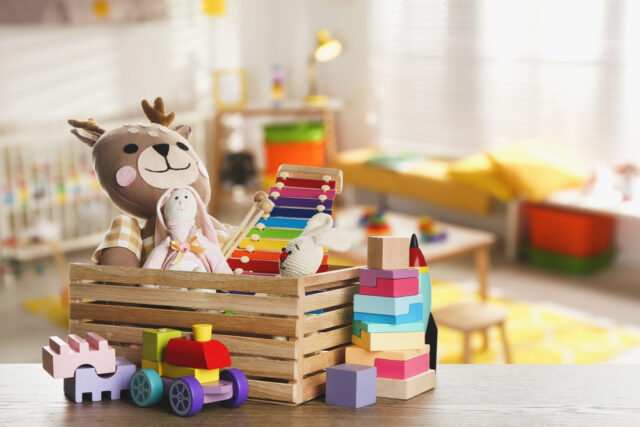
Most toys are discarded because they were used exactly as intended. They were opened, handled, and eventually broken or lost. Parents rarely imagine that everyday playthings could become valuable assets decades later. The assumption is that wear destroys worth.
In reality, early versions of mass-produced toys become valuable precisely because few survived intact. First-generation action figures, dolls, and board games from short production runs can command enormous prices if they’re complete or rare variants. The value isn’t nostalgia alone; it’s survival against odds. What was once disposable becomes scarce.
3. Old Books That Were Never Treated as Special
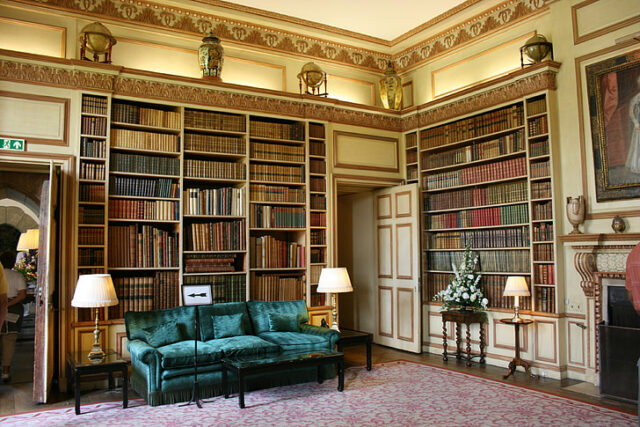
Many households own older books without thinking of them as collectibles. They may have been inherited, purchased cheaply, or kept out of habit. Without leather bindings or obvious age markers, they’re often overlooked. Dust jackets are usually discarded first.
Book value depends on edition, printing errors, marginal notes, and historical context. First printings of now-canonical works, especially those with original dust jackets, can reach staggering prices. Even obscure titles gain value if they were banned, pulped, or published briefly. A book doesn’t need to look old to be rare—it just needs to be intact.
4. Vinyl Records Pressed Before Anyone Was Paying Attention
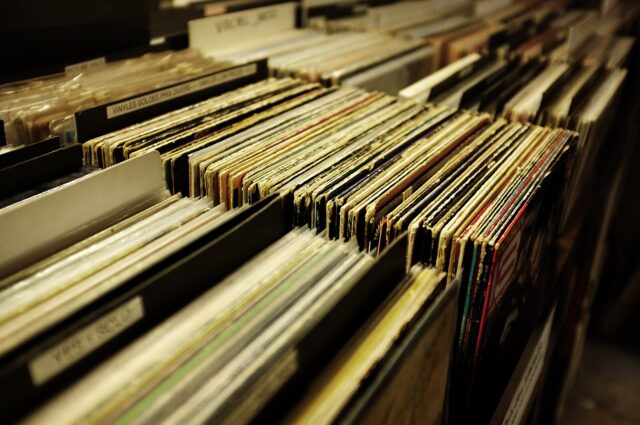
Most people who own vinyl didn’t buy it as an investment. Records were functional objects, stacked carelessly, written on, or left exposed to heat. Many were pressed in small numbers before artists became famous. At the time, they were inexpensive and replaceable.
Certain pressings become valuable because they represent an artist before mass success or commercial polish. Early demo releases, regional pressings, and withdrawn albums can be worth millions if they survived in playable condition. Value is tied to cultural inflection points, not sound quality. The record matters because of when it existed.
5. Handwritten Letters No One Thought to Throw Away
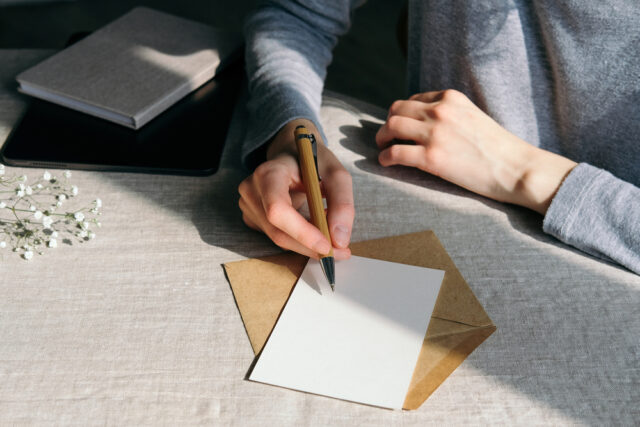
Letters often survive because they feel too personal to discard, not because anyone assumes they’re valuable. They’re stored in boxes, envelopes, or drawers without preservation. Most people treat them as private artifacts rather than historical ones.
Letters gain value when they document moments, relationships, or decisions before they were public. Correspondence from artists, political figures, scientists, or cultural movements can be extraordinarily valuable, even if written casually. Handwriting creates intimacy that printed records lack. What feels ordinary in the moment can later become primary evidence.
6. Old Furniture That Was Never “Restored”

Furniture is often refinished to make it look newer or cleaner. Paint, sanding, and replacement hardware are seen as improvements. Unfortunately, those choices frequently destroy value. Original condition is everything.
Pieces made by known craftsmen, tied to specific movements, or produced during short periods, can be worth millions if untouched. Original finishes, tool marks, and construction methods matter more than appearance. Restoration erases history. What looks worn may actually be irreplaceable.
7. Early Electronics That Still Exist in One Piece

Most early electronics were discarded once they became obsolete. They took up space, stopped working, or were stripped for parts. Survival itself is rare. Functionality is even rarer.
First-generation computers, game consoles, and experimental devices become valuable because they represent the beginning of entire industries. Original packaging, documentation, and working components drastically increase value. These objects matter because they show technology before it became invisible. They’re artifacts of transition.
8. Clothing From Brands Before They Became Brands
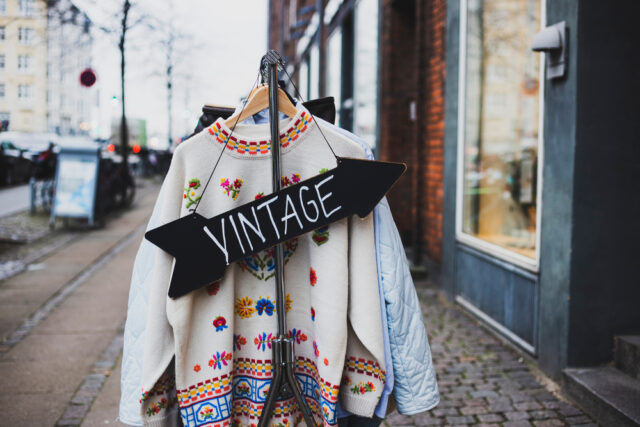
Vintage clothing is often misunderstood as valuable only when it looks dramatic or fashionable. In reality, everyday garments from now-iconic brands can be worth fortunes if they predate mass production. Early labels weren’t meant to last. They weren’t archived.
Value depends on era, stitching, materials, and provenance. Workwear, uniforms, and utilitarian clothing often outperform luxury pieces because they were worn into extinction. The rarer the survival rate, the higher the value. What was once practical becomes historical.
9. Artwork That Was Bought Cheaply or Gifted Casually

Many valuable artworks enter homes without fanfare. They’re purchased at local shows, gifted by friends, or inherited without documentation. If the artist wasn’t famous at the time, the piece is rarely insured or researched. It’s treated as décor.
If the artist later becomes significant, early works become critical to understanding their development. Provenance matters more than polish. Sketches, studies, and minor pieces can eclipse major works in value. What matters is timing, not scale.
10. Old Watches That Were Worn Daily
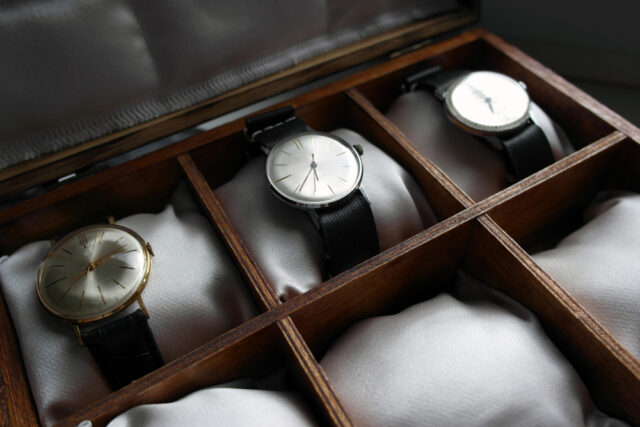
Watches were tools before they were status symbols. They were serviced, scratched, and repaired without concern for originality. Replacement parts were installed freely. Function mattered more than preservation.
Certain watches become valuable because of limited production, military use, or association with specific periods. Original components, even when imperfect, are crucial. Wear tells a story collectors want preserved. A watch doesn’t need to look pristine to be priceless.
11. Paperwork People Assumed Was Boring
Receipts, manuals, blueprints, and certificates are usually discarded first. They feel bureaucratic and unnecessary. Ironically, these documents often determine value.
Original paperwork proves authenticity, ownership, and context. For collectibles, documentation can multiply value exponentially. Without it, objects lose credibility. What feels dull becomes decisive.
12. Everyday Objects From Short-Lived Trends

Fads are designed to disappear. Products tied to them are rarely preserved. Once the trend fades, the object feels embarrassing or irrelevant. Most are thrown away quickly.
Items from brief cultural moments become valuable because they capture a precise slice of time. The shorter the lifespan, the rarer the survival. Value comes from specificity. Ephemera ages into evidence.
13. Things That Survived Because No One Cared Enough

Some of the most valuable objects exist precisely because they were ignored. They weren’t fashionable, impressive, or emotionally charged enough to be altered, repaired, or displayed. They sat untouched in boxes, drawers, or storage units because no one thought they mattered. That neglect is often what preserves them.
Value emerges when rarity is accidental rather than intentional. Items that escaped restoration, modernization, or disposal retain original materials, markings, and context that later become irreplaceable. Collectors prize untouched survival over conscious preservation because it signals authenticity. In many cases, the difference between trash and treasure is simply that no one intervened.


