
The TikTok Awards didn’t feel like a novelty or a side event this year. They felt like a line in the sand. What played out onstage wasn’t just about viral videos or internet fame—it was about power, money, cultural authority, and who now gets to define relevance. If you watched closely, the night made one thing unmistakably clear: creators aren’t trying to break into Hollywood anymore. They’ve built something parallel—and in some ways, more influential.
1. The Crowd Reacted Like Fans, Not Industry Insiders
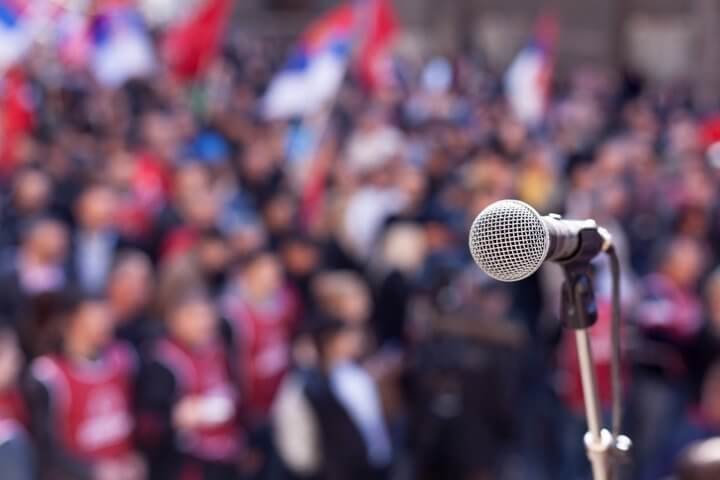
One of the first things that stood out was how the audience behaved. Screams weren’t reserved for legacy celebrities; they were for creators whose rise people had watched in real time on their phones. The energy in the room felt closer to a concert than an awards show, driven by parasocial familiarity rather than prestige. People weren’t applauding résumés—they were reacting to personalities they felt they actually knew.
This kind of audience response is something Hollywood has struggled to manufacture for years. Studios spend millions trying to make viewers emotionally invest in stars, while creators arrive with built-in intimacy. The TikTok Awards made that gap visible. Fame built through daily access hits differently than fame built through press cycles.
2. Creators Were Treated as the Main Event, Not a Sideshow

There was no sense that creators were being slotted in to attract younger viewers while the “real” stars took center stage. The creators were the stars. They hosted, presented, and dominated the narrative of the night. The structure of the event reflected that shift without apology.
That matters because legitimacy in entertainment has always been about positioning. When creators aren’t treated as novelties or crossover experiments, it signals that the industry has accepted a new hierarchy. The TikTok Awards didn’t ask Hollywood for validation—it staged its own version of it.
3. Acceptance Speeches Sounded More Like Origin Stories Than Victory Laps

Many creators used their speeches to talk about bedrooms, layoffs, boredom, grief, or moments when posting felt pointless. These weren’t polished narratives shaped by publicists; they were messy, specific, and deeply personal. You could feel the difference between someone trained to speak in soundbites and someone used to talking directly to an audience without mediation.
That authenticity is part of why creators hold power now. Their stories feel reachable, not aspirational in a distant way. Hollywood often sells fantasy; creators sell proximity. The TikTok Awards leaned into that difference instead of sanding it down.
4. Brand Partnerships Were Front and Center—And No One Pretended Otherwise
Unlike traditional award shows that awkwardly hide commercial relationships, the TikTok Awards were open about them. Creators referenced brand deals casually, sometimes humorously, as part of their success story. There was no pretense that art and commerce exist separately.
This transparency reflects how creator economies actually work. Audiences already understand that monetization is part of the ecosystem. What matters is whether the relationship feels honest. The event normalized a model Hollywood still struggles to admit it depends on.
5. The Red Carpet Looked More Experimental Than Traditional

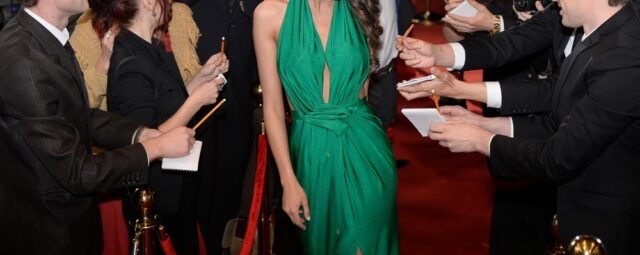
Fashion at the TikTok Awards wasn’t about adhering to old-school glamour rules. It was chaotic, referential, and sometimes intentionally strange. Creators wore outfits that made sense to their niche audiences rather than to fashion editors alone. The looks felt like extensions of personal brands, not attempts at approval.
That shift mirrors how style now spreads culturally. Trends don’t trickle down from runways anymore; they explode sideways across feeds. The carpet reflected a decentralized fashion culture where individuality matters more than consensus.
6. Performances Were Built for the Internet, Not the Room

Several performances were clearly designed to clip well, loop cleanly, and live on feeds after the show ended. Camera angles, pacing, and staging prioritized shareability over in-room spectacle. The show understood where its real audience was.
Hollywood award shows still optimize for broadcast television, even as viewership declines. The TikTok Awards are optimized for redistribution. That alone signals where cultural attention actually lives now.
7. Creators Crossed Genres Without Explanation
Comedy creators presented music awards. Beauty influencers introduced political moments. Niche storytellers shared the stage with mainstream performers. No one stopped to justify the crossover. It was assumed the audience could follow.
This fluidity reflects how creators operate online. Identity isn’t siloed the way Hollywood careers are. The TikTok Awards treated versatility as normal, not risky. That flexibility is part of why creators adapt faster than traditional stars.
8. The Night Rewarded Consistency, Not Just Virality
Many winners weren’t one-hit wonders. They were creators who had posted relentlessly for years, building trust and community through repetition. The recognition felt cumulative rather than sudden. Longevity mattered.
That challenges the stereotype that creator fame is fleeting. The awards highlighted how sustained relevance is now built through reliability, not just breakout moments. Hollywood has long rewarded longevity; creators are now doing the same on their own terms.
9. The Humor Was Insider, Not Broad

Jokes referenced trends, sounds, and moments that only regular users would immediately understand. There was little effort to translate or universalize the humor. If you got it, you got it. If you didn’t, that was kind of the point.
This marked a shift away from mass appeal toward community appeal. The TikTok Awards weren’t trying to reach everyone. They were speaking to *their* audience—and trusting that cultural relevance would follow.
10. Legacy Celebrities Felt Like Guests, Not Anchors

When traditional celebrities appeared, they didn’t dominate the room. They blended in. In some cases, they deferred to creators or positioned themselves as fans. The power dynamic was subtle but noticeable.
That reversal says a lot about where cultural authority currently sits. Hollywood stars still matter, but they no longer automatically command the center. The TikTok Awards reflected a world where attention has diversified beyond a single gatekeeping system.
11. The Event Treated the Algorithm as a Shared Reality
Creators openly joked about being “at the mercy of the algorithm,” burnout, and posting anxiety. These weren’t fringe comments; they were understood as universal experiences. The algorithm was treated like weather—uncontrollable but ever-present.
That acknowledgment bonded the room. Hollywood rarely admits how systems shape success. Creators live inside those systems openly, and the awards reflected that shared vulnerability.
12. It Felt Like a Prototype, Not a Final Product
The TikTok Awards weren’t slick in the traditional sense. There were awkward moments, tonal shifts, and pacing issues. But instead of feeling amateurish, it felt iterative—like something still evolving.
That’s exactly how creator culture operates. It builds publicly, adjusts quickly, and improves in real time. The night didn’t feel like a finished monument; it felt like the early chapters of a new entertainment model being written live.
13. The Biggest Signal Was Confidence, Not Scale

What ultimately made the night convincing wasn’t production value or star power. It was confidence. The event didn’t ask whether creators belonged on that stage. It assumed they did.
That confidence is what makes creators the new Hollywood—not because they replaced it overnight, but because they stopped needing its permission. The TikTok Awards made that shift visible in a way no panel discussion ever could.


