

You’ve probably followed the saga of Meghan and Harry, watching as they carved out a life outside the royal fold. Yet, even as they try to do their own thing, the Palace seems to have an enduring influence over their story. Here are 13 ways the royal institution still plays a role in shaping what you hear about Meghan and Harry. Let’s dive in and see how the drama continues to unfold.
1. Selective Media Briefings
The Palace has long had a strategy of giving selective briefings to favored members of the media. This enables them to control the flow of information and ensure that certain narratives gain more traction than others. For instance, when Meghan and Harry stepped back from royal duties, reports about their intentions varied widely. It seemed like some outlets had a direct line to insider Palace information, painting a picture that the Palace wanted the public to see. According to royal expert Richard Fitzwilliams, this method allows the Palace to maintain a semblance of control over how events are perceived publicly, making it challenging for Meghan and Harry to share their side of the story.
Through these briefings, the media landscape is influenced in a way that often benefits the Palace’s standing. You may notice that certain aspects of Meghan and Harry’s lives are repeatedly emphasized, such as their financial independence or perceived distance from the royal family. This selective storytelling can make it difficult for the couple to present their narrative, as they are often reacting to stories rather than dictating them. It’s a strategic move from the Palace, allowing them to remain a significant player in how the Sussexes are portrayed. This tactic also serves to keep the royal brand polished, even amid the turbulence of family disagreements.
2. Strategic Silence

Sometimes, saying nothing speaks louder than words. The Palace often employs strategic silence, a clever tactic that leaves room for speculation while maintaining an air of dignity. When Meghan and Harry make headlines, the lack of a public response from the Palace can be telling. This silence allows stories to fester and grow, often to the detriment of Meghan and Harry’s public image. By not responding, the Palace avoids adding fuel to the fire while also allowing the narrative to evolve without their direct involvement.
Strategic silence can also subtly imply that the matter isn’t significant enough to warrant a response, which can diminish the perceived importance of Meghan and Harry’s issues. This tactic puts the onus on the couple to explain or defend themselves, often without the benefit of an official royal statement. As a result, public perception may tilt in favor of the royal institution, which appears composed and above the fray. In the complex world of public relations, sometimes inaction is as powerful as action. It’s a delicate balance that maintains the royal mystique while subtly influencing public opinion.
3. Controlled Public Appearances

Public appearances are a major part of the royal playbook, and these events are carefully orchestrated to project a specific image. The Palace uses these appearances to reinforce its narrative, highlighting royals who toe the line and subtly sidelining those who don’t. When Meghan and Harry were actively serving as royals, their public duties were meticulously planned, often with little room for deviation. Dr. Kate Williams, a historian specializing in the royal family, points out that what you see in public often reflects broader institutional priorities. Appearances are not just social events; they are carefully managed opportunities to reinforce the royal brand.
Even post-transition, the influence of these controlled appearances lingers, impacting how Meghan and Harry are perceived. The contrast between the couple’s spontaneous outings and the more formal royal events can create a narrative of rebellion versus tradition. The Palace continues to use public appearances to underline its authority and commitment to duty, reminding everyone of the traditional values Meghan and Harry have stepped away from. In doing so, they subtly underscore a narrative that portrays the Sussexes’ choices as deviations from royal norms. These carefully plotted appearances help maintain a fine-tuned image of the monarchy, reinforcing their standing in the public eye.
4. Leveraging Tradition And Protocol

The royal family is steeped in tradition, and these customs serve as more than just pageantry; they are tools for influence. The Palace uses these long-standing traditions and protocols to subtly steer public expectations and opinions. When Meghan and Harry diverged from some of these customs, it was framed by some as a breach of protocol, casting a shadow over their actions. The narrative often suggested that these traditions were essential for the monarchy’s stability and continuity. By emphasizing tradition, the Palace reinforces the idea that deviation equals disruption, subtly swaying public sentiment.
Customs like Trooping the Colour or state banquets are not just ceremonial; they are symbolic of the monarchy’s enduring legacy. Through these events, the Palace can subtly point to what is considered acceptable behavior for royals. When Meghan and Harry choose to break with tradition, they are often positioned as disruptors rather than modernizers. This portrayal can impact how their choices are perceived, both positively and negatively, depending on one’s view of the monarchy. Leveraging tradition in this way helps the Palace maintain its image while subtly directing the public narrative regarding Meghan and Harry’s choices.
5. The Use Of Royal Experts

Royal experts often appear in the media to offer insights or critiques of Meghan and Harry’s actions. These experts frequently have ties to the Palace, which can skew their analyses in favor of the royal institution. When stories about Meghan and Harry emerge, these experts provide context that aligns with traditional royal values. According to Robert Jobson, a royal biographer, experts often rely on Palace sources for their information, which naturally colors their commentary. This dynamic allows the Palace to indirectly influence public opinion without making official statements.
By utilizing experts, the Palace can shape the narrative surrounding Meghan and Harry in a way that appears neutral but is often subtly biased. These experts frame the couple’s actions within a context that emphasizes the importance of duty and tradition. This framing can make Meghan and Harry’s choices seem reckless or misguided, depending on the narrative being pushed. The use of royal experts serves as a buffer between the Palace and the public, leaving the institution free from direct critique. It’s a clever way to maintain control over the narrative while appearing detached and impartial.
6. Leveraging Social Media

Social media platforms are powerful tools for shaping public perception, and the Palace has become adept at using them to its advantage. Official royal accounts strategically highlight engagements and achievements that reinforce the monarchy’s image. While Meghan and Harry have used social media to tell their story and engage directly with the public, the Palace’s more measured approach often exudes authority and tradition. This contrast can subtly position the Sussexes as modern but perhaps overly focused on personal branding. By maintaining a dignified online presence, the Palace underscores its commitment to legacy over individual expression.
Through social media, the Palace can also subtly respond to controversies or public interest stories by highlighting positive aspects of royal life. This indirect method of narrative control allows the institution to engage with the public without engaging in direct conflict. By framing their posts around themes of duty, service, and continuity, they set a standard that often seems juxtaposed against Meghan and Harry’s candid online presence. The carefully curated royal social media presence provides an alternative narrative that reinforces traditional values. In this space, the Palace continues to shape public perception, even in the fast-paced world of digital media.
7. Historical Context And Comparisons
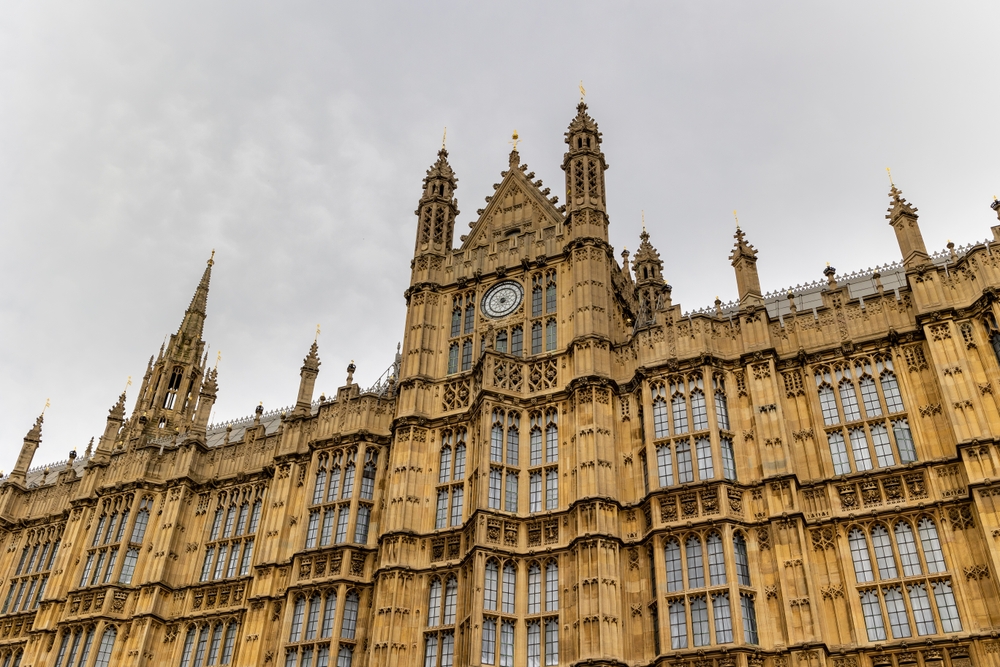
Drawing on the long history of the monarchy, the Palace often uses historical context to frame current events. By comparing Meghan and Harry’s actions to past royal family members, the institution can guide public perception towards certain conclusions. For example, parallels are drawn between Meghan and Harry’s exit and previous royal abdications or departures, setting a narrative of continuity versus disruption. According to historian Dr. Carolyn Harris, these comparisons can highlight the consequences of breaking with tradition, subtly reinforcing the importance of staying within established norms. Through historical context, the Palace paints a picture of stability while implying the risks of deviation.
These historical comparisons can be powerful tools in swaying public opinion. When Meghan and Harry’s choices are placed alongside notable events from royal history, it situates their actions within a broader narrative. This can make their decisions seem more radical, as they are positioned against the backdrop of centuries of tradition. By doing so, the Palace not only reinforces its enduring legacy but also highlights the gravity of Meghan and Harry’s departure. This strategy of contextualizing within history subtly influences how their actions are perceived, offering a less direct but effective means of narrative control.
8. Fostering Public Sentiment

Public sentiment is a powerful force, and the Palace has learned to engage with it in ways that benefit its narrative. By aligning with popular causes and concerns, the royal family can maintain favorable public opinion, even as individuals like Meghan and Harry step out of the fold. The institution often highlights its charitable efforts and community engagements, emphasizing its role in societal well-being. This focus on philanthropy and service casts a long shadow over Meghan and Harry’s more personalized approach to their charitable work. By appealing to public sentiment through service, the Palace reinforces its image as a stabilizing force in British society.
When public sentiment leans towards tradition and continuity, the Palace benefits from aligning its message with these values. This positioning can make Meghan and Harry’s more unconventional choices seem risky or self-centered by comparison. As the royal family continues to engage actively with issues of national importance, the institution’s role in British life is solidified. In doing so, they ensure that the monarchy remains relevant and respected, even amid personal and family controversies. By fostering positive public sentiment, the Palace subtly controls the narrative around its members, including Meghan and Harry.
9. The Role Of The Courtiers

Courtiers play a crucial role behind the scenes, acting as the machinery that helps maintain the monarchy’s image and operations. These individuals often serve as intermediaries between the royals and the public, wielding significant influence over what information is released. When Meghan and Harry were working royals, courtiers had a say in their public engagements and communications. This influence extends beyond their time in the royal fold, as courtiers continue to manage how information is disseminated to the press. Through these gatekeepers, the Palace can control the flow of information, ensuring that their narrative remains consistent.
Courtiers are adept at managing crises and steering public perception in ways that benefit the institution. They often work to protect the monarchy’s interests by subtly redirecting attention or framing stories in a favorable light. This behind-the-scenes influence can make it challenging for Meghan and Harry to present their story authentically, as they must contend with an institution skilled in media management. The role of courtiers highlights the complexity of the royal system, where public perception is carefully managed at every level. For Meghan and Harry, this adds another layer of difficulty in controlling their narrative.
10. Controlled Access To Royal Properties

Access to royal properties is tightly controlled, serving as both a privilege and a tool for narrative management. The Palace uses this control to influence how royal life is portrayed, granting access to certain events or locations that reinforce desired narratives. When Meghan and Harry were part of the working royal family, the level of access granted to them and their guests was meticulously managed. This control extends to official visits and media coverage, ensuring that the image of the monarchy remains consistent with its traditional values. By selectively granting access, the Palace can shape public perception of royal life.
This control over access can subtly influence the narrative around Meghan and Harry’s departure from royal duties. When access is limited or revoked, it can imply a distancing or a lack of alignment with the institution’s values. For the public, this controlled access provides a filtered view of royal life, often excluding the more controversial or modern aspects introduced by Meghan and Harry. By managing who gets to see and report on royal properties and events, the Palace maintains its narrative of tradition and stability. This subtler form of control underscores the ongoing tension between the Sussexes’ modern approach and the institution’s historic image.
11. Framing Through Official Statements

Official statements from the Palace carry significant weight, often setting the tone for how events are perceived publicly. By carefully crafting these statements, the royal institution can subtly influence the narrative surrounding Meghan and Harry. When announcements are made regarding the couple, the language and tone used convey more than just information; they suggest how the public should interpret the news. This framing can either mitigate or exacerbate public opinion, depending on the narrative the Palace wishes to promote. Official statements serve as a powerful tool in maintaining control over the royal story.
The impact of these statements is magnified by their perceived authority and neutrality. As they are released from the institution itself, they often serve as a definitive source of information amidst media speculation. This can make it challenging for Meghan and Harry to counter or clarify their position, as the official narrative holds significant sway. When the Palace issues a statement, it not only addresses the immediate issue but also reinforces its overarching narrative of tradition and stability. For Meghan and Harry, this means navigating a public narrative that is often shaped before they have a chance to share their perspective.
12. Leveraging Public Figures

Support from public figures can lend credibility and shape public perception of royal events and narratives. The Palace often aligns itself with respected figures in various fields, who in turn endorse the institution’s values and actions. This support can be subtle, such as through honorary titles or public appearances, but it significantly impacts public perception. When influential individuals back the royal family, it reinforces the monarchy’s relevance and authority. This tactic contrasts with Meghan and Harry’s more celebrity-driven alliances, which can be framed as less traditional and more self-serving.
Public figures who align with the Palace often highlight themes of duty and service, underscoring the monarchy’s enduring legacy. This support can sway public opinion in favor of the institution, making Meghan and Harry’s independent endeavors seem less aligned with these values. By cultivating relationships with respected public figures, the Palace strengthens its narrative of continuity and tradition. This dynamic can place Meghan and Harry in a challenging position, as they navigate their own public endorsements and alliances. Through these associations, the Palace continues to wield significant influence over how the royal family, including Meghan and Harry, is perceived.
13. The Power Of Royal Patronages

Royal patronages are a significant aspect of the monarchy’s public image, showcasing the institution’s commitment to various causes. These patronages allow the Palace to emphasize its role in national and global welfare, reinforcing its positive public image. Meghan and Harry held several patronages during their time as working royals, and the visibility of these roles plays into the broader narrative. When Meghan and Harry stepped back, the reassignment or retention of these patronages was closely scrutinized, serving as a subtle commentary on their new roles. Patronages highlight the institution’s ongoing influence, emphasizing duty and service as central royal values.
The handling of these patronages can subtly shape how Meghan and Harry’s departure is perceived. If certain patronages are retained, it suggests an ongoing connection to royal duties, while reassignment can imply a break with tradition. For the public, these moves symbolize the balance between personal choice and institutional responsibility. The Palace’s approach to managing patronages reinforces the narrative of commitment to public service, contrasting with Meghan and Harry’s more individualistic pursuits. Through this lens, the Palace maintains its influence over the royal narrative, even as the Sussexes forge their path.


