

White Claw, the hard seltzer that defined a Gen Z’s social habits, but by 2025 that era feels like a relic. A combination of health consciousness, economic pressure, and a shift toward intentional social experiences has transformed how Gen Z drinks — and in many cases, whether they drink at all. Younger adults now treat alcohol as optional, not obligatory, blending mindful choices with creativity and buzz-free social rituals. These 13 beverage categories show how Gen Z refashioned the drink menu and what’s actually fueling glasses in 2025 — whether they’re alcoholic, non-alcoholic, functional, or somewhere in between.
1. Mocktails Have Become Social Currency
Mocktails aren’t just a stand-in; they’re now a central part of nightlife culture, often presented with the same flair and price as cocktails. Bars rebuilt entire menus around beautifully crafted non-alcoholic beverages so that saying “I’ll have a mocktail” feels effortless and stylish. Instead of an afterthought, mocktails are now the default choice for many Gen Z social outings. Globally, non-alcoholic drink menus are expanding fast as venues adapt to this consumer shift.
For Gen Z, the appeal of mocktails runs deeper than sobriety — it’s about inclusion and agency. A high-quality mocktail lets a drinker participate in social rituals without the pressure or aftereffects of alcohol, and bartenders are responding with creativity that rivals traditional cocktails. This has transformed spaces from bars to lounges into environments where everyone feels welcome without compromise. In cities from New York to Bengaluru, mocktails are now celebrated rather than tolerated.
2. Hard Kombucha Is the New “Sensible” Booze

Hard kombucha blends tangy tea fermentation with modest alcohol content, giving drinkers a buzz that feels gentler and rooted in wellness. Brands that lean into probiotics, floral hops, and creative flavor profiles have made it a big part of Gen Z’s beverage repertoire. It’s the sort of drink that feels like it supports well-being rather than sabotaging it. This isn’t a fad — it’s a pivot toward functional enjoyment with a conscious edge.
The term “hard kombucha” might sound niche, but it’s part of a much bigger generational trend: drinkers seeking satisfaction that aligns with health priorities. Instead of traditional beers or high-alcohol cocktails, this category lets people sip with intention, often sharing cans at picnics, house parties, and outdoor concerts. The subtle alcohol content and distinctive taste make it feel modern, not retro. It’s emblematic of how Gen Z reframes drinking as moderation, not excess.
grappos.com
3. Non-Alcoholic Beers and Wines Are No Longer “Boring.”
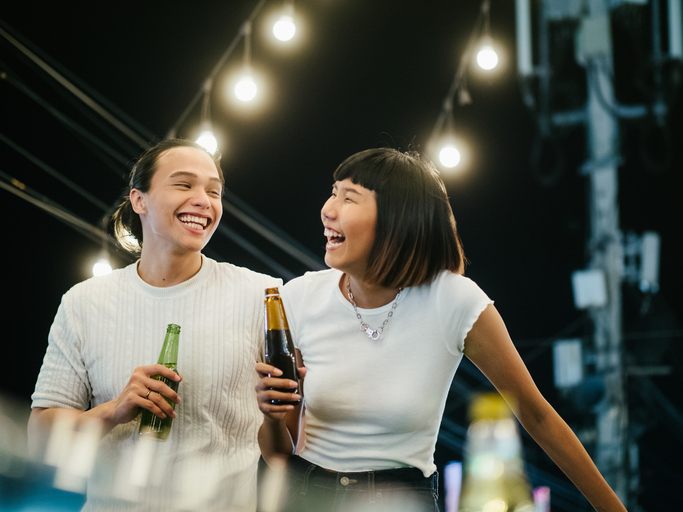
Non-alcoholic versions of beer and wine have shed their stigma through flavor innovation and social normalization. Instead of watery imitations, today’s zero-proof brews and wines offer texture, body, and complexity that can rival their alcoholic counterparts. Tasters increasingly choose these options not out of restriction but preference, flipping old expectations about what “sipping” means. Market research shows a rise in Gen Z consumers deliberately seeking out non-alcoholic beverages as a lifestyle choice.
This isn’t a generational protest — it’s a lifestyle recalibration. Many young adults enjoy the ritual of wine tasting or craft beer without the hangover or health concerns that once deterred them. Social settings — from brunches to evening hangouts — now routinely include non-alcoholic pours that feel just as celebratory. The industry has responded by elevating these drinks both in quality and presentation.
4. CBD and THC-Infused Sodas Blur the Line Between Buzz and Chill

CBD and THC sodas, tonics, and sparkling beverages have carved out a niche that’s neither straight alcohol nor plain soda. These drinks offer calming effects, mood enhancement, or subtle euphoria without traditional intoxication. For Gen Z, the appeal lies in experience — unwinding or socializing with something that feels intentional rather than intoxicating. It’s part of a broader wellness trend where functional drinks double as social lubricants.
Mixers infused with cannabinoids have gained traction because they fit into routines centered around balance, not bingeing. A CBD cola after work or a THC lemonade at a food truck hangout gives Gen Z a different kind of buzz — more nuanced, less stigmatized. Producers market these beverages as lifestyle enhancers rather than as escapism. That subtle shift in narrative has made these drinks especially popular.
Attest
5. Hard Tea and RTD Hard Beverages Are The New Seltzer

Pre-mixed hard iced teas and other ready-to-drink (RTD) formats, such as vodka lemonade, have become staples of Gen Z’s sipping habits. Brands like High Noon have expanded beyond seltzers into fruit-forward, tea-based alcoholic drinks with real ingredients and familiar formats. These beverages feel approachable rather than abrasive in the mouth or the wallet. They speak to a desire for flavor and social ease without the commitment of a full cocktail.
This isn’t just about nostalgia for sweet tea — it’s about accessibility and adaptability. Hard teas pair easily with food, work in outdoor gatherings, and don’t require a skyline bartender’s skill to enjoy. Gen Z’s preference here highlights how convenience and comfort now beat trendiness. In a moment when mindful drinking is normal, these options sit comfortably between alcohol and beverages.
Wikipedia
6. BuzzBallz and Other Nostalgic Ready-To-Drink Options
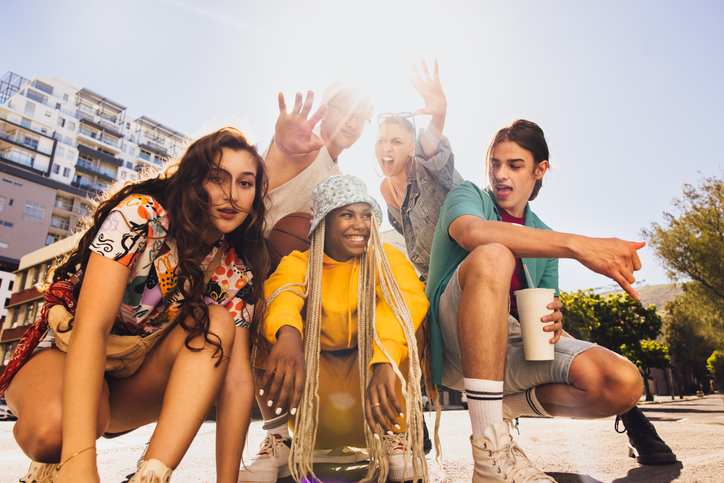
Even as consumption patterns evolve, colorful RTDs like BuzzBallz remain part of the mix for social occasions. These pre-mixed cocktails, often with higher ABV and playful packaging, satisfy moments where indulgence is the point. Gen Z doesn’t reject all boozy traditions — it curates them, choosing when and how they fit into broader lifestyle values. BuzzBallz and similar brands offer a nostalgic yet inexpensive way to partake in communal rituals.
Their presence on TikTok and social feeds signals that Gen Z’s relationship with alcohol isn’t simplistic abstinence but selective engagement. Occasional, enthusiastic social drinking still happens — it just isn’t the baseline. Instead of endless refills, it’s about occasion-based celebration. The trend reflects a nuanced approach to consumption.
Wikipedia
7. Mocktail Culture Has Spilled Into Cafés and Daytime Hangouts

Beyond nightlife, mocktails have become a full-day social currency — featured alongside cold brews, smoothies, and artisanal drinks in cafés and lounges. Non-alcoholic mojitos, mango chili margaritas, and fruit infusions now appear on daytime menus everywhere, reclaiming beverage culture from the evening alone. Gen Z treats drinks as experiences, with taste, presentation, and vibe taking center stage. This shift shows how deeply mocktails have integrated into youthful social life.
This broad adoption signals that vigilance around alcohol goes beyond health rhetoric — it also reflects aesthetic preference. Instagram-worthy mocktails show up as decor-enhancing moments and social media fodder. They create memories without the next-day toll. Bars and cafés alike now design spaces that encourage presence over intoxication.
The Times of India
8. “Zebra Striping” Shows a Generational Approach to Moderation
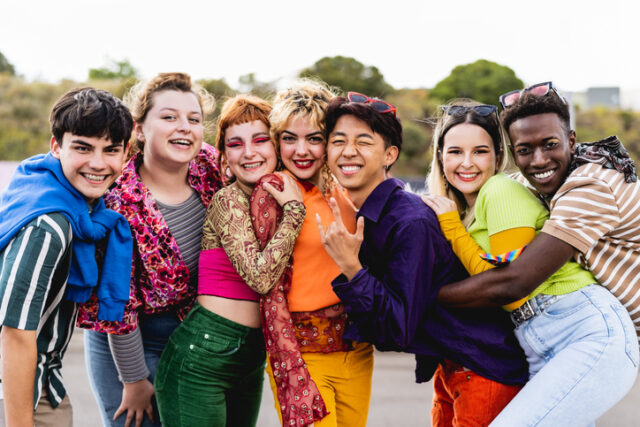
A popular trend called “zebra striping” — alternating alcoholic and non-alcoholic drinks during a night out — captures Gen Z’s ethos toward drinking. Instead of all-or-nothing evenings, individuals pair a mocktail with a cocktail, weaving conscious moderation into social rituals. Bars are expanding their menus to accommodate this behavior rather than forcing patrons to choose only alcohol or water. This reflects Gen Z’s desire for balance and inclusion.
Striking a balance allows drinkers to maintain energy, avoid hangovers, and still participate socially. It’s about choice, not judgment. Many bars now offer creative flights that mix low-alcohol, non-alcoholic, and traditional drinks to appeal to this expectation. The trend’s very name—referring to black-and-white stripes—symbolizes equilibrium.
9. High Noons and Hard Seltzers Still Have Fans

Brands like High Noon and other hard seltzers haven’t disappeared — they simply play a different role in the beverage landscape. Rather than defining social drinking, they now coexist alongside mindfulness beverages and mocktails. Gen Z appreciates these drinks for taste, convenience, and variety without making them the centerpiece of a night. Their relevance persists because they fit into occasional social moments.
This shift means hard seltzers have lost their cultural monopoly but kept a place at the table. They’re no longer default choices but options within a broader beverage portfolio. For Gen Z, flexibility beats trend cycles. Preference now drives consumption more than hype.
10. Zero-Proof Spirits Are Becoming a Status Symbol
Zero-proof spirits have quietly transformed from niche sobriety products into luxury items Gen Z actively seeks out. Brands offering alcohol-free gin, tequila, and aperitifs now emphasize complex botanicals, elegant packaging, and cocktail-bar credibility. Ordering a zero-proof Negroni or spritz no longer signals restraint — it signals taste and intention. For many young drinkers, these bottles feel aspirational without the physical or emotional cost of alcohol.
What makes these drinks appealing is that they preserve ritual without requiring intoxication. Gen Z still values the ceremony of mixing, pouring, and sipping something special, even if it doesn’t lead to a buzz. This aligns with a broader cultural shift toward “soft living” and nervous-system awareness. Zero-proof spirits allow people to participate fully without checking out.
11. Functional Sodas Are Replacing Energy Drinks and Alcohol

Functional sodas infused with adaptogens, magnesium, mushrooms, or nootropics are now showing up where beer once dominated. These drinks promise calm focus, reduced anxiety, or gentle energy rather than spikes and crashes. For Gen Z, beverages are no longer just about taste — they’re about how the body feels an hour later. That shift reflects growing literacy around mental health and burnout.
Unlike traditional energy drinks or cocktails, functional sodas fit seamlessly into daily life. They can be consumed during work, at social gatherings, or before bed without social explanation. Many Gen Z consumers describe them as “emotional regulation in a can.” The popularity of these drinks shows how hydration, mood, and identity have merged.
12. Drinking Less Has Become a Socially Neutral Statement

Perhaps the most radical shift is that Gen Z doesn’t feel the need to justify drinking less at all. Declining alcohol is now met with indifference rather than interrogation, especially in peer-heavy spaces like parties and concerts. The pressure to perform intoxication has largely dissolved. Alcohol is simply one option among many.
This neutrality is what truly differentiates Gen Z from previous generations. Choosing not to drink isn’t framed as recovery, rebellion, or moral superiority — it’s just preference. That shift has reshaped menus, events, and expectations across nightlife and social culture. Drinking less is no longer a headline; it’s background behavior.
13. Alcohol Has Become an “Occasion” Instead of a Habit

When Gen Z does drink, it’s often intentional and tied to specific moments rather than routine behavior. Celebrations, milestones, or curated social experiences now define when alcohol enters the picture. Gone are the days of default weekday drinking or casual excess. Alcohol has moved from a habit to a highlight.
This reframing has reduced binge culture while preserving pleasure. Gen Z hasn’t rejected fun — they’ve redesigned it to fit their values and nervous systems. Drinking is no longer expected to fuel every interaction. Instead, it’s one tool among many for connection, joy, and celebration.


