

For years, plant-based innovation focused almost entirely on burgers, sausages, and chicken alternatives. In 2025, chefs and food scientists are shifting their attention to a more complex frontier: seafood. Overfishing, climate change, mercury concerns, and rising costs have made traditional seafood feel increasingly unsustainable and inaccessible. The result is a new wave of plant-based seafood that’s less about imitation gimmicks and more about texture, flavor, and culinary credibility. Here’s what chefs are actually creating — and why this category is exploding right now.
1. Plant-Based Tuna That Works Raw
Chefs are finally cracking plant-based tuna that behaves like the real thing, especially in raw applications like poke bowls and sushi. Using ingredients like tomato, watermelon, konjac root, and fermented legumes, they’re recreating the fibrous texture and subtle brininess of ahi tuna. This matters because raw seafood is one of the hardest formats to replicate convincingly. The success of these alternatives signals a major leap forward for plant-based cuisine.
What’s driving this innovation is not just vegan demand but chef demand for consistency and safety. Raw fish carries food-borne illness risks and requires precise sourcing, which plant-based versions eliminate entirely. Restaurants can now offer “tuna” dishes without supply chain volatility or ethical concerns. That makes these alternatives attractive even to non-vegan kitchens.
2. Vegan Lobster Made From Hearts of Palm

Hearts of palm have become the breakout star of plant-based lobster alternatives, especially in high-end restaurants. When prepared correctly, they mimic lobster’s delicate bite and mild sweetness without overpowering sauces or seasonings. Chefs are using them in rolls, risottos, and even butter-drenched entrées that would normally rely on shellfish. The result feels indulgent rather than sacrificial.
This trend speaks to a broader shift in plant-based dining toward luxury, not limitation. Lobster is expensive, seasonal, and environmentally contentious, making it ripe for disruption. Hearts of palm offer stability, scalability, and a surprisingly convincing mouthfeel. For diners, the experience feels familiar but lighter — physically and ethically.
3. Plant-Based Shrimp That Snaps When You Bite It

Texture has always been shrimp’s biggest barrier, but chefs are now producing plant-based shrimp with a convincing snap. Using tapioca starch, seaweed extracts, and pea protein, these alternatives hold their shape under heat and deliver resistance when bitten. That makes them usable in stir-fries, tempura, and grilled dishes where earlier versions failed. Texture, not taste, is what finally won chefs over.
Shrimp is one of the most widely consumed seafoods globally, which makes this innovation especially impactful. Traditional shrimp farming raises major environmental and labor concerns, pushing chefs to look for alternatives. A reliable plant-based shrimp allows restaurants to meet demand without participating in exploitative supply chains. That combination of ethics and functionality is what’s fueling adoption.
4. Plant-Based Seafood Flavors with Seaweed
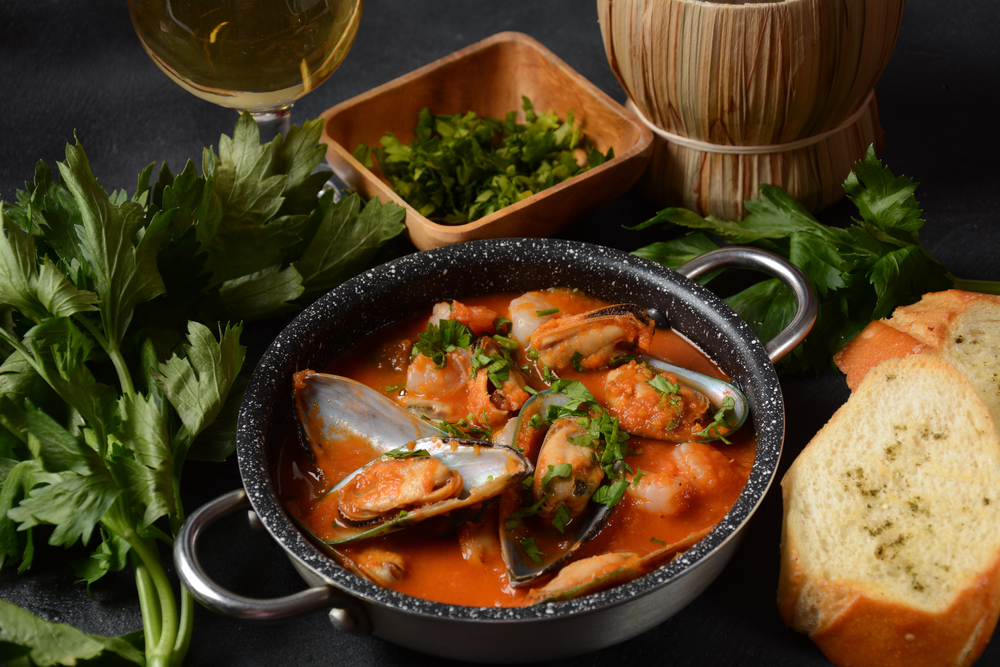
Rather than relying on artificial flavorings, chefs are turning to seaweed to recreate oceanic depth. Kombu, dulse, nori, and kelp provide natural umami and briny notes that anchor plant-based seafood dishes. These ingredients aren’t new, but their role has shifted from garnish to foundation. Seaweed now acts as both flavor and nutritional enhancer.
This move reflects a more mature understanding of how seafood tastes, not just how it looks. Chefs are less interested in tricking diners and more interested in satisfying them. Seaweed offers minerals, iodine, and complexity that mimic the sea naturally. It also aligns with sustainable harvesting practices, reinforcing the environmental appeal.
5. Plant-Based Crab Cakes Without the Mush Factor

Early plant-based crab cakes often collapsed into mush, but new versions are earning praise for structure and chew. Chefs are blending artichokes, jackfruit, chickpeas, and seaweed to create flaky layers that hold together under pan-searing. The goal isn’t perfect imitation but a satisfying bite that supports seasoning and sauce. Many diners can’t tell the difference once plated.
Crab is another seafood category plagued by sustainability and pricing issues. Plant-based crab cakes allow restaurants to offer crowd-pleasing menu items without volatile sourcing. They’re also more forgiving in prep and storage. For chefs, reliability matters as much as taste.
6. Fish-Free Fish Sauce That Mirrors Southeast Asian Cuisine

Fish sauce has long been a barrier to plant-based cooking, especially in Thai and Vietnamese cuisines. New plant-based versions made from fermented soybeans, mushrooms, and seaweed are changing that. Chefs can now recreate deeply savory profiles without compromising vegan principles. This opens entire regional cuisines to plant-based menus.
The impact here is cultural, not just culinary. Southeast Asian flavors depend on balance and depth, not just protein. Plant-based fish sauce allows chefs to preserve authenticity while modernizing technique. It’s a small innovation with outsized influence.
7. Plant-Based Oysters Are Becoming Fine Dining Delicacies

Some chefs are experimenting with plant-based oysters that mimic brine, creaminess, and mineral notes. Using mushroom bases and seaweed gels, they recreate the sensory experience rather than the anatomy. These dishes often appear in tasting menus rather than casual settings. That placement signals confidence.
Oysters are symbolic of luxury and terroir, so replacing them is bold. Chefs aren’t claiming equivalence; they’re offering reinterpretation. For diners, it becomes an experience rather than a comparison. That reframing makes acceptance easier.
8. Plant-Based Fish is Being Added to Sushi Restaurant Menus

Some of the most interesting adoption is happening quietly in sushi restaurants. Plant-based fish options are appearing alongside traditional rolls, often without heavy marketing. Chefs report that diners order them out of curiosity, health concerns, or ethical preference rather than ideology. The normalization is subtle but significant.
This quiet integration signals that plant-based seafood is moving past novelty status. When sushi chefs — some of the most tradition-bound professionals — adopt alternatives, it marks cultural acceptance. The products have reached a level where they don’t undermine craft. That’s a huge milestone for the category.
9. Chefs Say Sustainability Is Driving Menu Decisions More Than Veganism
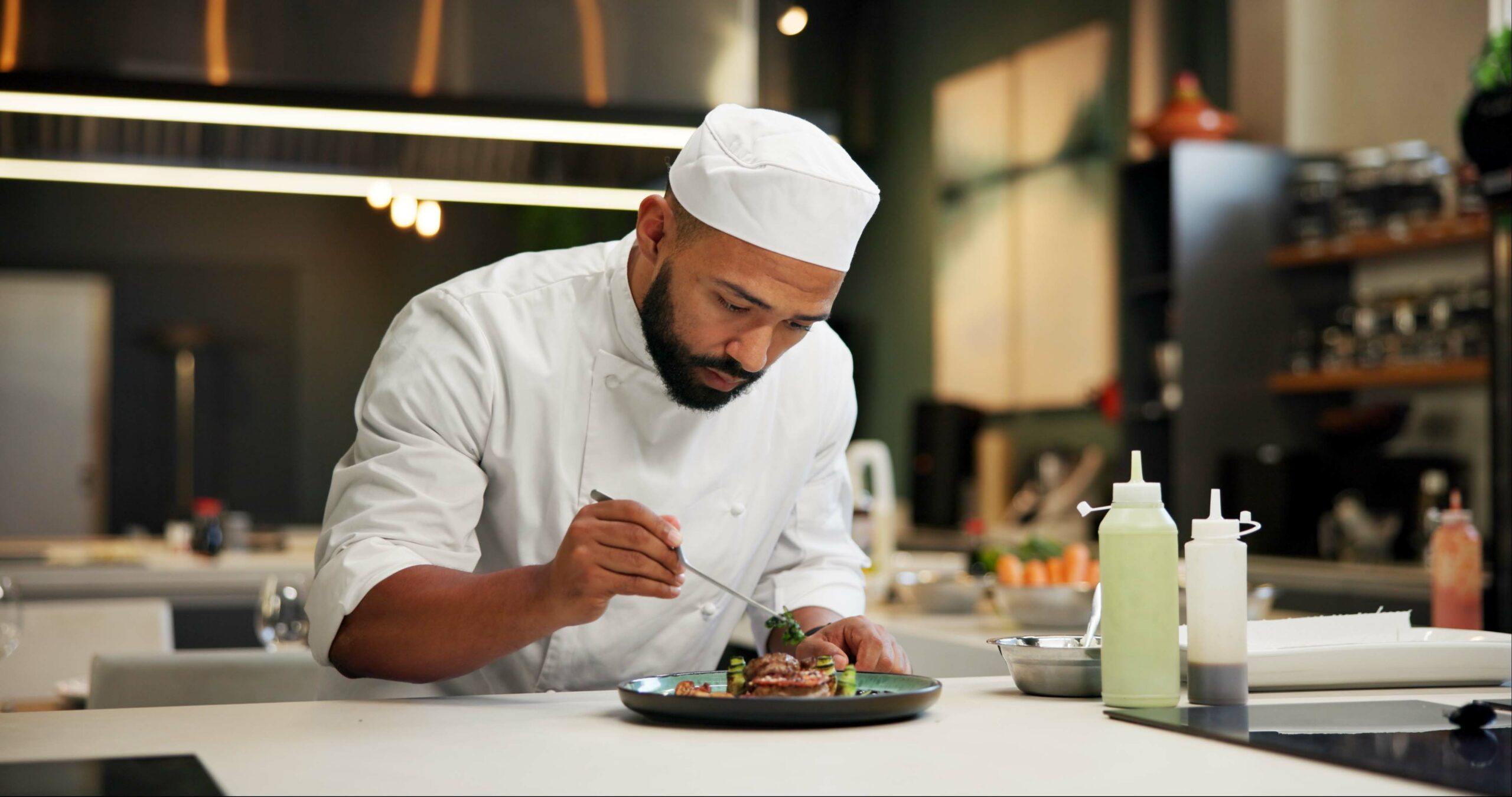
Many chefs adopting plant-based seafood aren’t vegan themselves. Their motivation is sustainability, supply stability, and cost control. Climate volatility has made seafood pricing unpredictable, pushing kitchens toward alternatives. Plant-based options provide consistency without sacrificing creativity.
This pragmatic approach is accelerating adoption faster than ideology ever could. When plant-based seafood solves operational problems, it sticks. Chefs care about margins as much as morality. Right now, these products deliver on both.
10. Chefs Are Embracing Texture Engineering Instead of Flavor Masking
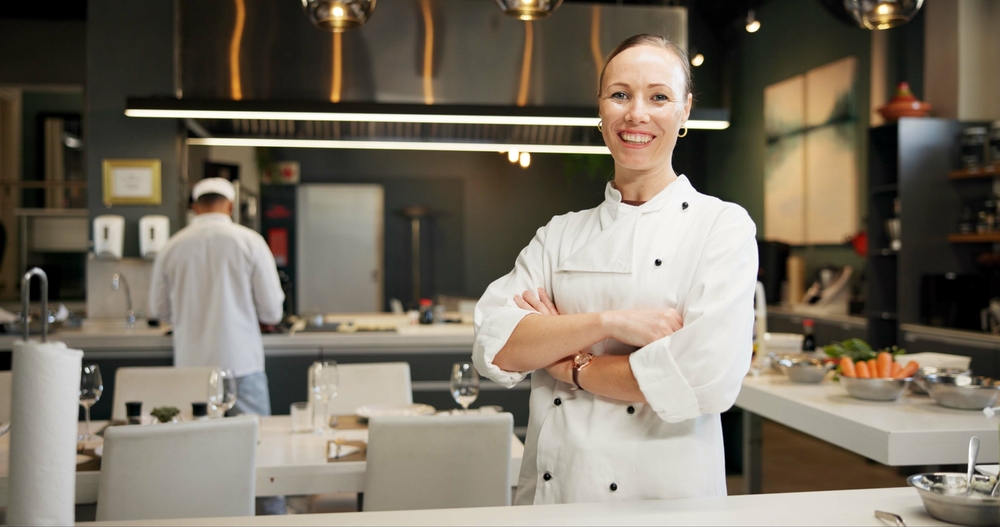
Earlier plant-based seafood leaned heavily on seasoning to hide shortcomings. Today’s versions prioritize texture first, knowing flavor can be layered afterward. Chefs want products that behave like seafood under heat and pressure. That technical shift marks real progress.
This change also reflects consumer sophistication. Diners now expect plant-based food to stand on its own merits. Texture failure is no longer forgiven as “good for vegan.” The bar has risen, and products are meeting it.
11. Chefs Are Designing Dishes, Not Substitutions

Rather than copying classic seafood dishes exactly, chefs are creating new ones built around plant-based ingredients. That means less comparison and more creativity. A plant-based “scallop” doesn’t need to replace scallops; it needs to taste good. This mindset shift is crucial.
When dishes aren’t framed as replacements, diners judge them less harshly. Chefs gain freedom to innovate. The food stands on its own identity. That’s when trends become cuisine.
12. Chefs’ Say Plant-Based Seafood Appeals to Flexitarians, Not Just Vegans

The biggest audience for plant-based seafood isn’t strict vegans — it’s flexitarians. People reducing seafood consumption for health or environmental reasons still want familiar flavors. These products let them participate without commitment. That broad appeal fuels market growth.
Flexitarians also dine out frequently, making them valuable customers. Restaurants cater to them by offering options that don’t feel preachy or restrictive. Plant-based seafood fits perfectly into that middle ground. It’s choice, not ideology.
13. Chefs Admit This Category Is Growing Faster Than Plant-Based Meat

Industry analysts note that plant-based seafood is scaling faster than plant-based meat did at the same stage. Lessons learned from earlier failures are being applied immediately. Chefs are involved earlier in product development, ensuring culinary credibility. That collaboration is accelerating success.
With climate pressure mounting and seafood demand rising, this category feels inevitable. Chefs aren’t waiting for consumers to demand it — they’re leading. Plant-based seafood isn’t a trend on the horizon. It’s already on the plate.


