

If you’ve noticed fridges online that look more like curated museum exhibits than places to store leftovers, you’re not imagining it. Hyper-organized refrigerators have exploded across TikTok, Instagram, and YouTube, turning everyday food storage into a visual language of control, calm, and competence. What started as a niche cleaning trend has morphed into a full-blown psychological coping mechanism, especially during times of economic anxiety and burnout. Here’s why people are obsessively organizing their fridges — and what it really says about how we’re coping right now.
1. It’s About Creating Control When Life Feels Unstable
When the outside world feels unpredictable, people often seek order in the spaces they can control. A fridge is one of the few daily environments that responds immediately to effort, making it a perfect target for anxiety management. Psychologists note that organizing behavior can temporarily reduce stress by creating a sense of mastery. In uncertain times, that visual order becomes emotionally reassuring.
Unlike abstract problems like inflation or job insecurity, a fridge can be fixed in an afternoon. The immediate payoff reinforces the behavior, encouraging people to repeat it. Over time, hyper-organization becomes a ritual rather than a task. The fridge turns into a symbol of stability in an otherwise chaotic life.
2. Visual Calm Is the Real Product Being Consumed
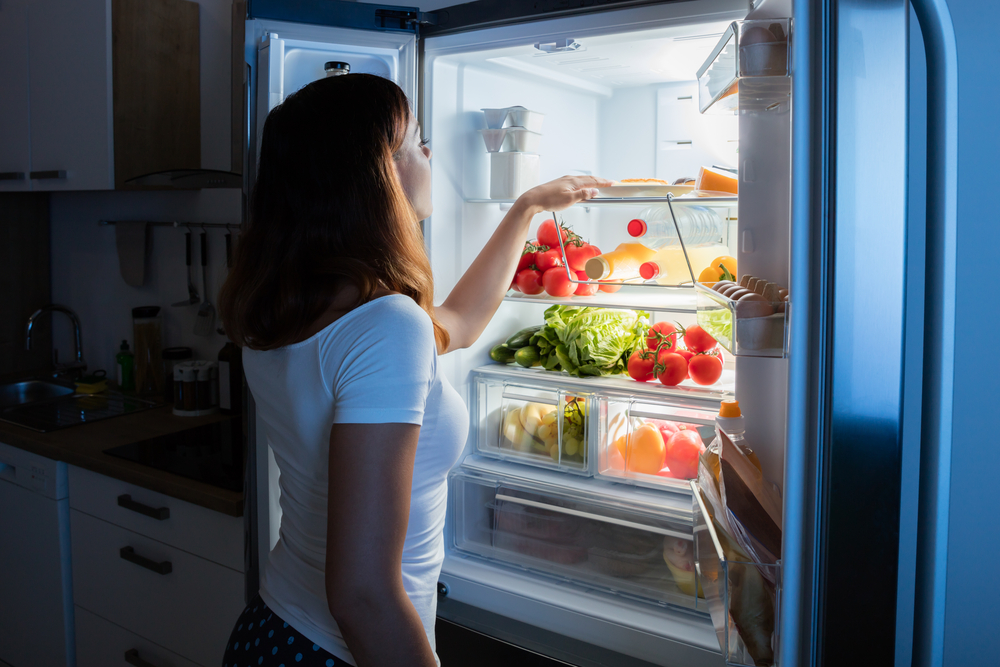
The appeal isn’t just practicality — it’s aesthetics. Clear bins, uniform containers, and color-coded produce create a soothing visual experience that feels almost meditative. Neuroscience research suggests that visual order reduces cognitive load, making spaces feel calmer and more manageable. A clean fridge offers a small but meaningful mental reset.
People aren’t organizing for efficiency alone; they’re organizing for peace. Opening the fridge becomes less stressful when nothing jumps out as cluttered or expired. That visual calm mirrors the rise of minimalist interiors and “soft living” trends. The fridge becomes part of the home’s emotional design.
3. Food Waste Anxiety Is Driving Extreme Organization

Rising grocery prices have made wasted food feel emotionally and financially painful. Hyper-organized fridges are designed to make every item visible, reducing the chance that food disappears behind leftovers and expires unseen. Labels, zones, and expiration tracking reflect a heightened awareness of cost. People aren’t just organizing — they’re protecting investments.
This behavior also reflects guilt around waste in a climate-conscious culture. Seeing everything clearly makes consumption more intentional. When food is front-facing and accessible, it gets used. The fridge becomes a system rather than a storage unit.
4. Social Media Turned Fridges Into Performance Spaces

Platforms like TikTok and Instagram transformed private spaces into content stages. A well-organized fridge signals discipline, health, and aesthetic competence — all social currency online. Influencers showcase restocking rituals that feel aspirational yet attainable. Viewers internalize the idea that a “good life” starts in the fridge.
This performative aspect encourages people to organize beyond necessity. The fridge isn’t just functional; it’s proof of self-control. Posting it validates effort through likes and comments. Organization becomes identity.
5. Clear Containers Create the Illusion of Abundance

Decanting food into matching containers makes even modest groceries look plentiful. Psychologically, this creates a sense of abundance rather than scarcity. Seeing rows of neatly stored items feels reassuring, especially when budgets are tight. The fridge looks full, even if it isn’t.
This illusion matters emotionally. Abundance calms fear and reduces stress around food security. The visual trick helps people feel prepared and resourced. It’s comfort through presentation.
6. Routine Offers Emotional Regulation
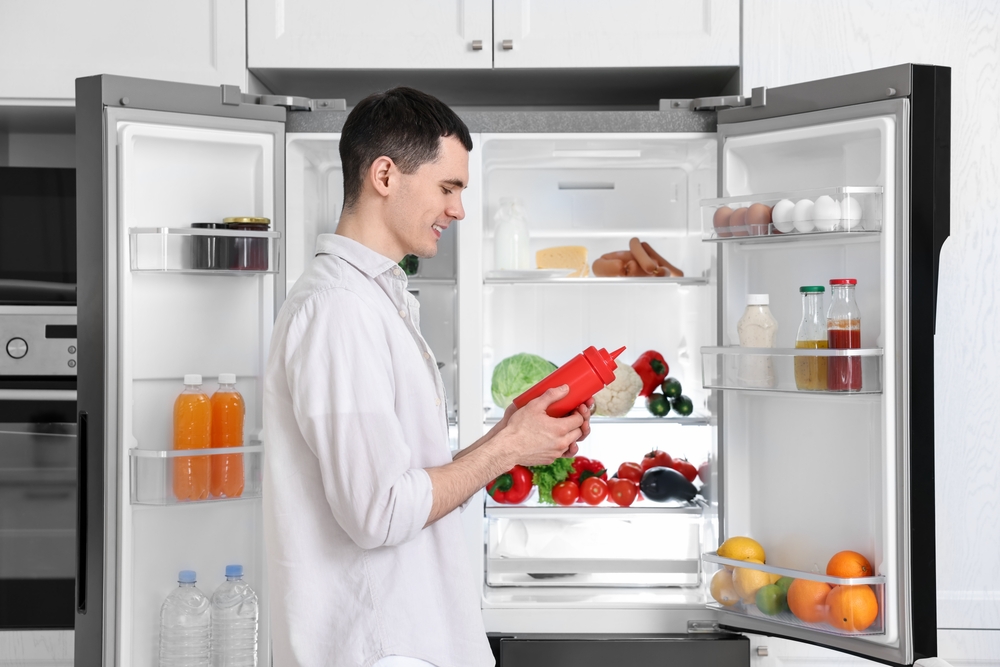
Restocking and reorganizing the fridge has become a weekly ritual for many people. Rituals provide predictability, which psychologists associate with emotional regulation. The repetitive motions of wiping shelves and aligning containers can be grounding. It’s mindfulness disguised as housework.
These routines also create a sense of accomplishment. Completing them offers closure and satisfaction. In a culture obsessed with productivity, even domestic tasks become self-soothing achievements. The fridge becomes a checkpoint of control.
7. Diet Culture Quietly Reinvented Itself Through Organization
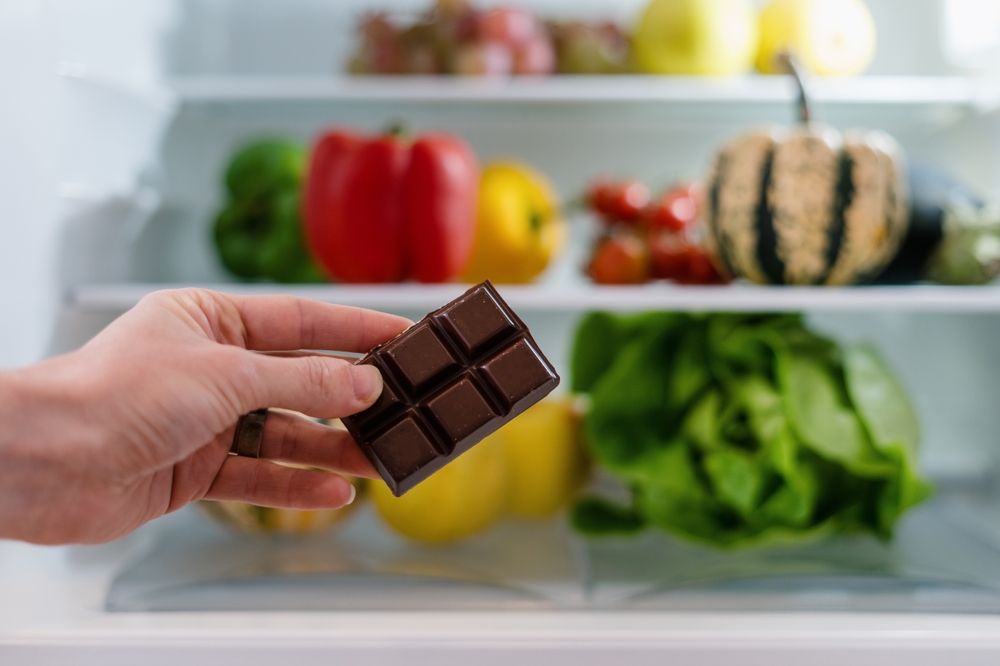
While overt diet culture has fallen out of favor, food organization has become its quieter cousin. Categorizing “healthy snacks,” prepping produce, and separating indulgences subtly reinforces control over consumption. It feels wellness-focused rather than restrictive. The messaging is softer, but the structure remains.
People frame it as self-care rather than discipline. That reframing makes the behavior more socially acceptable. The fridge becomes a visual reminder of “good choices.” Organization replaces moralizing language.
8. Hyper-Organization Reduces Decision Fatigue

Decision fatigue is real, especially in busy households. An organized fridge minimizes mental effort when choosing meals or snacks. Everything has a place, so nothing requires searching or second-guessing. This efficiency saves cognitive energy.
When choices feel easy, people feel calmer. The fridge becomes a support system rather than another source of stress. Reducing friction in daily routines is deeply appealing right now. Organization becomes a mental health tool.
9. The Pandemic Normalized Domestic Optimization

Lockdowns shifted attention inward, turning homes into offices, gyms, and social spaces. That period normalized optimizing domestic environments for comfort and function. Fridge organization became part of that larger home-management mindset. People learned that small changes could improve daily life.
Those habits didn’t disappear when restrictions lifted. Instead, they evolved into lifestyle aesthetics. The fridge remained a focal point because food remained central. Organization stuck because it worked.
10. Kids and Family Logistics Demand Visibility

For families, hyper-organization simplifies communication. Clear bins and labeled sections help kids find snacks independently. Partners can see what’s available without asking. The fridge becomes a shared information system.
This visibility reduces friction and mental load. One organized space can prevent dozens of small conflicts. Parents see organization as time-saving, not obsessive. The payoff is smoother routines.
11. It’s a Response, Not Vanity
Despite how it looks online, most people aren’t organizing for clout. They’re doing it because they feel overwhelmed. When life feels heavy, tidying a fridge offers a manageable win. It’s self-regulation disguised as aesthetics.
The trend reflects collective exhaustion more than perfectionism. Organization offers relief, not status. That’s why it resonates so widely. It meets people where they are.
12. Consumer Products Made It Easy and Addictive
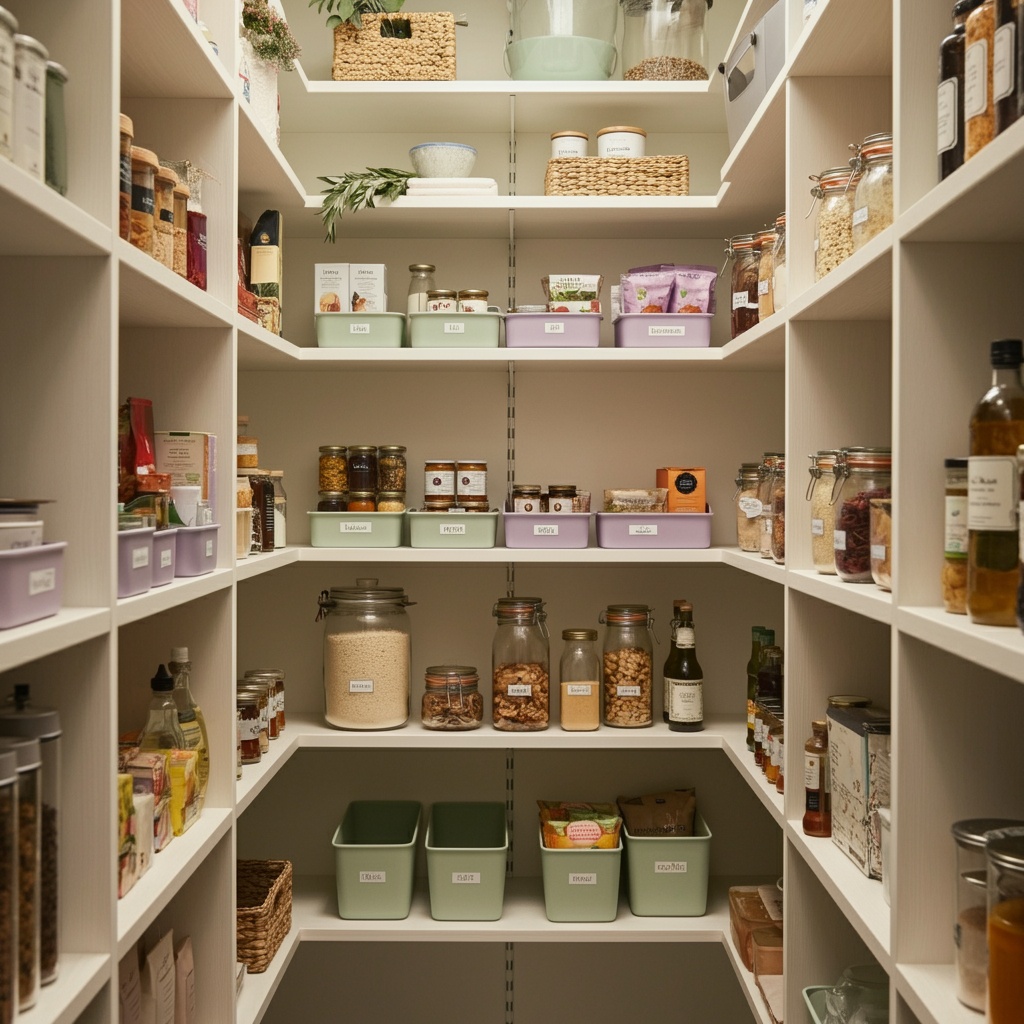
The rise of affordable organizing products lowered the barrier to entry. Clear bins, lazy Susans, and stackable drawers make transformation quick and satisfying. Retailers market them as problem-solvers rather than indulgences. That framing encourages purchase.
Once people see results, they want more. The dopamine hit of visible improvement reinforces the behavior. Organization becomes iterative. The fridge is never “done.”
13. Hyper-Organization Is a Power Flex

An organized fridge signals competence, even if everything else feels messy. It’s a visible marker of adulthood, stability, and self-management. People cling to that signal when other markers feel out of reach. The fridge becomes proof of effort.
This illusion isn’t harmful — it’s comforting. Feeling “together” in one area can restore confidence elsewhere. The fridge acts as emotional scaffolding. Small wins matter.
14. It’s a Modern Form of Domestic Therapy

At its core, fridge organization is a soothing behavior adapted to modern life. It combines movement, focus, and visual reward. That combination regulates the nervous system. People return to it because it works.
This trend isn’t about perfection. It’s about peace. As long as life feels unpredictable, people will keep organizing their fridges. It’s not just storage — it’s survival.


