
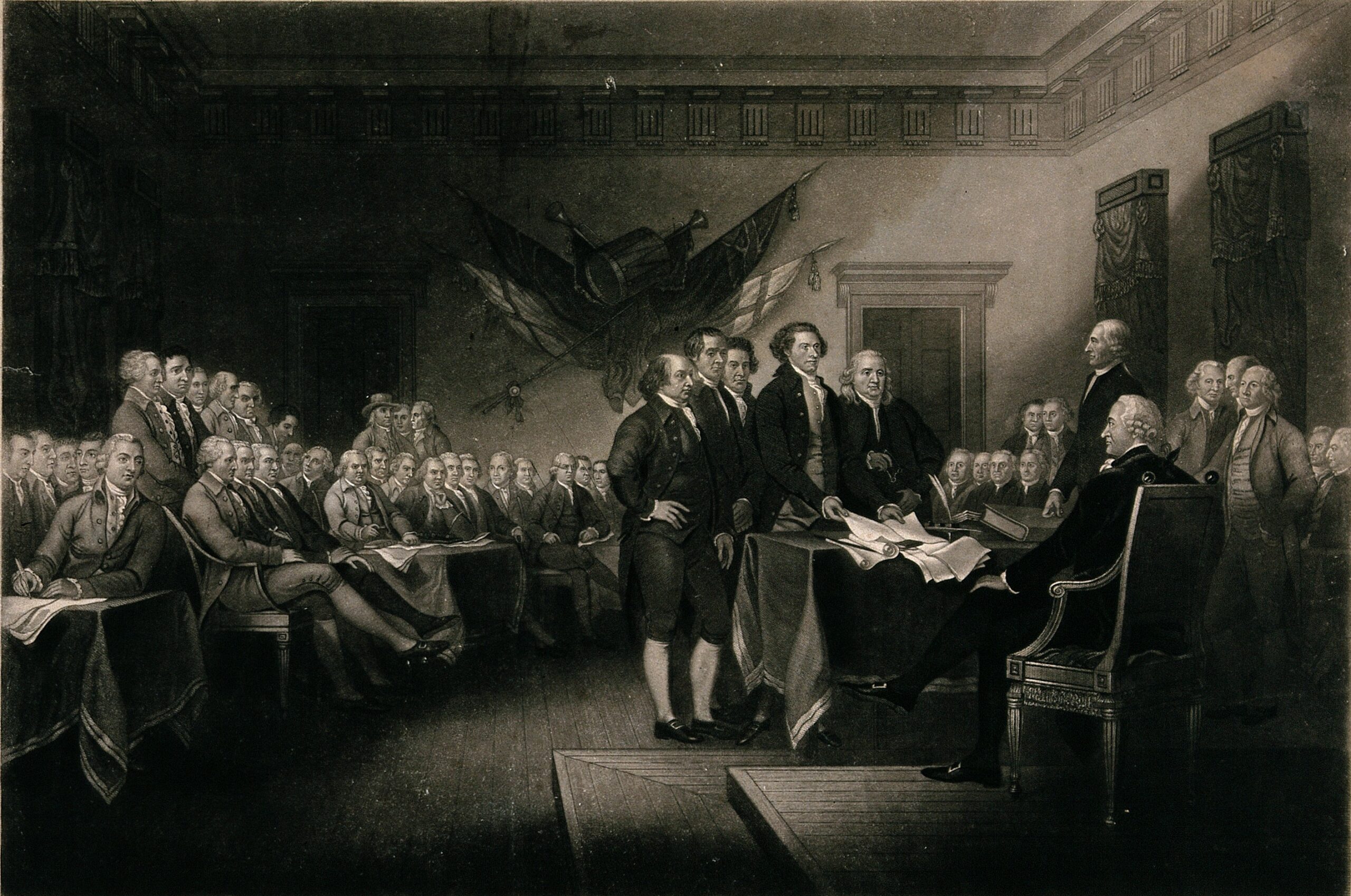
History tends to sand people down into symbols. Complexity gets flattened into lessons, contradictions into footnotes, and inconvenient truths into silence. The figures we’re taught to admire—or condemn—often bear only a partial resemblance to the real people who lived, failed, contradicted themselves, and acted under pressures we rarely acknowledge. These aren’t gotcha revelations. They’re reminders that history is curated, not neutral.
1. Thomas Jefferson
Thomas Jefferson is frequently remembered as a philosopher of freedom, democracy, and human rights. What is often minimized is how deeply his personal life contradicted those ideals. He enslaved hundreds of people, relied on their labor for his lifestyle, and did not free most of them even after his death.
The sanitized version persists because Jefferson’s contradictions are uncomfortable. Acknowledging them forces a reckoning with how liberty was selectively applied from the very beginning. He wasn’t uniquely hypocritical—he was representative of a system that reconciled lofty ideals with brutal reality.
2. Mother Teresa

Mother Teresa is widely taught as the embodiment of compassion and selfless care for the poor. Less discussed are credible reports from medical professionals and journalists who documented severe neglect in her facilities, including a lack of pain management and substandard care. Suffering was sometimes framed as spiritually meaningful rather than medically treatable.
The myth endured because it aligned neatly with religious symbolism. Criticism was dismissed as cruelty or misunderstanding. But the reality complicates the narrative: charity without accountability can still cause harm, even when intentions are revered.
3. Christopher Columbus
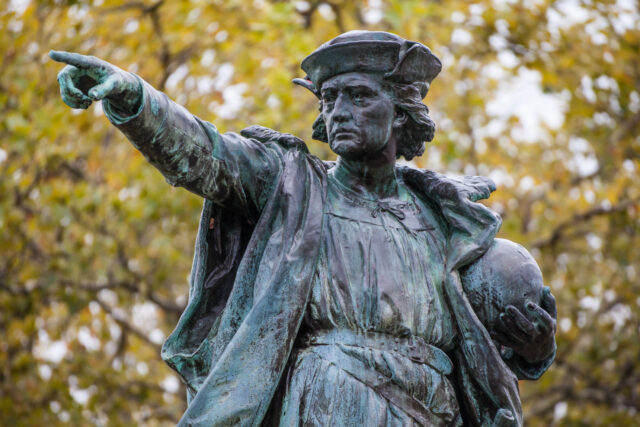
Columbus is often presented as a brave explorer who “discovered” the Americas. What’s downplayed is his role as a brutal administrator who oversaw enslavement, violence, and systemic exploitation of Indigenous people. His contemporaries documented these abuses in detail.
The heroic framing persists because it supports a foundational national myth. Recasting Columbus as a villain disrupts narratives of destiny and progress. The truth isn’t that he was misunderstood—it’s that his violence was long excused as collateral.
4. Abraham Lincoln

Abraham Lincoln is remembered primarily as the Great Emancipator, but his views on race were complex and often troubling by modern standards. Early in his career, he opposed the expansion of slavery while still expressing support for racial separation and colonization schemes. His evolution was gradual, not inevitable.
The simplified version erases the process in favor of destiny. Lincoln didn’t begin as a moral ideal—he became one through pressure, war, and circumstance. Recognizing that doesn’t diminish his impact; it reveals how change actually happens.
5. Marie Antoinette

Marie Antoinette is often caricatured as a frivolous queen indifferent to suffering. In reality, many of the stories that defined her reputation were propaganda designed to inflame public anger. She was politically inexperienced, isolated, and scapegoated in a collapsing system she did not create.
Her myth endured because it offered a simple villain. The truth is more unsettling: revolutions often require symbols, not accuracy. Antoinette became one because she was visible, foreign, and expendable.
6. Mahatma Gandhi

Gandhi is globally revered as a champion of nonviolence and moral clarity. What’s less emphasized are his deeply problematic views on race earlier in life, his treatment of women in personal experiments, and his rigid moral absolutism. These aspects complicate his legacy without negating his achievements.
The sanitized version persists because movements need saints. But Gandhi was not a symbol—he was a human being shaped by his era, capable of insight and harm. Understanding both is necessary to understand the movement itself.
7. Winston Churchill

Winston Churchill is celebrated as a heroic wartime leader who stood against fascism. Often omitted are his colonial policies and decisions that contributed to famine in India, as well as his explicit racial hierarchies. His leadership was decisive—but not universally humane.
The heroic framing survives because World War II narratives dominate his legacy. Acknowledging the rest complicates moral binaries. Churchill wasn’t a contradiction to empire—he was a product of it.
8. Helen Keller

Helen Keller is typically remembered as a symbol of perseverance and individual triumph over disability. What is often omitted is that she was a committed socialist who openly criticized capitalism, imperialism, and class inequality. She wrote extensively about labor rights, war, and economic injustice, views that were deliberately sidelined in mainstream narratives.
The inspirational version endured because it was politically safe. Celebrating Keller’s personal resilience while ignoring her radical politics allowed institutions to claim her story without engaging her critique. The result was a hero stripped of her voice.
9. Thomas Edison

Thomas Edison is taught as the quintessential lone genius inventor. What’s minimized is how aggressively he relied on teams of engineers, appropriated ideas, and used legal and financial power to marginalize competitors like Nikola Tesla. Innovation, in his case, was often collaborative but branded as singular.
The myth persists because it supports a narrative of individual brilliance over collective labor. Edison wasn’t uniquely dishonest—he was strategically ruthless in an emerging industrial system that rewarded ownership over contribution.
10. Amelia Earhart

Amelia Earhart is remembered primarily for her bravery and disappearance. Less discussed is how carefully her image was managed and commercialized, often limiting her autonomy. Sponsors, media, and institutions shaped her public persona to fit narrow ideals of femininity and heroism.
The simplified legend obscures the constraints she navigated. Earhart wasn’t just a fearless aviator—she was a woman negotiating visibility, funding, and credibility in a system that profited from her image while restricting her agency.
11. Napoleon Bonaparte

Napoleon is frequently framed as a brilliant military strategist and architect of modern governance. What’s often glossed over is his authoritarianism, censorship, and willingness to sacrifice enormous numbers of lives for expansion. His reforms came alongside repression.
The myth survives because winners write history in efficient shorthand. Napoleon wasn’t a misunderstood democrat—he was a ruler who blended progress with domination. Both were central to his legacy.
12. John F. Kennedy

JFK is remembered as a charismatic leader symbolizing hope and modernity. What’s rarely taught is his extensive health issues, reliance on medication, and personal behavior that would be scandalous by today’s standards. His public image was tightly controlled by media norms of the era.
The polished version persists because it fits a narrative of lost innocence. Acknowledging the full picture challenges the idea that leadership ever aligned cleanly with virtue. Kennedy’s presidency was effective in part because of, not despite, its contradictions.
13. Florence Nightingale

Florence Nightingale is often reduced to a gentle “lady with the lamp.” In reality, she was a relentless reformer who clashed with military leadership, challenged institutional incompetence, and used data aggressively to force change. She was abrasive, strategic, and uncompromising.
The softer version endured because it fit gender expectations. The truth—that Nightingale was feared as much as admired—reveals how women’s authority has historically been sanitized to appear palatable.
14. Julius Caesar

Caesar is remembered as a powerful general and statesman undone by betrayal. What’s often downplayed is how deliberately he dismantled republican norms, centralized power, and paved the way for dictatorship. His ambition destabilized the system he claimed to protect.
The myth of tragic heroism persists because it dramatizes collapse rather than responsibility. Caesar wasn’t merely a victim of politics—he was its accelerant.
15. Che Guevara

Che Guevara is frequently romanticized as a revolutionary icon. What’s less emphasized is his role in executions, authoritarian tendencies, and intolerance of dissent. His commitment to revolution often eclipsed concern for individual rights.
The myth endured because symbolism outpaced scrutiny. Che’s image became shorthand for rebellion, detached from governance realities. Understanding who he was requires separating resistance from righteousness.


