

Some crimes refuse to settle into closure, no matter how many times the official version is repeated. In these cases, doubt isn’t fueled by internet speculation alone—it’s sustained by missing evidence, contradictory testimony, rushed conclusions, or explanations that strain plausibility. What lingers isn’t just curiosity, but discomfort: the sense that the truth may be messier, more political, or more inconvenient than what was presented. These are famous cases where the story we were given still leaves critical questions unanswered.
1. The Assassination of John F. Kennedy
The Warren Commission concluded that Lee Harvey Oswald acted alone, yet decades later, the case remains unsettled in the public imagination. Conflicting eyewitness accounts, disputed ballistic evidence, and the existence of withheld or redacted documents have kept skepticism alive. Even official reinvestigations acknowledged the possibility of conspiracy without definitively resolving it.
What makes the case enduring isn’t one rogue theory—it’s accumulation. Too many discrepancies were explained away rather than reconciled. The result is a historical event where institutional certainty never fully overcame public doubt.
2. The Death of Marilyn Monroe

Marilyn Monroe’s death was ruled a probable suicide, but inconsistencies in timelines, missing phone records, and conflicting witness statements complicate that conclusion. Reports of her state of mind varied dramatically, and key figures present that night offered contradictory accounts.
The case persists because the official explanation relies heavily on assumptions rather than corroboration. Monroe’s celebrity ensured scrutiny, but it may have also incentivized closure over clarity. The unanswered questions remain structural, not sensational.
3. The Black Dahlia Murder
Elizabeth Short’s brutal murder in 1947 remains officially unsolved, yet authorities repeatedly suggested they were close to identifying the killer. Multiple confessions were later dismissed, evidence was mishandled, and media interference compromised the investigation.
What still doesn’t add up is how such a high-profile case produced so little accountability. The failure wasn’t just about one suspect—it was about an investigative process overwhelmed by spectacle, ego, and institutional limits.
4. The Disappearance of Jimmy Hoffa

Jimmy Hoffa vanished in 1975 and was never found, despite decades of federal investigation. The official stance acknowledges organized crime involvement, but offers no definitive account of what happened or where Hoffa’s body is.
The unresolved nature of the case reflects the power dynamics surrounding it. Hoffa knew too much, crossed too many interests, and disappeared into a system where silence was enforceable. The lack of resolution feels less mysterious than strategic.
5. The Murder of JonBenét Ramsey
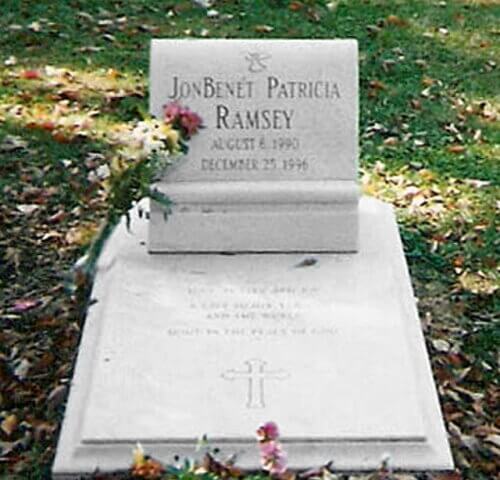
JonBenét Ramsey’s death was initially framed around an intruder, then shifted toward suspicion within the family, then stalled entirely. Contaminated crime scenes, conflicting forensic interpretations, and media pressure undermined the investigation early on.
The case endures because the evidence supports multiple narratives without conclusively proving any. Every theory explains some facts while ignoring others. That imbalance keeps the official story from settling.
6. The Disappearance of Madeleine McCann

Authorities eventually identified a prime suspect years after Madeleine McCann vanished, yet many aspects of the timeline remain unclear. Early investigative missteps, jurisdictional conflicts, and shifting theories weakened confidence in the official narrative.
The lingering doubt isn’t about whether a crime occurred, but whether the full truth was ever recoverable after early failures. The case highlights how quickly critical windows can close—and how little certainty remains afterward.
7. The Death of Tupac Shakur
Tupac Shakur’s murder was long treated as an unfortunate but solvable byproduct of gang violence, yet the investigation stalled for decades. Witness reluctance, conflicting accounts, and institutional disinterest allowed the case to go cold.
What doesn’t add up is not motive, but inertia. The lack of sustained investigative pressure suggests priorities beyond justice. Only recently has renewed attention exposed how little was ever resolved.
8. The Death of Princess Diana

Princess Diana’s death was officially ruled an accident caused by reckless driving and paparazzi pursuit, yet doubts surfaced almost immediately. Conflicting witness accounts, questions about tunnel surveillance footage, and delayed emergency response fueled public skepticism. Subsequent inquests reaffirmed the accidental ruling while acknowledging multiple contributing factors.
What keeps doubt alive is not a single smoking gun, but scale. The sheer number of inconsistencies—combined with Diana’s political and symbolic significance—made the case feel too consequential for such an untidy ending. For many, closure felt administratively delivered rather than emotionally earned.
9. The Murder of O.J. Simpson’s Wife, Nicole Brown Simpson

Although O.J. Simpson was acquitted in criminal court and later found liable in civil court, the case remains emblematic of unresolved justice. Mishandled evidence, police bias, and prosecutorial missteps compromised public trust in the process from the outset.
What doesn’t add up is not the existence of an official outcome, but the credibility gap it left behind. The verdict resolved the trial, not the questions. The case continues to symbolize how procedural failure can obscure factual truth.
10. The Death of Jeffrey Epstein
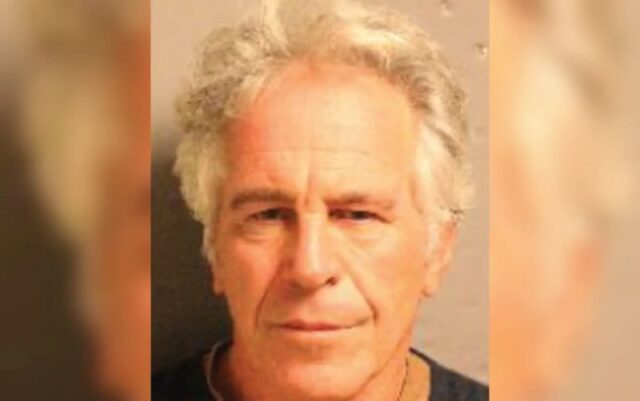
Jeffrey Epstein’s death was ruled a suicide, but failures at nearly every institutional level raised immediate alarm. Broken cameras, inattentive guards, and procedural lapses occurred simultaneously in one of the most monitored detention facilities in the country.
The official explanation struggles under the weight of improbability. Epstein’s connections, pending testimony, and potential to implicate powerful figures created strong incentives for doubt. Even without alternative proof, the conditions alone eroded confidence.
11. The Zodiac Killer Case

Authorities have periodically announced progress or possible identification of the Zodiac Killer, yet no official resolution has ever been confirmed. Evidence degradation, disputed handwriting analysis, and false confessions plagued the investigation from the start.
What doesn’t add up is the gap between certainty and proof. Each new claim collapses under scrutiny, reinforcing the sense that the truth may be permanently unreachable. The case remains a study in how time can defeat even persistent investigation.
12. The Murder of Robert F. Kennedy
Sirhan Sirhan was convicted of assassinating Robert F. Kennedy, but questions surrounding ballistics, witness testimony, and firing angles persist. Multiple witnesses reported shots from behind Kennedy, conflicting with the official account of Sirhan’s position.
The discomfort surrounding the case stems from unresolved physical evidence rather than speculation. Subsequent reviews acknowledged inconsistencies without overturning conclusions. The result is an official story that remains legally settled but historically unsettled.
13. The Dyatlov Pass Incident

Nine experienced hikers died mysteriously in Russia’s Ural Mountains in 1959. Soviet authorities initially blamed an “unknown compelling force,” later revising explanations multiple times over decades. Environmental theories explain some—but not all—of the injuries and behavior observed.
What doesn’t add up is coherence. Each explanation accounts for fragments of evidence while leaving others untouched. The shifting official stance has made the case feel reactive rather than conclusive, preserving doubt long after the event.
14. The Death of Natalie Wood

Natalie Wood’s drowning was originally ruled accidental, then later reclassified as “undetermined.” Conflicting accounts from those present, delayed witness testimony, and reopened investigations introduced new uncertainty decades after her death.
The case remains unresolved not because of sensationalism, but because of silence. Critical voices emerged too late, and evidence was lost to time. The official story exists—but it no longer feels complete.


