

Global depressions don’t arrive with sirens. They creep in when enough fragile things break at the same time, and no one quite knows which lever still works. The danger right now isn’t one dramatic collapse — it’s how exposed everything already is. High debt. Tight credit. Political chaos. Nervous consumers. When systems are this strained, it doesn’t take much to tip them from “tense” to “frozen.” These are the kinds of events that don’t just slow the economy — they change how people behave inside it.
1. A Country Suddenly Can’t Pay Its Bills

Governments borrow constantly, and most of the time, markets don’t panic about it. But once investors start wondering whether a country can repay its debt, things unravel fast. Interest rates spike, confidence evaporates, and refinancing becomes impossible almost overnight.
The real problem isn’t one country failing — it’s the reaction. Investors start asking who’s next. Other governments get dragged into the suspicion spiral, borrowing becomes more expensive everywhere, and spending dries up right when economies need it most.
2. Banks Quietly Stop Lending
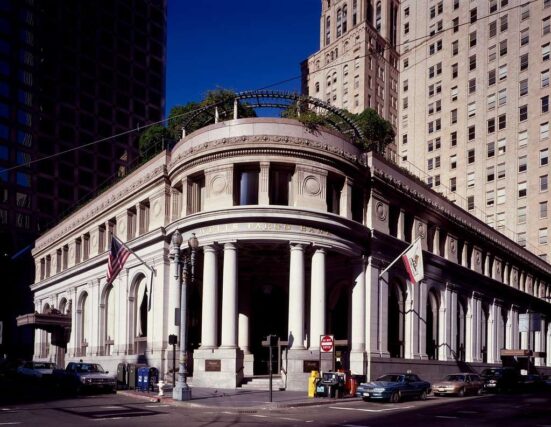
You don’t need bank runs for a banking crisis anymore. All it takes is hesitation. If banks lose confidence in the value of their assets — commercial real estate, bonds, long-term loans — they don’t collapse. They freeze.
When lending slows, everything downstream suffers. Businesses can’t expand. Companies delay hiring. Layoffs start “just in case.” The economy doesn’t crash loudly — it stalls, then sinks.
3. The Dollar Stops Feeling Untouchable

The global economy runs on the assumption that the U.S. dollar is safe no matter what. When that belief holds, markets stay calm even during chaos elsewhere. If it cracks, volatility spreads fast.
A wobble in dollar confidence raises borrowing costs, disrupts trade, and hits emerging economies first — but it never stops there. Once the world’s financial anchor feels unstable, everyone tightens up at once.
4. Energy Gets Expensive All at Once

Energy touches everything: food, shipping, manufacturing, rent, travel. When prices spike suddenly, costs ripple through the economy faster than wages ever can.
Households pull back. Businesses pass costs along or cut corners. Central banks get trapped between fighting inflation and avoiding recession. History shows that sustained energy shocks rarely stay contained — they set off chains of contraction.
5. A Big Economy Can’t Govern Itself
Markets don’t require perfect leadership, but they do need predictability. When a major economy gets stuck in endless political crisis — stalled budgets, mass unrest, institutional breakdown — investment flees.
Long-term planning stops. Companies wait. Capital looks for calmer ground. When the country in question is deeply tied to global trade or finance, that hesitation spreads outward.
6. Commercial Real Estate Finally Breaks

Office buildings, malls, and large apartment complexes are heavily leveraged and closely tied to banks. Falling values don’t just hurt landlords — they stress the entire financial system quietly and persistently.
Unlike housing crashes that hit homeowners, this kind of collapse hits institutions. That makes it harder to isolate, harder to fix, and more likely to drag everything else down with it.
7. A War Stops Feeling Contained

Most modern wars are sold as “regional.” The problem is they rarely stay that way economically. Once a conflict starts pulling in allies, sanctions, or trade disruptions, the costs spread far beyond the battlefield.
What turns this dangerous is time. Short conflicts shock markets. Long ones reshape them. Defense spending rises, supply chains reroute, insurance costs explode, and uncertainty becomes permanent. That’s when growth quietly gives way to survival mode.
8. Global Trade Starts Breaking Down

The modern economy assumes stuff will keep moving cheaply and on schedule. When that assumption fails — through shipping disruptions, trade wars, or geopolitical fractures — prices rise, and availability drops at the same time.
The real risk is when this happens everywhere at once. If multiple regions pull inward simultaneously, there’s no external engine to keep things moving. Everyone stalls together.
9. Housing Markets Crack in Multiple Countries

Housing isn’t just shelter — it’s confidence. When prices fall sharply, people don’t just lose wealth; they change behavior. Spending slows. Moves get postponed. Big life decisions freeze.
If housing corrections happen across several countries at the same time, the effects stack. Construction slows, banks tighten credit, and consumer confidence sinks. What starts as a property issue turns into an economy-wide pause.
10. Governments Run Out of Good Options

In past crises, governments could slash rates, spend aggressively, and reassure markets. Today, many of those tools are dulled. Debt is high. Inflation is sticky. Politics are fractured.
A depression becomes more likely when leaders see trouble coming but can’t agree on how to respond. Delay and half-measures erode confidence faster than bad news ever could.
11. Technology Replaces Jobs Faster Than People Can Adjust

Automation and AI don’t cause depression by themselves — speed does. If entire job categories disappear faster than new roles emerge, unemployment rises unevenly and resentment follows.
When large groups of people feel economically irrelevant at the same time, spending drops and social pressure builds. Without strong transition systems, productivity gains can paradoxically weaken demand.
12. Confidence Just…Breaks

This is the moment no one can time but everyone feels. Businesses stop expanding. Consumers stop spending. Investors stop believing the system will stabilize on its own.
Depressions aren’t only economic failures — they’re psychological ones. Once people lose faith that things will work out, contraction feeds on itself. And by the time confidence is gone, policy is already late.


