

In Hollywood, drinking isn’t just social—it’s structural. Alcohol smooths long days, lubricates networking, softens rejection, and blurs exhaustion just enough to keep people functional. Choosing not to drink in that environment isn’t a wellness flex. It’s a refusal to numb. What makes these celebrities look better isn’t abstinence itself. It’s what sobriety exposes: sharper boundaries, cleaner energy, and a visible absence of self-distortion. They don’t just look good—they look undiluted.
1. Zendaya
Zendaya doesn’t drink, and in an industry that often encourages young stars to “loosen up,” that choice quietly sets her apart. She moves through Hollywood without the performative chaos that’s often mistaken for youth or edge. Her public presence feels deliberate, not reactive. Nothing about her energy suggests she’s trying to keep up.
What reads as confidence is actually coherence. Without alcohol blunting discomfort or inflating bravado, her self-possession feels earned rather than styled. She looks composed because she isn’t constantly recalibrating herself the next day. The effect is clarity—and clarity photographs well.
2. Blake Lively

Blake Lively has said she doesn’t drink because she doesn’t enjoy the loss of control, which is unusually honest in a culture that romanticizes indulgence. In Hollywood, control is often framed as rigidity or insecurity. Lively treats it as a preference. That distinction matters.
Visually, she carries herself with ease rather than buzzed charisma. There’s nothing frantic or overextended in how she shows up. Sobriety hasn’t stripped her of sparkle—it’s stripped away excess. What’s left is steadiness, which reads as confidence rather than restraint.
3. Jennifer Lopez

Jennifer Lopez has avoided alcohol for years, not as a reaction to crisis but as part of a long-term system. In an industry built on short-term recovery cycles, her discipline is structural, not aesthetic. She doesn’t use substances to recover from her life—she designs a life she doesn’t need to recover from.
What people call “ageless” is really accumulation without erosion. Her energy isn’t borrowed from stimulants or softened by depressants. It’s maintained. The result isn’t just physical—it’s visible command over her own rhythm.
4. Natalie Portman

Natalie Portman has spoken about not drinking, and her sobriety fits seamlessly with how she moves through Hollywood: selectively, deliberately, and without apology. She doesn’t participate in the social rituals that blur professional and personal boundaries. That restraint has allowed her to maintain a career defined by range rather than overexposure. She opts out of chaos without making it a statement.
What shows up visually is precision. Her presence feels focused rather than softened, sharp without being brittle. There’s no sense of recovery baked into her public image because there’s nothing to recover from. In an industry that rewards burnout disguised as passion, her steadiness reads as authority.
5. Chris Martin

Chris Martin has been open about giving up alcohol as part of taking his mental health seriously. In music culture, especially, drinking is often framed as part of creativity or authenticity. Martin’s sobriety quietly rejects the idea that inspiration requires self-destruction. He chose clarity over mythology.
The result isn’t just physical—it’s tonal. His energy feels lighter but more contained, less erratic, more intentional. Without alcohol amplifying emotion, his public presence feels emotionally regulated rather than performative. That kind of calm stands out in a world that profits from volatility.
6. Anne Hathaway
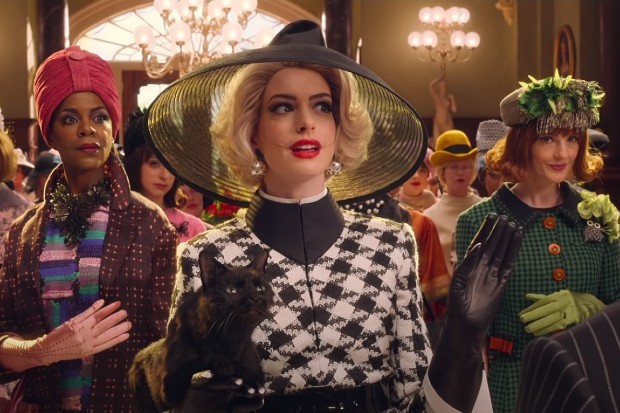
Anne Hathaway stopped drinking after becoming a parent, but the shift goes beyond lifestyle change. Hollywood often celebrates “wine mom” culture as relatable and harmless. Hathaway’s choice cuts against that normalization without moralizing it. She simply opted for presence over numbing.
What’s visible now is consistency. Her expressions, posture, and energy feel less strained, less guarded. There’s a groundedness that suggests she’s no longer smoothing over exhaustion with coping mechanisms. She looks better because she’s no longer borrowing energy from tomorrow.
7. Bradley Cooper

Bradley Cooper has spoken candidly about his sobriety and how early he recognized alcohol was interfering with his ability to live fully. In an industry where excess is often reframed as charm, his decision marked a refusal to romanticize dysfunction. He chose depth over distortion. That choice reshaped everything that followed.
What stands out now is how contained his intensity is. He still brings emotional weight, but it isn’t scattered or reckless. Sobriety didn’t dim him—it concentrated him. The result is a presence that feels deliberate rather than combustible.
8. Eva Mendes

Eva Mendes has long avoided alcohol, and her relationship to Hollywood reflects that same distance. She doesn’t participate in the social circuits that require constant availability or self-soothing. Her career choices have been selective, not reactive. Sobriety supports that selectivity.
Visually, she carries a kind of stillness that doesn’t read as absence. There’s nothing overstimulated or depleted about her public appearances. She looks rested in a way that suggests boundaries, not retreat. In Hollywood, that’s a radical aesthetic.
9. Tobey Maguire

Tobey Maguire has been sober for decades, well before sobriety became culturally legible. He made the choice quietly, without rebranding or narrative payoff. In an industry that often requires reinvention after excess, his steadiness feels almost anachronistic. He never built a persona around unraveling.
What that produces visually is durability. He looks intact, not overprocessed by cycles of burnout and recovery. There’s a sense of continuity in how he’s aged. In Hollywood terms, that’s not just rare—it’s defiant.
10. Daniel Radcliffe

Daniel Radcliffe has been open about getting sober early in his adult life, at a moment when most former child stars are expected to spiral publicly. Alcohol had become a way to disappear inside fame rather than navigate it. Sobriety forced him to stay present in an industry that often rewards dissociation. That choice altered the trajectory of his career.
What’s visible now is comfort without self-consciousness. He looks relaxed rather than guarded, playful without chaos. There’s no sense that he’s hiding behind irony or excess. Sobriety didn’t make him safer—it made him more habitable to himself, and that shows.
11. Lucy Hale

Lucy Hale has spoken candidly about quitting drinking after realizing it was quietly running her life. In Hollywood, especially for young women, alcohol is often framed as social glue and emotional anesthesia. Hale chose clarity in an environment that often discourages it. That decision required stepping outside familiar coping structures.
What stands out is how grounded her presence feels now. She looks calmer, more settled, less like she’s bracing for the next emotional swing. The absence of alcohol shows up as steadiness, not severity. In a culture that rewards overextension, her restraint reads as confidence.
12. Zac Efron

Zac Efron got sober after realizing that alcohol was entangled with both pressure and self-escape. Hollywood had rewarded his image while offering little protection for his interior life. Sobriety wasn’t about cleaning up optics—it was about regaining agency. He chose coherence over coping.
The shift is visible in how he occupies space. He looks less inflated by expectation, less strained by performance. His energy feels durable rather than forced. Sobriety didn’t remove intensity—it stabilized it.
13. Robert Downey Jr.
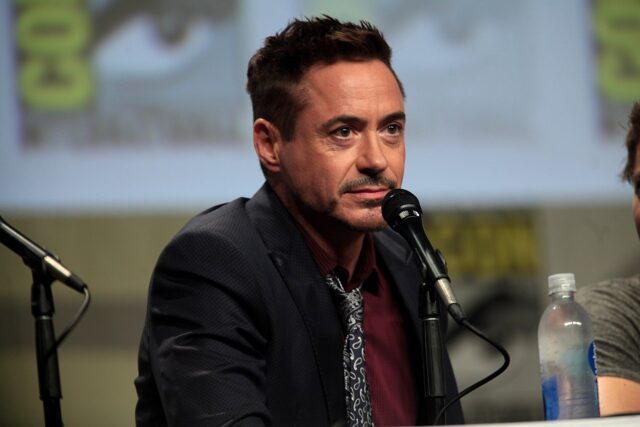
Robert Downey Jr.’s sobriety didn’t just save his career—it rebuilt it on entirely different terms. After years of public unraveling, he returned to Hollywood without relying on chaos as currency. He constructed discipline in an industry that often monetizes dysfunction. That structure became his leverage.
What you see now is containment rather than volatility. He carries authority without spectacle, humor without self-destruction. His presence feels intact, not reactive. In Hollywood, longevity without erosion is its own kind of rebellion.


