
Celebrity business power doesn’t always look like a headline-grabbing brand launch or a flashy endorsement deal. Some of the most influential empires are built quietly, through equity stakes, ownership structures, and long-term strategy rather than constant self-promotion. These celebrities don’t just lend their names—they shape operations, negotiate control, and think in decades instead of press cycles.
1. Reese Witherspoon
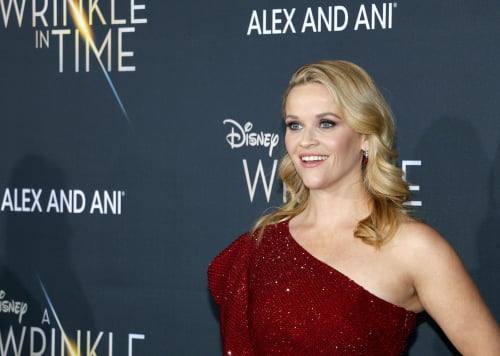
Reese Witherspoon’s business influence extends far beyond acting, largely through her production company Hello Sunshine. Rather than chasing prestige roles, she focused on owning and developing IP centered on women-led stories. The company became a pipeline, not a vanity project. Its eventual sale valued it at nearly a billion dollars.
What’s notable is how early she prioritized ownership over visibility. Witherspoon positioned herself as a builder, not just talent. She leveraged taste, audience trust, and control of distribution. The empire runs whether or not she’s on screen.
2. Ryan Reynolds

Ryan Reynolds is often framed as a “funny marketer,” but that framing understates the scale of his business strategy. Through stakes in Aviation Gin, Mint Mobile, and Maximum Effort, he’s embedded himself in how brands communicate, not just how they’re advertised. His involvement goes beyond endorsement into creative and operational influence.
The empire works because it’s modular. Each company benefits from shared infrastructure while remaining distinct. Reynolds doesn’t just sell products—he builds systems that can scale independently of him. That’s why the exits have been so lucrative.
3. Jessica Alba
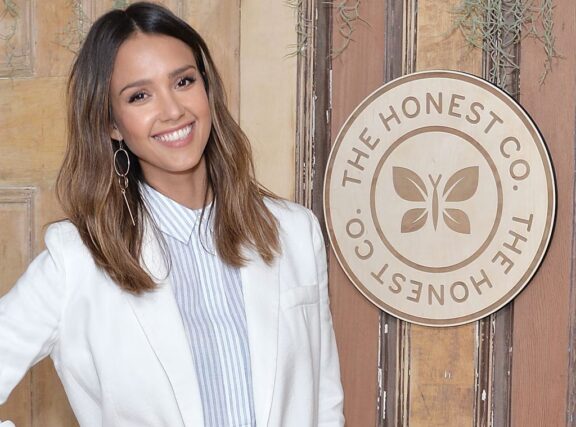
Jessica Alba quietly transitioned from actress to full-scale founder with The Honest Company. What began as a consumer brand rooted in health and transparency grew into a publicly traded company. Alba maintained a hands-on role in shaping its mission and product direction. The shift wasn’t cosmetic—it was structural.
Her power comes from credibility and consistency. Alba wasn’t chasing trends; she was building a long-term consumer trust model. The company’s growth happened gradually, not explosively. That patience is what made it durable.
4. Jay-Z
Jay-Z’s business empire spans music, fashion, spirits, sports management, and venture capital. What’s often overlooked is how strategically he moves between industries, using ownership as leverage. Roc Nation isn’t just an entertainment company—it’s a talent, branding, and rights-management machine. Each vertical reinforces the others.
His approach prioritizes equity over visibility. Jay-Z often steps back publicly once the infrastructure is in place. The power lies in control, not presence. That’s how the empire continues expanding quietly.
5. Gwyneth Paltrow
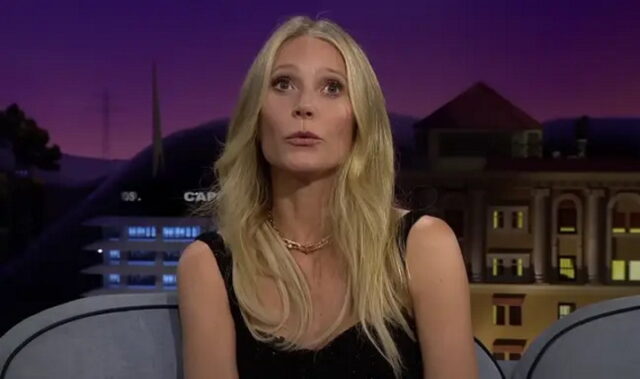
Gwyneth Paltrow’s influence is frequently reduced to Goop’s public image, but the company itself is a serious commercial operation. It spans media, wellness, product lines, and retail, with a diversified revenue model. Paltrow functions as both figurehead and decision-maker. The business is structured to outlive her celebrity relevance.
What’s notable is how she normalized founder-led lifestyle branding before it was common. Goop created its own market rather than competing in existing ones. Paltrow built an ecosystem, not a single product. That’s what turned skepticism into staying power.
6. Ashton Kutcher
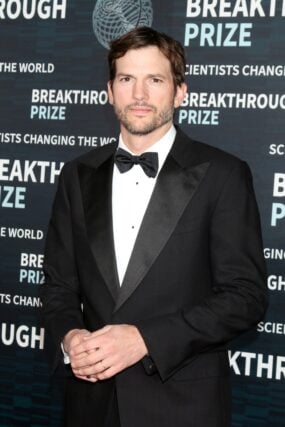
Ashton Kutcher is one of the most influential celebrity investors of the past two decades. Through early-stage investments in companies like Airbnb, Uber, and Spotify, he positioned himself at the intersection of tech and capital. His involvement isn’t passive—he’s known for deep engagement with founders. The returns speak for themselves.
Kutcher’s empire is largely invisible because it’s built on stakes, not spotlight. He understood early that access to deals mattered more than public credit. The result is a portfolio that operates independently of his acting career. That separation is intentional.
7. Rihanna
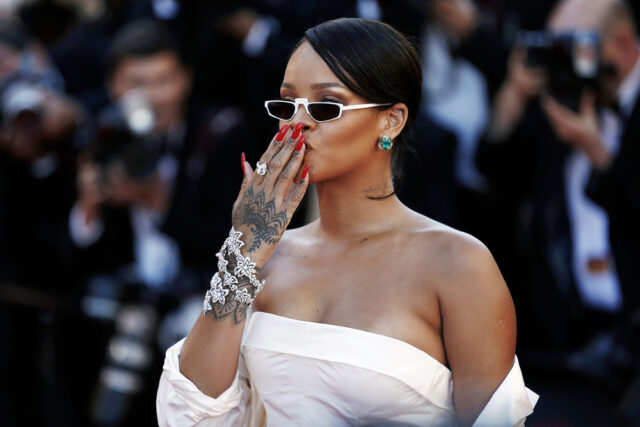
Rihanna’s Fenty empire spans beauty, fashion, and lingerie, but its real power lies in structure. She co-owns her brands and holds creative control, rather than licensing her name. Each Fenty vertical was designed to correct gaps in existing markets, not just capitalize on fame. That focus fueled rapid global growth.
What makes her empire quiet is how normalized it now feels. Fenty didn’t rely on constant celebrity visibility to sustain momentum. The products and systems stand on their own. Rihanna built something that functions without her being everywhere at once.
8. Dr. Dre
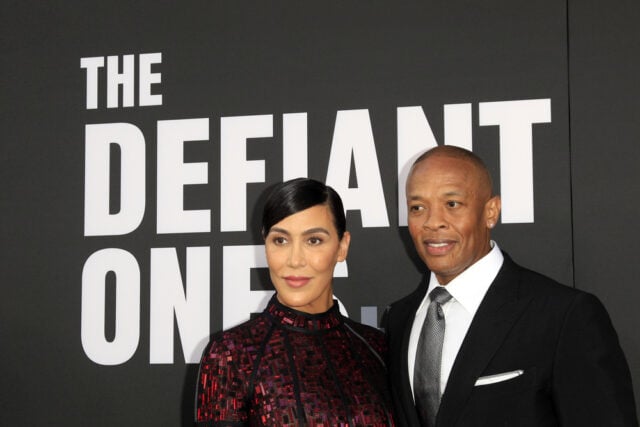
Dr. Dre’s business empire is often summarized as “Beats,” but that undersells the architecture behind it. His role wasn’t just creative—it was strategic, shaping product identity, partnerships, and positioning from the start. Beats became a cultural object as much as a consumer one. That blend made it irresistible to Apple.
After the acquisition, Dre didn’t retreat. He continued building through media ventures, production infrastructure, and equity positions that kept him embedded in how culture and capital intersect. The power of his empire lies in how seamlessly it integrates influence and ownership. The spotlight was never the goal.
9. Oprah Winfrey

Oprah’s business influence is so extensive that it’s easy to forget how intentionally it was constructed. From Harpo Productions to OWN and multiple equity partnerships, she built an ecosystem designed to centralize creative and financial control. Each move reinforced the others rather than competing for attention. Visibility was always secondary to leverage.
What distinguishes Oprah’s empire is its durability. She positioned herself as an institution, not a personality dependent on constant output. Even when she steps back, the systems continue operating. That longevity is the mark of real behind-the-scenes power.
10. Serena Williams

Serena Williams has quietly built a serious investment portfolio through Serena Ventures, focusing on early-stage companies often overlooked by traditional capital. Her approach emphasizes long-term growth over quick returns. She’s selective about involvement, choosing equity and influence rather than endorsement. The work happens far from the spotlight.
What’s notable is how deliberately she’s separated business identity from athletic fame. The companies she backs don’t rely on her visibility to succeed. That insulation makes the empire resilient. Williams is building something designed to compound quietly over time.
11. LeBron James
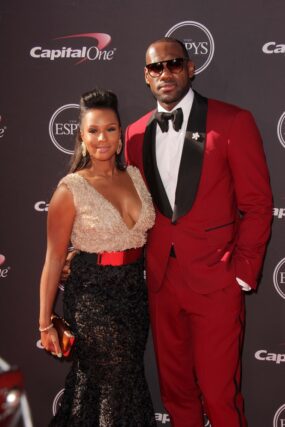
LeBron James’s empire extends far beyond endorsements, rooted in ownership, media infrastructure, and strategic partnerships. Through SpringHill Company and stakes in sports franchises, he’s positioned himself as a long-term power broker. The focus isn’t short-term monetization—it’s control over narrative and distribution. That distinction matters.
Rather than attach his name to everything publicly, James invests in frameworks that scale without him. His influence grows even when he’s not active in the conversation. The business moves mirror his career: patient, strategic, and oriented toward legacy.
12. Kim Kardashian
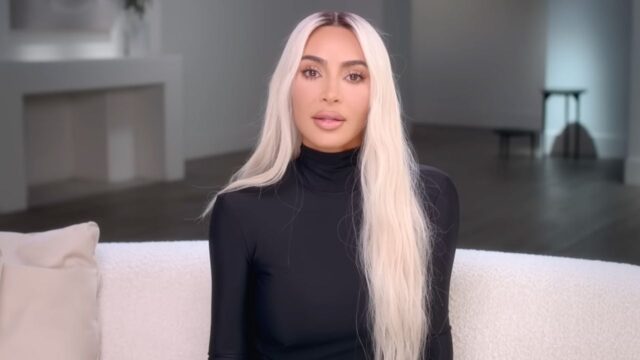
Kim Kardashian’s business success is often dismissed as branding, but that misses the operational complexity behind her companies. Skims, in particular, is built on supply chain control, data-driven iteration, and ownership rather than licensing. The brand’s growth reflects infrastructure, not hype. Kardashian functions as an executive, not just a face.
What’s striking is how little noise accompanies the expansion. New categories roll out without spectacle because the systems are already in place. Her empire thrives on consistency rather than constant reinvention. That quiet reliability is the real engine.
13. Tyler Perry
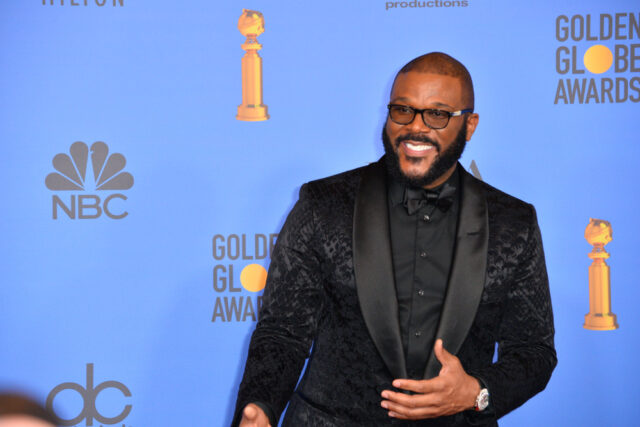
Tyler Perry built one of the most vertically integrated production empires in entertainment. Tyler Perry Studios isn’t just a studio—it’s a self-contained ecosystem controlling writing, production, distribution, and real estate. Ownership has always been central to his strategy. The scale is enormous, but rarely framed that way publicly.
His independence allows him to bypass traditional gatekeepers entirely. Projects move on his timeline, under his control. The empire doesn’t rely on trends or awards. It relies on infrastructure, which is why it continues expanding quietly.
14. Robert De Niro
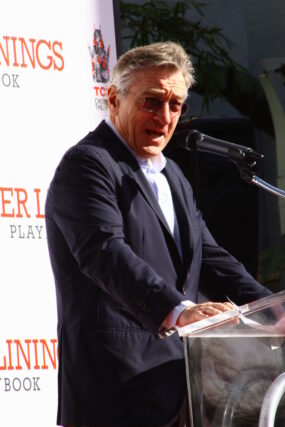
Robert De Niro’s business influence operates largely outside entertainment through his co-founding of Nobu. What began as a restaurant concept evolved into a global hospitality empire. De Niro’s role isn’t promotional—it’s foundational. The brand scales without needing his constant involvement.
Hospitality runs on repetition and reliability, not celebrity buzz. That makes it an ideal vehicle for quiet power. De Niro built something that functions regardless of his public profile. The empire works in the background, exactly as intended.


