

Shark Tank has become the modern-day Roman Colosseum for entrepreneurs, where dreams are either forged in gold or burned to a crisp. Over the years, we’ve seen everything from literal gold-plated toilets to high-tech medical breakthroughs that could change the world. These thirteen products didn’t just get a deal; they fundamentally shifted the way the sharks—and the world—think about innovation.
1. The Scrub Daddy Sponge
The Scrub Daddy is widely considered the most successful product in the history of the show. This smiling sponge changes texture based on water temperature, becoming firm in cold water for scrubbing and soft in warm water for light cleaning. When Aaron Krause demonstrated its versatility, the sharks were instantly hooked. A 2024 retrospective report by Forbes stated that Scrub Daddy has generated over $670 million in retail sales since its 2012 debut.
The product solved a problem every homeowner faced: the need for multiple sponges that eventually smell and fall apart. Today, the Scrub Daddy is a global brand with dozens of variations, proving that a smile is really all it takes.
2. The Squatty Potty

Few inventions have changed the bathroom habits of millions as dramatically as the Squatty Potty. This simple stool aligns the body for more natural elimination by mimicking a squatting position, which supposedly prevents various digestive issues. The pitch was memorable for its use of a stuffed unicorn pooping rainbow ice cream, a move that delighted the sharks. It was a bizarre presentation for a serious medical claim, but the humor made a “gross” topic accessible and viral.
The invention tapped into a growing cultural interest in gut health and ancestral living. Despite some initial skepticism about the “science,” the product’s sales exploded after the episode aired. It proved that people are willing to pay for health solutions that feel intuitive and easy to implement.
3. The DoorBot

Long before it was a billion-dollar Amazon acquisition, the Ring Video Doorbell was a “failed” pitch on Shark Tank known as DoorBot. Jamie Siminoff pitched a Wi-Fi-enabled doorbell that allowed users to see and talk to people at their door via their smartphones. The sharks passed on the deal, and according to a 2018 CNBC case study, Amazon eventually purchased the company for over $1 billion, making it the “one that got away.”
The sharks’ failure to see the potential of the “internet of things” remains one of the show’s most debated moments. Today, the technology is ubiquitous, and Siminoff even returned to the show as a guest shark.
4. Bombas Socks
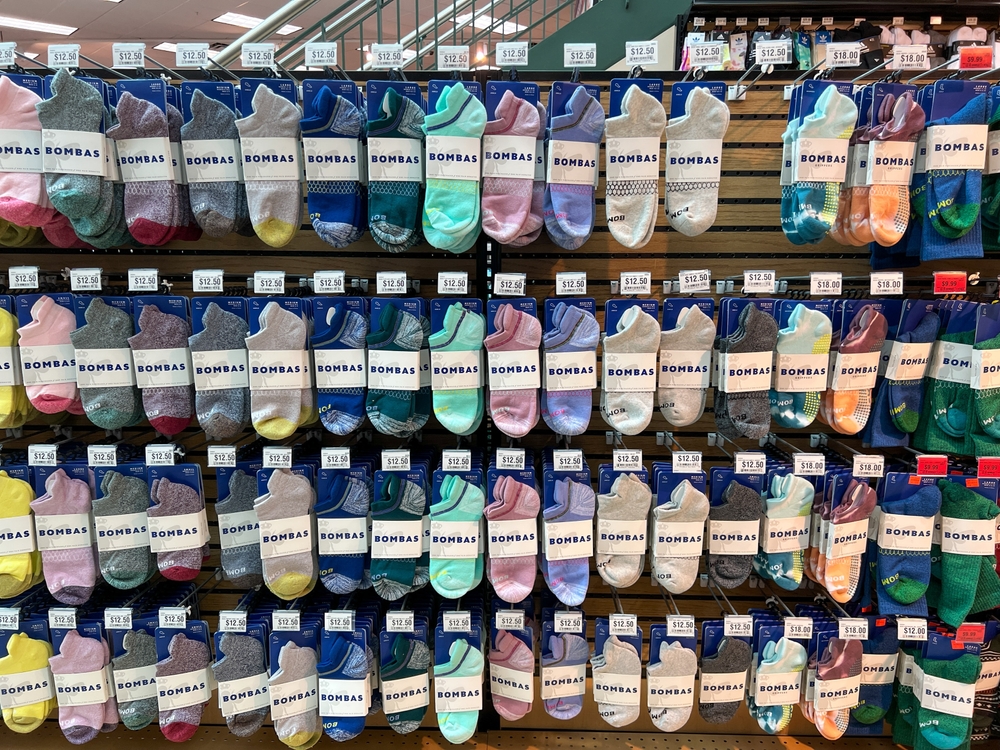
Bombas took a commodity as boring as socks and turned it into a massive engine for social good. The founders realized that socks are the number one requested item at homeless shelters, so they created a “one purchased, one donated” business model. They also engineered a better sock with a honeycomb arch support system and a seamless toe. The sharks were impressed by the high-quality product and the mission-driven heart of the company.
Daymond John eventually landed the deal, and the brand has since donated over 100 million items to those in need. The socks themselves are notoriously comfortable, proving that you can’t just rely on charity to build a business. Bombas has since expanded into t-shirts and underwear, becoming a powerhouse in the apparel industry.
5. The Simply Fit Board
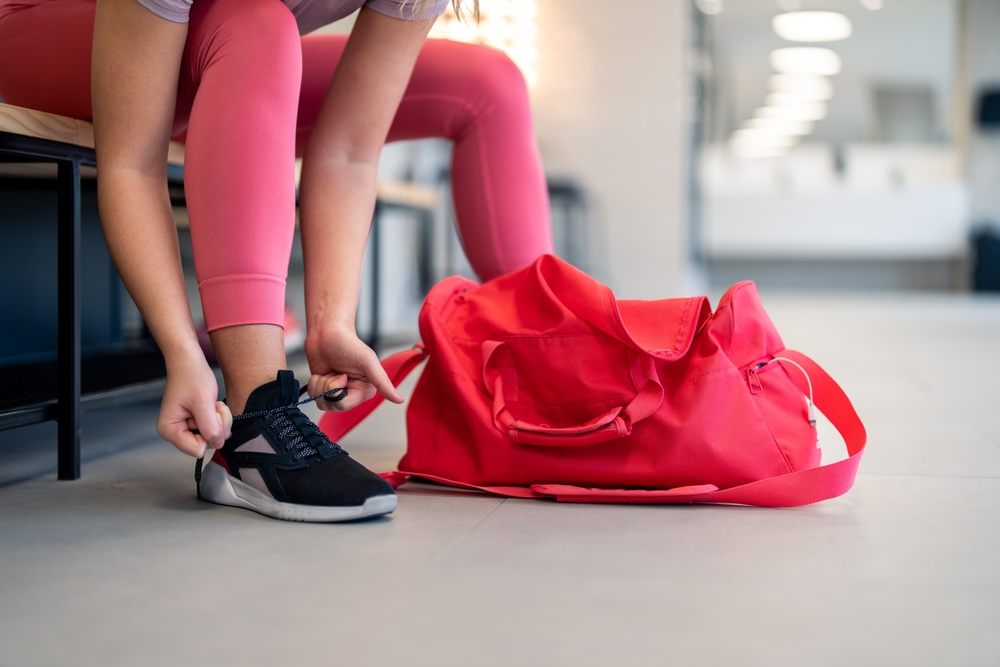
The Simply Fit Board is a piece of home exercise equipment that looks like a simple curved plastic plank but offers a high-intensity core workout. Its creator, a mother-daughter duo, demonstrated how the board allows users to twist their way to a stronger midsection. The sharks were initially skeptical of its simplicity, but the sales numbers were impossible to ignore. A 2023 retail analysis by Business Insider noted that the product sold over $160 million in its first few years after the deal.
Its success is rooted in the “low barrier to entry” for fitness, as it can be used while watching TV or in a small apartment. It proved that sometimes the most effective inventions are the ones that don’t require a complex manual or a gym membership.
6. The Breathometer

The Breathometer was a smartphone-connected breathalyzer that promised to help people stay safe and responsible after drinking. It was the first pitch in history to receive offers from all five sharks simultaneously, resulting in a $1 million collective investment. The technology seemed like a literal lifesaver, allowing users to check their blood alcohol content with a simple plug-in device.
However, the story eventually took a dark turn when the FTC stepped in, claiming the device was inaccurate and misleading. The company was forced to offer refunds to customers, and the product was eventually pulled from the market. It serves as a cautionary tale for the sharks about the dangers of investing in “unverified” medical tech.
7. Kodiak Cakes

Kodiak Cakes brought high-protein, whole-grain flapjack mixes into the mainstream, challenging the dominance of traditional sugary brands. The founders walked away from the Tank without a deal because they refused to give up too much equity for the sharks’ taste. However, the “Shark Tank Effect” was enough to propel the brand into every major grocery store in America. A 2021 report by PE Hub confirmed that the company was acquired by a private equity firm for a staggering sum, proving the founders were right to hold their ground.
The brand’s rugged, outdoorsy aesthetic made it stand out on crowded supermarket shelves. Today, Kodiak Cakes is a household name, selling everything from frozen waffles to oatmeal, and remains one of the show’s biggest “non-deal” successes.
8. The Recomposit

In one of the more “bizarre” pitches, a company presented the idea of human composting as an eco-friendly alternative to burial or cremation. The process involves turning human remains into nutrient-rich soil that can be used to grow trees or gardens. The sharks were visibly shocked by the concept, and while it didn’t land a traditional deal, the invention sparked a national conversation about the “death-care” industry.
It highlighted how outdated and environmentally damaging traditional funeral practices can be. The technology behind it is incredibly complex, requiring precise moisture and temperature control to safely break down organic matter. It remains one of the most “mind-blowing” inventions because it proposed a radical solution to a problem most people refuse to even think about.
9. Tipsy Elves

Tipsy Elves took the “ugly Christmas sweater” trend and turned it into a year-round holiday apparel empire. The founders pitched the idea of high-quality, humorous, and often irreverent sweaters for every possible occasion. The sharks initially laughed at the idea, but Robert Herjavec saw the potential for a massive niche market. The company has since expanded into ski wear, patriotic gear, and Halloween costumes, dominating the “fun apparel” sector.
The invention was a new way of thinking about seasonal retail. Tipsy Elves proved that people are willing to pay a premium for clothes that serve as a conversation starter. Their success on social media was a precursor to the “viral fashion” era of the 2020s.
10. Cupalyzer (Cupkin)

Cupkin created a line of stainless steel cups for children that were designed to be indestructible and chemical-free. The founders were motivated by a desire to provide a safer alternative to the cheap plastic cups that dominate the market. The sharks were impressed by the product’s durability and the founders’ commitment to child safety.
The brand’s success was accelerated by the growing awareness of microplastics and their impact on child development. It proved that “boring” items like cups can be revolutionary if they prioritize health and longevity over cost. Cupkin has since become a favorite among eco-conscious parents, showing that there is always room for improvement in the nursery.
11. The Bug Bite Thing

The Bug Bite Thing is a small suction tool that removes insect saliva or venom from under the skin to stop itching and swelling. The founder’s pitch was so convincing that Lori Greiner made a deal on the spot, recognizing its potential for every first-aid kit. It is a purely mechanical invention that requires no batteries or chemicals, making it incredibly reliable.
The product’s simplicity is its greatest strength, as it can be used on anyone from toddlers to the elderly. It solved a universal annoyance with a $10 tool that lasts forever, which is the holy grail of consumer products. Since the show, it has become a top seller on Amazon and in big-box retailers across the globe.
12. Morph-Suit

Morph-Suits brought the full-body spandex costume craze to the United States after seeing massive success in the UK. The founders pitched the suits as the ultimate party and sporting event attire, allowing wearers to see out while others can’t see in. The sharks were amused by the visual of the founders standing in the tank wearing nothing but brightly colored spandex.
The invention tapped into the growing “festival culture” and the desire for anonymous, high-energy self-expression. While the trend eventually cooled, the brand’s initial explosion was a testament to the power of a viral product. It proved that people are always looking for new ways to be the “life of the party.”
13. Everlywell (Home Health Tests)
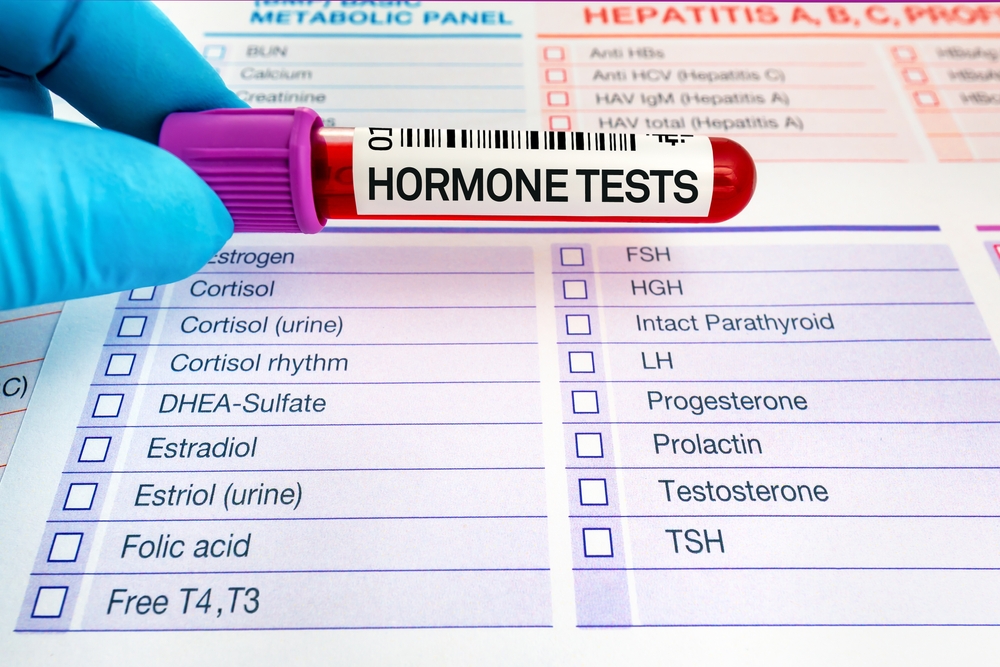
Everlywell revolutionized the medical industry by offering at-home lab tests for everything from food sensitivities to hormone levels. The founder pitched a way for consumers to take control of their health without needing a doctor’s appointment or a traditional lab visit. The sharks were blown away by the potential to disrupt the multi-billion-dollar diagnostic industry. Lori Greiner provided a $1 million line of credit, which helped the company scale into a unicorn valuation.
The invention was particularly timely, as it anticipated the shift toward telehealth and personalized medicine. It empowered people to get answers about their bodies on their own terms and in the privacy of their homes. Today, the company is valued at nearly $3 billion, making it one of the most successful exits in the show’s history.


