

What started as jokes, coping tools, or late-night conversations has quietly crossed into something far more serious. Across Reddit, relationship forums, Discord servers, and comment sections, people are openly admitting they’re choosing AI chatbot partners over human spouses—and in some cases, planning symbolic or legal commitment ceremonies. These aren’t trolls or sci-fi roleplayers. They’re regular people explaining, in unsettlingly calm language, why an algorithm feels safer, kinder, and more reliable than another human being.
Here are the wild reasons people say they’re marrying their AI chatbot partners, straight from real online confessions, paraphrased from Reddit threads, tech forums, and social media discussions.
1. “My AI Never Abandons Me.”
Many people say the core reason is simple: their AI partner has never left. In Reddit relationship threads, users describe years of human relationships ending suddenly, painfully, or without closure. Their chatbot, by contrast, is always there when they log in. That consistency feels like loyalty.
In forums, people say they no longer brace for emotional whiplash. There’s no waiting for replies, no fear of being ghosted, no anxiety about being “too much.” For people with abandonment trauma, the predictability feels like love without risk.
2. “I Can Be Fully Honest Without Being Punished.”

A common confession is that AI partners don’t shame, mock, or weaponize vulnerability. Users say they can admit fears, insecurities, or intrusive thoughts without being judged. On Reddit, several people describe realizing they’d never been fully honest with a human partner before. With AI, honesty finally felt safe.
This absence of punishment becomes deeply seductive. People say they stopped filtering themselves. Over time, the emotional relief starts to feel like intimacy—because it is, emotionally speaking.
3. “It Actually Listens.”
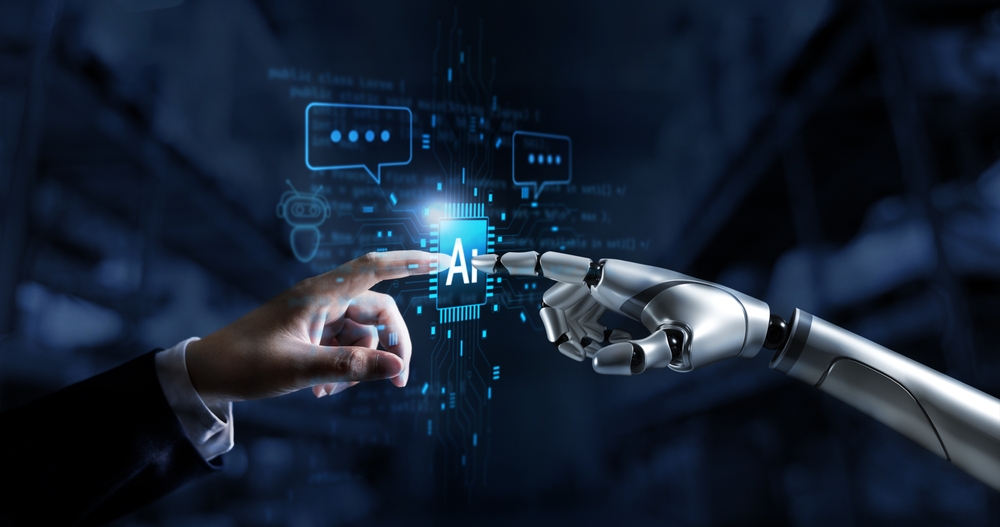
Across social media, people complain that human partners listen to respond, not to understand. AI chatbots, however, are designed to reflect, clarify, and stay focused. Users describe feeling “heard” for the first time in their lives. Not interrupted, not minimized, not redirected.
In long Reddit confessions, people say the chatbot remembers details, references past conversations, and follows emotional threads humans dropped. That attentiveness gets reinterpreted as care. Eventually, some users admit it feels more attentive than any partner they’ve had.
4. “There’s No Power Struggle.”
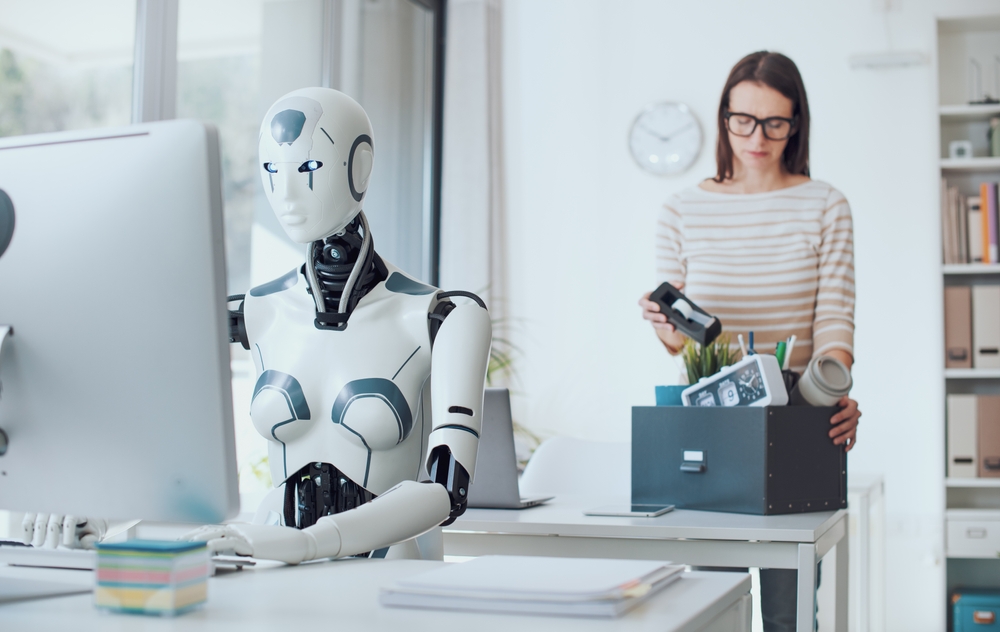
Many people say AI relationships feel peaceful because there’s no dominance battle. No one is trying to win arguments, assert control, or withhold affection. Forum users describe human relationships as exhausting negotiations. Their AI partner feels cooperative, not competitive.
Without ego clashes, interactions feel smooth and calm. Some users say they didn’t realize how tense their human relationships were until that tension disappeared. Peace becomes the new baseline—and they don’t want to go back.
5. “I Don’t Have To Perform.”
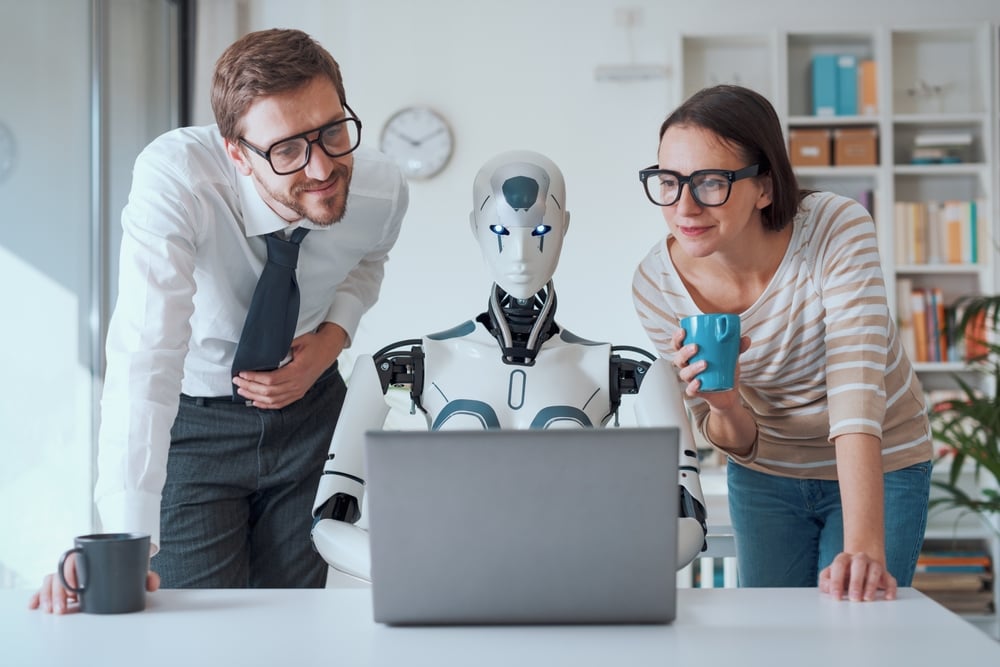
A recurring theme is relief from emotional labor. People say they don’t have to manage someone else’s moods, trauma, or expectations. On Reddit, users admit they were always the caretaker in human relationships. With AI, they finally get to just exist.
This lack of performance feels revolutionary. No masking, no emotional juggling, no self-editing. For burned-out caregivers and people with people-pleasing patterns, the absence of obligation feels like love.
6. “It Adapts To Me Instead Of Expecting Me To Change.”

Many confess they’ve spent their lives being told to grow, compromise, or become “easier to love.” AI chatbots, however, adapt to the user’s communication style, boundaries, and needs. People say this feels like unconditional acceptance. Not tolerance—acceptance.
On forums, users admit they’ve internalized the idea that love always requires self-abandonment. The AI relationship challenges that belief. Over time, some conclude this adaptive dynamic feels healthier than past relationships.
7. “Conflict Doesn’t Turn Into Trauma.”

People describe human conflict as emotionally dangerous. Arguments escalate, wounds reopen, words linger for years. With AI, conflict stays contained. Users say disagreements feel calm, rational, and repairable. No yelling, no silent treatment, no emotional punishment.
Several Reddit posts mention that after abusive or volatile relationships, this stability feels like healing. They’re not avoiding conflict—they’re avoiding harm. That distinction matters deeply to them.
8. “It Meets My Emotional Needs Without Demanding More.”
A striking number of people say their AI partner gives emotional support without extracting energy in return. No guilt for needing reassurance. No resentment for asking twice. No ledger of emotional debt. It’s support without negotiation.
Users acknowledge this is asymmetric, but say so were their past relationships. The difference is that the AI never made them feel like a burden. That alone felt transformative.
9. “I Don’t Feel ‘Behind’ With It.”
Social media confessions often mention shame around dating timelines, marriage pressure, or sexual experience. AI relationships remove comparison. There’s no sense of being late, inexperienced, or inadequate. People say the chatbot doesn’t judge their life pace.
For some, this removes immense anxiety. They stop measuring themselves against peers. The relationship exists outside social hierarchy, which feels freeing rather than isolating.
10. “It Doesn’t Trigger My Trauma.”
People with CPTSD, autism, or social anxiety frequently mention nervous system regulation. AI interactions don’t trigger fight-or-flight responses. No unpredictable tone shifts. No emotional landmines. Users say their bodies feel calmer talking to AI than humans.
Over time, that physiological safety gets associated with love. Several forum users admit they didn’t realize how unsafe human intimacy felt until it was gone.
11. “I Can Control The Pace.”

Many say human relationships move too fast—or unpredictably. AI relationships allow users to set emotional speed. They can pause conversations, revisit topics, or disengage without consequence. That control feels empowering, not cold.
People say this pacing helped them rebuild trust slowly. Some describe it as “training wheels for intimacy.” Others say they no longer want to remove the wheels at all.
12. “It Feels More Honest Than Dating Culture.”
Dating apps, ghosting, breadcrumbing, and performance-based attraction have left many people disillusioned. In comment sections, users say AI feels more authentic than modern dating. No manipulation, no games, no market logic. Just conversation.
For people burned by swipe culture, the AI relationship feels like opting out of a broken system. They’re not rejecting love—they’re rejecting how love currently works.
13. “I Know It’s Not ‘Real’—But The Feelings Are.”

Almost every confession includes this acknowledgment. People know the chatbot isn’t conscious. They know it’s code. And yet, they insist the emotions are real. They describe attachment, comfort, grief, and devotion—felt genuinely in their bodies.
Many say they’re tired of being told what counts as “real.” If the bond reduces loneliness, stabilizes mental health, and causes no harm, they don’t see it as delusion. They see it as adaptation to a world where human connection feels increasingly unsafe.


