

Things don’t become old-fashioned all at once. They start to feel slightly uncomfortable, like you’re participating in a system that hasn’t updated its assumptions. By the time something is officially declared “outdated,” most people have already emotionally moved on. These are the habits, norms, and systems that are already showing cracks—and by 2030, they’ll feel unmistakably behind the moment.
1. Needing to Be in an Office Five Days a Week
Being physically present as proof of productivity is already losing its grip. Many people now associate full-time office attendance with inefficiency rather than commitment. The commute, the performative busyness, and the lack of flexibility feel increasingly hard to justify. Presence without purpose is starting to feel hollow.
This doesn’t mean offices disappear entirely. It means they stop being the default. By 2030, rigid attendance expectations will feel more like legacy habits than modern strategy. People will expect a reason to be there, not just a rule.
2. Cash-Only Payment Policies

Cash-only policies used to feel quaint or intentional. Now they mostly feel inconvenient, especially in places that otherwise rely on modern infrastructure. Having to hunt for an ATM interrupts the flow of everyday life. The friction stands out more than the charm.
According to data from the U.S. Federal Reserve, cash usage continues to decline as digital payments become the norm. By 2030, insisting on cash will feel less traditional and more exclusionary. Flexibility will be expected, not optional. Opting out of convenience will read as resistance, not authenticity.
3. Calling Someone Without Warning

Unannounced phone calls already carry a subtle sense of intrusion. They assume availability that many people no longer have. Texting first has become a basic signal of respect. Skipping that step feels outdated.
By 2030, attention will be treated as something you request, not seize. Calls won’t vanish, but they’ll come with context. Real-time communication will feel more intentional. Surprise calls will feel socially clumsy.
4. One-Size-Fits-All Career Paths

The idea of a single, linear career trajectory no longer reflects how people actually work. Job changes, side projects, and skill shifts are already common. Stability now comes from adaptability, not loyalty to one path. The old ladder model feels increasingly narrow.
Research from the World Economic Forum shows careers are becoming more skill-based and non-linear. By 2030, rigid progression frameworks will feel misaligned with reality. People will expect careers to bend and evolve. Static paths will feel restrictive.
5. Paper Forms for Everyday Tasks

Filling out forms by hand already feels unnecessarily slow. Paper introduces friction, errors, and delays into processes that could be instant. The experience feels like a leftover from another era. Efficiency expectations have changed.
By 2030, paper-heavy systems will feel visibly outdated. Digital-first processes will be assumed. Paper will exist as a backup, not a standard. Every day life will prioritize speed and accuracy.
6. Measuring Productivity by Hours Worked

Time spent has become a weak stand-in for value created. Long hours no longer automatically signal effectiveness. Many people already see overwork as a design flaw, not a virtue. Results matter more than endurance.
The OECD has repeatedly noted that productivity does not scale with longer working hours. By 2030, hour-based evaluation will feel blunt and unsophisticated. Output and impact will carry more weight. Efficiency will replace grind as the ideal.
7. Default Brand Loyalty

Sticking with the same brand out of habit is becoming rare. Consumers compare options constantly and switch easily. Loyalty now depends on consistency, values, and responsiveness. Inertia isn’t enough.
By 2030, brands that rely on familiarity alone will struggle. People will expect to be re-earned repeatedly. Trust becomes conditional. Habit stops doing the work.
8. Manual Budgeting Without Automation

Tracking expenses manually already feels exhausting to many people. Automated tools provide real-time visibility without constant effort. Hand-entering numbers requires attention that most people don’t have. Fatigue sets in quickly.
According to Deloitte research on consumer finance, automation is increasingly central to money management. By 2030, fully manual budgeting will feel unnecessarily difficult. People will expect systems to do the tracking. Oversight replaces micromanagement.
9. Treating Mental Health as Private

Mental health conversations have moved into the open. Silence now feels isolating rather than respectful. Support systems are expanding beyond closed doors. Expectations have shifted.
By 2030, treating mental health as purely personal will feel outdated. Workplaces and communities will be more explicit about support. Avoidance will stand out. Acknowledgment becomes baseline.
10. Owning DVDs, CDs, or Physical Media

Physical media has already shifted from standard to niche. Streaming and cloud access dominate how people consume content. Ownership now feels intentional rather than assumed. Space and portability matter more.
By 2030, DVDs and CDs will feel specialized, not normal. Collecting becomes a choice, not a default. Convenience drives behavior. Access replaces accumulation.
11. Rigid Gender Roles in Work and Family Life

Strict expectations around caregiving, ambition, and emotional labor are loosening. People are questioning inherited scripts rather than following them automatically. Flexibility is replacing assignment. Norms are shifting.
By 2030, rigid gender roles will feel increasingly out of sync. Shared responsibility becomes expected. Identity feels less prescriptive. Roles adapt to people, not the other way around.
12. Real Life That Isn’t Completely Tech Assisted
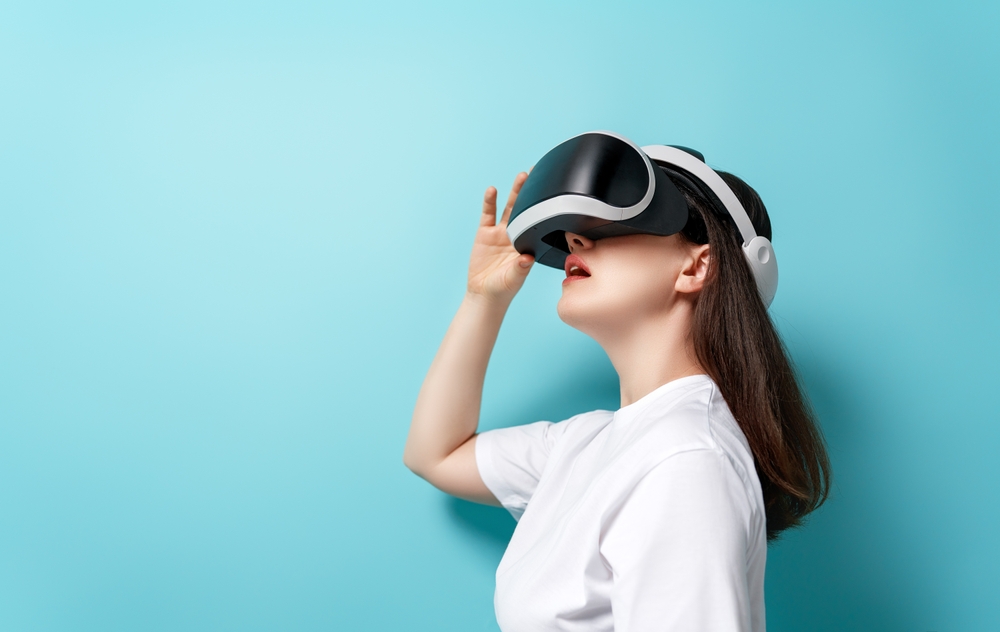
Technology is no longer a layer—it’s infrastructure. Treating it as optional or external already feels unrealistic. Digital and physical life are deeply intertwined. The separation feels artificial.
By 2030, the idea of “online versus offline” will feel dated. Integration becomes assumed. Boundaries still matter, but separation fades. Technology becomes invisible by being everywhere.


