

Fame is supposed to be the dream, but some celebrities treat it more like a necessary evil they have to manage. They show up, do the work, collect the check, and then disappear back into actual life while the rest of Hollywood fights for relevance on social media. Watching them opt out of the fame game is refreshing in an industry built on attention-seeking.
1. Cameron Diaz
Cameron Diaz was one of the biggest movie stars in the world, then she walked away from acting in 2014 without making a big announcement about it. She just stopped showing up, stopped taking roles, and started living her actual life. For years, people kept waiting for her comeback, but she was busy raising her kids and running businesses far from Hollywood.
She’s been open about how fame never really interested her the way the work did. Once the work stopped being fulfilling, there was no reason to keep feeding the machine. She got married, became a mom, wrote wellness books, and built a wine company without needing to constantly leverage her fame.
2. Angelina Jolie
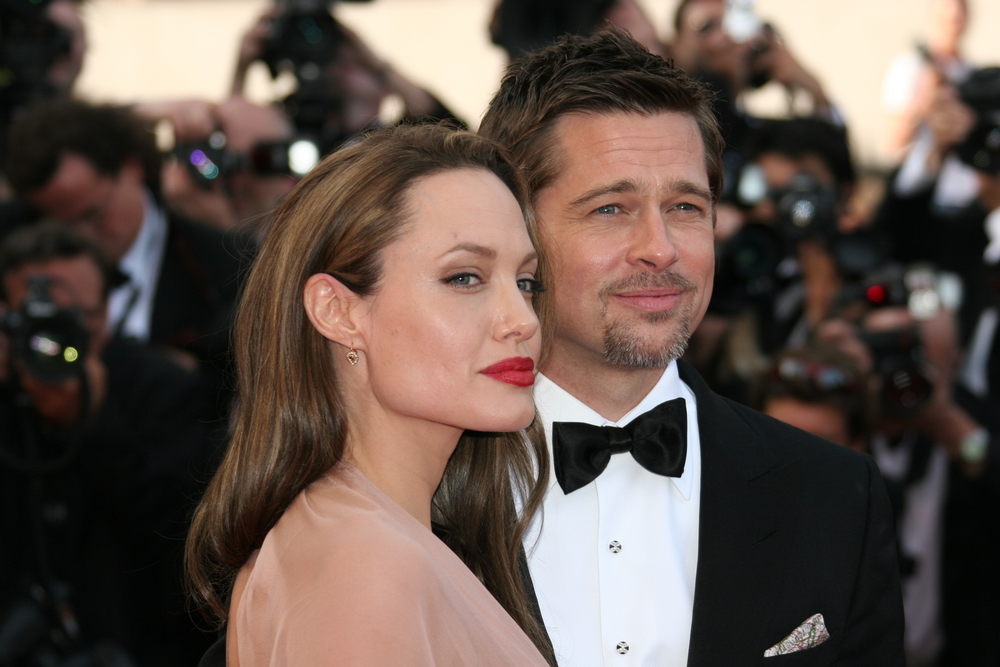
Angelina Jolie has spent the last decade deliberately decentering celebrity in her life, even while remaining globally recognizable. She still acts and directs, but she no longer treats Hollywood as the center of her identity or validation. Instead, she prioritizes humanitarian work, legal advocacy, and raising her children far from the constant churn of celebrity culture.
What’s striking is how little she explains herself. She doesn’t chase relevance, doesn’t overshare, and doesn’t seem interested in being liked by the internet. Jolie shows up when the work matters, then disappears back into a life that clearly isn’t organized around fame. For someone once defined by tabloid obsession, her refusal to perform celebrity now feels intentional—and quietly powerful.
3. Amal Clooney

Amal Clooney is technically famous, but she has never behaved like a celebrity—and that’s the point. Despite being married to one of the most recognizable actors in the world, she has never pivoted her identity to fit Hollywood expectations. She remains a human rights lawyer first, operating in international courts and policy spaces that don’t reward Instagram visibility.
She attends events selectively, dresses impeccably without courting attention, and speaks publicly only when the subject actually matters. Amal’s fame feels accidental rather than aspirational, something she manages rather than monetizes. In an industry where proximity to celebrity often becomes the whole job, she’s a reminder that influence doesn’t require performance.
4. Cillian Murphy

Cillian Murphy has built a career on being intensely respected without ever trying to be famous. He avoids red carpets when possible, rarely gives personal interviews, and has openly expressed discomfort with celebrity culture. Despite starring in massive franchises and award-winning films, he still lives a relatively quiet life away from Hollywood.
What makes Murphy stand out is how little he participates in the machinery of self-promotion. He lets the work speak, then goes home. No brand extensions, no viral moments, no curated persona. In a world where actors are expected to be influencers first and artists second, his resistance feels almost radical.
5. Sandra Bullock

Sandra Bullock reached peak fame decades ago—and then quietly decided she didn’t need to maintain it. She still takes roles occasionally, but she has long stepped back from the relentless publicity cycle that once defined her career. Outside of press obligations, she keeps her private life tightly guarded and rarely courts attention.
Bullock has spoken candidly about how exhausting fame can be, especially as a parent. She prioritizes her children, her home life, and a sense of normalcy that Hollywood rarely rewards. Instead of chasing relevance, she chose longevity on her own terms. And somehow, that restraint has made her even more respected.
6. Daniel Day-Lewis
Daniel Day-Lewis takes method acting so seriously that he disappears into roles for months, then disappears from Hollywood entirely for years. He’s retired multiple times, most recently in 2017, and each time he means it until a script interesting enough pulls him back. Between projects, he’s been a cobbler in Italy, lived in rural Ireland, and generally avoided anything resembling celebrity culture.
When he does work, he’s so selective that he’s made only six films in the past twenty years. He doesn’t do press tours unless contractually obligated, doesn’t have social media, and has never capitalized on his fame for endorsements. His idea of a good time is not attending premieres or parties but working with his hands in complete anonymity.
7. Dave Chappelle

Dave Chappelle walked away from $50 million and a hit TV show in 2005 because fame was making him miserable. He moved to Ohio, bought a farm, and spent years just living like a regular person while Hollywood tried to make sense of his decision. People called him crazy for turning down that kind of money, but he called it survival.
Even now, he lives in Yellow Springs, Ohio, population 3,700, where he can walk around without being mobbed. He performs at small clubs unannounced and hangs out at the local diner. His Netflix specials make him millions, but he’s still the guy who prioritizes his actual community.
8. Sade

Sade releases an album approximately once per decade and then vanishes completely from public life. She’s sold over 75 million records, but good luck finding recent paparazzi photos or interviews. Between albums, she lives quietly in the English countryside, raising her family.
Her last album came out in 2010, and she’s shown zero interest in doing another one just to stay visible. She doesn’t perform unless she wants to, doesn’t explain her absences, and certainly doesn’t care about streaming numbers or chart positions. The music industry has completely transformed around her while she’s remained unchanged, making art on her own timeline.
9. Rick Moranis

Rick Moranis was at the peak of his career in the 1990s when his wife died, and he decided Hollywood wasn’t more important than raising his kids. He walked away from guaranteed blockbuster roles to be a full-time single dad, and he didn’t come back when the kids grew up because he’d built a life he actually liked. He only recently returned for a small role, on his terms, because he felt like it.
He spent years in New York being a regular dad—school drop-offs, homework help, the whole thing. He turned down major roles in huge franchises because they would’ve required too much time away from home. Hollywood kept calling, offering bigger paychecks, and he kept saying no because he’d already made his choice.
10. Shia LaBeouf

Shia LaBeouf has done performance art, attended AA meetings, lived with strangers for a project, and generally used his platform for everything except traditional fame-seeking. When he works now, it’s in small indie films where he can actually act instead of being a commodity. He’s burned every bridge and seems happier for it.
His “retirement” from public life was messy and public, which is very on-brand for him. He’s been open about his struggles with addiction and mental health, refusing to perform the sanitized celebrity recovery narrative. These days, he acts when something interests him, makes art that confuses people, and lives his life without worrying about his image.
11. Lauryn Hill

Lauryn Hill released one of the greatest albums ever made, won five Grammys, and then largely disappeared. She’s been notoriously late to shows, canceled tours, and generally refused to play the industry game everyone expected from her. People call her difficult, but she calls it protecting herself from an industry that wanted to consume her. She performs when she wants, how she wants, and if you don’t like it, she genuinely doesn’t care.
The Miseducation sold 20 million copies, and she could’ve ridden that wave to endless wealth and relevance. Instead, she stepped back, raised her kids, and made music only when it felt right to her.
12. Jack Gleeson

Jack Gleeson played one of the most hated characters in television history on Game of Thrones and then quit acting to go back to school. He was on the biggest show in the world, and he walked away because fame felt hollow and academics interested him more. He finished his degree, started a theater company in Dublin, and only recently started acting again in small projects.
He’s been vocal about finding fame “shallow” and preferring a normal life where people don’t recognize him. While his castmates leveraged Game of Thrones into massive careers, he went back to being a regular person in Ireland. He only acts now in small theater productions and occasional indie projects.
13. Joni Mitchell

Joni Mitchell stopped touring, stopped releasing albums regularly, and started painting because it brought her more joy. The music business wanted her to be available and productive on their schedule, and she told them to get lost. She only performs now when she feels like it, which is almost never.
She’s survived health crises that would’ve been exploited for sympathy by other celebrities, and she barely acknowledged them publicly. Her rare public appearances are on her terms, often unannounced. The woman wrote the soundtrack to multiple generations and then just went and lived her life.
14. Daniel Brühl

Daniel Brühl is a successful international actor who deliberately chooses projects that won’t make him too famous. He’s been in Marvel movies and prestige dramas, but he lives in Barcelona with his family and avoids Hollywood almost entirely. He only works a few months a year so he can be present for his kids, turning down roles that would require too much time away.
He’s watched costars become megastars while he’s stayed intentionally mid-level famous, and he’s completely fine with it. He speaks multiple languages, works across different film industries, and never has to worry about paparazzi following him home. The Marvel money was nice, but living in Spain and raising his kids is nicer.
15. Adele

Adele releases an album every five years, does a tour, and then disappears into private life to be a mom and regular person. Between albums, she lives in Los Angeles, goes to the grocery store, and raises her kid without constant paparazzi drama. She only performs when she has something to say.
She canceled her Vegas residency when it didn’t feel right, losing millions and facing massive backlash, because her mental health mattered more. She doesn’t post on social media constantly and doesn’t chase relevance between albums. When she does come back, the world stops because she’s actually been living.
16. Mara Wilson
Mara Wilson was a child star in Matilda and Mrs. Doubtfire, and she quit acting as a teenager because Hollywood is terrible to young women. She went to college, became a writer, and built a completely different life away from the spotlight. She only acts now occasionally when something interests her, but her real career is writing essays and books.
She’s been outspoken about the toxicity of child stardom and how the industry sexualizes young girls. She’s genuinely moved on and built something meaningful. She shows up at conventions and does nostalgia events when she feels like it, but her identity isn’t tied to having been famous.


