

Donating feels like the responsible thing to do—but not everything deserves a second life. Some items don’t help charities at all and actually create extra work, safety issues, or disposal costs for the people sorting donations. Just because something is used or unwanted doesn’t mean it’s usable. These are the items that should go straight into the trash, not the donation bin—no guilt required.
1. Stained And Ripped Clothes
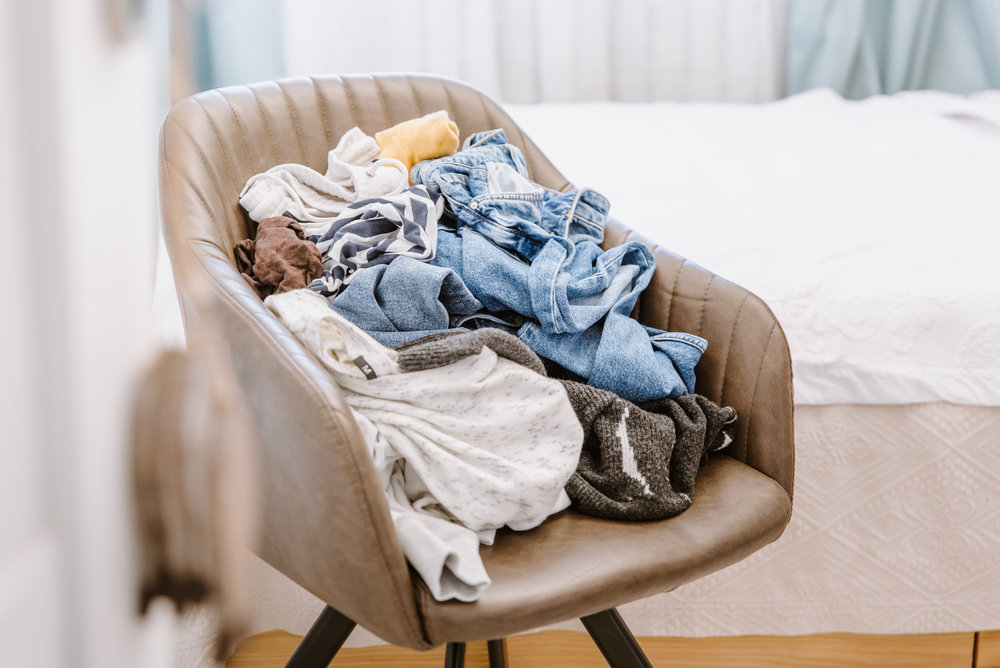
There is a massive difference between a “distressed” fashion choice and a shirt that has seen the end of its functional life. If a garment is covered in permanent pit stains, large holes, or mysterious odors, it is no longer a wearable item of clothing. Thrift stores do not have the facilities or staff to perform deep cleaning or professional repairs on every donation. Donating your “work rags” only adds to the mountain of textile waste that charities must pay to haul away.
Textile recycling is a growing industry, but most donation bins are intended for items that can be resold immediately. A 2023 analysis by the Textile Recovery Association found that up to 25% of all donated clothing is discarded immediately due to poor condition. This creates a significant financial drain on nonprofits that should be allocating their budgets to social services. Unless a piece is in “good to excellent” condition, it belongs in a dedicated fabric recycling bin or the trash.
2. Used or Expired Beauty Products
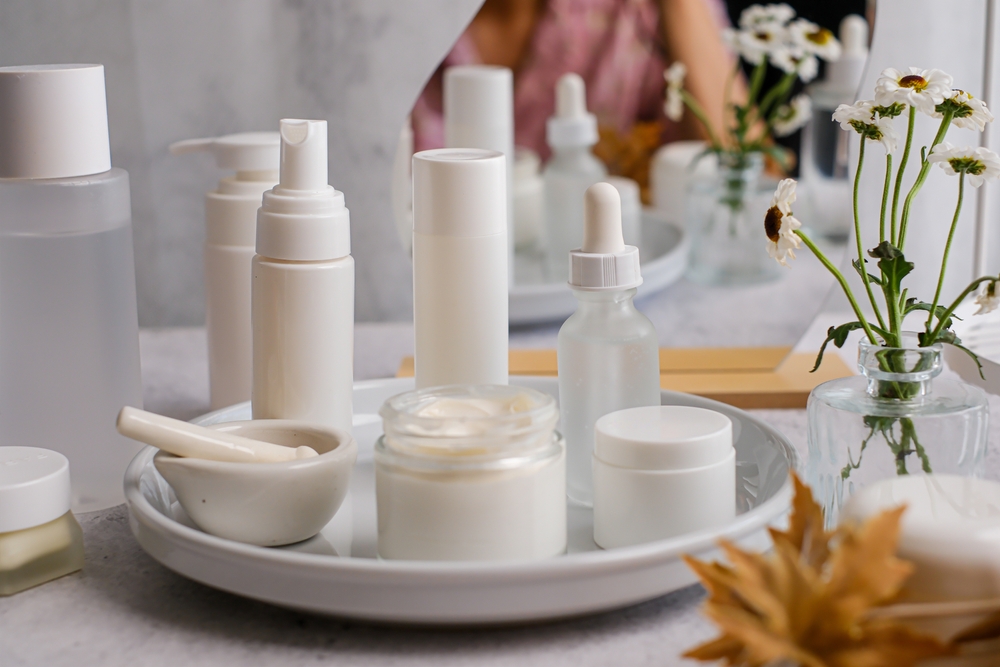
It might feel wasteful to toss a half-used bottle of luxury foundation, but passing it on is a serious hygiene violation. Once a cosmetic seal is broken, the product becomes a breeding ground for bacteria and mold that can cause real harm. No reputable donation center will ever put a used lipstick or an open moisturizer on its sales floor for public consumption. You are not helping someone get a “glow up” by giving them your three-year-old eye shadow palette.
The shelf life of most beauty products is much shorter than consumers realize, often expiring within six to twelve months of opening. Dr. Sarah Jenkins noted in a 2024 dermatological safety report that used cosmetics can harbor staph and other resilient pathogens. Donating these items creates a logistical nightmare for staff who must treat them as chemical waste. If you truly care about the recipient, buy them a new, sealed item instead of clearing out your vanity.
3. Dirty Pillows and Mattresses

While a mattress might seem like a high-value donation, it is actually one of the most difficult and expensive items for charities to process. Bedbugs and dust mites are serious public health concerns that make the resale of used bedding a massive liability for most organizations. In many jurisdictions, it is actually illegal for thrift stores to sell used mattresses without specific, expensive sanitization certificates. Your old pillow is not a cozy gift; it is a bio-hazard filled with years of skin cells and sweat.
The cost of properly disposing of a single mattress can range from thirty to one hundred dollars, depending on local regulations. The National Sleep Foundation reported in 2024 that the average pillow loses its structural integrity and hygienic safety after just two years. Charities often have to divert funds from food banks just to pay for the disposal of these bulky, unsellable items. If your mattress is sagging or stained, please do the responsible thing and schedule a bulk trash pickup.
4. Broken or Outdated Electronics

Donating a printer from 2005 or a cracked television is not the philanthropic gesture you think it is in our fast-paced tech world. Most non-profits do not have the technical expertise to repair broken gadgets or the space to store obsolete hardware. If an item requires a specific, missing cord or a legacy software update to function, it is essentially a paperweight. You are passing the burden of e-waste disposal onto an organization that is likely already stretched thin.
Electronic waste contains heavy metals like lead and mercury that require specialized handling to prevent environmental contamination. A 2025 report from the Environmental Protection Agency highlighted that e-waste is the fastest-growing part of the municipal solid waste stream. Many municipalities offer free e-waste recycling days specifically to handle these difficult and dangerous items correctly. Check for a local “Best Buy” or a specialized recycling center rather than dropping your tech at a thrift store.
5. Out of Date Baby Gear

When it comes to infant safety, the rules of the secondhand market are incredibly strict for very good reasons. Car seats have expiration dates and must be discarded after any accident, even if there is no visible damage to the plastic. High chairs, cribs, and strollers are frequently subject to safety recalls that an average donor might not even be aware of. Donating these items puts a charity at risk of a major lawsuit and puts a child’s life in potential danger.
The Consumer Product Safety Commission issued over three hundred recalls for children’s products in the last calendar year alone. Most donation centers have a blanket policy against accepting car seats because they cannot verify the item’s crash history. According to a 2024 safety study by KidsInDanger.org, using a secondhand car seat with an unknown history is a leading risk factor in transit injuries. If your baby gear is old or has been involved in a mishap, it belongs in the dumpster.
6. Helmets and Protective Sports Gear

Safety equipment like bike helmets and football pads is designed to withstand a single significant impact before it must be replaced. Similar to car seats, the structural integrity of a helmet cannot be verified just by looking at the outer shell. A microscopic crack in the foam can render the entire piece of equipment useless during a real-life collision. Donating a used helmet is essentially giving someone a false sense of security that could have tragic consequences.
Many manufacturers explicitly state that helmets should be replaced every five years due to the natural degradation of the protective materials. A 2023 report in the Journal of Trauma and Safety noted that “hand-me-down” safety gear fails at a significantly higher rate than new equipment. Because of the high liability, most thrift stores will immediately throw these items into the trash upon discovery. Save the staff the trouble and cut the straps before tossing the helmet into your own bin.
7. TVs That Look Like Dinosaurs
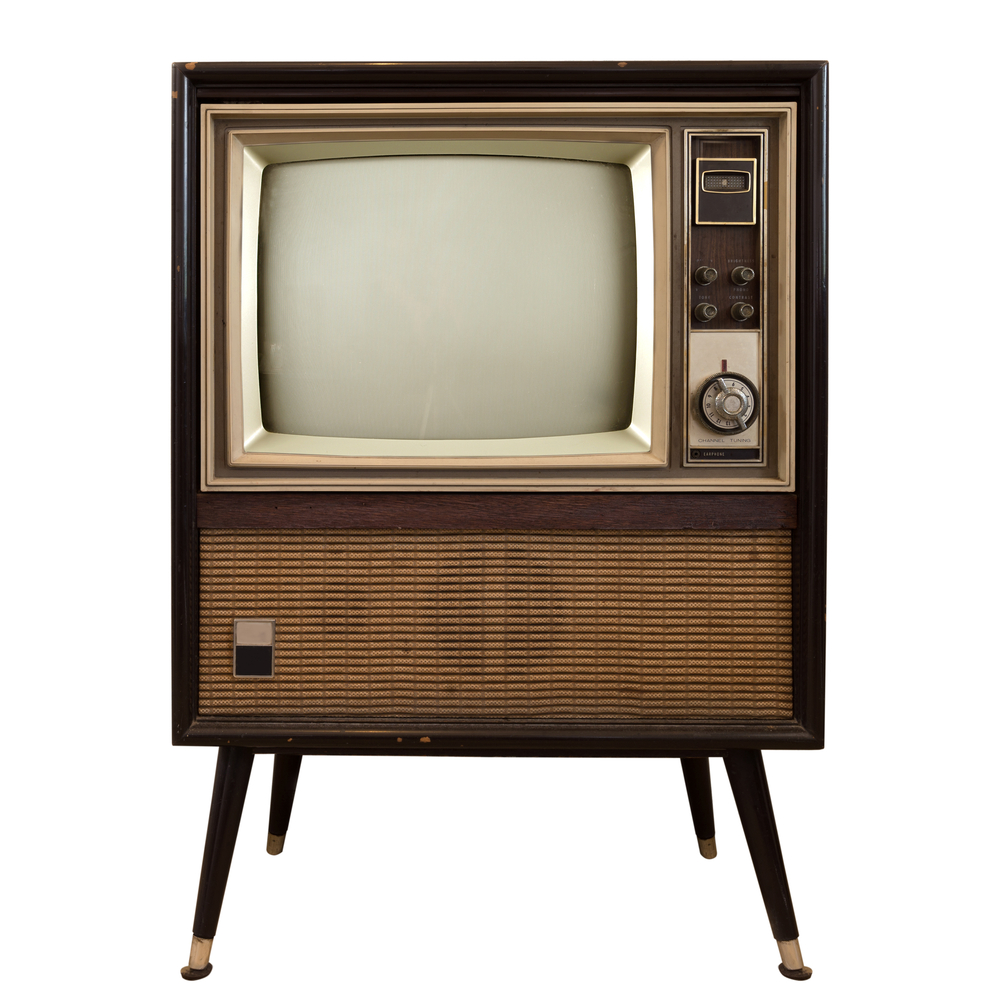
The era of the “big box” tube television is officially over, and there is virtually no market for these heavy, obsolete relics. These units are incredibly difficult to move and contain significant amounts of lead and phosphor that make them hazardous to handle. Most thrift stores have neither the floor space nor the customer base to justify taking in a hundred-pound television from the nineties. They often sit behind the store in the rain until the charity is forced to pay for their removal.
Disposing of a CRT monitor properly is a complex process that involves stripping the unit of its toxic components. The Bureau of International Recycling noted in a 2025 brief that many developing nations have banned the import of these specific electronic items. When you drop one off at a donation center, you are essentially “dumping” your hazardous waste on a non-profit. Please look for a certified hazardous waste facility in your area to handle your old electronics responsibly.
8. Halogen Lamps and Fluorescent Bulbs

While lighting is always a popular thrift store find, certain types of bulbs and lamps carry hidden risks that make them unsuitable for donation. Halogen lamps run at extremely high temperatures and have been linked to numerous residential fires over the last several decades. Fluorescent tubes contain mercury vapor, which is a potent neurotoxin that can be released if the glass is accidentally broken. These items require careful, specialized disposal that a local thrift shop is simply not equipped to manage.
Newer LED technology has made these older lighting options both inefficient and largely undesirable for the modern home decorator. A 2024 report by the Light and Health Research Center found that mercury exposure from broken bulbs is a leading cause of indoor air contamination. Most retailers, like Home Depot, offer free recycling stations for these specific types of bulbs to ensure they don’t end up in a landfill. Keep the sorting staff safe by keeping your specialized lighting out of the donation pile.
9. Single Shoes or Mismatched Pairs

It may seem obvious, but donation centers are constantly inundated with single shoes that have somehow lost their partner in the closet. A single shoe is of no use to a person in need and cannot be sold on a retail floor. Staff members then have to spend time searching through bags in the hopes of finding a match that rarely exists. Unless you have both shoes securely tied or taped together, they are destined for the trash heap.
This issue is a major contributor to the “sorting fatigue” experienced by volunteers at high-volume donation centers. According to a 2025 operational audit of Goodwill Industries, mismatched items account for nearly 5% of all discarded donations by weight. This might seem like a small number, but it adds up to millions of pounds of waste across the national network. If you can’t find the pair, consider using the single shoe as a gardening tool or simply throwing it away.
10. Medical Equipment That’s Missing Parts

Items like nebulizers, CPAP machines, and blood pressure monitors are highly sensitive medical devices that require all components to be safe. Donating a machine without its power cord, filters, or sterilized tubing makes the device completely useless and potentially dangerous for the next user. Most general thrift stores are not legally allowed to sell medical devices that require a prescription or specialized cleaning. These items often end up in the trash because the liability of a “faulty” medical device is too high.
The FDA has strict guidelines regarding the resale and distribution of medical equipment to ensure patient safety and device efficacy. A 2024 healthcare accessibility report suggested that people should donate these items to specialized medical “loan closets” rather than general thrift stores. These organizations have the expertise to refurbish the machines and ensure they are safe for the next person. If the device is broken or incomplete, it is a piece of plastic that belongs in the bin.
11. Perishable or Opened Food

While many thrift stores are located next to food banks, they are rarely the same organization with the same storage capabilities. Dropping off an open box of crackers or a dented can of soup at a clothing donation center is a health code violation. Open food attracts pests like rodents and cockroaches that can quickly infest the entire warehouse of clothing and furniture. You are creating a “cleanliness crisis” for the staff who then have to deep-clean the entire facility.
Food safety regulations are incredibly rigid to prevent the spread of foodborne illnesses among vulnerable populations. The 2025 Food Recovery Network guidelines state that only unopened, unexpired, and undamaged shelf-stable items should ever be donated. If you have extra food, take the time to drive it to a dedicated food pantry that can process it correctly. If the seal is broken or the date has passed, your trash can is the only appropriate destination for that item.
12. Appliances That Don’t Work

A toaster that only toasts one side or a blender with a smoking motor is not a “fixer-upper” for a low-income family. Most people shopping at thrift stores are looking for immediate utility and cannot afford to pay for professional repairs on a five-dollar item. Selling broken appliances is a fire hazard that can put the thrift store’s insurance policy and its customers at risk. If you wouldn’t feel comfortable giving the item to a close friend, don’t give it to a stranger.
Small appliance repair has become a “lost art” in the era of cheap, disposable consumer goods that are designed to be replaced. A 2024 consumer report on household waste found that repairing a modern toaster often costs more than buying a brand-new unit. This economic reality means that broken appliances sit on thrift store shelves indefinitely until they are eventually pitched. Save everyone the disappointment by testing your items before you decide to pack them into your donation box.
13. Anything Covered in Pet Hair or Fluff

We all love our furry friends, but their hair is a powerful allergen that can cause severe reactions in staff and future customers. Clothing or furniture that is heavily covered in pet fur requires an immense amount of labor to clean to a “sellable” standard. Even after a wash, dander can remain trapped in the fibers, triggering asthma or skin rashes for sensitive individuals. If your cat has used that old sweater as a bed for a year, it is no longer fit for human wear.
Allergy-related complaints are a leading cause of returns and “write-offs” in the secondhand clothing industry. A 2025 study in the Journal of Environmental Health found that pet dander can persist in textiles for months even after a standard laundry cycle. Non-profits often have to toss these items to maintain a “clean” environment for their shoppers and volunteers. If you can’t get the hair off with a lint roller in thirty seconds, it’s time to say goodbye to the garment.


