

There’s a difference between knowing about a decade and having experienced it. The 1960s produced trends so distinctive that anyone who actually participated in them carries muscle memory that goes deeper than nostalgia. If these feel familiar in a way that triggers a visceral reaction, you’re not young anymore.
1. Wearing Go-Go Boots
Go-go boots—knee-high, often white patent leather, with low heels—were what young women actually wore to dances, parties, and out on weekends. They symbolized the swinging sixties and women’s freedom of movement in ways that seem impossible to convey to people who only know them as vintage items.
Emblematic of mod fashion, these boots became fashion staples that weren’t just shoes but cultural statements. You wore them because they were new, bold, and exactly what everyone your age was wearing. The patent leather caught light on dance floors. The height made the legs look longer. They were the cutting edge, and wearing them meant you were part of the culture.
2. Lava Lamps As Actual Decor

Invented in 1963, the lava lamp became a symbol of counterculture with its slow-moving blobs of wax floating in colored liquid, providing a mesmerizing, calming effect. These colorful lamps were found in the homes of young people and became staples of psychedelic decor. The lamp’s hypnotic appearance and moving material perfectly captured the spirit of the era of freedom and experimentation.
You didn’t buy a lava lamp, ironically or as retro decoration. You bought it because it was modern and exactly what hip people had in their apartments. The rising and falling wax was fascinating to watch, especially during late-night conversations or when listening to music.
3. Tie-Dye Being Meaningful

You didn’t buy tie-dye at the mall. You made it yourself, in your backyard or dorm room, using rubber bands and dye. Each shirt was unique, handcrafted, and represented an active rejection of mass-produced consumer culture. The swirling patterns were statements about individualism and freedom.
Hippie culture was heavily immersed in psychedelic substances, and from this widespread use came appreciation for “trippy” art, which popularized bright colors and kaleidoscopic patterns. Tie-dye methods gained popularity, especially in the hippie subculture, as this DIY technique allowed people to create unique, colorful garments at home, embodying the era’s spirit of individuality and rebellion against mass production.
4. Watching The British Invasion Actually Happen

When The Beatles arrived in America in 1964, it was pure pandemonium. Girls screamed until they fainted. Boys grew their hair and got sent home from school. The music sounded new and dangerous. Your parents hated it with a real fear that this would corrupt you.
The Beatles and The Rolling Stones competed for record sales and cultural influence throughout the decade, becoming style icons who made music inseparable from fashion. If you were there, you remember when this wasn’t nostalgia or retro appreciation—it was a culture war happening in real time in your living room. The British Invasion wasn’t something you learned—it was the soundtrack to your adolescence.
5. Bell-Bottoms Making A Statement

Bell-bottoms literally took up more space, and for a generation trying to assert its presence, that wasn’t accidental. The wide-legged pants said “we’re not shrinking back, we’re expanding,” with each pair becoming a personal canvas for embroidery, patches, and hand-stitched flowers that turned jeans into diaries.
Wide legs balanced the proportions and created movement, especially with platform shoes. People customized them obsessively, adding peace signs, psychedelic designs, and band names. You wore them until they were threadbare because they represented identity, not just fashion.
6. Mini Skirts Causing Moral Panic
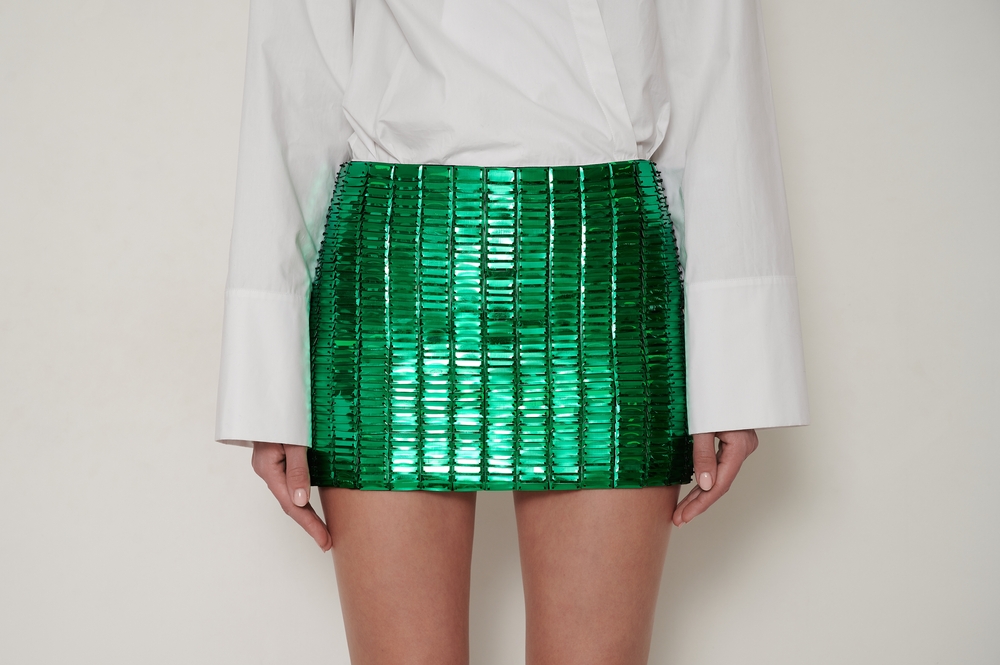
Hemlines above the knee were a scandalous rebellion with immediate social consequences. Parents fought with their daughters over skirt length. Schools implemented dress codes specifically to ban them. Teachers sent girls home. A few inches of exposed thigh generated authentic outrage that seems incomprehensible now.
Mary Quant popularized the miniskirt in Britain, and teenage girls embraced it like wildfire, turning it into both a fashion staple and a cultural symbol. Magazines featured Twiggy in micro-minis, and teens tried to copy her look. The debates around hem lengths were as memorable as wearing the skirts themselves—anything more than a few inches above the knee was outright rebellion.
7. Peace Signs And Love Beads As A Political Statement
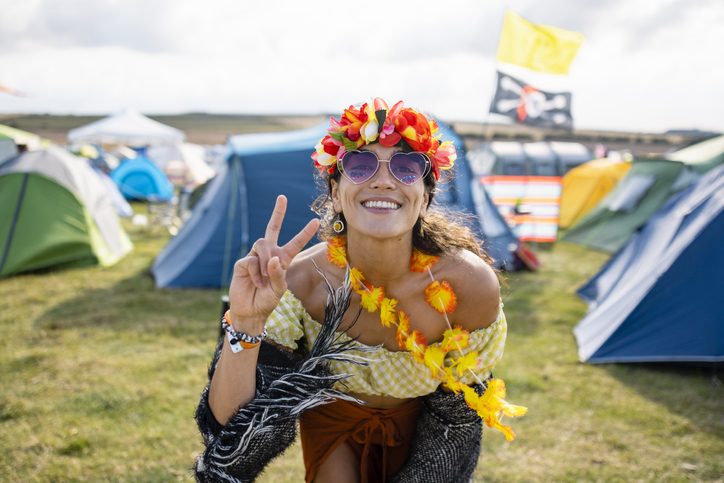
You didn’t wear peace signs because they looked cute. You wore them because you opposed the Vietnam War and wanted everyone to know it. Love beads weren’t accessories—they were ideological uniforms marking you as part of the counterculture. These symbols carried weight and invited conflict with the establishment.
Hippies wore flowers in their hair, painted peace signs on their faces and bellbottoms, and draped themselves in love beads. Flower children were commonly decked out in peace symbols, headbands, and long beaded necklaces called love beads, with tie-dye shirts and peace sign patches transforming regular clothing into powerful statements against war. Every piece of clothing became a potential protest sign, with slogans like “Make Love, Not War.”
8. The Summer Of Love Being Real

The hippie movement exploded during the summer of 1967 in San Francisco’s Haight-Ashbury district. This was the era when everything seemed to shift at once—women’s liberation, sexual revolution, psychedelic art, free love, music festivals. The 1960s became a cultural explosion where the world changed at unprecedented speed, and the Summer of Love marked the peak of counterculture convergence.
The music, the crowds, the overwhelming sense that everything was changing and you were part of it. Not watching documentaries or seeing photos—actually being there, smelling incense, hearing live music, talking to strangers about revolution and consciousness. The Summer of Love wasn’t mythology; it was your summer.
9. Psychedelic Patterns Reflecting Experiences

The swirling, abstract designs and vivid color palettes weren’t just fun patterns. They mirrored actual hallucinogenic experiences that defined the era’s spirit. Fluorescent and neon hues reflected the movement’s embrace of mind-expanding drugs and altered states of consciousness.
Clothing featured kaleidoscopic designs that attempted to capture what LSD and psilocybin looked like behind closed eyes. The colors were deliberately intense—oranges, purples, greens that seemed to vibrate. People who’d never taken psychedelics wore the patterns anyway.
10. The Twist Dance Craze

When Chubby Checker’s “The Twist” hit in 1960, it sparked a dance phenomenon that swept through nightclubs and living rooms alike. The dance became so trendy that First Lady Jacqueline Kennedy threw a Twist party at the White House. Other dance crazes followed—the Watusi, Frug, Pony, Swim, Mashed Potato, and Jerk—each with specific moves that everyone learned and performed.
Teens learned them at sock hops and parties. You watched American Bandstand to see new dances demonstrated. Getting the moves right mattered—doing the Twist correctly, with that specific hip swivel and arm motion, was part of participating in youth culture.
11. Music Festivals Being An Experience, Not Instagram Content
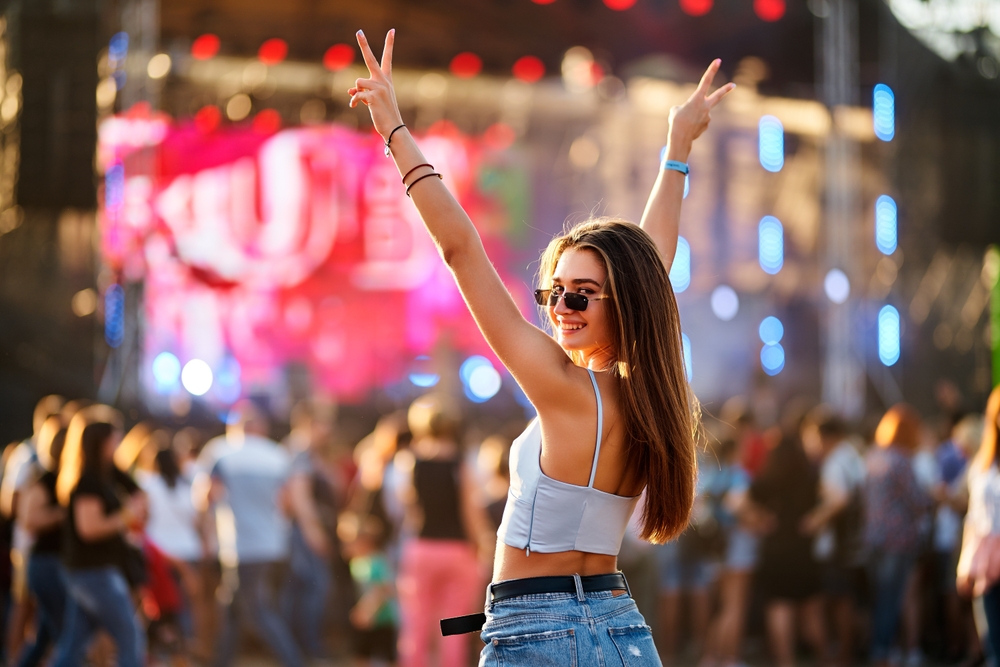
Woodstock in 1969 brought together an estimated 400,000 people on Max Yasgur’s dairy farm for three days of peace and music. This wasn’t a curated festival experience with VIP sections and food trucks—it was chaos. People slept in mud, shared food with strangers, and dealt with all the unsanitary practices.
If you were there, you remember the crowds, the weather, the logistical nightmares that somehow didn’t matter because of the collective experience. No phones to record it—just being present. The music was important, but so was the gathering itself. These festivals represented counterculture values made tangible: peace, love, communal living, and rejection of mainstream society.
12. LSD And Psychedelics Being Central To Youth Culture

Psychedelic drug use exploded in the 1960s for the first time on a mass scale. LSD, mescaline, and psilocybin mushrooms weren’t just recreational—they were considered tools for consciousness expansion and spiritual exploration. The counterculture believed these drugs could unlock hidden realities and free minds from societal conditioning.
Timothy Leary’s “turn on, tune in, drop out” became a generational mantra. Acid tests, be-ins, and music designed to enhance trips became central to hippie culture. Drug culture wasn’t peripheral to the sixties; it was fundamental to how millions of young people experienced music, art, spirituality, and community.
13. The Free Love Movement

The phrase “make love, not war” wasn’t just a slogan—it represented a genuine rejection of traditional relationship structures. Free love meant opposition to marriage, monogamy, and sexual restrictions that the counterculture viewed as oppressive. This was the ideological position that sex should be liberated from legal, social, and religious constraints.
Communal living arrangements, open relationships, rejection of jealousy as bourgeois emotion—these were real practices, not concepts. The sexual revolution challenged every norm about appropriate relationships, gender roles, and public displays of affection. This created genuine generational conflict as young people openly rejected values their parents considered fundamental to civilization.
14. Surfing Culture Defining California

When lightweight surfboards became affordable in the late 1950s and early 1960s, surfing exploded as a cultural phenomenon. Movies like Beach Party and Beach Blanket Bingo popularized surfing and beach culture, while bands like The Beach Boys and Jan and Dean created the “California sound” that spread the surfing lifestyle nationwide.
If you were part of surf culture, you spoke the language: hanging ten, shooting the curl, wiping out. You knew the beaches, the breaks, the right boards. Surf culture represented freedom, youth, and connection to nature before the counterculture took those themes in different directions. Beach culture and surf music dominated early sixties youth identity, creating an alternative to urban mod style.


