
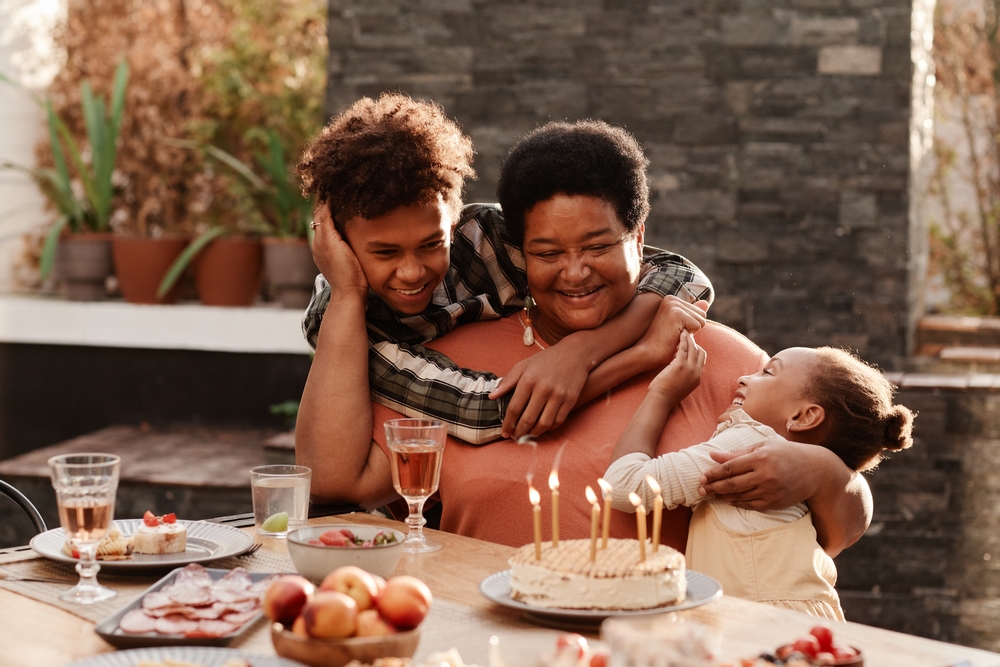
If you’re lucky enough to have grandchildren who truly know you—not just visit you—your body may be benefiting more than you realize. This isn’t about spoiling them or posting cute photos. It’s about being emotionally seen, needed, and bonded in a way that quietly reshapes how you age. The connection between grandparents and grandchildren is one of the most powerful, under-discussed longevity factors we have.
1. Feeling Needed Gives You Purpose
When a grandchild reaches for you, it’s not because of obligation or duty. It’s because they want you specifically. That kind of need is emotionally regulating in a way adult relationships often aren’t. It reinforces a sense of purpose without pressure.
Research from Boston College’s Study of Aging found that older adults who felt emotionally needed showed lower rates of depression and slower cognitive decline. Being wanted, not required, keeps the nervous system engaged. It gives your days emotional shape. Purpose becomes embodied, not theoretical.
2. Precious Family Moments Lower Stress

Time spent with grandchildren often pulls you out of rumination and into the present moment. Kids operate in real time, and that forces your body to downshift. Laughter, play, and attention soften chronic stress patterns you may no longer notice. Your system gets a break.
Endocrinology research shows that affectionate intergenerational contact lowers cortisol levels in older adults. Less cortisol means less inflammation. Less inflammation means better immune function. Love becomes a biological intervention.
3. Curiosity Keeps Your Mind Sharp

Grandchildren ask questions that don’t follow adult logic. They wonder out loud. Being around that kind of curiosity keeps your own mind flexible and responsive. You’re less likely to mentally fossilize.
Neuroscience research links emotional engagement with neuroplasticity well into later life. When you stay curious, your brain stays adaptable. That adaptability protects memory and executive function. Wonder keeps you mentally alive.
4. Grandkids Are The Best Physical Workout

Whether you’re walking to the park, getting up to help, or playing on the floor, grandchildren quietly increase your daily movement. It doesn’t feel like a workout. It feels like participation. That distinction matters.
Studies in geriatric medicine show that functional movement is more sustainable than structured exercise for older adults. Movement tied to meaning is more consistent. Your body responds better when it’s motivated by connection. Longevity improves through usefulness, not discipline.
5. Being A Grandparent Expands Your Identity

Society often shrinks older adults into a state of limitations and decline. Grandchildren don’t see you that way. They see you as capable, interesting, and emotionally relevant. That reframing alters how you see yourself.
Psychological research on self-perception and aging shows that people who internalize positive age roles live longer and maintain better health. Being seen as active and valuable reshapes behavior. Identity affects physiology. How you’re seen changes how you age.
6. Laughing Improves Your Heart Health
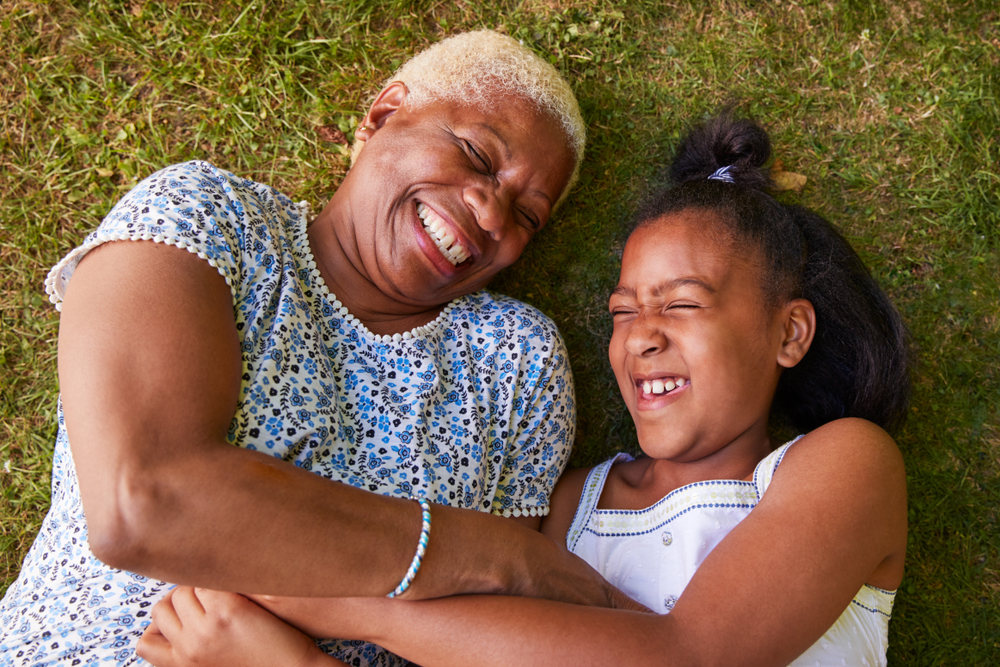
Laughter with grandchildren isn’t polite or restrained. It’s spontaneous and physical. That kind of laughter stimulates the vagus nerve and improves cardiovascular health. It’s medicine that doesn’t feel medicinal.
Cardiology research has linked frequent laughter to improved blood vessel function and reduced heart disease risk. Shared joy regulates the heart, not just the mood. It interrupts isolation. It creates rhythmic emotional regulation.
7. Kids Inspire Mindfulness

Kids don’t multitask emotionally. When they’re with you, they’re there. That presence pulls you out of future worries and past regrets. You’re anchored in now.
Mindfulness research consistently shows that present-moment engagement lowers anxiety and improves immune response. Grandchildren create mindfulness without effort. They demand attention in a way that heals. Presence becomes relational, not forced.
8. Affection Uplifts Your Soul
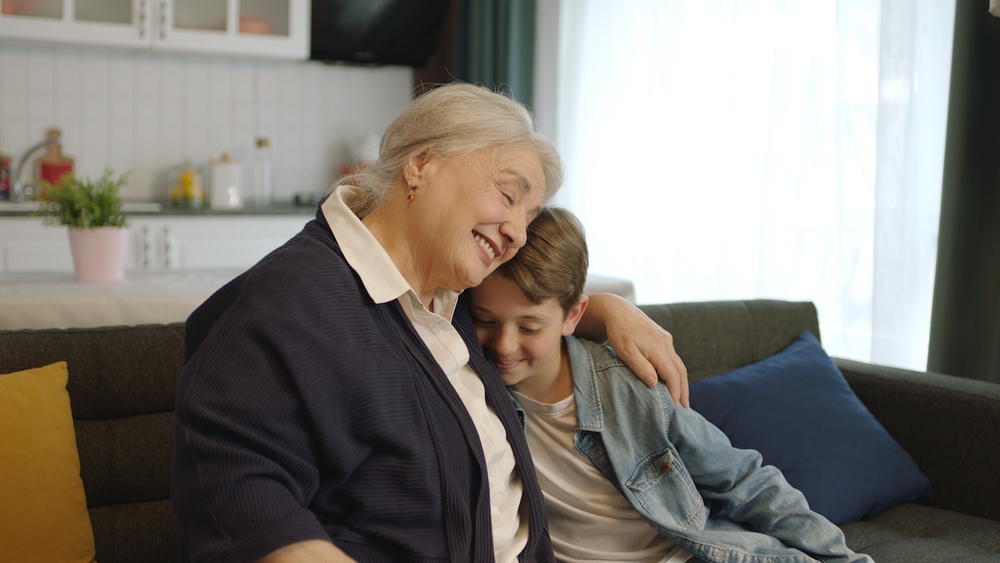
Unlike adult relationships, grandparent-grandchild bonds don’t revolve around control or negotiation. Affection is simpler and cleaner. That emotional simplicity is deeply regulating. It gives your nervous system rest.
Attachment research shows that uncomplicated bonds reduce emotional vigilance. Your body relaxes when it doesn’t need to brace. Safety is restorative. Calm relationships support longer life spans.
9. Grandkids Give Your Life Structure

Grandchildren create routines—visits, calls, milestones—that structure your time. That rhythm protects against isolation and emotional drift. Days feel connected to something ongoing. Time feels less empty.
Longevity studies consistently show that social rhythm stability is linked to lower mortality risk. Humans age better with patterned connections. Predictable love stabilizes emotional health. Structure supports survival.
10. You Feel Truly Seen And Loved
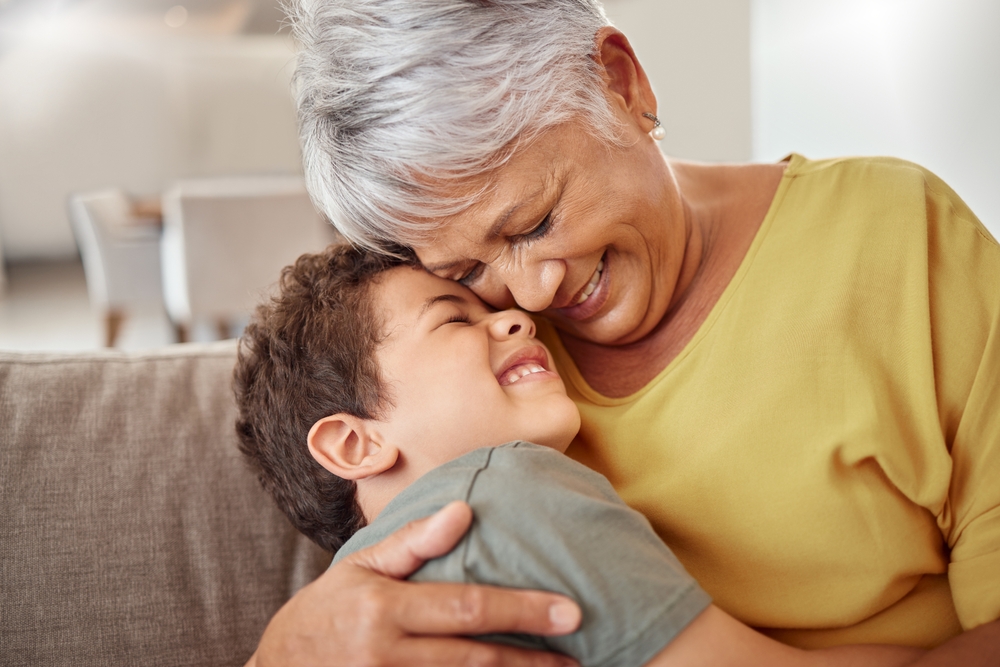
Children don’t evaluate your productivity, status, or past mistakes. They see you as you are right now. That acceptance reduces shame and self-criticism. Your body responds to that emotional safety.
Psychological research links reduced shame with lower inflammation markers. Feeling accepted calms threat responses. Love without judgment is physiologically protective. Your system softens.
11. Taking Care Of Yourself Becomes A Priority

When someone you love depends on you emotionally, self-care stops feeling indulgent. You want to stay well. You want to be present longer. Motivation shifts.
Behavioral health studies show that relational motivation increases adherence to medical care and healthier habits. You don’t just take care of yourself for you. You do it for them. Longevity becomes relational.
12. Creating A Legacy Improves Your Mental Health

Telling stories, sharing values, and being remembered create existential satisfaction. That meaning buffers against despair later in life. You feel woven into the future. That matters deeply.
Existential psychology research shows that legacy thinking reduces death anxiety and improves mental health in older adults. Meaning stabilizes the psyche. Being remembered keeps you oriented toward life. Connection stretches time.
13. Being Loved For Who You Are Keeps You Alive

Your grandchildren don’t need you to be impressive. They just want you. That unconditional affection gives your nervous system a rare experience of rest. You’re enough without effort.
This kind of love reduces chronic stress load over time. Lower stress equals a longer life. Affection becomes protective. Being deeply loved doesn’t just feel good—it keeps you alive.


