

In a bombshell six-page Instagram statement dropped on January 19, Brooklyn Beckham didn’t just air family laundry; he set the entire hamper on fire, accusing David and Victoria of “endlessly trying to ruin” his marriage and controlling the narrative of his 26-year life. From allegations that Victoria “hijacked” his first dance to claims of being “bribed” to sign away his own name, Brooklyn’s public divorce from “Brand Beckham” has turned the concept of the family rift into a high-stakes cultural war. It’s a messy, newsy reminder that even with a billion-dollar cushion, the psychological cost of being a “child of a brand” can eventually lead to a total severance. While the world debates if he’s a “hero of boundaries” or “Prince Harry 2.0,” the reality is that adult children everywhere are watching this fallout and recognizing the same patterns in their own lives. Here are the real reasons adult children like Brooklyn Beckham are stepping back from their parents.
1. They Felt Micro-Managed Growing Up
If you controlled every decision, corrected every mistake, or stayed overly involved well into their teens, your child may have grown up feeling watched rather than supported. What felt like guidance to you may have felt like suffocation to them. Over time, that constant oversight can erode a sense of autonomy and self-trust. Distance becomes the first place they can finally breathe.
Psychologists note that over-parenting is strongly linked to adult resentment, especially when children feel they were never trusted to figure things out on their own. A 2023 study in the Journal of Child and Family Studies found that adults raised under high parental control were significantly more likely to disengage emotionally from parents later in life. Stepping back isn’t rebellion—it’s delayed independence. The space becomes corrective.
2. They Never Felt Truly Seen Or Loved

Some children grow up feeling provided for but not emotionally understood. You may have shown love through actions, structure, or sacrifice, while they longed for warmth, curiosity, or validation. That gap can follow them into adulthood quietly. Eventually, the relationship feels empty rather than nourishing.
Attachment research consistently shows that emotional attunement matters more than material support. According to Dr. Sue Johnson, unmet emotional needs in childhood often resurface as relational withdrawal in adulthood. When adult children stop reaching out, it’s often because they stopped expecting connection years ago. Distance protects them from disappointment.
3. They Grew Up In A Volatile Environment
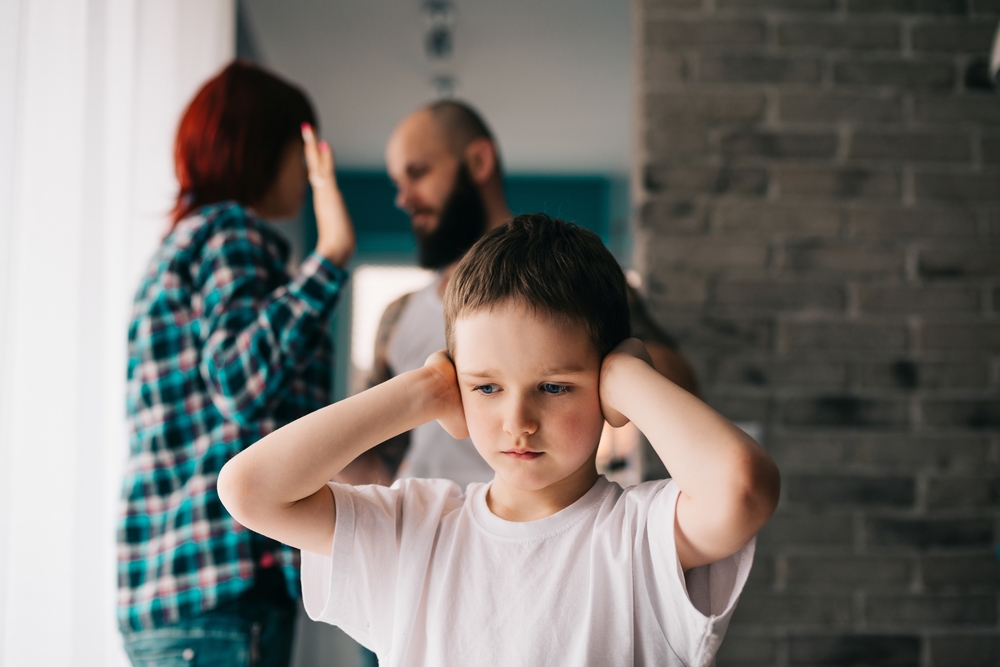
If your home felt unpredictable—frequent conflict, emotional outbursts, or walking on eggshells—your child may associate closeness with danger. Even if things “calmed down” later, their nervous system remembers. Adult distance can be a trauma response, not a punishment. Calm becomes the priority.
Research from the National Child Traumatic Stress Network shows that children raised in high-conflict homes often disengage later to regulate stress. They may love you deeply and still choose separation. Peace becomes more valuable than proximity. Stepping back is how they maintain stability.
4. They Have Conflicting Political And Moral Views

Political differences alone don’t usually cause estrangement, but value-based conflict can. If conversations consistently leave them feeling judged, dismissed, or morally inferior, they may opt out entirely. When identity feels under attack, connection stops feeling safe. Silence replaces debate.
A 2024 Pew Research Center report found that political polarization is now a leading contributor to family distancing, especially across generations. For many adult children, stepping back isn’t about disagreement—it’s about self-protection. They’re choosing emotional safety over constant tension. The cost of engagement feels too high.
5. They Have A Manipulative Or Controlling Partner

Sometimes the distance isn’t coming directly from your child at all. A controlling partner may encourage isolation, frame parental concern as interference, or subtly position themselves as the only safe attachment. Over time, loyalty shifts. The family becomes the “problem.”
Relationship experts warn that isolation is a common tactic in controlling dynamics. According to psychologist Dr. Ramani Durvasula, estrangement can be an early warning sign of emotional enmeshment or coercive control. Your child may not fully see it yet. The distance may not actually be about you.
6. They Experienced The Trauma Of Feeling Unsafe

Emotional, physical, or psychological safety matters more than parents often realize. Even incidents you consider “minor” may have shaped their sense of threat. Children internalize fear quietly and carry it forward. Adulthood gives them permission to leave.
Trauma-informed therapists emphasize that safety violations don’t have to be extreme to have lasting impact. What matters is how consistently unsafe the child felt. Distance becomes a boundary, not a grudge. It’s how they protect themselves now.
7. They Resent Everything About You

Sometimes resentment spreads until it touches everything—your voice, your habits, your opinions. This doesn’t happen overnight. It’s often the result of unresolved hurt that never had a place to land. Anger becomes generalized because it was never processed.
Family systems therapists note that unresolved emotional pain often turns into global resentment. When adult children don’t feel heard, they stop sorting what’s fixable. Everything starts to feel intolerable. Distance feels cleaner than confrontation.
8. They Blame You For Their Mistakes

Some adult children externalize responsibility, especially if accountability was complicated growing up. Blame becomes easier than self-reflection. Creating distance allows them to protect their self-image. You become the symbol of everything that went wrong.
This pattern is often discussed in developmental psychology as a stalled individuation process. Without owning their choices, separation feels necessary to maintain emotional balance. The relationship becomes a reminder of unresolved shame. Distance avoids that mirror.
9. They Are Narcissistic—Or You Are

High-conflict personality dynamics don’t disappear when a child turns eighteen. If narcissistic traits are present on either side, closeness often becomes unsustainable. One person’s needs dominate while the other disappears. Estrangement becomes inevitable.
Clinical research on narcissistic family systems shows that boundaries are often enforced through withdrawal. According to the American Journal of Family Therapy, adult children raised by narcissistic parents are significantly more likely to go no-contact. Sometimes distance is the only boundary that holds. It’s not cruelty—it’s containment.
10. They Want To Break Generational Trauma

Many adult children are doing trauma work their parents never had language for. They’re naming patterns, questioning norms, and choosing differently. That can feel like rejection to you. To them, it feels like survival.
Therapists describe this as “pattern interruption,” not blame. Stepping back creates space to build healthier relationships elsewhere. The distance isn’t about erasing you. It’s about ending cycles.
11. They Associate You With Who They Used to Be

You may represent a version of themselves they’ve outgrown or are ashamed of. Being around you pulls them backward emotionally. Distance allows reinvention. Growth sometimes requires separation.
This is common during major identity shifts. Adult children often pull away while redefining themselves. It’s not permanent—but it feels necessary in the moment.
12. They Feel Constantly Judged

Even subtle criticism adds up over time. Comments framed as concern may land as disapproval. Eventually, they stop offering access. Silence feels kinder than constant correction.
Adult children who feel judged report higher emotional exhaustion in parental relationships. Distance becomes relief. It’s how they stop bracing.
13. They’ve Outgrown The Family Role You Assigned Them

The “responsible one,” the “difficult one,” the “golden child”—these roles don’t age well. If you still treat them as who they were, not who they are, friction builds. Stepping back allows them to redefine themselves.
Family systems theory shows that rigid roles often drive adult disengagement. Growth requires flexibility. When that doesn’t happen, distance fills the gap.
14. They Don’t Believe You’ll Ever Change

Repeated attempts at communication that go nowhere lead to resignation. If apologies never came or patterns never shifted, hope fades. Distance becomes final rather than strategic. They stop trying.
This is often the quietest reason of all. Estrangement follows exhaustion, not anger. The door closes after too many unanswered knocks.
15. They Want To Feel Free And At Peace

At some point, emotional cost outweighs obligation. They choose the life that feels calmer, even if it looks cruel from the outside. Peace becomes the priority. Love doesn’t always mean closeness.
This choice isn’t impulsive. It’s usually made after years of internal negotiation. Stepping back is how they survive—not how they punish.


