

You can spend thousands on a vacation or hours planning the perfect birthday party, but there’s no guarantee any of it will stick. Childhood memory is weird that way—it doesn’t care about intentions or budget. The moments that become permanent fixtures in someone’s memory are rarely the ones that were supposed to be memorable. They’re the ordinary Tuesday afternoons, the offhand comments, the background noise of daily life that somehow became the soundtrack to an entire childhood.
1. The Ordinary Routines That Felt Special
A study on autobiographical memories found that the experiences kids remember most aren’t the big-ticket items like Disney vacations or expensive gifts. Instead, daily occurrences that highlighted a special relationship were more likely to make the cut. It turns out that kids remember being together far more than they remember where they went or what they got.
This is why adults often recall things like getting ice cream after soccer practice or Saturday morning pancakes more vividly than elaborate birthday parties. The ordinariness itself becomes the point—these were the moments that felt safe and predictable, the ones that made home feel like home. A parent’s consistent presence in small ways registers more powerfully than grand gestures that happen once.
2. How The House Felt When Things Were Tense
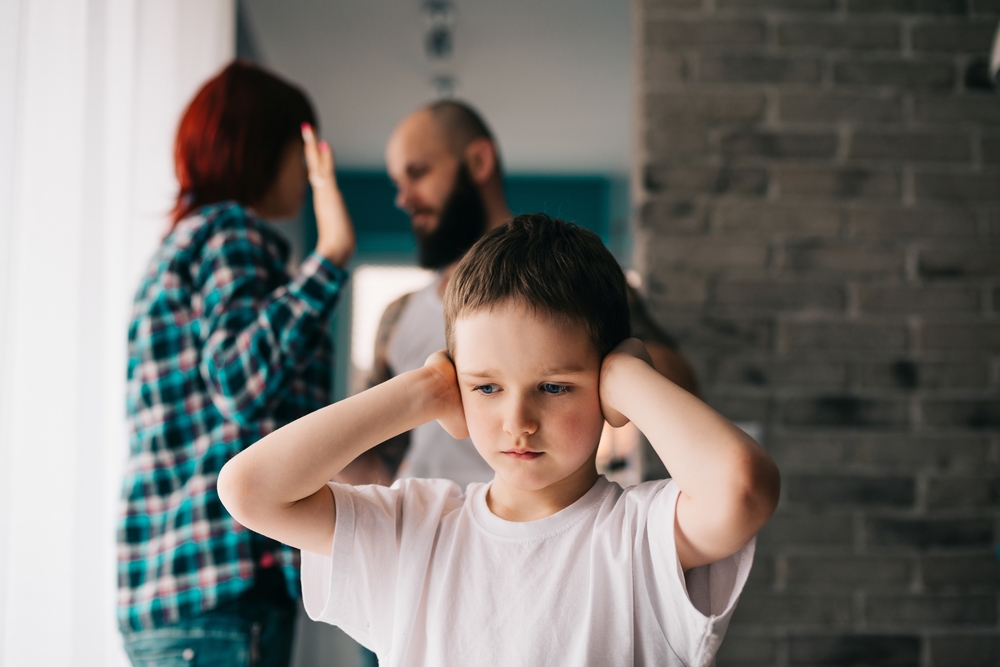
Kids are constantly scanning their environment for signals about whether they’re safe. When parents fight, that tension doesn’t just exist between the adults—it fills the whole room. Children pick up on raised voices, slammed doors, and the heavy silence that follows an argument, even when parents think they’re hiding it well.
What lingers isn’t necessarily the content of the fights but the atmosphere they created. Adults often describe remembering a general feeling of walking on eggshells or knowing something was wrong without understanding what. The emotional temperature of a household becomes part of how children understand what family means, and they carry that understanding with them long after they’ve moved out.
3. When A Parent Really Showed Up

Research on what makes childhood experiences memorable shows that emotionally significant events tend to stick, and one of the most emotionally significant things for a kid is knowing their parent cared enough to be there. Whether it was a school play, a sports game, or just a rough day, the moments when a parent dropped everything and paid attention become touchstones.
What matters is presence—the understanding that this person, who has a million other things to do, chose to be here instead. Adults frequently cite these moments as proof that they were valued, that their interests and struggles mattered to someone. The inverse is also true: the times a parent was conspicuously absent tend to linger just as long.
4. Family Traditions And Rituals

Studies published in the Journal of the Association for Consumer Research found that people who participated in family traditions around holidays felt closer to their families and enjoyed those times more than people who didn’t have such rituals. But traditions don’t have to be elaborate or tied to major holidays—sometimes the most powerful ones are completely mundane.
Maybe it was pizza every Friday night or a specific route to visit grandparents. Kids remember these patterns because they represented something reliable in a world that often felt unpredictable. The tradition itself becomes shorthand for belonging, for being part of something specific and defined. Decades later, the smell of a particular food or the sound of a certain song can transport someone back to that kitchen table or that car ride instantly.
5. The Times They Felt Truly Heard

Most kids spend a lot of time being told what to do, what to think, and what matters. The moments when an adult actually stopped and listened—really listened, without immediately jumping to advice or correction—stand out precisely because they’re rare. These conversations don’t have to be about anything important to become important.
What registers is the experience of being taken seriously as a person with valid thoughts and feelings. A parent asking follow-up questions, remembering something the kid mentioned weeks ago, or simply sitting in silence while they processed something difficult—these small acts of attention accumulate into evidence that the child’s inner world was worth knowing about.
6. Bedtime And The Rituals Around It

For many adults, bedtime routines are among their earliest and most vivid memories. Being read to, having the same song sung, or following a specific sequence of steps before sleep creates a sense of safety at the most vulnerable part of the day. Research shows that children’s memory abilities don’t fully mature until around age seven, but the emotional imprint of these nightly rituals persists even when the specific details fade.
The intimacy of these moments—a parent’s voice, the weight of someone sitting on the bed, the predictability of what comes next—becomes wired into how a child understands comfort. Even adults who can’t remember specific books or songs often remember the feeling of that time of day, the way the house got quiet, and the knowledge that they weren’t alone.
7. How Mistakes Were Handled

Every kid messes up. What gets remembered isn’t the mistake itself but how the adults around them responded. A parent who could differentiate between the child and the behavior, who could be disappointed without being devastating, who could enforce consequences without withdrawing love—that response becomes a model for how to treat yourself when you inevitably fail.
The opposite sticks around, too. Shame that was piled on for small infractions, punishment that felt wildly disproportionate, or the sense that certain mistakes made you fundamentally bad—these responses shape how people relate to their own imperfections for decades. Kids remember whether home was a place where you could recover from being wrong.
8. The Background Sounds And Smells

Often, the things that bring childhood rushing back aren’t visual at all—they’re sensory. The smell of a particular laundry detergent, the sound of a specific TV show theme, the way the kitchen smelled when a certain meal was cooking. These details get encoded without anyone trying to remember them.
Adults are frequently surprised by how powerfully they react to random sensory triggers they haven’t encountered in years. A certain song can immediately reconstruct an entire era of life. This is why the atmosphere of a home matters so much—kids are absorbing everything, not just what’s being explicitly taught or celebrated.
9. Moments Of Unexpected Fun

Sometimes the most memorable moments are the ones that weren’t planned. A spontaneous pillow fight, a parent who suddenly decided to play hooky and go get donuts, an impromptu dance party in the kitchen—these breaks from routine signal that joy is allowed, that life doesn’t always have to be so serious.
What kids remember about these moments is often the surprise itself. The parent who was usually stressed or busy suddenly became playful. The rules that normally governed the house were briefly suspended. These instances teach children that the adults in their lives are capable of lightness, which makes the harder times feel more bearable.
10. When They Saw Their Parents Being Human

Kids pay attention to how adults handle their own lives, not just how they manage their children. Watching a parent apologize when they were wrong, express genuine emotion, or struggle with something difficult provides a template for how to be a person. These observations happen whether parents intend them to or not.
The version of their parents that kids remember is often more nuanced than parents expect. They remember the tears at the movie, the frustration with the broken appliance, the way their dad’s voice sounded when he talked to his own mother on the phone. This humanness, when it’s not scary or destabilizing, can be deeply reassuring—it means being an adult doesn’t require being perfect.
11. Being Told They Were Loved and Valued
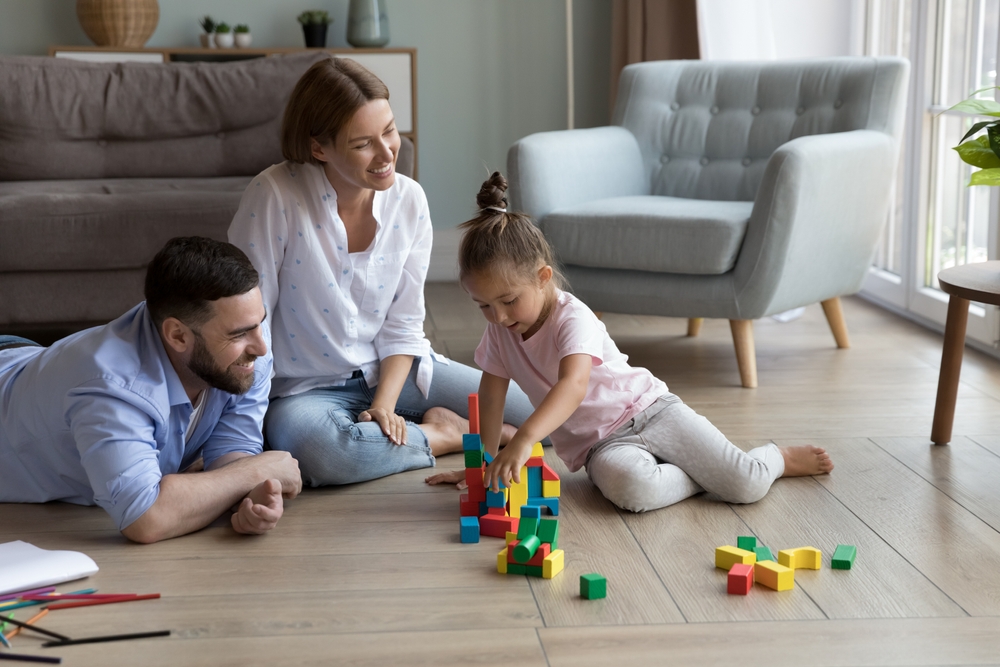
It might seem obvious, but explicit statements of love and pride matter more than many parents assume. Kids can often sense that they’re loved, but actually hearing the words provides a kind of certainty that inference can’t. These statements become memories that children return to during difficult times, proof they can access when they need it.
The timing often matters as much as the content. Being told “I’m proud of you” after a failure rather than just after success, or hearing “I love you” during an ordinary moment rather than only at bedtime—these unexpected instances of affirmation carry extra weight. They suggest that love isn’t conditional on performance or occasion, that it exists as a baseline rather than a reward.
