
The first time it hit me was during a quick stop at a friend’s parents’ house.
Nothing about the place looked unusual at first. The couch was tidy, the kitchen smelled faintly like coffee, and the television played quietly in the background.
But after a few minutes, the details started to stand out in a way that felt strangely familiar.
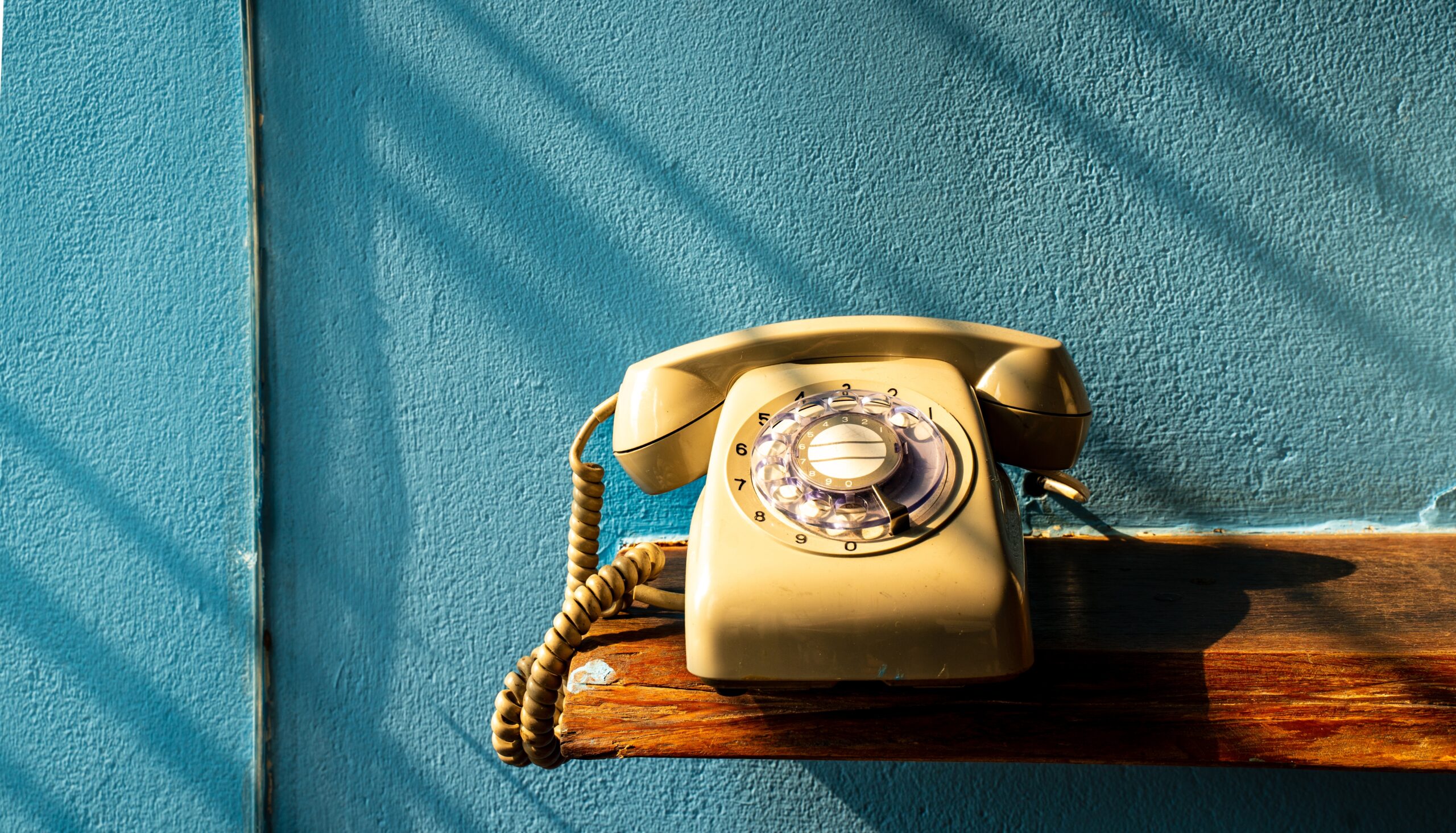
The phone on the kitchen wall.
A bowl of wrapped candy on the coffee table.
A calendar hanging beside the refrigerator, every square filled in with careful handwriting.
It felt like stepping into a time capsule—not in a bad way, just in a way that told a story. A story about habits formed long before smartphones, online ordering, or digital photo albums.
Boomers grew up in a world where homes weren’t just places to live. They were systems. Everything had a place, everything had a purpose, and small routines kept daily life running smoothly.
Walk into one of these houses today, and the clues appear almost immediately. Little objects and rituals that reveal how a generation learned to organize life, long before everything became digital.
Once you start spotting them, they’re impossible to miss. Here are the unmistakable details that tend to show up almost immediately inside a boomer’s home.
1. The landline phone that still sits in the kitchen
You can often find it mounted on the wall or resting on a small counter, sometimes with a long coiled cord and sometimes with oversized buttons designed to make dialing easier.
Even if no one uses it daily anymore, the landline remains in place like a quiet anchor to another era.
For decades, the kitchen phone was the center of communication. Calls weren’t private the way they are now. Conversations happened within earshot of the entire household, and messages were written on notepads stuck to the refrigerator.
The phone wasn’t just technology—it was part of the rhythm of family life.
Communication researchers have pointed out that landlines created shared social spaces in homes because everyone relied on the same device. Unlike personal cell phones, the household phone turned conversations into something communal.
So when you see that landline still sitting there, it’s less about resistance to change and more about continuity.
2. A dedicated drawer of rubber bands, twist ties, and takeout packets
Open almost any kitchen drawer in a boomer household, and you’ll find the same assortment of oddly specific items: rubber bands from newspapers, twist ties from bread bags, and an impressive stash of soy sauce or ketchup packets collected over time.
None of it looks particularly organized, yet everything seems to have a purpose.
This habit grew out of an era when throwing useful things away simply didn’t make sense. Many boomers were raised by parents who lived through periods of scarcity or economic uncertainty, and the mindset stuck: if something could be reused, it should be saved.
That’s why these drawers often feel like tiny survival kits. They hold the everyday tools of problem-solving—things that can fix, secure, or substitute when you need them.
To someone younger, it might look cluttered. But to the person who built the drawer, it’s preparedness.
3. Plastic covers protecting the furniture
The plastic couch cover is one of the most famous symbols of mid-century home culture, and in some homes it’s still there, quietly crinkling whenever someone sits down.
The purpose was simple: protect the furniture so it would last as long as possible.
Furniture used to be purchased with the expectation that it might stay in the home for decades. A couch wasn’t something you replaced every few years—it was an investment. Covering it in plastic was a way to protect that investment from spills, stains, or everyday wear.
I still think about visiting a neighbor’s house as a kid and sitting on one of those plastic-covered sofas in the middle of summer. The plastic would stick to the back of your legs when it was hot, and every time you shifted, it made that loud crinkling sound that felt like it echoed through the whole room.
It’s a small detail, but it reveals a larger philosophy about ownership and longevity: buy something good once, and take care of it.
4. The decorative towel in the bathroom that no one uses
There’s usually a fluffy towel hanging perfectly on the rack that looks like it belongs in a catalog. It might have embroidery, lace trim, or simply look too pristine to touch.
And almost everyone instinctively knows the rule: that towel is decorative.
Actual hand-drying happens with a different towel nearby—one that’s slightly less perfect and clearly meant for everyday use.
The distinction speaks to a long tradition of keeping “company-ready” spaces inside the home. Bathrooms and living rooms often had small elements reserved for guests, reflecting the importance placed on hospitality and presentation.
Even if no company is coming over that day, the decorative towel stays in place, quietly maintaining the idea that the home is always prepared.
5. A wall calendar that’s the household’s command center
Despite smartphones, apps, and digital reminders, many boomer households still rely on a simple wall calendar.
It usually hangs somewhere visible—often near the refrigerator—and each square contains carefully written notes: birthdays, doctor appointments, travel dates, and family visits.
Researchers who study memory habits have found that writing information down by hand often improves recall because it engages different parts of the brain than typing does. The physical act of recording something helps anchor it in memory.
That might explain why the wall calendar persists. It’s not just a schedule—it’s a visual timeline of the month.
Every time someone walks past it, the plans are right there in plain sight, quietly organizing the rhythm of daily life.
6. Cabinets full of matching dishware reserved for “company”
Open the cabinet, and you’ll often find a pristine set of plates, bowls, and serving dishes that seem almost too perfect to use.
That’s because they usually are.
For many boomer households, there’s an everyday set of dishes and a separate “good” set reserved for holidays, gatherings, or special occasions. The good dishes might only appear a few times a year, but they remain carefully stored the rest of the time.
This tradition reflects an era when entertaining at home was a major social activity. Dinner parties, holiday gatherings, and extended family meals were common, and having a beautiful table setting was part of hosting well.
The dishes themselves become part of the ritual—brought out when something meaningful is happening.
7. A collection of perfectly folded grocery bags under the sink
Take a peek under the kitchen sink, and you’ll often find a bag full of other bags, all neatly folded or tucked together in a surprisingly compact pile.
Plastic grocery bags rarely go straight into the trash in these homes. Instead, they’re saved and reused for small garbage cans, packing materials, or quick errands.
I didn’t fully appreciate this habit until I moved into my first apartment.
Suddenly, those free grocery bags became incredibly useful. They lined bathroom trash cans, carried muddy shoes, and held things I didn’t want leaking through a regular bag.
What once looked like hoarding turned out to be quite practical.
In a boomer household, saving those bags isn’t about clutter.
It’s about having something handy the moment you need it.
8. The same reliable recliner that belongs to one person
Every boomer home seems to have one chair that carries a certain unspoken ownership.
It’s usually a well-worn recliner positioned at the perfect angle to face the television. The cushions are molded slightly from years of use, and everyone in the house instinctively knows whose seat it is.
These chairs often become personal territory, not out of strict rules but simple habit. Over time, they gather small signs of routine—a folded blanket on the armrest, a remote control nearby, maybe a side table holding reading glasses or a favorite mug.
It’s a quiet reminder that homes develop their own geography. Certain places belong to certain people simply because they’ve sat there long enough.
9. A bowl of hard candy that’s older than you are
Walk into many boomer living rooms and you’ll eventually notice a small dish filled with individually wrapped candies—peppermints, butterscotch disks, or those colorful fruit candies with twisted wrappers. The bowl often sits on a coffee table or side table within easy reach of guests.
Food historians have pointed out that small candies like these became popular hospitality items in mid-century homes because they were inexpensive, shelf-stable, and easy to offer visitors. They were a simple way to make someone feel welcomed without preparing a full snack. The candy dish became a quiet symbol of hospitality. Even if the candies stay there for months, the message is the same: guests are always welcome to take one.
10. Photo albums stacked neatly
Many boomer homes still keep physical photo albums—thick books filled with printed pictures carefully arranged behind clear plastic sheets.
Flip through one, and you’ll find decades of family life captured in chronological order: vacations, birthdays, graduations, weddings.
Unlike digital photos that can disappear into thousands of files on a phone, albums invite people to sit down together and look through memories page by page. There’s something slower and more deliberate about the experience.
Each photo was chosen, printed, and placed intentionally.
The result is a kind of family archive that doesn’t require passwords, cloud storage, or scrolling—just time.


