

I didn’t fully appreciate my grandmother’s role in my life until I was older. At the time, I just knew she let me eat ice cream before dinner and never yelled when I made a mess.
But looking back, I realize she gave me things my parents couldn’t—not because they were bad parents, but because they were busy being parents. Grandparents occupy a different space. They’re not responsible for discipline or structure or making sure you turn out okay.
They get to just love you, and that freedom creates room for things kids desperately need but don’t always get from the people raising them.
1. Unconditional Acceptance Without Pressure To Improve

Parents are always trying to shape their kids—teaching them, correcting them, pushing them to be better. That’s their job. But grandparents don’t carry that same responsibility.
Research on intergenerational relationships published in Child Development Perspectives suggests that the absence of primary caregiving duties allows grandparents to offer a form of acceptance that feels fundamentally different to children, creating what developmental psychologists call a “low-stakes emotional refuge.”
They love their grandkids exactly as they are, quirks and all, without the underlying agenda of trying to fix or improve them. A kid can show up at grandma’s house and just exist—no performance required, no expectations to meet, no sense that they need to be different or better.
That kind of acceptance, without conditions or corrections, is something every kid needs to experience.
2. Stories About Where They Come From

Grandparents hold the family history in a way parents often don’t have time to share. They tell stories about what their parents were like as kids, about the neighborhoods they grew up in, about mistakes they made and lessons they learned decades ago.
Those stories give kids a sense of continuity, of being part of something bigger than just their immediate family. Studies published in the Journal of Family Issues show that children who regularly hear family stories from grandparents develop stronger identity formation and better emotional resilience.
They learn that their mom wasn’t always a mom—she was once a kid who got in trouble, who had dreams, who struggled with things. And that context makes their own struggles feel more normal, more survivable.
3. Permission To Slow Down

Life with parents is often rushed—school, activities, homework, bedtime routines. Everything runs on a schedule. But time with grandparents tends to move differently.
Studies on childhood stress and intergenerational care published in Developmental Psychology show that time spent with grandparents often provides children with slower-paced, less structured environments that support emotional regulation and reduce anxiety levels. There’s space to sit on the porch and do nothing. To bake cookies without it being a lesson in following directions. To watch birds or play cards or just talk without an agenda. Kids need that slowness. They need to know that life doesn’t always have to be productive, that sometimes you can just be present without rushing to the next thing.
4. A Safe Place To Complain About Their Parents
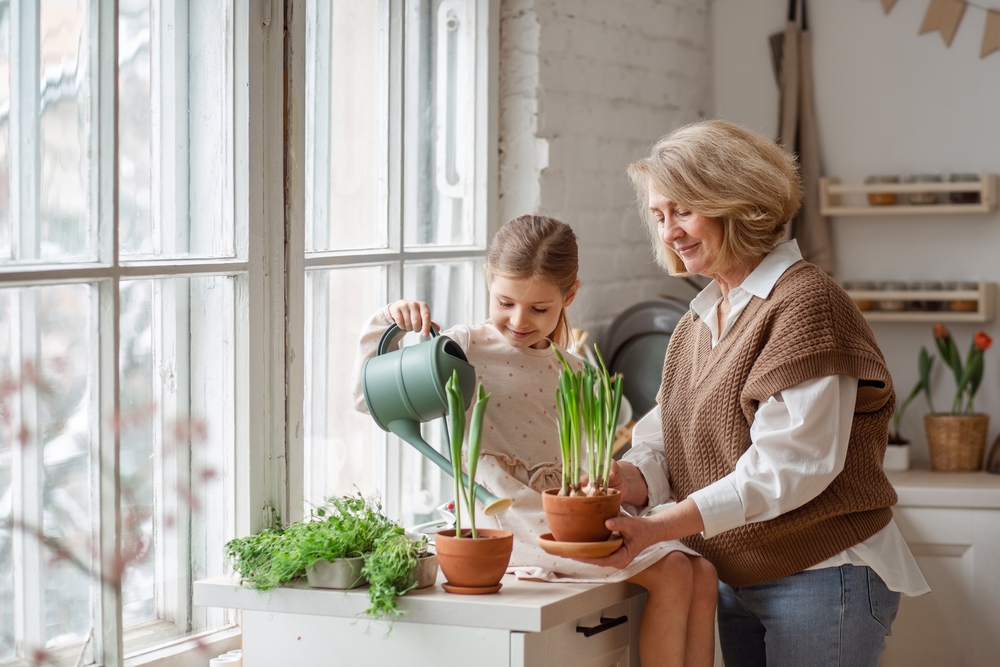
Sometimes kids need to vent about their mom or dad without it turning into a lecture or getting back to them.
Grandparents can hold that space. They listen without defending their own kid or invalidating the grandkid’s feelings. They might gently offer perspective—”Your mom’s just worried about you”—but they don’t shut it down.
And that matters. Research from the Journal of Applied Developmental Psychology shows that children who have trusted adults outside their immediate family to confide in develop better emotional regulation skills and higher self-esteem. Kids need an adult they can be honest with, someone who won’t make them feel guilty for being frustrated or angry or hurt. Grandparents can be that person in a way parents usually can’t.
5. Tradition And Ritual
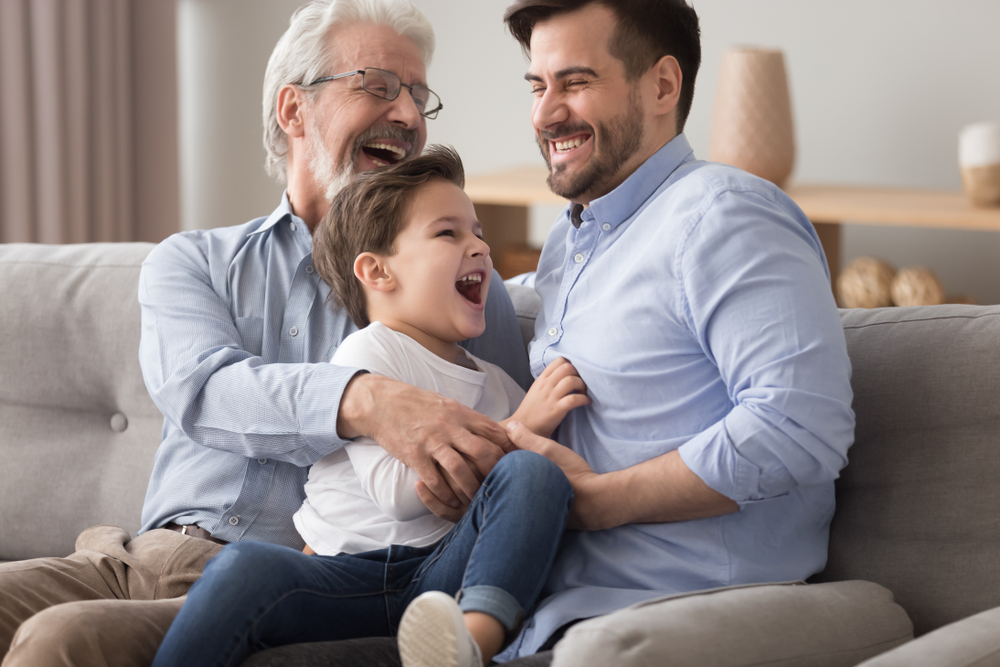
Grandparents are often the keepers of family traditions—the same Christmas cookies every year, the annual fishing trip, Sunday dinners that never change.
Research on family rituals and child development published in Family Relations indicates that consistent traditions, particularly those maintained across generations, provide children with a sense of stability and cultural identity that supports long-term emotional well-being. Parents are busy creating their own traditions, figuring out their own family culture.
But grandparents carry forward the ones that have been around for decades. And those rituals—predictable, unchanging—give kids a sense of stability. No matter what else is happening in their lives, some things stay the same. That continuity is grounding in a way kids don’t fully understand until they’re older.
6. Indulgence Without Guilt
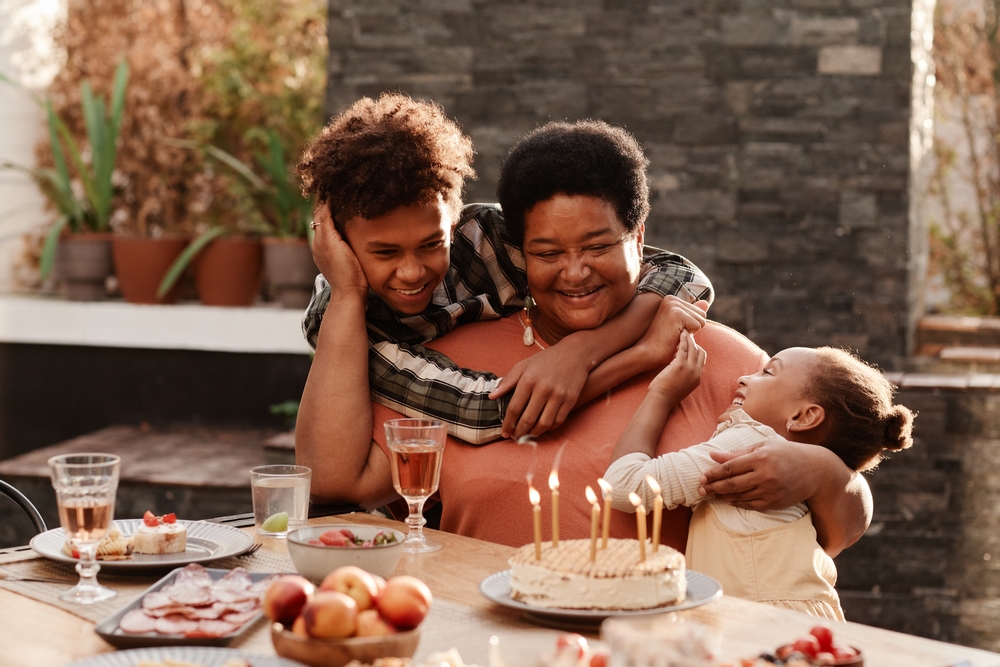
Grandparents get to spoil kids in ways parents can’t. Extra dessert. Staying up late. Buying the toy that the parents said no to. And while parents might roll their eyes, kids need that occasional indulgence. They need to feel like the rules can bend sometimes, that life isn’t always about discipline and structure.
Research published in the Journal of Family Issues shows that moderate indulgence from grandparents actually helps children develop flexibility and understand that different contexts have different rules. Grandparents provide that relief valve—a space where kids can be a little wild, a little spoiled, a little less controlled.
And when they go home, they settle back into the rules. But they carry with them the knowledge that someone thinks they deserve to be indulged, just because.
7. A Different Perspective On Failure And Mistakes

When a kid messes up, parents often have to address it—consequences, conversations, making sure the lesson sticks.
Grandparents can take a longer view. They’ve seen their own kids make mistakes and turn out fine. Research on grandparental involvement and resilience building published in Developmental Psychology shows that grandparents’ life experience often allows them to normalize setbacks for children in ways that reduce shame and promote adaptive coping strategies. They’re less reactive, less worried about one bad grade or one poor choice defining a kid’s future.
They can say, “Your mom failed algebra twice and she’s doing just fine now,” and suddenly the kid’s mistake feels less catastrophic. That perspective—that failure isn’t the end of the story—is something grandparents are uniquely positioned to offer.
8. The Assurance That They’re Loved, No Matter What

Parents love their kids fiercely, but that love is tangled up in responsibility, worry, and the weight of raising a functional human. Grandparents’ love is simpler. It’s not conditional on behavior or grades or effort. It’s just there, steady and uncomplicated.
A kid can show up at their grandparents’ house after a terrible week, having disappointed everyone, and still be welcomed without judgment. Research published in the Journal of Consulting and Clinical Psychology shows that children who experience unconditional love from grandparents develop stronger self-worth and better relationships throughout their lives.
That kind of love—free from expectations, free from the burden of shaping them into someone—gives kids a foundation they carry with them long after their grandparents are gone. It teaches them that they’re worthy of love just for existing, not for what they achieve or how well they behave. And every kid needs to know that.


