

Money alone doesn’t tell the full story of where life actually feels livable. When you look past raw GDP and focus on quality of life, health outcomes, education, housing stability, and opportunity, the rankings get far more revealing. Some states quietly deliver prosperity that actually shows up in people’s lives, while others struggle despite natural resources or cultural pride. Here’s how America really stacks up when “rich” and “poor” are defined by human outcomes, not bragging rights.
1. Massachusetts (Rich)
Massachusetts consistently ranks high in education, healthcare access, life expectancy, and median household income. Residents benefit from world-class hospitals, strong public universities, and a diversified economy anchored by biotech, finance, and research. According to the U.S. Census Bureau and CDC data, the state shows lower preventable mortality rates than most of the country.
What really matters is stability, and Massachusetts delivers it better than almost anywhere else. While housing costs are high, wages and public services offset that pressure more than in comparable states. Social mobility remains relatively strong, particularly for children born into lower-income households. It’s not flashy wealth, but it’s durable.
2. Washington (Rich)
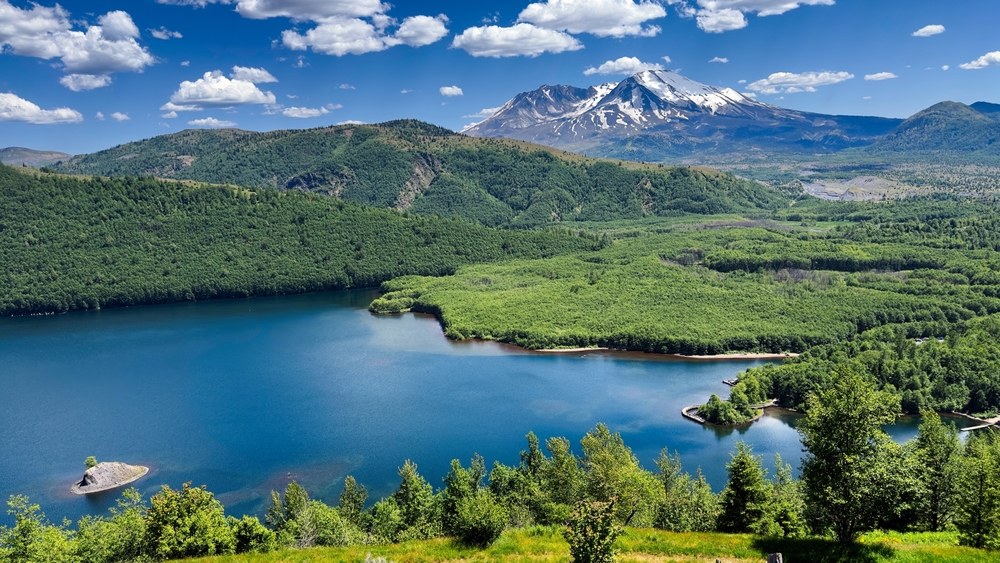
Washington combines high-paying tech and aerospace jobs with progressive labor protections and strong environmental policies. Residents enjoy higher-than-average wages and access to public health initiatives that reduce long-term costs. The state also benefits from a culture that prioritizes work-life balance over a grind culture.
The result is wealth that feels livable rather than extractive. While inequality exists, the state’s investment in infrastructure and innovation creates real opportunity. Quality-of-life metrics consistently rank Washington near the top nationally. Money here tends to circulate instead of concentrate.
3. Minnesota (Rich)

Minnesota stands out for its strong safety net, low unemployment, and consistent investment in education. Research from the Economic Policy Institute shows the state ranks high in worker protections and union density. These factors contribute to more evenly distributed prosperity across communities.
Residents benefit from reliable public services and long-term planning rather than boom-and-bust economics. Healthcare access is strong even outside major cities. Minnesota proves wealth doesn’t require spectacle to be effective. It just requires follow-through.
4. Colorado (Rich)

Colorado’s wealth shows up in health outcomes, outdoor access, and economic resilience. The state benefits from a diversified economy, including tech, renewable energy, and healthcare. People live longer, healthier lives here than in much of the U.S.
While affordability has become an issue, opportunity remains relatively accessible. The state’s emphasis on wellness and environmental protection pays dividends in reduced long-term costs. Colorado’s wealth feels preventative rather than reactive. That distinction matters.
5. New Jersey (Rich)

New Jersey quietly boasts some of the highest median household incomes in the country. According to Census data, it also ranks high in public education outcomes and healthcare access. Proximity to major economic hubs fuels opportunity without requiring total dependence on them.
The state’s density supports efficient public services and transportation networks. While taxes are high, residents often get tangible returns. New Jersey’s wealth shows up in everyday stability, not spectacle. That’s why it holds up.
6. Utah (Rich)

Utah’s economic growth has been fueled by a young workforce, strong job creation, and relatively affordable housing. The state benefits from high labor participation and low unemployment. Families tend to experience upward mobility more consistently than in many states.
Cultural emphasis on community and family stability plays a role here. While wages aren’t the highest, costs remain manageable. Utah demonstrates how social cohesion can amplify economic outcomes. Wealth doesn’t always start with money.
7. New Hampshire (Rich)

New Hampshire’s lack of income tax contributes to higher take-home pay for residents. Studies from fiscal policy institutes show residents benefit from lower overall tax burdens while maintaining strong public services. The state also ranks high in safety and health outcomes.
Its smaller size allows for efficient governance and community accountability. Economic stability here feels quiet but dependable. New Hampshire is proof that scale matters. Smaller systems can work better.
8. California (Rich)

California’s wealth is undeniable, but so are its contradictions. The state generates massive economic output and drives global innovation. High wages coexist with extreme inequality and housing insecurity.
Still, opportunity remains unmatched for many industries. Public investment in climate, culture, and technology creates long-term value. California is rich in potential, even when execution falters. That counts.
9. Mississippi (Poor)
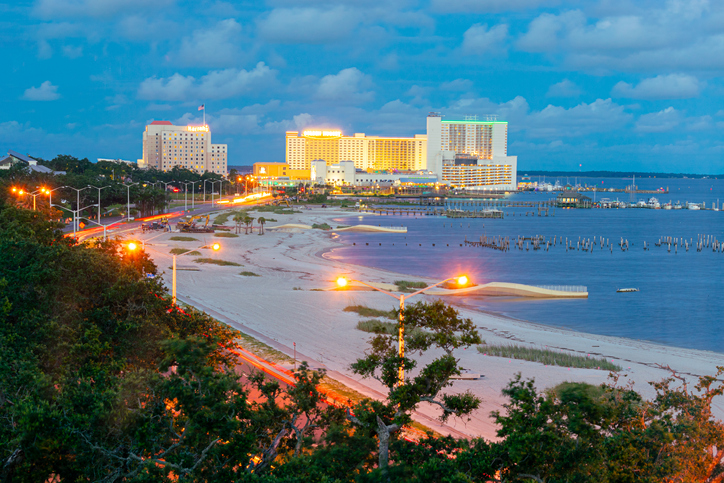
Mississippi consistently ranks last in health outcomes, education funding, and median income. Residents face higher rates of preventable illness and lower life expectancy. Economic opportunity remains limited across large portions of the state.
Underinvestment compounds over generations. The issue isn’t work ethic, but infrastructure and policy failure. Mississippi’s poverty is structural, not personal. And that distinction is crucial.
10. West Virginia (Poor)

West Virginia struggles with declining industries, population loss, and poor health outcomes. The collapse of coal left few economic engines as replacements. Residents face high rates of chronic illness and limited access to care.
Geographic isolation worsens the problem. Without investment, opportunity continues to shrink. West Virginia’s challenges are deeply tied to neglect, not lack of potential. The state deserves better.
11. Louisiana (Poor)

Despite natural resources and cultural richness, Louisiana ranks low in healthcare, education, and infrastructure. High poverty rates persist alongside environmental vulnerability. Residents often bear the brunt of political mismanagement.
Climate disasters worsen economic instability. Recovery funds rarely translate into lasting reform. Wealth extraction without reinvestment has hollowed the state. The cost is human.
12. Alabama (Poor)
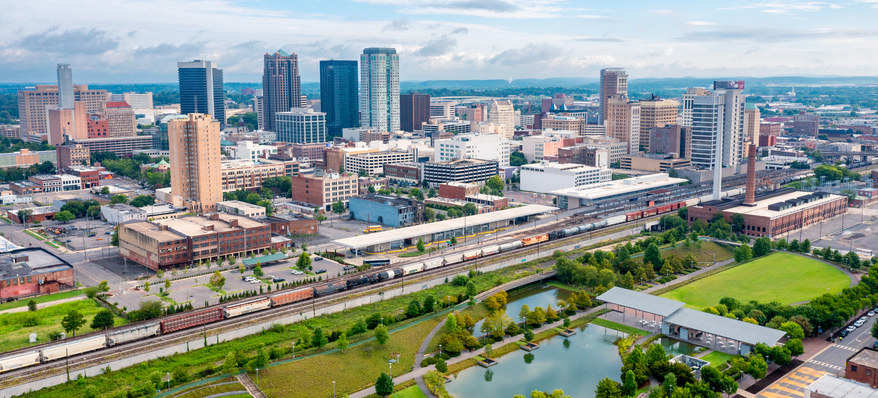
Alabama’s economy suffers from underfunded education and healthcare systems. Many residents lack access to preventative care and stable employment. Rural areas are especially vulnerable.
While manufacturing investment exists, benefits don’t always reach workers. Social mobility remains limited. Policy choices sustain Alabama’s poverty. Change would require long-term commitment.
13. Arkansas (Poor)
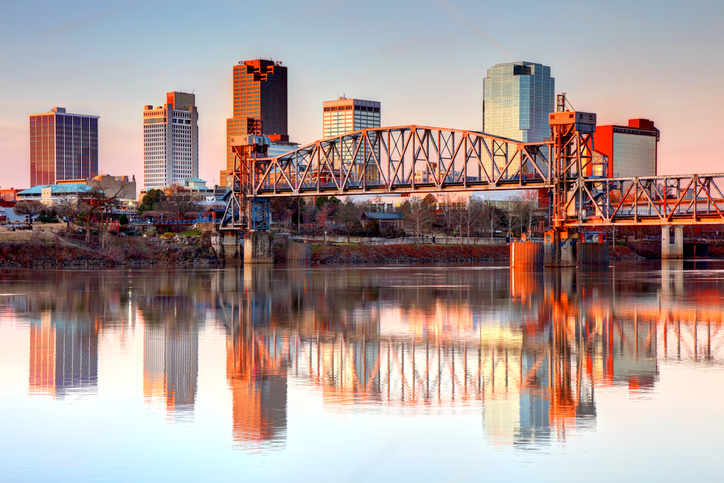
Arkansas faces challenges in education attainment, healthcare access, and wage growth. Rural poverty remains widespread. Economic diversification has been slow.
Without investment in people, growth stalls. The state has potential but lacks infrastructure to support it. Arkansas’s poverty is quiet but persistent. Silence doesn’t make it smaller.
14. New Mexico (Poor)

New Mexico struggles with child poverty and educational outcomes. Geographic isolation and underinvestment contribute to limited opportunity. Healthcare access remains uneven.
Despite cultural richness, economic support lags. Policy reforms have started but remain fragile. New Mexico’s poverty reflects long-term neglect. Progress requires patience and pressure.
15. Kentucky (Poor)
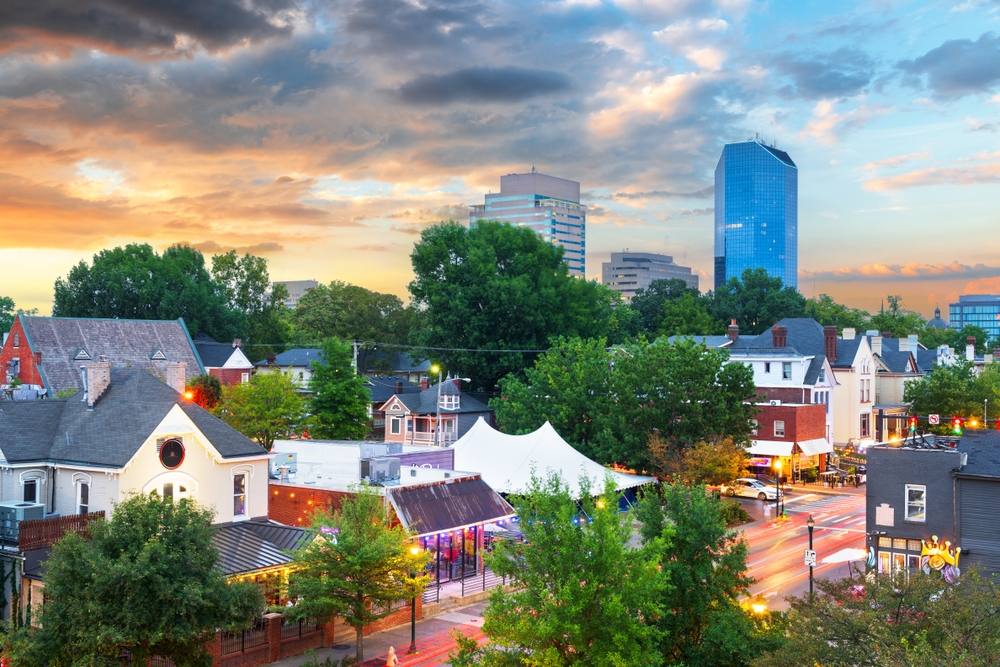
Kentucky faces high rates of chronic illness and limited economic mobility. Declining industries left gaps that haven’t been filled. Education funding remains inconsistent.
Rural communities are hit hardest. Without structural change, cycles repeat. Kentucky’s challenges are solvable, but not ignored into submission.


