

For millennia, ancient civilizations have left us clues about the importance of living in harmony with nature. Despite the warnings etched in stone tablets, whispered through sacred texts, and painted in vibrant colors on cave walls, we’ve often chosen to prioritize short-term gains over long-term sustainability. Today, as climate change becomes an undeniable reality, revisiting these ancient insights presents a powerful opportunity to recognize how much we’ve ignored in our relentless march towards progress.
1. The Fall Of The Maya
The Maya civilization, known for its advanced knowledge in astronomy and architecture, experienced a dramatic collapse around the 9th century. Archaeologists believe that prolonged droughts, exacerbated by deforestation for agriculture and construction, were significant contributors to this decline. The Maya’s reliance on their environment was both their strength and their Achilles’ heel, a poignant reminder of nature’s unforgiving balance. Their story illustrates the consequences of disrupting ecological equilibrium just to fuel human ambition.
According to a study published in the journal Science, climate change played a crucial role in the Maya collapse, highlighting a pattern of overexploitation and lack of sustainable practices. This underscores the importance of learning from historical precedents, emphasizing that ignoring environmental signals can precipitate societal disruptions. For us, the Maya remind us to heed the warning signs nature presents and to adapt before it’s too late. Their legacy is a call to action for more sustainable development, respecting the planet’s boundaries.
2. The Dust Bowl Of Mesopotamia
Long before the modern Dust Bowl of the 1930s, ancient Mesopotamia experienced its own environmental crisis that led to the fall of its cities. Deforestation and over-irrigation caused soil salinity to rise, rendering once-fertile lands barren. The collapse of agricultural productivity eventually contributed to the decline of the once-great Sumerian civilization. Their experience is a stark illustration of poor land management leading to irreversible environmental degradation.
These ancient farmers tried to bend nature to their will, but their short-term gains were ultimately unsustainable. What might have seemed like progress at the time only hastened their downfall. Today, their story is a cautionary tale against repeating the same mistakes, reminding us of the need for sustainable agricultural practices. It’s a lesson in humility: while technology can transform the land, it can’t replace the fundamental need for ecological balance.
3. The Fate Of Easter Island

Easter Island’s mysterious statues often overshadow its cautionary tale of environmental collapse. The Rapa Nui people thrived until deforestation, largely driven by statue construction, depleted their resources. The resulting ecological collapse led to food shortages and societal disintegration. Their fate serves as a powerful warning about the dangers of overexploitation and unsustainable cultural practices.
In a study published in PNAS, researchers connect the environmental degradation on the island to deforestation and resource mismanagement, drawing parallels to contemporary environmental challenges. Easter Island is often cited as a microcosm of our planet’s environmental predicament — small, isolated, and finite. As modern society wrestles with climate change, the island’s history reminds us of the consequences of ignoring environmental limits. It urges a reconsideration of our priorities, emphasizing that unchecked consumption can lead to unforeseen collapse.
4. The Collapse Of Angkor
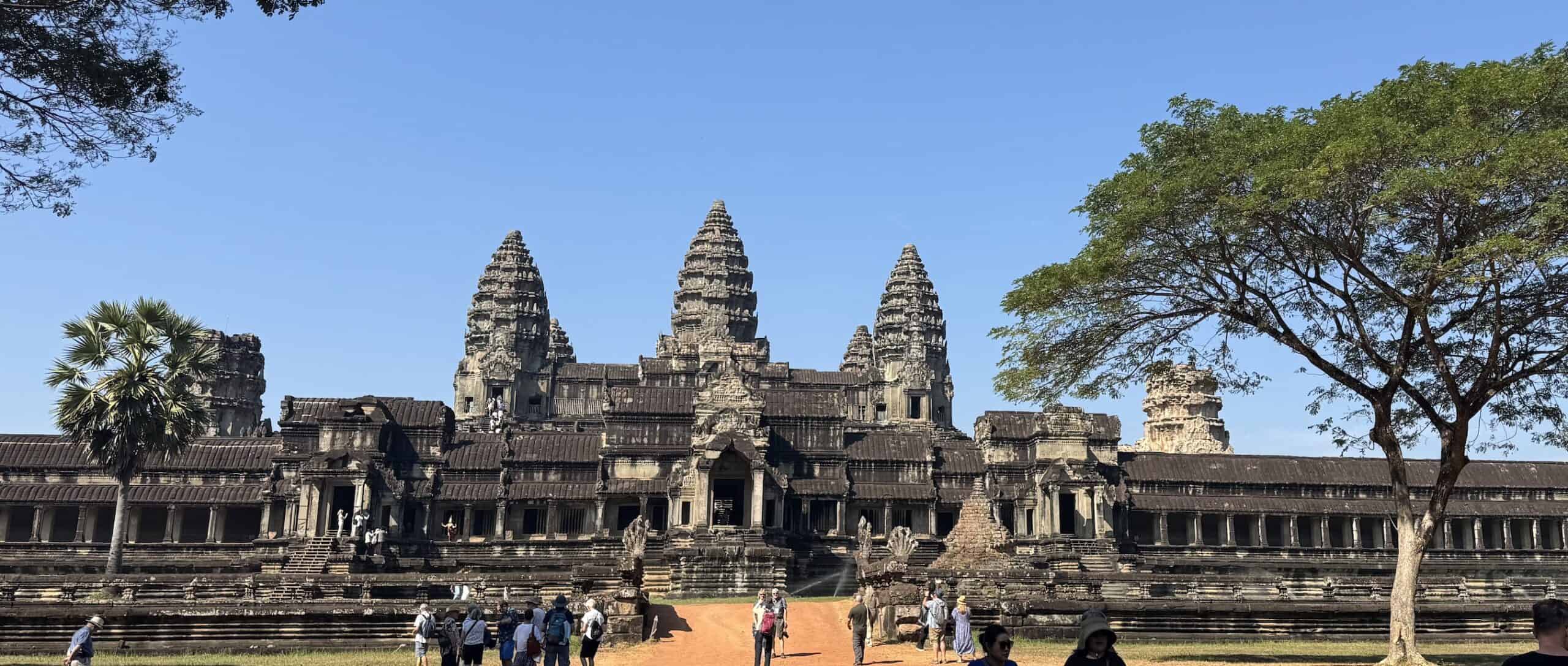
The Khmer Empire, with its magnificent temples at Angkor, crumbled partially due to environmental factors. An overreliance on an extensive but fragile water management system left them vulnerable to changes in climate. Prolonged droughts followed by intense monsoons devastated their agricultural base, undermining the empire’s economic foundations. This tale of hydraulic overdependence speaks volumes in today’s water-stressed world.
Their sophisticated reservoirs and canals were engineering marvels, yet they couldn’t withstand nature’s unpredictability. Angkor’s decline underscores the need for resilient infrastructure that accommodates environmental variability. For us, it highlights the urgency of adapting infrastructure to the realities of a changing climate. The Khmer’s experience is a stark reminder of the need to prepare for environmental extremes instead of assuming perpetual stability.
5. The Greek Dark Ages

Before Greece’s golden age, the region plunged into a “dark age” following the collapse of the Mycenaean civilization around 1100 BCE. Environmental changes, including droughts and resulting food shortages, played a role in this societal decline. As the landscape altered and resources dwindled, communities were forced to adapt to new realities. This period of upheaval provides insights into the impacts of environmental stress on societal structures.
A study cited in Nature Ecology & Evolution highlights climate shifts as contributors to the Mycenaean collapse, illustrating the vulnerability of complex societies to environmental pressures. This ancient lesson emphasizes the importance of resilience and diversification in the face of ecological challenges. As we confront our climate crisis, the Greek Dark Ages remind us of the potential for recovery and adaptation if we embrace change and innovation. Their resilience offers hope that with foresight and adaptability, societies can overcome environmental adversities.
6. The Ancestral Puebloans
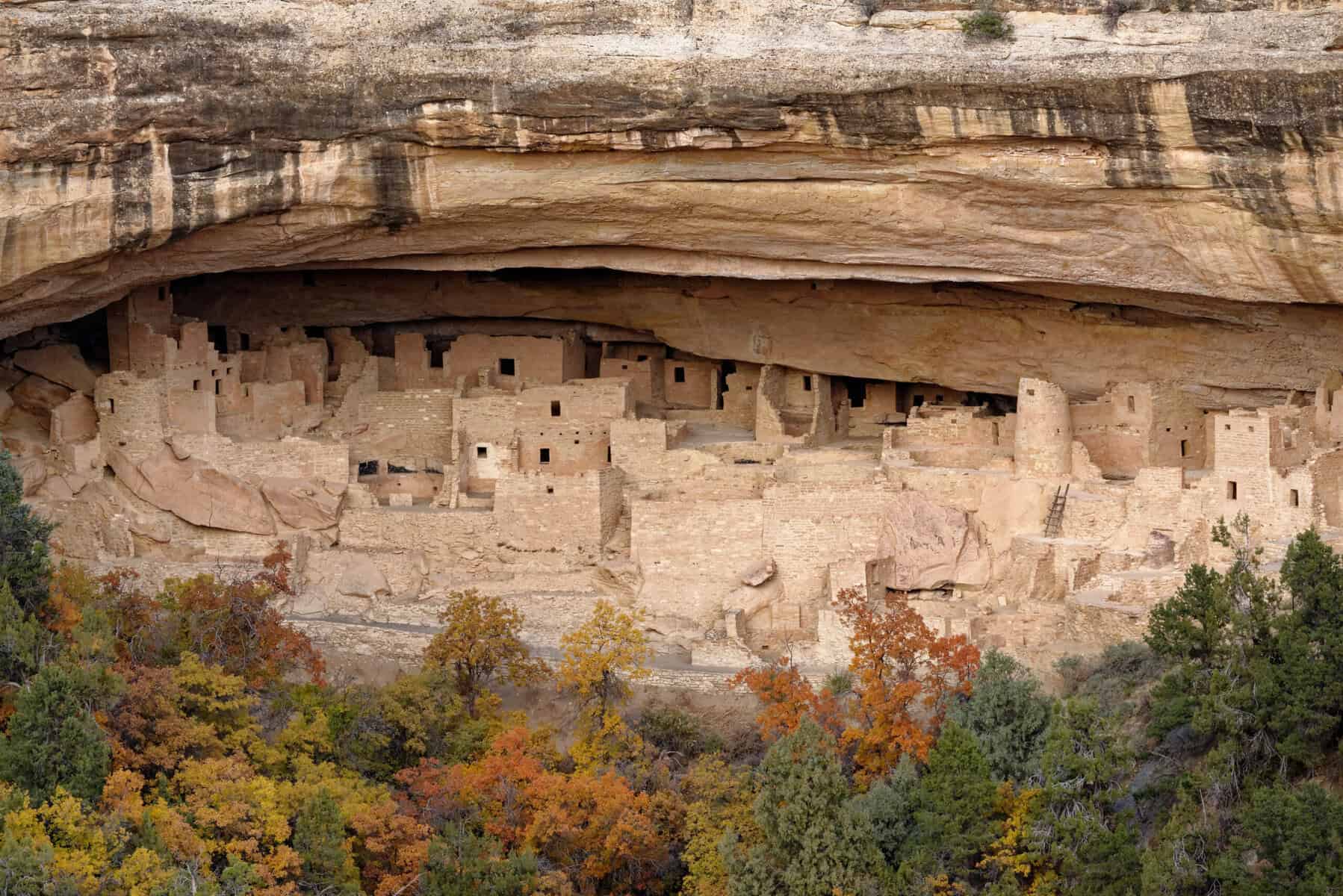
The ancestral Puebloans, also known as the Anasazi, built remarkable cliff dwellings in the American Southwest. However, their society faced hardship due to severe droughts and resource depletion. As water sources dwindled, agriculture faltered, forcing the Puebloans to abandon their settlements. Their story is a testament to the challenges of sustaining life in an arid environment.
The Puebloans’ departure from their homes offers a lesson in the importance of sustainable resource management. They faced the harsh reality that human settlements are intrinsically tied to the availability of natural resources. In today’s context, their experience stresses the need for water conservation and adaptive strategies in drought-prone regions. The Puebloans’ legacy is a reminder that even advanced societies must remain attuned to their environment’s limits.
7. The Norse Of Greenland

The Norse settlers in Greenland thrived for centuries before their abrupt disappearance. Recent research suggests that a combination of climate cooling, overgrazing, and soil erosion led to their collapse. As the Little Ice Age set in, the Norse struggled to adapt their European farming practices to Greenland’s harsher climate. Their inability to adjust to the changing environment ultimately sealed their fate.
A study in the journal Science Advances highlights how environmental and climatic shifts contributed to the Norse’s eventual abandonment of Greenland. This narrative underscores the risks of inflexibility in the face of environmental change. For us, their experience is a cautionary tale about the necessity of adapting agricultural practices to shifting climates. The Norse remind us that survival often hinges on the ability to embrace change and innovate in the face of new challenges.
8. The Fate Of The Harappan Civilization

The Harappan civilization, known for its advanced urban planning and trade, was among the earliest victims of climate-induced collapse. Changes in monsoon patterns and the drying of the Sarasvati River led to agricultural decline. As water sources shifted, Harappans were forced to abandon their cities and migrate eastward. Their decline highlights the vulnerability of even the most sophisticated societies to climatic shifts.
The Harappan story is a sobering reminder of the need for climate resilience and water resource management. Despite their advancements, they were powerless against nature’s volatility. Our modern world, with its reliance on predictable weather patterns, faces similar risks. Their experience urges us to invest in sustainable water management and infrastructure that can withstand environmental fluctuations.
9. The Vanishing Of The Cahokia

Near modern-day St. Louis, the Cahokia civilization thrived until around 1300 CE. This pre-Columbian society abruptly declined, with evidence suggesting climate changes, deforestation, and flooding played significant roles. As the climate shifted, the agricultural foundation of Cahokia weakened, undermining its societal structure. Their disappearance remains a cautionary tale of ecological overreach and climate vulnerability.
For the Cahokians, environmental stewardship was not enough to prevent their society’s downfall. Their decline underscores the dangers of ignoring climate signals and overexploiting natural resources. Today, Cahokia’s legacy prompts us to consider the sustainability of our urban centers. Their story is a reminder that even well-established civilizations can face decline if they neglect environmental stewardship.
10. The Downfall Of The Rapanui

The Rapanui people of Easter Island offer another stark example of environmental mismanagement leading to collapse. While they achieved monumental feats in constructing the island’s iconic moai statues, their society eventually succumbed to deforestation and resource depletion. As trees vanished, so did their ability to sustain agriculture and build canoes, leading to societal decline. This history serves as a chilling reminder of the dire consequences of overexploitation.
The Rapanui’s fate is often viewed as an ecological parable — a microcosm of our global struggles with resource management. Their collapse highlights the importance of balancing cultural pursuits with environmental sustainability. Today, as we face climate change, their story emphasizes the need for ecological mindfulness and the wisdom of preserving natural resources. Their legacy is a call to action to prioritize sustainability over short-term accomplishments.
11. The End Of The Akkadian Empire

The Akkadian Empire, one of the world’s first empires, faced a rapid decline around 2200 BCE. Archaeological evidence points to severe droughts and resulting societal stress as factors in its collapse. As agriculture failed, the empire’s economic foundation crumbled, leading to widespread famine and unrest. The fall of the Akkadians underscores the vulnerability of even powerful societies to climate disruptions.
Their experience is a testament to the consequences of environmental neglect and poor resource management. The Akkadian downfall serves as a historical lesson in the need for climate resilience and sustainable agricultural practices. Today, the Akkadian legacy reminds us of the fragility of human systems in the face of climatic upheaval. Their story urges modern societies to prepare for and mitigate the impacts of climate variability.
12. The Collapse Of The Minoan Civilization

The Minoan civilization, known for its maritime prowess and architectural achievements, faced decline possibly due to natural disasters and climate change. Volcanic eruptions and subsequent tsunamis devastated their settlements and trade networks. These events, coupled with shifting climate patterns, undermined their economic and social structures. The Minoan collapse is a stark illustration of nature’s power to upend civilizations.
For the Minoans, environmental catastrophes exposed the limitations of human control over nature. Their downfall highlights the risks of underestimating the impacts of natural disasters exacerbated by climate change. Today, their legacy underscores the need for disaster preparedness and resilient infrastructure. The Minoans remind us that acknowledging and planning for environmental risks is essential for societal endurance.
13. The Decline Of The Inca Empire

The Inca Empire, with its vast network of roads and architectural marvels, faced challenges from Spanish conquest and environmental stresses. Climate anomalies, including droughts and cold spells, strained their agricultural systems. As food production faltered, so did the empire’s ability to support its population and military endeavors. The Inca’s experience underscores the vulnerability of even the most advanced societies to environmental shifts.
Their story is a testament to the importance of understanding and adapting to climatic changes. Despite their engineering ingenuity, the Incas could not fully shield themselves from nature’s volatility. Today, the Inca legacy serves as a reminder of the need for climate-aware policies and practices. Their decline emphasizes the importance of safeguarding food security and infrastructure in the face of climate change.
More Bolde Stories

Psychology says people who still go to the same barber or hairdresser they had 20 years ago displ...

If a person frequently does these 9 things during group conversations, they’re probably not as we...

