

Hollywood parenting has its own unspoken rules: visibility equals relevance, success is inherited, and childhood is something you brand early. Against that backdrop, a growing group of celebrity women are making choices that quietly reject those assumptions. Not loudly. Not performatively. Just deliberately.
1. Kristen Bell
Kristen Bell has been outspoken about refusing to share identifiable photos of her children, even while maintaining a public, personable image herself. She’s drawn a firm line between being open about motherhood and turning her kids into content, despite pressure to do otherwise.
What makes this choice countercultural in Hollywood is consistency. Bell doesn’t frame privacy as moral superiority—she treats it as basic consent. Her approach challenges the idea that relatability requires access to children’s lives.
2. Sandra Bullock

Sandra Bullock has raised her children largely outside of Hollywood’s social ecosystem, prioritizing routine and anonymity over industry immersion. She’s spoken about wanting her kids to experience a grounded, ordinary version of childhood whenever possible.
This goes against the norm of leveraging proximity—connections, auditions, early exposure. Bullock’s approach suggests that safety and emotional steadiness matter more than head starts. In an industry obsessed with early advantage, that’s a quiet rebellion.
3. Halle Berry

Halle Berry has been deliberate about keeping her children out of public view, often advocating for stronger protections around children’s privacy in media. She’s repeatedly emphasized that her kids didn’t choose her fame and shouldn’t be shaped by it.
What challenges Hollywood norms here is her refusal to treat visibility as neutral. Berry frames exposure as something that actively affects identity development. Her stance pushes back on the assumption that children will simply “adjust” to being public.
4. Eva Mendes

Eva Mendes stepped away from acting while raising her children and has largely avoided the public-facing “celebrity mom” role altogether. She doesn’t position herself as aspirational or instructional—she simply disengaged.
In a culture where motherhood often becomes a rebrand, Mendes’ absence is the point. She challenges the idea that relevance must be maintained through visibility. Her choice reframes success as autonomy, not exposure.
5. Adele

Despite her massive public profile, Adele has consistently kept her son out of her professional storytelling. She references motherhood emotionally, but avoids using her child as part of her image or evolution arc.
This resists a common Hollywood pattern where children become symbolic proof of growth or reinvention. Adele’s restraint suggests that some parts of life don’t need to be contextualized for an audience to be real.
6. Natalie Portman

Natalie Portman has spoken about prioritizing education and intellectual curiosity in her household, deliberately resisting the idea that her children’s futures should orbit the entertainment industry. She’s expressed discomfort with Hollywood’s fixation on early fame.
What’s counter-normative is her framing: exposure isn’t opportunity by default. Portman treats critical thinking and privacy as protective forces, not limitations. In an industry built on early visibility, that’s a notable stance.
7. Mila Kunis

Mila Kunis has been vocal about not raising her children with an expectation of luxury or entitlement, despite her wealth. She’s spoken about limiting excess and emphasizing gratitude and effort.
This directly challenges a Hollywood norm where abundance is treated as harmless. Kunis’ approach reframes restraint as intentional parenting, not deprivation. It questions whether access always benefits kids—or just adults’ egos.
8. Keira Knightley

Keira Knightley has openly rejected idealized narratives around motherhood, including the pressure to appear endlessly fulfilled, balanced, or graceful. She’s spoken candidly about exhaustion and imperfection without turning it into branding.
What makes this challenging to Hollywood norms is her refusal to aestheticize struggle. Knightley doesn’t monetize relatability—she normalizes complexity. In an industry that rewards polished vulnerability, that honesty stands out.
9. Gwyneth Paltrow
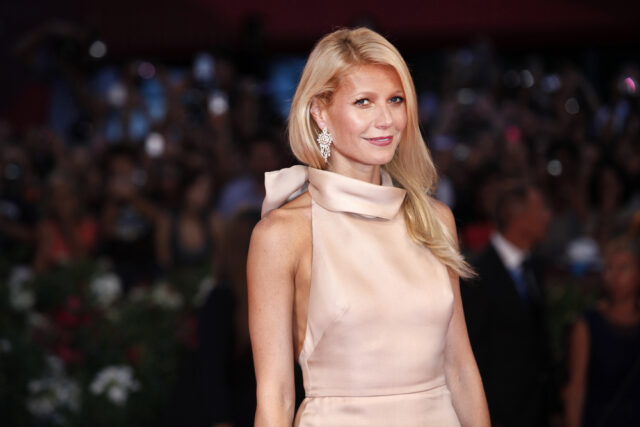
Despite building an entire lifestyle empire around herself, Gwyneth Paltrow has been notably restrained when it comes to her children. She’s spoken about them selectively and thoughtfully, often emphasizing their autonomy rather than presenting them as accessories to her brand.
What challenges Hollywood norms here is the contrast. Paltrow has proven you can be highly visible without turning your kids into part of the product. In an industry where personal life is often monetized by default, that separation is intentional—and rare.
10. Reese Witherspoon
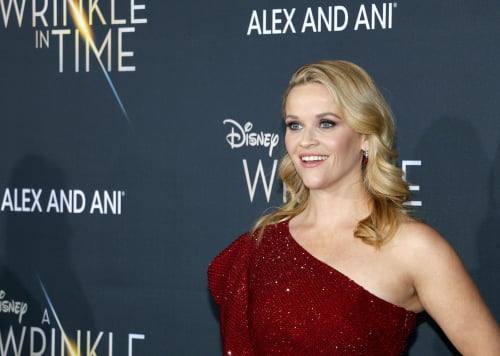
Reese Witherspoon has been careful about how and when her children appear in public or professional contexts, even as she’s built a powerful production career. While one of her children has shown interest in acting, Witherspoon has spoken about letting that interest develop organically rather than steering it.
This challenges a common Hollywood impulse to pre-position children for success. Witherspoon’s approach suggests that access should remain optional, not assumed. The emphasis is on agency, not inheritance.
11. Jennifer Garner
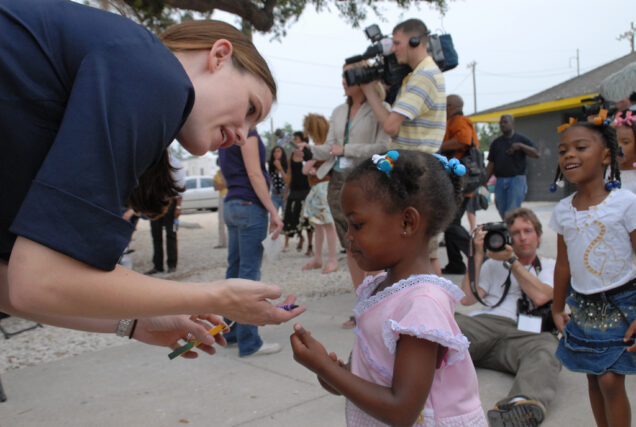
Jennifer Garner has consistently emphasized routines, boundaries, and everyday structure in how she raises her children. She’s spoken about chores, school expectations, and limits in ways that intentionally downplay celebrity advantage.
What makes this countercultural is how unglamorous it is. Garner resists the idea that fame should insulate children from ordinary responsibilities. In a culture that equates privilege with ease, she treats normalcy as a stabilizing force.
12. Cameron Diaz

After stepping back from acting, Cameron Diaz largely disappeared from public life while raising her child. She’s spoken about motherhood sparingly, without turning it into a reinvention arc or content strategy.
This directly challenges Hollywood’s expectation that every life phase must be narrated. Diaz’s absence reframes success as presence rather than relevance. Her choice suggests that stepping away can be a form of protection, not loss.
13. Zoe Saldaña

Zoe Saldaña has spoken about intentionally raising her children away from Hollywood’s social and cultural bubble, emphasizing multilingualism, cultural grounding, and privacy. She’s expressed concern about how early exposure can distort identity formation.
What challenges industry norms here is her awareness of the environment as an influence. Saldaña treats fame as something to manage around children, not something they need to absorb. Her approach reframes parenting as buffering, not showcasing.


