

There’s something satisfying about mastering the art of cooking. The trick is not about fancy gadgets or complicated recipes but little tricks that elevate your skills from amateur to impressive. Here are 13 cooking hacks that will transform you into the master chef you’ve always wanted to be.
1. Master the Art of Mise en Place
Before you even turn on the stove, set yourself up for success with the French culinary practice of “mise en place,” which means “everything in its place.” This involves measuring, chopping, and organizing all your ingredients before you start cooking. It might sound time-consuming, but it ultimately saves you from last-minute scrambles and ensures a smoother cooking process. Plus, it allows you to focus entirely on cooking rather than multitasking in the midst of it.
The Culinary Institute of America emphasizes that mise en place is crucial for efficiency and accuracy. Professional chefs swear by this practice because it reduces stress and minimizes the risk of missing ingredients. By adopting this method at home, you not only enhance your cooking skills but also create a more enjoyable kitchen experience. Channeling this professional tactic can help you bring your culinary creations to the next level with ease.
2. Use Salt Strategically

Salt is your best friend in the kitchen, but it must be used wisely. It’s not just a flavor enhancer; it also affects the texture and moisture of your food. Understand the different kinds of salt, like kosher, sea, and table salt, as each has its unique properties and uses. For example, kosher salt is perfect for seasoning meats, while sea salt can add a finishing touch to a dish.
Balancing salt is an art that takes time to master but becomes intuitive with practice. Start by seasoning gradually and tasting as you go — you can always add more, but you can’t take it out. Over time, you’ll develop an instinct for the right amount of salt, which is key to making food that truly sings. Remember, salt can make the difference between a bland dish and one that’s bursting with flavor.
3. Elevate Your Knife Skills

Good knife skills are essential for becoming a proficient cook, and they do more than just make you look like a pro. Precise, consistent cuts ensure even cooking and can drastically improve the presentation of your dishes. Practicing proper techniques — like the claw grip for safety and the rocking motion for efficiency — can elevate your meals significantly. Investing in a quality chef’s knife and keeping it sharp are also crucial steps.
According to chef and author Michael Ruhlman, honing your knife skills is one of the most impactful improvements you can make in the kitchen. Cutting vegetables properly not only enhances their flavor but also makes the cooking process faster and more enjoyable. By dedicating time to practice, you’ll find cooking becomes less of a chore and more of an art form. Soon, you’ll be slicing and dicing like a seasoned chef.
4. Understand the Maillard Reaction

The Maillard reaction is the magical process that gives browned food its distinct, delicious flavor. It occurs when proteins and sugars in food are exposed to heat, resulting in complex flavor compounds. Understanding this reaction will transform how you cook meats, toast bread, or even brew coffee. To maximize the Maillard effect, ensure your food is dry, your pan is hot, and you avoid overcrowding.
The science behind the Maillard reaction is fascinating, as it involves intricate chemistry that results in enhanced taste. Once you grasp this concept, you’ll appreciate why searing a steak or browning onions adds richness to your dishes. By controlling your cooking environment, you can harness this reaction to achieve flavor perfection. Soon, your meals will have that irresistible, mouth-watering quality that makes people come back for more.
5. Embrace the Power of Acid

Acid is often the unsung hero in cooking, bringing balance and brightness to dishes. Lemon juice, vinegar, or even a splash of wine can elevate flavors and cut through richness. This is particularly useful in dishes that feel heavy, as acid offers a refreshing contrast. Once you start experimenting with acidity, you’ll notice your dishes have a more complex and satisfying taste.
Chef Samin Nosrat, author of “Salt, Fat, Acid, Heat,” advocates for the transformative power of acid in cooking. She explains that a dish lacking acid can taste flat, whereas a perfectly balanced dish leaves a lasting impression. By understanding how to balance acid with other elements like fat and salt, you can turn a good dish into a great one. Start small, and soon you’ll be using acid instinctively to create culinary harmony.
6. Make Friends with Umami

Umami, often described as the fifth taste, adds depth and savory richness to your dishes. You’ll find it in ingredients like mushrooms, tomatoes, aged cheese, and soy sauce. Incorporating umami can enhance the flavor profile of your cooking, making it more robust and satisfying. Learning to identify and use umami-rich ingredients is a game-changer in the kitchen.
To harness the power of umami, start experimenting with broths, sauces, and marinades. This might involve adding a dash of fish sauce or a sprinkle of Parmesan to your pasta. As you explore, you’ll discover how umami can bring out the best in your ingredients, creating a more nuanced and complete flavor. With practice, your dishes will have a savory depth that leaves a lasting impression.
7. Perfect Your Pasta

Cooking pasta properly is an art that many people overlook, but it’s essential for achieving that restaurant-quality texture. Start by using a large pot with plenty of water to allow the pasta to move freely. Salt the water generously, as it’s the only chance you have to flavor the pasta itself. Cook the pasta al dente, or “to the tooth,” so it retains a slight chewiness.
According to the Italian culinary experts at Eataly, finishing pasta in its sauce allows the flavors to meld perfectly. This step ensures the pasta absorbs some of the sauce, making every bite more cohesive. Reserve a cup of pasta water before draining; its starchy content helps thicken the sauce and bind it to the pasta. With these techniques, your pasta dishes will have the depth and authenticity of true Italian cuisine.
8. Balance Flavors Like a Chef

Mastering the balance of flavors is a culinary skill that elevates your cooking. The key is to blend sweet, salty, sour, and bitter elements to create a dish that’s harmonious yet complex. Think of a vibrant salad with sweet cherry tomatoes, tangy vinaigrette, salty feta, and bitter greens. Each element should complement the others without overpowering them.
To practice, start with simple dishes and adjust one flavor element at a time. Taste frequently and consider what’s missing or needs adjustment. Over time, you’ll develop an instinct for the right balance, ensuring your dishes are always well-rounded and satisfying. This skill will make your cooking more dynamic and impressive to everyone at the table.
9. Dry Meats for Better Searing
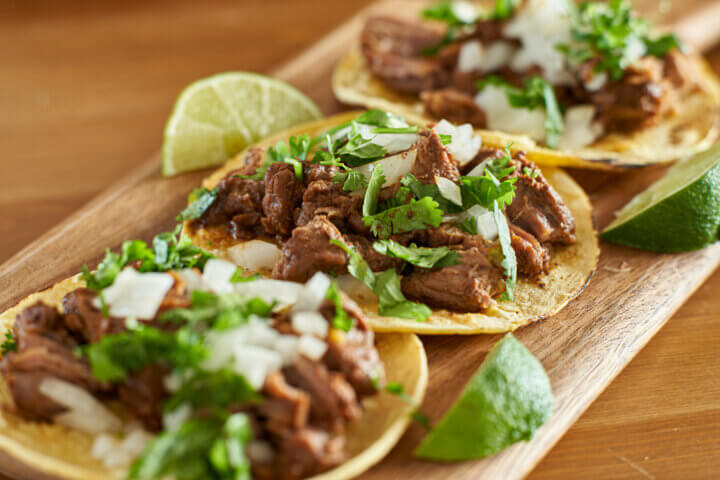
Properly searing meat is a technique that adds flavor and texture, and the key to mastering it is ensuring your meat is dry before it hits the pan. Patting your meat dry with paper towels removes moisture that would otherwise steam the meat, preventing it from achieving that golden-brown crust. Once the meat is dry, season it well and let your pan get hot before adding the meat.
This method creates a beautiful crust that locks in juices, making the meat both tender and flavorful. The process of caramelizing the surface enhances the overall taste and gives the dish a sophisticated edge. Consistent practice with this technique will allow you to execute it with ease, ensuring your meats are perfectly seared every time. It’s a simple adjustment with a big payoff, elevating your cooking to a professional level.
10. Experiment with Herbs and Spices

Herbs and spices are the backbone of flavor in any cuisine, providing endless possibilities for creativity. Fresh herbs like basil, cilantro, and thyme add a burst of freshness, while spices like cumin, coriander, and paprika offer depth and warmth. The key is to experiment and find combinations that you love, as well as understanding when to add them during the cooking process.
Different herbs and spices release their flavors at different times, so timing is crucial. Fresh herbs are often best added at the end of cooking, while dried spices should be added earlier to allow their flavors to infuse. As you become familiar with their properties, you’ll start to instinctively know how to season your dishes. This exploration not only enhances your cooking but also makes it uniquely yours.
11. Don’t Fear the Broiler

The broiler is an underutilized tool in many kitchens, yet it can be a game-changer for achieving perfect caramelization. Located at the top of your oven, the broiler provides intense heat that mimics grilling. It’s ideal for browning the tops of casseroles, finishing meats, or even roasting vegetables quickly. With a little practice, you can use the broiler to add a professional finish to your dishes.
When using the broiler, remember to keep a close eye on your food, as things can go from golden to burnt in a matter of seconds. It’s a powerful tool that requires attention and a bit of finesse. Begin with small, manageable dishes to gain confidence and avoid frustration. Once you get the hang of it, you’ll find that the broiler is an invaluable asset in your cooking repertoire.
12. Use the Right Fats for Cooking

Understanding which fats to use in different cooking scenarios can make a big difference in the outcome of your dishes. Olive oil is perfect for salads and low-heat cooking, while butter adds richness to baking and sautéing. For high-heat cooking, opt for oils with a high smoke point, like canola or avocado oil. Each type of fat has unique properties that can enhance or detract from your food.
The choice of fat not only influences flavor but also affects texture and nutritional content. Experiment with different fats to discover how they can transform your cooking. Over time, you’ll learn which fats best complement your ingredients and cooking methods. This knowledge empowers you to make informed decisions that elevate your dishes beyond the ordinary.
13. Let Food Rest

Allowing food to rest after cooking is a simple yet highly effective way to enhance its quality. Meats, in particular, benefit from resting, as it allows juices to redistribute and creates a more tender bite. Resting doesn’t just apply to meats; baked goods like bread or pastries also set and develop flavor when given time. This step requires patience but is worth the wait.
A good rule of thumb is to let cooked food rest for a few minutes before serving. This allows residual heat to finish the cooking process and enhances the overall taste and texture. While it might be tempting to dive right in, giving your food a moment to rest improves the dining experience. Embrace this final touch, and you’ll find your meals have an added layer of sophistication.


