

When you think of history, it’s easy to get bogged down by the usual suspects like wars, famous speeches, and revolutions. But history isn’t all dusty textbooks and black-and-white photos; it’s filled with wild and fascinating events that often slip under the radar. Buckle up for a whirlwind tour of some of the most eyebrow-raising moments that remind us just how unpredictable and riveting our past can be.
1. The Great Emu War
Picture this: Australia, 1932. The country was grappling with a burgeoning emu population that was wreaking havoc on farmland. So, the government decided to take military action against the birds, deploying soldiers armed with machine guns. It sounds like the plot of a slapstick comedy, but it’s true; the emus proved to be surprisingly elusive, and the “war” ended in failure. According to ornithologist Dominic Serventy, the operation was a lesson in humility and an example of nature’s resilience.
Even with military intervention, the emu population remained a headache for farmers, illustrating how complex human-wildlife interactions can be. Despite the comical nature of the “war,” it raised serious questions about environmental management and human intervention. The government eventually turned to more traditional means of population control. The episode is a quirky reminder that not all battles involve human adversaries. It’s a testament to the unexpected challenges that farmers face and the lengths we might go to manage nature’s whims.
2. The Year Without A Summer

In 1816, strange weather patterns led to a year without a summer in the Northern Hemisphere. Volcanic ash from the eruption of Mount Tambora in Indonesia blocked out sunlight, causing temperatures to plummet. Crops failed, food became scarce, and people went hungry, leading to widespread panic. Interestingly, this calamity sparked creative breakthroughs, including the conception of Mary Shelley’s “Frankenstein.” The grim weather and long nights inspired people to explore new artistic and scientific frontiers.
Economically, the effects were devastating, with many families uprooting and moving to more hospitable climates. The agricultural collapse forced communities to rethink survival strategies and explore innovative solutions. This event is a stark reminder of how interconnected our world is, with distant natural disasters impacting global societies. It also underscores the importance of adaptive resilience in the face of unforeseen challenges. The “year without a summer” remains a poignant example of nature’s far-reaching influence on human life.
3. The Dancing Plague
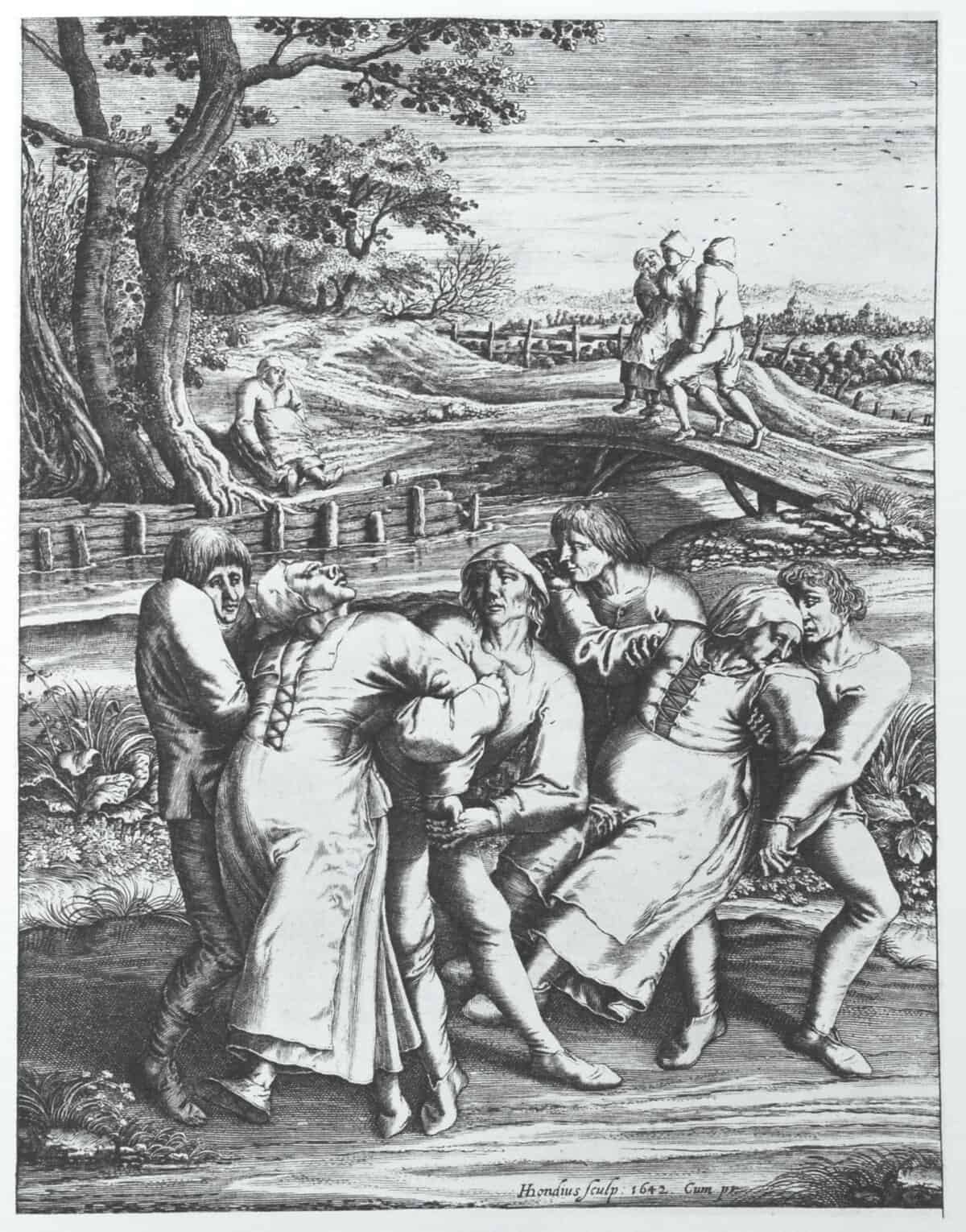
In 1518, the streets of Strasbourg were overtaken by a bizarre phenomenon: people dancing uncontrollably, seemingly against their will. What began with just one woman soon escalated into a full-blown epidemic. Hundreds joined the frenzied dance, collapsing from exhaustion, injury, and even death. Physicians and scholars of the time were baffled, attributing the event to “hot blood” or a curse. Despite the chaos, this event revealed much about the psychological and social fabric of the era.
Modern scholars suggest the phenomenon was a case of mass hysteria, exacerbated by the stress and uncertainty of the time. Professor John Waller, an expert on historical mass hysteria, notes that similar outbreaks have occurred throughout history, illustrating the complex interplay of psychology and social environment. The dancing plague serves as a reminder of how stress can manifest in extraordinary ways. It also highlights the limits of medical understanding in confronting psychological phenomena.
4. The Short-Lived Republic Of Rough And Ready

In 1850, some fed-up Californians decided to secede from the Union, creating the Republic of Rough and Ready. Frustrated by mining taxes, the townspeople of this gold rush settlement declared independence, albeit briefly. However, upon realizing they couldn’t celebrate U.S. Independence Day without being part of the Union, they quickly rejoined. The republic lasted only three months, making it one of the shortest-lived secession attempts in U.S. history. This episode illustrates the complexities of governance and the whimsical nature of political experiments.
Despite its brevity, the Republic of Rough and Ready is a fascinating footnote in American history. It reflects the spirit of independence and self-determination that characterizes much of the American frontier experience. The issue of taxes still resonates today, linking past grievances to ongoing debates about government and individual rights. The story of Rough and Ready serves as a light-hearted yet thought-provoking reminder of the diverse paths communities explore in pursuit of autonomy. It’s a quirky chapter in the rich tapestry of American resilience and innovation.
5. The London Beer Flood

In 1814, a catastrophic event in London had beer lovers lamenting: the great London Beer Flood. A massive vat holding over 300,000 gallons of beer at the Meux & Co. Brewery burst, sending a tidal wave through the streets. Buildings were damaged, and tragically, several lives were lost in the chaos. The flood was an unusual disaster that highlighted the potential dangers of industrialization. Historian Martyn Cornell noted that this event underscored the importance of industrial safety regulations.
While the flood was a tragedy, it also brought communities together in unexpected ways. Neighbors helped each other salvage belongings and provided support to those affected. This event forced changes in how industrial operations were managed, leading to safer standards and practices. It’s a reminder that even seemingly mundane industries can pose significant risks. The London Beer Flood remains an odd yet impactful chapter in the ongoing narrative of urban development and regulation.
6. The Launch Of Operation Paul Bunyan

In 1976, tensions between North and South Korea reached new heights over a simple poplar tree. After North Korean soldiers killed two U.S. soldiers trimming the tree, the United States launched Operation Paul Bunyan to remove it. The operation was a massive show of force, involving troops, aircraft, and vehicles simply to cut down a tree. This military maneuver demonstrated the delicate balance of power on the Korean Peninsula. The event highlighted the unpredictable nature of conflict and diplomacy.
Operation Paul Bunyan was more than just about the tree; it was a strategic move in a complex geopolitical landscape. The operation served as a reminder of the importance of symbolism in international relations. While no further violence ensued, the incident underscored the tensions that continue to exist in the region. The “tree incident” remains a lesson in how seemingly insignificant actions can have profound implications. It also illustrates the lengths nations will go to assert their dominance and protect their interests.
7. The Great Molasses Flood

Boston, 1919: a molasses storage tank burst, unleashing a sticky wave through the streets. The Great Molasses Flood killed 21 people and caused widespread destruction. The event was a shocking reminder of the potential dangers of industrial negligence. Civil engineer Dr. Stephen Puleo, author of “Dark Tide: The Great Boston Molasses Flood of 1919,” highlights the disaster’s role in shaping public safety regulations. This bizarre event is a testament to the often-overlooked hazards in urban environments.
The flood’s aftermath led to a legal battle that established important precedents in corporate liability. It served as a catalyst for developing stricter safety standards in industrial production and storage. Despite its tragic nature, the molasses flood is an example of how disasters can spur positive change. It reminds us of the delicate balance between industrial progress and public safety. The memory of the flood lingers, serving as both a cautionary tale and a catalyst for reform.
8. The Tacoma Narrows Bridge Collapse

In 1940, the Tacoma Narrows Bridge in Washington State collapsed spectacularly due to wind-induced vibrations. Nicknamed “Galloping Gertie,” the bridge’s failure was captured on film, becoming an iconic moment in engineering history. The collapse was a vivid illustration of the need for rigorous design and testing in construction projects. Engineers were prompted to reevaluate their understanding of aerodynamic forces. The incident revolutionized bridge design and led to safer, more robust structures.
The Tacoma Narrows Bridge collapse was a wake-up call for the engineering community. It demonstrated the unpredictable forces at play in structural design and the importance of accounting for them. The lessons learned from this disaster paved the way for advancements in materials science and aerodynamics. Today, the collapse is studied as a classic case of engineering failure and innovation. It underscores the importance of continuous learning and adaptation in the face of evolving challenges.
9. The War of the Stray Dog
In 1925, a dog inadvertently sparked an international conflict between Greece and Bulgaria. After a Greek soldier chased his runaway dog across the border, tensions quickly escalated. The incident led to military engagement, resulting in several casualties before the League of Nations intervened. Known as the War of the Stray Dog, it highlights the fragile nature of peace and the potential for minor incidents to ignite larger conflicts. This peculiar event illustrates the importance of diplomacy in maintaining international stability.
The War of the Stray Dog serves as a reminder of the unpredictable nature of international relations. It underscores the need for effective communication and conflict resolution mechanisms. Despite its silly origins, the incident had serious consequences and demonstrated the complexities of border politics. The resolution of the conflict through diplomatic channels set a precedent for peaceful dispute settlement. It’s a quirky yet significant example of the delicate balance of power in geopolitical affairs.
10. The Exploding Whale of Oregon

In 1970, the Oregon Highway Division faced an unusual challenge: a beached whale carcass. Their solution? Blow it up with dynamite. The resulting explosion sent whale parts flying, damaging property and scattering onlookers. This bizarre decision highlighted the complexities of wildlife management and the perils of unconventional solutions. Despite the chaos, the exploding whale incident is a memorable lesson in planning and problem-solving.
The explosion underscored the importance of considering environmental and safety factors in decision-making. It served as a cautionary tale about the potential for well-intentioned actions to go awry. Over time, the incident became a cultural touchstone, referenced in discussions about problem-solving and bureaucratic decisions. The exploding whale remains an odd but instructive episode in the annals of wildlife management. It’s a reminder that sometimes the simplest solutions are the most effective.
11. The Night of the Radishes

Every year on December 23, the city of Oaxaca, Mexico, hosts a festival dedicated entirely to radishes. Known as Noche de Rábanos, this unique event features intricately carved radish sculptures, drawing crowds from around the world. The festival originated in the late 1800s as a way for farmers to showcase their produce. Today, it’s a vibrant celebration of creativity and community spirit. This quirky tradition highlights the cultural significance of food and agriculture.
Noche de Rábanos is a testament to the ingenuity and creativity of the people of Oaxaca. It reflects the strong ties between agriculture and cultural identity in the region. The festival fosters a sense of community and pride, bringing people together to celebrate their shared heritage. Despite its humble beginnings, Noche de Rábanos has become a beloved cultural event with international appeal. It’s a delightful reminder of the power of creativity to unite and inspire.
12. The Fake Battle of Britain

During World War II, the British government staged a fake battle to boost morale and mislead German intelligence. Known as Operation Sea Lion, this elaborate ruse involved fake radio transmissions and staged military maneuvers. The operation was part of a broader strategy of deception that included creating inflatable tanks and planes to confuse enemy forces. This cunning ploy exemplified the lengths to which the Allies went to gain an advantage. It was a testament to the power of strategic deception in warfare.
The Fake Battle of Britain illustrates the importance of psychological warfare in military strategy. It demonstrated how misinformation could be used to manipulate enemy perceptions and actions effectively. The operation is a fascinating example of the creativity and resourcefulness required in warfare. Despite its fabricated nature, the fake battle played a role in the broader context of the war effort. It’s a reminder of the critical role of strategy and innovation in achieving victory.
13. The Affair of the Diamond Necklace

In 18th-century France, a scandal involving a diamond necklace tarnished the reputation of Queen Marie Antoinette. The incident, known as the Affair of the Diamond Necklace, involved a complex web of deceit and manipulation. Unscrupulous con artists used the queen’s name to acquire a lavish necklace, causing a public scandal. The affair fueled public discontent and contributed to the growing unrest leading up to the French Revolution. It exemplifies how scandal and intrigue can shape historical narratives.
The Affair of the Diamond Necklace is a fascinating tale of deception and political intrigue. It reflects the power of public perception and the impact of scandal on historical events. The incident undermined the monarchy’s credibility and fueled revolutionary sentiment. Today, it serves as a cautionary tale about the consequences of deceit and the fragility of reputation. The affair remains a captivating chapter in the tumultuous history of pre-revolutionary France.


