
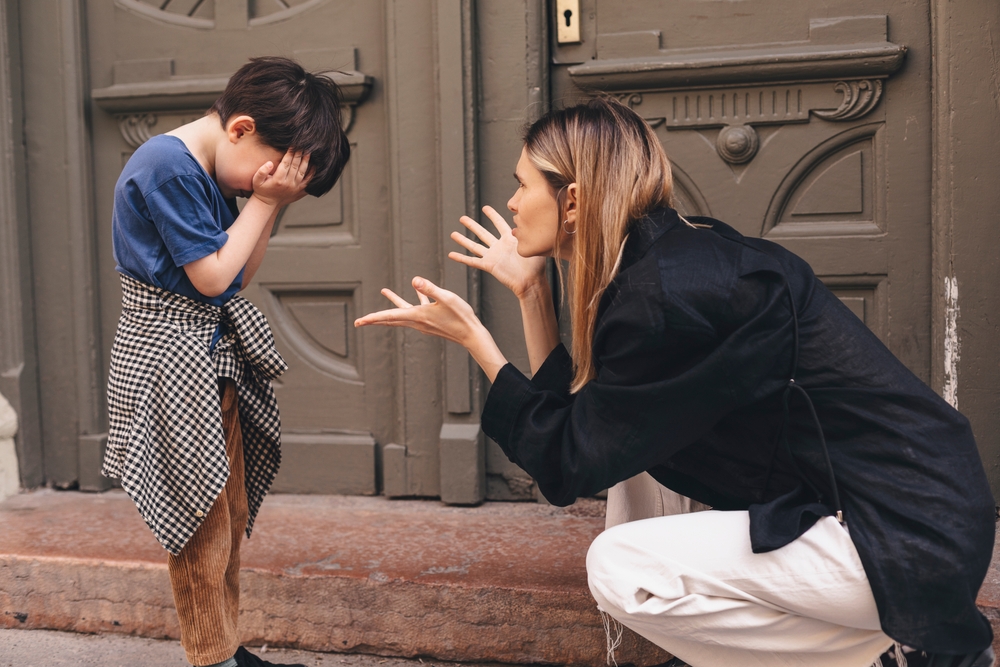
Gentle parenting is built around emotional regulation, long-term development, and connection over control. To parents who grew up being yelled at, spanked, or dismissed, it often feels like progress. To grandparents who raised kids in a very different era, it can feel like chaos disguised as kindness. These rules don’t just challenge habits — they quietly threaten everything older generations were taught about authority, discipline, and respect.
1. Never Yell At Kids
Gentle parenting treats yelling as emotional overflow, not effective correction. The idea is that children learn regulation by watching adults model it. For many grandparents, yelling was simply how discipline worked. A raised voice meant seriousness, not loss of control.
When parents stay calm during conflict, grandparents often interpret it as permissiveness. Silence feels like weakness rather than restraint. Research on child development shows that chronic yelling increases anxiety rather than compliance, but that logic clashes with lived experience. What feels measured to parents can look irresponsible to outsiders.
2. Let Kids Name Their Feelings

Gentle parenting encourages kids to label emotions like anger, jealousy, or disappointment. This builds emotional literacy and helps children process reactions instead of suppressing them. Many grandparents grew up learning to push feelings down, not examine them. Talking about emotions feels excessive or indulgent.
To them, kids weren’t supposed to feel everything out loud. Naming emotions can sound like encouraging drama. But psychologists note that emotional awareness actually reduces long-term reactivity. Still, watching a child calmly say “I’m frustrated” can feel bizarre if you were told to “stop crying” instead.
3. Explain Rules, Don’t Command

Gentle parenting prioritizes explanation over command. Kids are told why rules exist so they internalize reasoning rather than fear. Grandparents often see this as negotiating with children. Authority, in their world, didn’t require justification.
Obedience was the explanation. Taking time to explain can feel like giving up power. But research on moral development shows children are more likely to follow rules they understand. To grandparents, though, talking feels slower and far less effective than orders.
4. Apologize To Children Openly

Gentle parenting encourages parents to apologize if they overreact or make mistakes. The goal is modeling accountability and repair. For many grandparents, adults never apologized to kids. Authority flowed one way, and admitting fault felt destabilizing.
An apology can feel like eroding respect. It looks like reversing roles instead of reinforcing them. But studies on secure attachment show that repair matters more than perfection. Still, watching a parent say “I was wrong” can feel deeply uncomfortable to someone raised without that option.
5. Talk To Them, Don’t Spank

Gentle parenting rejects physical discipline entirely. It emphasizes safety, trust, and long-term emotional health. Many grandparents were raised with spanking and may have used it themselves. Hearing it labeled harmful can feel like a personal indictment.
They often say, “We turned out fine,” because survival gets mistaken for success. Decades of research link physical punishment to increased aggression and anxiety in children. But those facts don’t erase emotional history. What parents see as protection, grandparents may see as softness.
6. Allow Kids To Experience Consequences

Instead of punishments, gentle parenting allows consequences to arise naturally. Forget your homework, and you face the result at school. This approach builds responsibility over time. Grandparents often want immediate correction.
Waiting feels like allowing failure. Structure once meant preventing mistakes at all costs. But developmental experts note that learning through experience sticks better than fear-based discipline. The patience required can drive grandparents quietly insane.
7. Respect A Child’s Boundaries

Gentle parenting emphasizes bodily autonomy, even with family. Kids aren’t forced to hug relatives or perform affection. This can feel deeply personal to grandparents. A refusal can feel like rejection rather than boundary-setting.
They may interpret “no” as rudeness or poor manners. In their generation, affection was expected, not optional. Child psychologists stress that honoring consent early builds safer relationships later. Emotionally, though, it can sting.
8. Avoid Shaming A Child

Gentle parenting avoids embarrassment, guilt, or humiliation as discipline. Shame is seen as damaging to self-worth. Many grandparents grew up believing shame built character. It was how behavior got corrected quickly.
Removing it can feel like removing accountability. But research consistently links shame-based discipline to anxiety and secrecy. Parents aim to correct behavior without attacking identity. To grandparents, that line can feel too soft to matter.
9. Let Kids Have Big Emotional Reactions
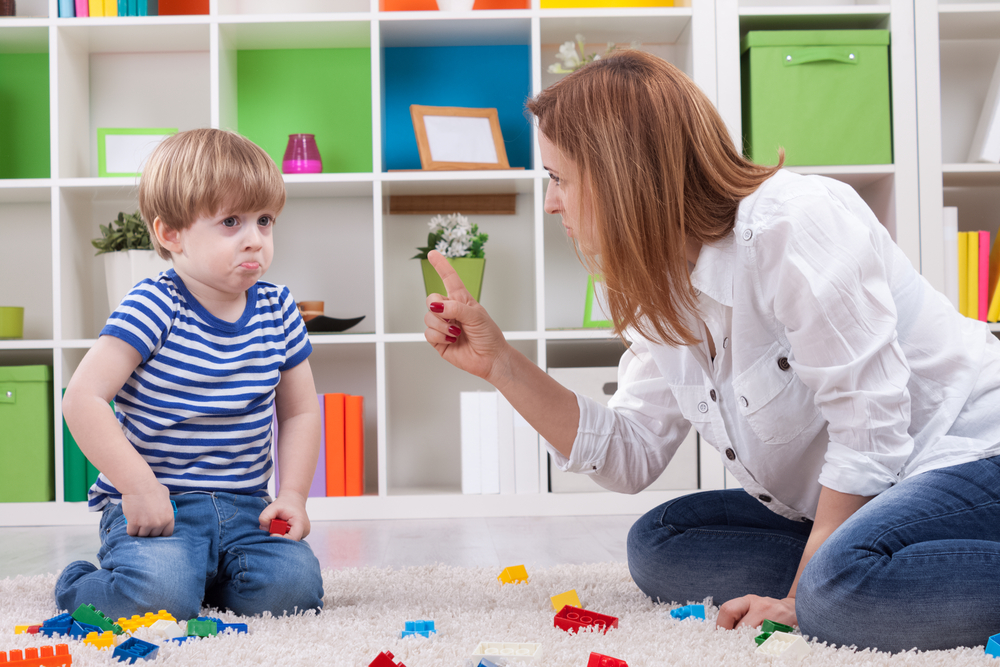
Meltdowns are treated as nervous system overload, not manipulation. Parents respond with calm presence instead of punishment. Grandparents often see this as rewarding bad behavior. Crying used to be something you stopped immediately.
Watching adults stay calm while a child spirals can feel unbearable. But neuroscience shows kids literally lack the brain development to regulate alone. What looks like chaos is often regulation in progress. That perspective takes time to accept.
10. Prioritize Connection Over Compliance

Gentle parenting values the relationship more than instant obedience. Cooperation is built through trust, not fear. Grandparents often measure success by compliance. A quiet child meant a well-behaved child.
Connection can feel abstract compared to results. But attachment research shows kids who feel safe are more cooperative long-term. The payoff is delayed, which can feel risky. Especially if you were taught control equals safety.
11. Allow Kids To Make Age-Appropriate Choices

Children are offered controlled choices to build autonomy. This can include clothes, snacks, or routines. Grandparents often see this as unnecessary freedom. Choice feels like chaos instead of development.
Structure once meant uniformity. Allowing kids to choose can look like giving up authority. Developmental psychologists note that small choices build confidence and decision-making skills. But watching a child pick their own outfit can feel like anarchy.
12. Talk Openly About Mental Health

Gentle parenting normalizes conversations about anxiety, stress, and emotional well-being. Mental health is treated as health. Many grandparents were taught to keep those topics private. Silence was survival.
Openness can feel uncomfortable or indulgent. Naming struggles may feel like dwelling. But early emotional awareness reduces stigma and improves coping later in life. Cultural shifts don’t always feel respectful — even when they’re helpful.
13. Teach Them The Importance Of Emotional Intelligence

Gentle parenting plays the long game. The goal is emotionally healthy adults, not obedient kids. Grandparents often want immediate results. Waiting feels uncertain and risky.
Control once felt like safety. Trusting development requires patience that wasn’t modeled before. Research on child development supports slower, relationship-based approaches. Emotionally, though, it can feel like letting go of the wheel.
14. Always Be Consistent As A Parent

Gentle parenting treats emotional harm as real harm. Words, tone, and reactions matter. Many grandparents focused on physical needs first. Feelings were secondary.
This shift can feel excessive or fragile. But studies consistently link emotional safety to resilience and confidence. Protecting a child’s inner world is newer territory. That newness alone can be unsettling.


