

AI isn’t happening all at once (even though it feels like it)—it’s sliding into daily life in uneven, sometimes subtle ways. Some changes will feel helpful almost immediately; others will take a little longer to show their full impact; and a few will quietly reshape how things work without much notice. What makes this moment different is how personal the shift is becoming. These aren’t abstract tech predictions; they’re changes that will touch work, money, relationships, and everyday decisions sooner than most people expect.
1. You’ll Work Alongside AI Like It’s “Normal.”

Within the next year, many jobs will involve working alongside AI rather than around it. Tasks like drafting, summarizing, scheduling, and basic analysis will increasingly be handled with AI support. This will change how productivity is measured. Output will matter more than process.
Research from McKinsey shows that generative AI could automate a significant share of current work activities across industries. In two years, roles will tilt toward judgment, oversight, and decision-making. In five years, many jobs will feel less hands-on and more directional. Work becomes about steering systems, not doing every step yourself.
2. You’ll Stop Searching And Start Asking For Information
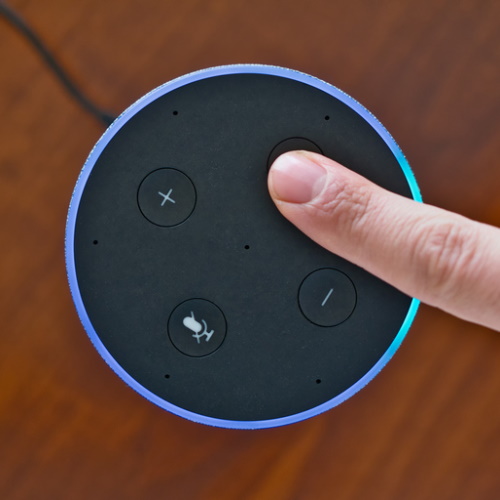
In the next year, finding information will feel less like searching and more like asking. AI assistants will summarize, contextualize, and tailor information in real time. That convenience will reshape how people learn and decide. Friction will drop noticeably.
According to data from the Pew Research Center, people are already shifting how they evaluate and trust information as AI tools become more common. In two years, information will feel more personalized but also more filtered. In five years, knowing where information comes from will matter more than accessing it. Literacy becomes about discernment, not retrieval.
3. Your Customer Service Agent Will Be a Bot

Within a year, most routine customer service interactions will be handled by AI. Humans will step in only when things are complicated or emotionally charged. That means fewer interactions, but higher stakes when they happen. The job becomes more concentrated.
In two years, expectations for resolution will rise. People will assume speed and accuracy as a baseline. In five years, customer service will feel less transactional and more about problem-solving under pressure. The emotional labor increases even as volume drops.
4. Your Health Will Be Predicted By AI, Not A Doctor

AI is already being used to analyze scans, flag risks, and streamline diagnostics. Within a year, patients will see more AI-assisted recommendations behind the scenes. Care will feel more data-driven. Early intervention becomes more common.
The World Health Organization has noted AI’s growing role in diagnostics and health system efficiency. In two years, monitoring and preventative care will expand through wearables and predictive tools. In five years, healthcare decisions may feel less reactive and more anticipatory. The shift is gradual, but significant.
5. You’ll Be More Creative Thanks to Your AI Collaborator
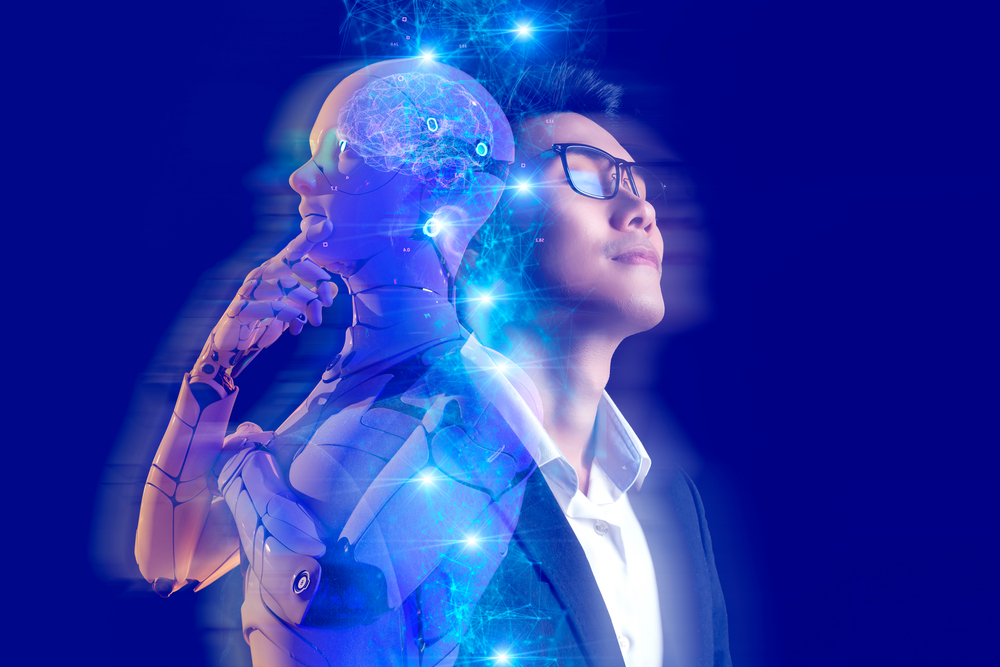
Over the next year, creative work will increasingly involve AI as a collaborator. Writing, design, music, and video production will blend human direction with machine assistance. The barrier to starting creative projects will drop. Execution speeds up.
In two years, originality will be judged more by perspective than production. In five years, creative value will center on taste, voice, and intention. The question won’t be whether AI was used, but how it was guided. Creativity becomes more about choices than tools.
6. Your Money Decisions Will Be Automated Based on Data
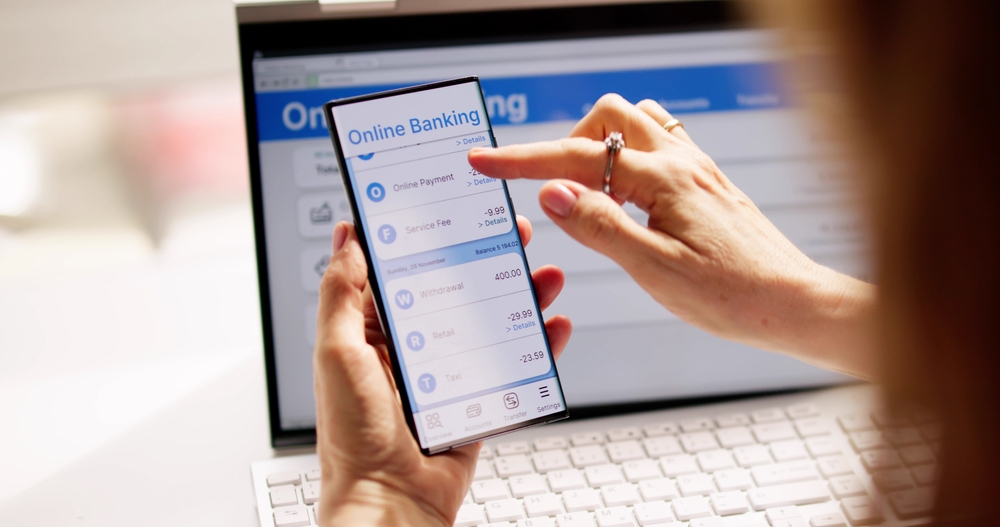
Within a year, budgeting, saving, and investing tools will rely more heavily on AI-driven recommendations. Financial decisions will feel less manual and more continuous. Adjustments will happen in the background. Attention shifts away from constant monitoring.
According to analysis from Deloitte, AI-driven financial tools are increasingly shaping personal finance and advisory services. In two years, people will rely more on automated guardrails than active management. In five years, financial planning may feel passive unless something goes wrong. Trust in systems becomes central.
7. You’ll Happily Bid Farewell to Standardized Learning

In the near term, AI will personalize learning paths more effectively than traditional systems. Students will get feedback tailored to their pace and gaps. One-size-fits-all instruction weakens. Learning feels more responsive.
In two years, assessments will shift toward critical thinking rather than memorization. In five years, education may focus more on synthesis and application than content recall. Knowing how to think matters more than knowing what to repeat.
8. You’ll Be Screened for Jobs By HR Bots First

Within a year, AI will handle much of the screening and scheduling in hiring. Initial interactions will feel impersonal. Efficiency improves, but warmth drops. Candidates notice the shift.
In two years, companies will adjust as they realize what’s lost. Human judgment and connection regain importance later in the process. In five years, hiring balances automation with intentional human touchpoints. The pendulum swings back slightly.
9. Your Digital Presence Will Be More Active Than You Are

AI will increasingly manage emails, messages, and online interactions. Within a year, responses may be drafted or sent on your behalf. Digital life becomes semi-autonomous. Presence no longer requires constant attention.
In two years, personal AI agents may negotiate, schedule, and filter interactions. In five years, maintaining boundaries around that delegation becomes important. Identity management turns into a skill.
10. Your Relationships Will Be Mediated in New “Emotionless” Ways

AI will influence how people communicate and resolve conflicts. Tools will suggest wording, timing, and tone. In the short term, conversations may feel smoother. Emotional friction gets buffered.
Over time, reliance on mediation may shift how people process feelings. In two years, some interactions feel more curated. In five years, authenticity will become something people actively protect. Effort moves from expression to intention.
11. You’ll Start to View Trust As Your Most Valuable Asset

As AI-generated content becomes harder to distinguish, trust becomes central. Within a year, people question more. Skepticism rises quietly. Verification becomes routine.
In two years, trusted sources gain disproportionate influence. In five years, trust itself will function like currency. Knowing who to believe matters more than the volume of information.
12. You’ll Be More Productive But Feel Less Fulfilled

AI will remove many visible obstacles to getting things done. Within a year, tasks feel lighter and faster. Output increases without clear effort. Busyness looks different.
In two years, measuring contribution becomes more complex. In five years, productivity is tied to impact rather than activity. Value shifts toward judgment and direction.
13. You’ll Become Desperate to Maintain Your Sense of Agency

As AI handles more decisions, autonomy becomes less automatic. Within a year, people enjoy convenience. Over time, delegation creeps into more areas. Awareness lags behind adoption.
In two years, intentional choice becomes important. In five years, maintaining agency feels like a practice rather than a given. The biggest change isn’t what AI does—it’s how much you let it decide.


