Skip to content
MENU
by
Danielle Sachs
Jun 3, 2026
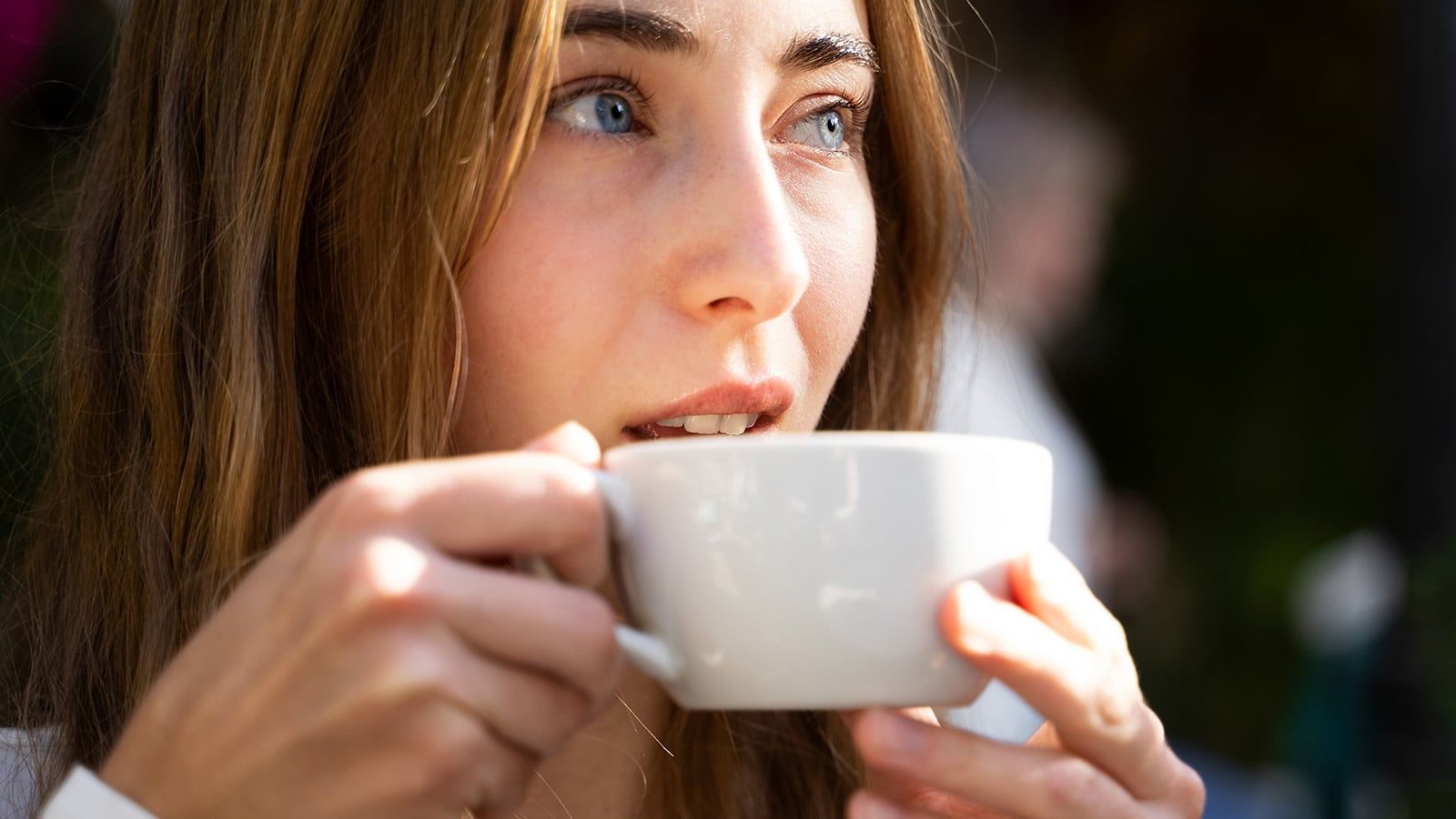
Psychology says the person who always drinks their coffee black isn’t just a purist, they are often navigating a need for “unfiltered reality” that shows up in every other part of their life
by
Danielle Sachs
Jun 3, 2026
by
Danielle Sachs
Jun 3, 2026
The people who can’t fully enjoy a good moment because part of them is already bracing for it to end aren’t pessimists, they learned somewhere that being caught off guard hurt worse than staying ready, and the bracing is an old form of self-protection that outlived the thing it was protecting against
by
Danielle Sachs
Jun 3, 2026
by
Leena Kaur
Jun 3, 2026
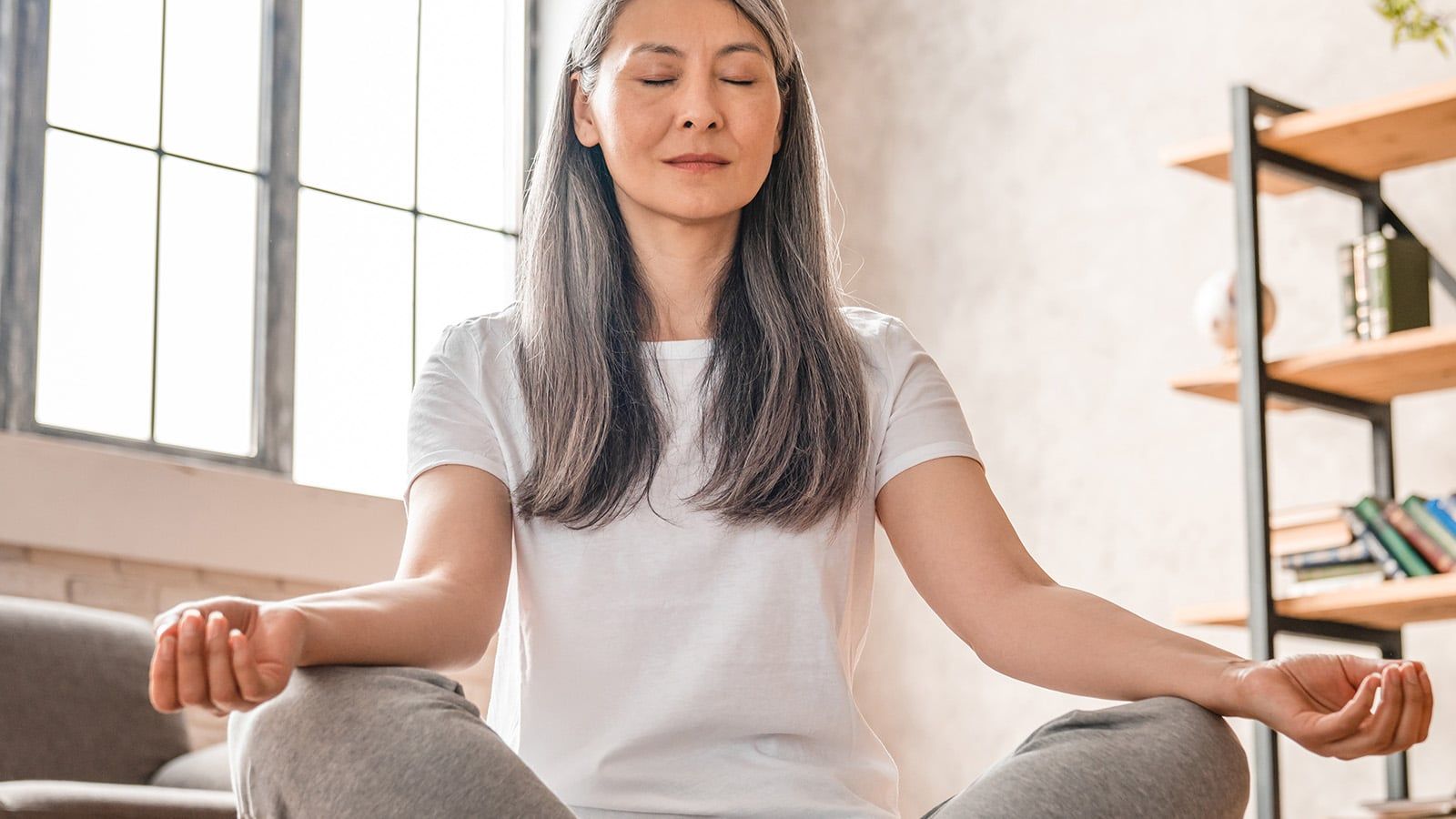
People who are truly at peace in their 70s usually let go of these 10 things most of us are still holding onto
by
Leena Kaur
Jun 3, 2026
by
Danielle Sachs
Apr 28, 2026
Some women don’t become “less patient” in midlife, they just lose the internal pressure that used to make other people’s comfort feel more urgent than their own, and once that pressure lifts, it’s gone—and suddenly the dynamic that used to work doesn’t work the same way anymore
by
Bolde Team
Apr 28, 2026
There’s a specific kind of person who gets a “we should catch up soon” text, types out three different replies, deletes all of them, and ends up sending “yes definitely” knowing they won’t follow up
by
Danielle Sachs
Apr 28, 2026
More and more adult children are ghosting their parents—here’s how not to become one of them
by
Bolde Team
Apr 28, 2026
Women who realize in midlife that they don’t actually like their husbands aren’t suddenly becoming cold—they’re often noticing, for the first time, how much of the marriage depended on them staying warm enough for both people
by
Danielle Sachs
Apr 28, 2026
When helping your adult children does more harm than good—signs it’s time to step back
by
Angelica Barnes
Apr 28, 2026
The best predictor of relationship success is one you’ve never heard of: positive sentiment override. Here’s how it works.
by
Bolde Team
Apr 28, 2026
People who hate public speaking aren’t always afraid of the audience—they’re reacting to the moment their own awareness spikes and everything they say starts feeling overly visible
by
Halle Kaye
Apr 27, 2026
When you hit your 70s and finally accept that your children love you but don’t actually need anything you have to offer, you’ve reached the most brutal and liberating milestone of your life
by
Halle Kaye
Apr 27, 2026
For a lot of people, solitude stops being a choice and becomes a fortress that’s hard to leave
by
Halle Kaye
Apr 27, 2026
I watched my mother start saying “I don’t need much anymore” and it sounded like contentment until I realized it was actually her slowly negotiating herself out of wanting things no one was offering
by
Bolde Team
Apr 27, 2026
I raised a kid who remembers to call on holidays but not in between, and I’m starting to see how I helped create that
by
Bolde Team
Apr 27, 2026
I’ve learned to enjoy people without depending on them—because expecting nothing is the only way to ensure I’m never disappointed again
by
Angelica Barnes
Apr 27, 2026
If you keep attracting people who need saving it’s because you’re still addicted to the validation of being a hero to people who will eventually resent you for it
by
Halle Kaye
Apr 27, 2026
Signs your adult children may secretly resent how you raised them
by
Bolde Team
Apr 27, 2026
I grew up in the 60s and I’m done pretending everything is better now—some things we lost actually mattered
by
Erika Vaatainen
Apr 27, 2026
The invisible labor of living alone: things you end up doing because no one else will
by
Danielle Sachs
Apr 27, 2026
Things your aging parents aren’t telling you but desperately want to
by
Halle Kaye
Apr 27, 2026
I’m single and I want to get married, but the more I watch my friends’ relationships, the more I understand that loneliness doesn’t disappear just because someone else lives in your house
by
Bolde Team
Apr 27, 2026
I obsess over creating a beautiful home because I’m still trying to build the stability I never felt in the house where I actually grew up
by
Angelica Barnes
Apr 27, 2026
If you were praised for being smart, you might avoid situations where you could fail
by
Halle Kaye
Apr 27, 2026
A reader asks: My wealthy sister loaned me money and now expects me to run random errands. How do I get her to stop without looking ungrateful?
by
Leena Kaur
Apr 27, 2026
Psychology says a lot of people who think of themselves as “energetic” or high-functioning are operating at a high level of internal stress and don’t realize it
by
Halle Kaye
Apr 26, 2026
Psychology says the more capable you become, the more likely you are to drift into isolation—because when you don’t need people to survive, you stop reaching for them altogether
by
Halle Kaye
Apr 26, 2026
Psychology says people who reach midlife without close friends aren’t unlikeable, they’re usually the ones who spent 20 years being useful to everyone and finally realized that being a tool and being loved are two entirely different transactions
by
Erika Vaatainen
Apr 26, 2026
Once you’re over 65, one of the most isolating realizations is that the people who love you are actually in love with a version of you that’s 20 years out of date
by
Natasha Lee
Apr 26, 2026
My daughter is in her 30s and her life is a high-speed blur of career and kids and “busy,” and I’m in my 60s and my life is a slow-motion study in waiting for a notification to light up my phone just so I can feel like I still matter to the story.
by
Halle Kaye
Apr 26, 2026
When adult children lose respect for a parent, it usually doesn’t happen all at once—it builds quietly over time
by
Leena Kaur
Apr 26, 2026
Marriage counseling didn’t save my marriage—but it helped me finally let go
by
Angelica Barnes
Apr 26, 2026
Some people stay busy not because they’re driven, but because slowing down brings up things they don’t want to face
by
Danielle Sachs
Apr 26, 2026
I’m newly divorced and my house is half empty & my bank account is low but the air in the living room is finally breathable
by
Erika Vaatainen
Apr 26, 2026
The most self-aware thing you can do at a family gathering is notice who you become the moment you walk in
by
Leena Kaur
Apr 26, 2026
I grew up in the 80s and my best teachers were boredom, neglect and the natural consequences of my actions—kids today are missing out
by
Bolde Team
Apr 26, 2026
Mom burnout doesn’t always look like collapse—it often looks like functioning so well that no one realizes you need help
by
Angelica Barnes
Apr 26, 2026
Looking back on old photos doesn’t just show you how things looked—it shows you how much you were carrying at the time
by
Bolde Team
Apr 26, 2026
I’m in my 60s and I’m resigning from my role as the unpaid emotional manager of everyone else’s discomfort
by
Leena Kaur
Apr 26, 2026
I stopped speaking to my sibling because I realized that maintaining the peace required me to stay small enough to fit into their memory of who I used to be
by
Halle Kaye
Apr 25, 2026
Growing up in a “good” family doesn’t always mean your needs were met—and the lack often reveals itself in these ways
by
Bolde Team
Apr 25, 2026
There comes a moment when you realize your parents didn’t teach you independence—they taught you how to survive without support
by
Halle Kaye
Apr 25, 2026
Being tough your whole life doesn’t protect you from loneliness, it just makes it harder to see
by
Angelica Barnes
Apr 25, 2026
People who are the “emotionally mature” ones in a family carry a special kind of loneliness: watching the people they love repeat the same self-destructive patterns while no one else has the interest to even name them
by
Angelica Barnes
Apr 25, 2026
Tidying your table before leaving a restaurant is a quiet confession that you were raised to believe that your existence should be as low maintenance as possible
by
Angelica Barnes
Apr 25, 2026
Psychology says people who seem to “stop caring” as they get older aren’t becoming apathetic, they’re practicing emotional selectivity—and it’s the smartest survival strategy the brain has ever designed
by
Angelica Barnes
Apr 25, 2026
My loneliness isn’t about being alone, it’s the realization that I spent my life being needed by people who never actually bothered to know me
by
Erika Vaatainen
Apr 25, 2026
Some people express stress through constant activity instead of dealing with what’s actually going on
by
Angelica Barnes
Apr 25, 2026
Self-respect isn’t about feeling good about yourself—it’s about no longer seeing yourself through the wrong people’s eyes
by
Leena Kaur
Apr 25, 2026
Psychology says people who stack their days with errands, workouts, side projects, and plans often aren’t trying to maximize their time—they’re trying to minimize feeling and thinking
by
Angelica Barnes
Apr 25, 2026
The real grief of aging parents is realizing they are never going to give you the apology or the version of themselves you actually needed to survive
by
Leena Kaur
Apr 25, 2026
Therapists say many high-functioning adults are so used to the pressure of building a life that they hardly know who they are when they’re not striving
by
Angelica Barnes
Apr 25, 2026
Psychology says people who forget names the moment they’re introduced aren’t being rude, they’re just so busy navigating the social performance of the introduction that their brain has no room left for that data
by
Bolde Team
Apr 24, 2026
Psychology says people who are scared of public speaking aren’t actually afraid of the speaking part—they’re afraid of being seen
by
Halle Kaye
Apr 24, 2026
Sometimes, you say no to help not because you don’t need it but because you’re waiting to see if someone thinks you’re worth the effort of them asking twice
by
Julie Brown
Apr 24, 2026
I don’t hate my husband, but if I let myself sit with how much I’ve given compared to how much I’ve received, I end up in a place where staying feels a lot heavier than leaving
by
Halle Kaye
Apr 24, 2026
My independence is a fortress I’ve built because I’ve realized that letting myself rely on someone is scarier than being alone
by
Angelica Barnes
Apr 24, 2026
I stopped being the reliable one when I realized people weren’t admiring my competence, they were just using it as an excuse to stop checking in on me
by
Halle Kaye
Apr 24, 2026
Therapists say preferring to be alone usually isn’t a natural choice—it’s often the result of realizing that most connections require you to shrink to fit
by
Danielle Sachs
Apr 24, 2026
Psychology says the quietest form of generational trauma isn’t abuse—it’s a parent who was physically present but emotionally elsewhere, leaving a child to spend decades mistaking proximity for closeness
by
Julie Brown
Apr 24, 2026
My husband thinks I’m loyal but the truth is I’m just too exhausted to inventory our assets for a divorce lawyer
by
Erika Vaatainen
Apr 24, 2026
Psychology says people who pack more than they need are sometimes reacting to a childhood where no one was coming to save them if they forgot the essentials
by
Bolde Team
Apr 24, 2026
Retirement is the moment you realize you can no longer use your career to hide from the parts of yourself you’ve been avoiding since 1994
by
Julie Brown
Apr 24, 2026
My mother wasn’t unloving—she was just raised in an era where parenting was about management, not connection
« Prev
1
…
9
…
542
Next »
Modern Love
Parenting & Family
Friendships
Aging & Life Stages
Human Behavior
Life & Well-Being
About
Contact
Meet the Team
Privacy Policy
Terms & Conditions
DMCA Policy
Editorial Policy
FREE
LOVE QUIZZ
X Exit Search
Search